
Have you ever wanted to add snap fasteners to your clothes but didn’t know where to start? Whether you’re fixing a favorite jacket or creating your own custom outfit, snap fasteners are a simple and stylish way to make your clothes more functional.
In this guide, you’ll learn easy, step-by-step tips to put snap fasteners on any fabric. By the end, you’ll have the confidence to upgrade your wardrobe with snaps that stay secure and look great. Ready to transform your clothes? Let’s dive in!
Choosing Snap Fasteners
Choosing the right snap fasteners is key to a good finish on your clothes. The right snaps hold well and look neat. They also match the fabric and style. This section helps you pick the best snaps for your sewing project.
Types Of Snap Fasteners
Snap fasteners come in several types. Sew-on snaps need stitching to attach. They suit thick fabrics and heavy use. Press snaps snap together easily without sewing. They are good for light fabrics. Magnetic snaps use magnets to close. They are strong and easy to open. Choose the type that fits your fabric and use.
Materials And Sizes
Snap fasteners come in metal, plastic, and brass. Metal snaps are strong and last long. Plastic snaps are lightweight and colorful. Brass snaps resist rust and look classic. Sizes vary from small (8mm) to large (20mm). Small snaps fit thin fabrics. Large snaps work on thick or heavy fabrics. Match size and material to your project needs.
Matching Fasteners To Fabric
Heavy fabrics need strong, large snaps. Light fabrics need small, delicate snaps. Thick fabrics may need sew-on snaps for strength. Thin fabrics work well with press snaps. Test snaps on a fabric scrap first. Check if the snap holds and looks good. This avoids damage and poor fit on your garment.
Gathering Tools And Supplies
Before putting snap fasteners on clothes, gather all necessary tools. This step helps you work faster and avoid mistakes. Having the right supplies ensures a neat finish. Organize everything in one place to stay focused.
Essential Tools Needed
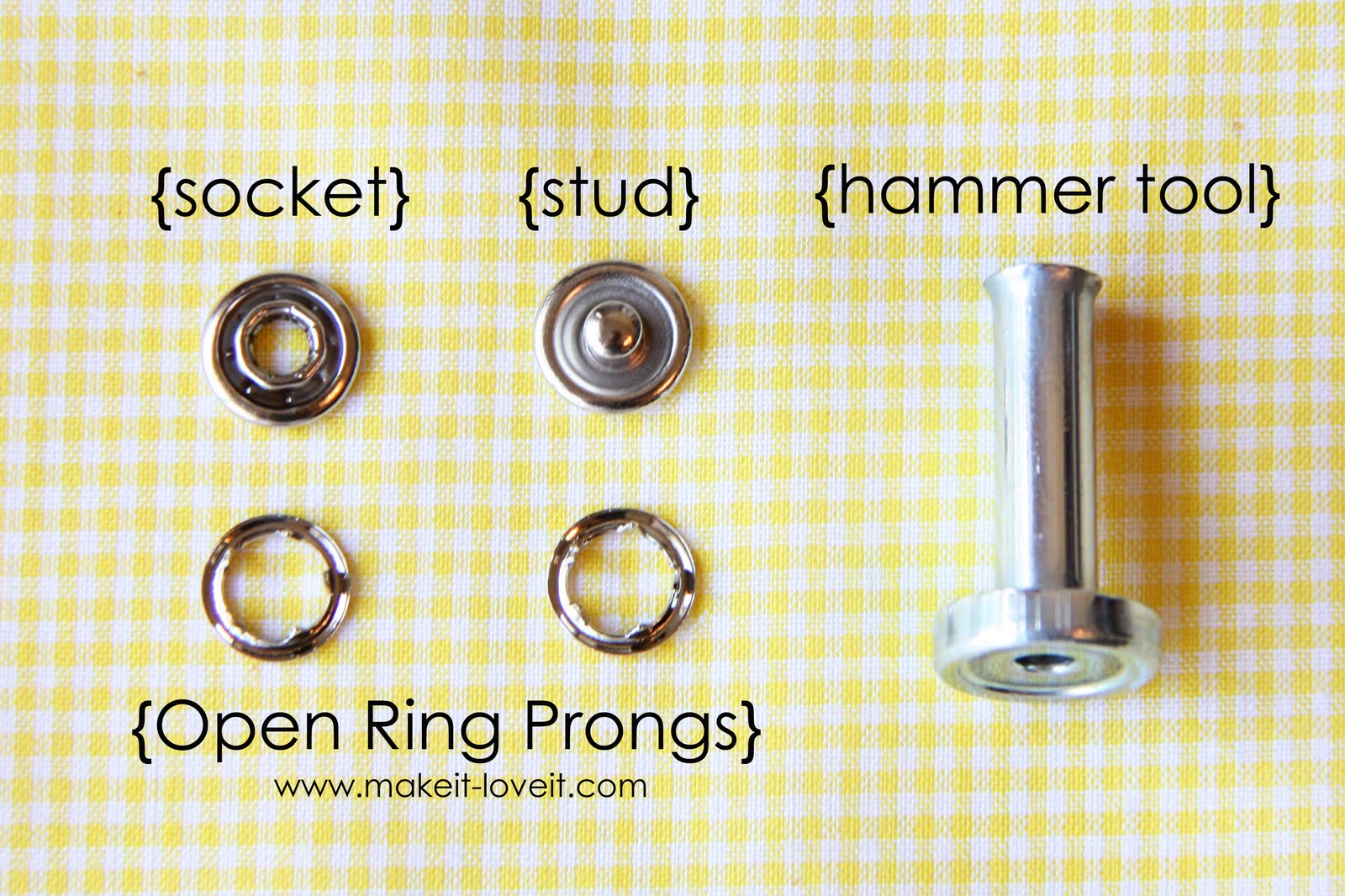
You need snap fasteners, a snap setter, and an awl. A hammer is important to secure snaps properly. Use scissors to cut fabric if needed. Marking tools help place snaps in the right spot.
Optional Accessories
Thread and needle can help reinforce snaps for extra strength. A small ruler or measuring tape improves accuracy. Fabric glue holds snaps before setting them. Use pliers for better grip and control.
Preparing Your Workspace
Choose a clean, flat surface with good lighting. Keep all tools within easy reach. Protect your table with a cloth or cutting mat. Clear away distractions to focus on your task.
Marking Placement On Clothes
Marking the placement of snap fasteners on clothes is a key step. It helps ensure the snaps fit perfectly and function well. Taking time to mark correctly saves effort later.
Clear markings guide where to attach the fasteners. Accurate marks prevent mistakes and fabric damage. Use tools and careful measuring for best results.
Measuring Accurate Positions
Start by measuring the exact spots for snaps. Use a ruler or measuring tape for precision. Measure both sides of the fabric evenly. Mark the same distance from edges or seams. This keeps the snaps balanced and neat.
Using Fabric Markers
Choose fabric markers that wash out easily. Light colors work well on dark fabrics and vice versa. Make small dots or crosses to mark snap points. Avoid thick or permanent markers that may stain. These marks guide placement without ruining the fabric.
Double-checking Alignment
Check the marks before attaching snaps. Fold the fabric as it will be worn. Align both sides to see if marks match. Adjust any marks that look off-center or uneven. Confirming alignment prevents misaligned snaps and frustration later.
Attaching Snap Fasteners By Hand
Attaching snap fasteners by hand is a simple skill. It helps fix clothes without sewing machines. You only need a few tools and patience. Hand-sewing snaps gives control and precision. This method works well for small projects or repairs. Follow these steps to attach snaps correctly.
Piercing The Fabric
Start by marking the spot for the snap. Use a pin or needle to make a small hole. The hole should be just big enough for the snap post. Avoid making the hole too large. This keeps the snap tight and secure.
Securing The Cap And Socket
Place the cap on one side of the fabric. Push the post through the hole carefully. On the back, place the socket onto the post. Press both parts together firmly. Use pliers or a small hammer to secure them. Make sure the snap parts align well.
Checking The Snap Function
Test the snap by pressing it closed. It should click and hold firmly. Open it to check if it releases easily. If the snap feels loose, press it again. A good snap fastener should work smoothly and last long.
Using A Snap Fastener Tool
Using a snap fastener tool makes attaching snaps to clothes easier and faster. This tool helps press the snap parts together firmly. It ensures the snaps stay in place and work well. Follow these steps carefully for the best results.
Setting Up The Tool
Place the snap fastener tool on a flat surface. Check that all parts are clean and free from dust. Insert the correct snap parts into the tool’s slots. Make sure the tool is stable and ready to use.
Positioning The Fastener
Put the fabric between the snap parts. Align the snap’s top and bottom pieces carefully. Hold the fabric steady to avoid shifting. Position the tool so it presses directly on the snap.
Applying Pressure Correctly
Press the tool handles firmly but slowly. Do not use too much force at once. Apply steady pressure until the snap parts click together. Release the tool and check the snap’s hold. Repeat if needed for a tight fit.

Credit: www.katmakes.com
Troubleshooting Common Issues
Troubleshooting common issues with snap fasteners helps keep clothes working well. Small problems can stop snaps from closing or damage fabric. Fixing these issues saves time and keeps garments neat.
Snaps Not Closing Properly
Snaps may not close if parts are misaligned. Check if the snap pieces fit tightly. Press both sides firmly but gently. Dirt or fabric threads can block snaps. Clean snaps with a soft cloth to remove debris. Replace snaps if they are bent or broken. Test snaps on scrap fabric before attaching to clothes.
Fabric Damage Prevention
Use the right tools to avoid holes or tears. A snap fastener tool or pliers works best. Avoid sharp objects that can cut fabric. Place a small piece of cardboard behind fabric for support. Handle fabric gently during installation. Choose snaps sized properly for fabric thickness. Reinforce thin fabric with an extra patch under snaps.
Removing And Replacing Snaps
Remove snaps carefully to protect fabric. Use a small flat tool or seam ripper to lift snap edges. Avoid pulling fabric while removing snaps. Clear all snap parts from fabric holes. Replace with new snaps following installation steps. Test new snaps before final use. Removing and replacing snaps keeps clothes usable longer.
Care Tips For Snap Fastened Clothes
Snap fasteners add convenience to clothes. They make dressing easy and quick. Taking care of snap fastened clothes helps them last longer. Proper care keeps snaps working well and looking good.
Washing Guidelines
Close all snaps before washing. This prevents damage during the wash cycle. Use a gentle cycle with cold water. Avoid harsh detergents that may corrode snaps. Hand washing is best for delicate fabrics. Let clothes air dry to protect snaps.
Storage Recommendations
Store clothes with snaps flat to avoid bending snaps out of shape. Avoid heavy stacking that can press on fasteners. Keep clothes in a dry place to prevent rust. Use garment bags for extra protection. Check snaps regularly for any signs of wear.
Maintaining Snap Longevity
Open and close snaps gently to prevent breakage. Clean snaps with a soft cloth to remove dirt. Avoid pulling snaps forcefully when dressing. Lubricate snaps lightly with a small amount of petroleum jelly if sticking occurs. Replace damaged snaps promptly to avoid fabric tears.
Credit: beautiful-blossom.com

Credit: www.youtube.com
Frequently Asked Questions
How Do I Attach Snap Fasteners To Fabric?
To attach snap fasteners, mark the spot on fabric. Use a snap fastener tool or pliers to press pieces together. Ensure alignment for secure closure. Sew if needed for extra strength. This method works on most fabrics, providing a neat finish.
What Tools Do I Need For Snap Fasteners?
You need snap fasteners, a hammer or snap pliers, and a fabric marker. Optionally, use scissors and a sewing needle. These tools help place fasteners accurately and securely on your clothes, ensuring durability and ease of use.
Can Snap Fasteners Be Sewn On Clothes?
Yes, some snap fasteners have holes for sewing. Use a needle and strong thread to stitch them onto fabric. Sewing adds extra security, especially on heavy or stretchy materials. This method prevents snaps from loosening over time.
Are Snap Fasteners Suitable For All Fabric Types?
Snap fasteners work well on medium to heavy fabrics like denim and canvas. They may damage delicate fabrics like silk or lace. For lightweight materials, consider sew-on snaps or alternatives to avoid fabric stress and maintain garment integrity.
Conclusion
Putting snap fasteners on clothes is simple with practice. Use the right tools for a strong hold. Take your time to align the snaps carefully. Check the snaps after attaching to ensure they work well. This skill helps fix clothes and create new designs.
You can save money by doing it yourself. Snap fasteners add convenience and style to your garments. Keep practicing, and you will get better quickly. Enjoy making your clothes more functional and unique.


