Have you ever wondered how heavy materials like steel or concrete get fastened quickly and securely on construction sites? That’s where a powder actuated fastener comes into play.
It’s a powerful tool designed to make your fastening tasks faster, easier, and more reliable. If you want to know what a powder actuated fastener is, how it works, and why it might be the perfect solution for your next project, keep reading.
This simple yet effective tool could change the way you approach tough fastening jobs forever.
Credit: www.hyderinc.com
Powder Actuated Fasteners Basics
Powder actuated fasteners are tools used to join materials quickly and securely. They work by using a small explosive charge to drive a fastener into hard surfaces. These fasteners are common in construction and industrial settings. Understanding their basics helps you see why they are so effective and popular.
How They Work
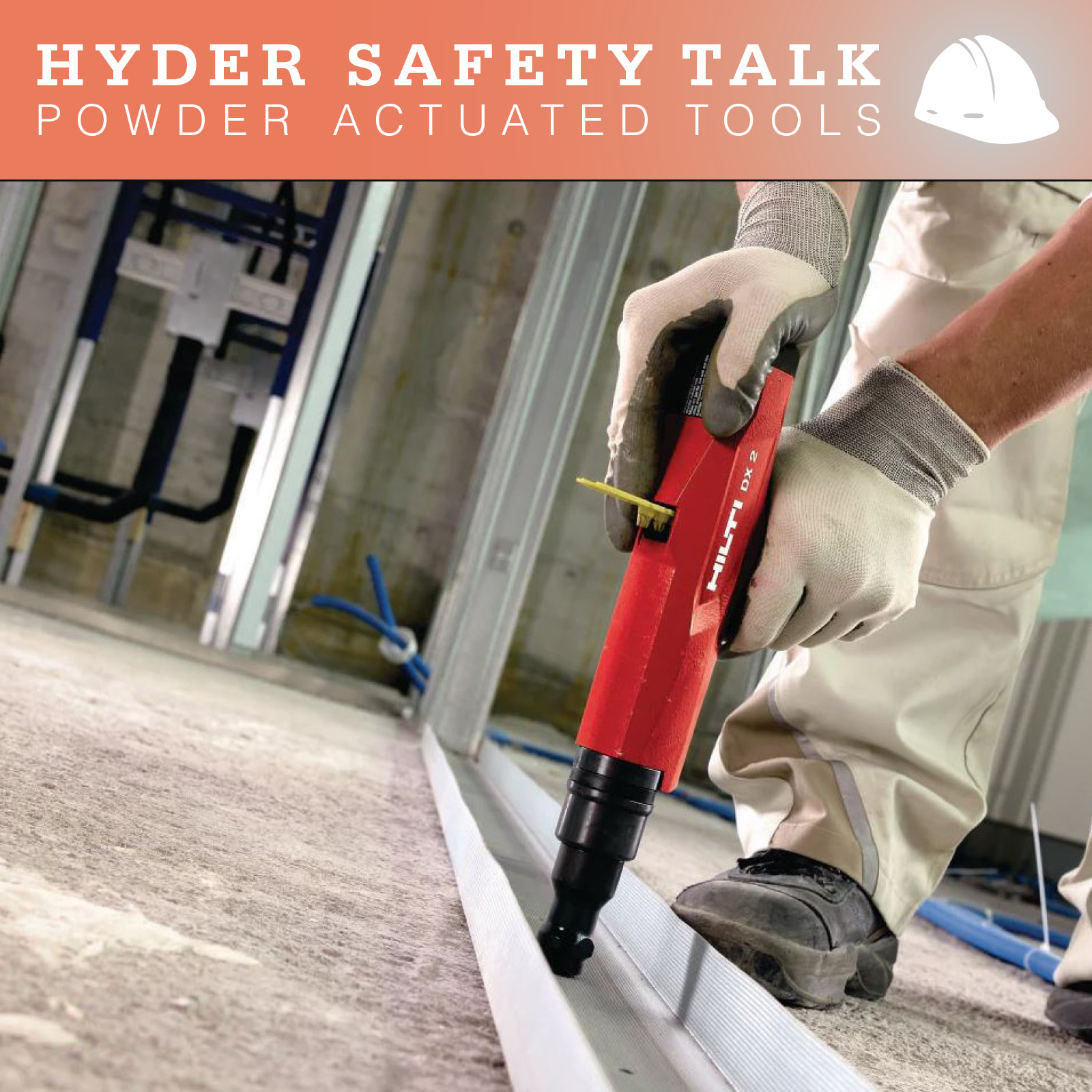
Powder actuated fasteners use a special tool similar to a gun. A small cartridge with powder ignites inside the tool. The explosion pushes the fastener into the material. This method allows the fastener to go deep and hold firmly. It works well on concrete and steel. The power comes from the controlled explosion, not from manual force.
Types Of Fasteners
Fasteners for powder actuated tools come in many shapes and sizes. Nails are the most common type. Some fasteners have special coatings to resist rust. Others have different lengths for various material thicknesses. There are pins for light attachments and heavy-duty anchors for strong holds. Choosing the right fastener depends on the job and materials.
Common Applications
These fasteners are often used in construction projects. They attach wood or metal to concrete or steel. Workers use them to fix electrical boxes, pipes, and insulation. They also help in fastening drywall and framing. Their speed and strength save time on jobs. Powder actuated fasteners work well in places where screws or nails fail.
Advantages Over Traditional Fasteners
Powder actuated fasteners offer clear benefits over traditional fasteners. They save time and effort in many construction and industrial tasks. These fasteners work by using a controlled explosion to drive nails or pins into hard materials. This method provides stronger and quicker fastening than screws or bolts. The advantages make powder actuated fasteners a preferred choice for many professionals.
Speed And Efficiency
Powder actuated fasteners install much faster than screws or nails. The tool drives the fastener in one quick action. This reduces the time spent on each fastening job. Workers can complete projects faster and with less effort. The speed helps meet tight deadlines and reduces labor costs.
Holding Strength
These fasteners create a strong bond with materials. The force from the powder charge pushes the fastener deep into concrete or steel. This ensures a firm hold that resists loosening. Traditional fasteners often need extra support to achieve similar strength. Powder actuated fasteners provide reliable and durable connections.
Versatility On Materials
Powder actuated fasteners work on a variety of tough surfaces. They can fasten wood, metal, concrete, and masonry with ease. Traditional fasteners may struggle or require pre-drilling on these materials. This versatility saves time and tools on the job. It makes powder actuated fasteners useful for many types of projects.
Safety Measures And Best Practices
Using powder actuated fasteners requires strict safety measures and best practices. These tools use controlled explosions to drive fasteners into hard materials. Without proper care, they can cause serious injuries. Understanding safe handling, wearing the right gear, and proper training is essential for every user.
Proper Handling
Always handle powder actuated tools with care. Keep the tool pointed away from yourself and others. Never load the tool until you are ready to use it. Check the tool before use to ensure it works correctly. Store the tool and fasteners separately in a safe place. Avoid any modifications to the tool that might affect its safety.
Protective Gear
Wear safety glasses to protect your eyes from flying debris. Use ear protection to reduce noise from the tool’s firing. Gloves can protect your hands from accidental pinches and sharp materials. Wear sturdy clothing to cover your skin. Safety boots help protect your feet from dropped fasteners or tools.
Training Requirements
Only trained personnel should use powder actuated fasteners. Training covers how to handle and operate the tool safely. Users learn about the correct fastener types for each job. Training includes understanding the tool’s safety features and maintenance. Regular refresher courses keep skills sharp and reduce accidents.
Choosing The Right Fastener
Choosing the right powder actuated fastener is important for a strong and safe hold. The fastener must fit the material and the job. Wrong choices can cause damage or weak connections. Three main points guide the choice: material compatibility, load capacity, and environmental conditions.
Material Compatibility
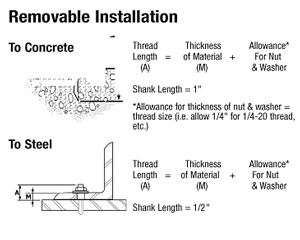
Fasteners come in different types for wood, concrete, or steel. Using the right fastener for the base material prevents cracks and breaks. Some fasteners work best with soft materials, others with hard surfaces. Check the fastener’s design and size to match your material.
Load Capacity
Every fastener holds a certain weight or force. Choose one that can carry the load needed for your project. Using a weak fastener for heavy loads risks failure. Consider both static and dynamic loads. Stronger fasteners ensure safety and durability.
Environmental Considerations
Fasteners face different weather and temperature conditions. Some rust or weaken with moisture or heat. Pick fasteners made from materials that resist corrosion. Stainless steel or coated fasteners last longer outdoors or in damp places. Protect your work by matching fasteners to the environment.
Maintenance And Troubleshooting
Maintaining a powder actuated fastener is key for safety and performance. Regular care helps avoid problems and keeps the tool working well. Troubleshooting small issues early saves time and money. Here are some tips to help you maintain and fix your fastener.
Cleaning Tips
Clean the fastener after every use. Remove dirt, dust, and debris from the barrel and firing pin. Use a soft brush or cloth for cleaning. Avoid harsh chemicals that may damage parts. Lubricate moving parts lightly to prevent rust. Keep the tool dry before storing it.
Common Issues
Misfires are common and usually caused by dirt or worn parts. Check the barrel for blockages if the fastener does not fire. Replace damaged or worn firing pins promptly. Ensure the correct powder loads are used. Loose parts can cause poor performance and should be tightened.
Storage Guidelines
Store the fastener in a cool, dry place. Avoid damp environments to prevent rust. Keep it away from children and unauthorized users. Use the original case or a sturdy box for protection. Store powder loads separately in a safe container. Regularly inspect stored fasteners before use.
Credit: www.ramset.com

Credit: www.hilti.com
Frequently Asked Questions
What Is A Powder Actuated Fastener Used For?
A powder actuated fastener is used to securely attach materials to hard surfaces like concrete and steel. It uses controlled explosive force to drive fasteners quickly and firmly. This tool is ideal for construction, manufacturing, and heavy-duty fastening tasks.
How Does A Powder Actuated Fastener Work?
It works by igniting a small powder charge, creating gas pressure. This pressure drives the fastener into dense materials. The process is fast, precise, and requires minimal physical effort, making it efficient for tough fastening jobs.
Are Powder Actuated Fasteners Safe To Use?
Yes, they are safe when used properly with protective gear and training. Safety mechanisms prevent accidental firing. Users must follow manufacturer instructions and local regulations to ensure safe operation on job sites.
What Materials Can Powder Actuated Fasteners Attach?
They can attach wood, metal, and plastic to concrete or steel surfaces. The fasteners penetrate hard materials without damaging them, providing strong, durable connections suitable for various construction and industrial projects.
Conclusion
Powder actuated fasteners offer a strong, quick way to join materials. They work by using a small explosive charge to drive nails into hard surfaces. These fasteners save time and effort on tough jobs. Safety is important, so always use the right tools and follow instructions.
Understanding how these fasteners work helps you choose the right one for your project. They are common in construction and industrial work for a reason. Simple, effective, and reliable – powder actuated fasteners get the job done well.