Are you struggling with cabinet hardware that just won’t budge? You’re not alone.
Stuck screws, rusty handles, and tight fittings can turn a simple task into a frustrating challenge. But don’t give up just yet. In this guide, you’ll discover easy, effective ways to remove hardware that seems impossible to loosen. By the end, you’ll have the confidence and tools to tackle your cabinet project without damage or stress.
Keep reading to find out how to get your hardware off quickly and smoothly.
Common Causes Of Stuck Cabinet Hardware
Stuck cabinet hardware can cause frustration during simple repairs or upgrades. Understanding why hardware gets stuck helps in fixing it fast. Common causes include rust, paint buildup, and damaged screws. Each of these issues affects hardware differently but prevents smooth removal.
Rust And Corrosion
Rust forms when moisture touches metal parts over time. It makes screws and handles hard to turn or pull out. Corrosion weakens metal and causes it to stick inside holes. Rust often happens in humid kitchens or bathrooms. Using rust remover or lubricant can loosen stuck hardware.
Paint And Adhesive Buildup
Paint spills or glue from past repairs can trap hardware in place. Layers of paint around screws create a tight seal. Adhesive residue makes handles stick to cabinet surfaces. Scraping or softening the paint helps free the hardware without damage.
Stripped Or Damaged Screws
Screws with damaged heads are hard to unscrew. Stripped screws lose their grip on screwdrivers or bits. This damage often occurs from using wrong tools or too much force. Special screw extractors or pliers can remove these screws safely.
Tools Needed For Removal
Removing stuck hardware from a cabinet needs the right tools. The right tools make the job easier and prevent damage. Below are the essential tools to have ready before starting the removal process.
Basic Hand Tools
Start with simple hand tools like screwdrivers. A flathead and a Phillips screwdriver cover most screws. Pliers help grip and turn stubborn pieces. A hammer can gently tap hardware loose without breaking it. These tools are easy to find and use.
Lubricants And Penetrating Oils
Lubricants loosen rust and tight parts. Spray or apply penetrating oil to stuck screws or hinges. Let it sit for a few minutes. This softens rust and dirt, easing removal. WD-40 or similar oils work well for this task.
Specialty Removal Tools
Sometimes basic tools are not enough. Use specialty tools like screw extractors for stripped screws. A putty knife helps pry off hardware without damage. A rubber mallet offers gentle force without marks. These tools handle tough removal jobs safely.
Step-by-step Removal Techniques
Removing stuck cabinet hardware can be tricky. It requires patience and the right steps. Following clear techniques helps avoid damage. This guide breaks down simple methods for hardware removal. Each step targets a common problem you might face. Use these tips to handle stuck screws and sealed parts.
Loosening Rusted Screws
Rusted screws often stick tightly. Apply a rust remover or penetrating oil. Let it sit for 10-15 minutes. Use a screwdriver with a good grip. Turn slowly to avoid stripping. If stuck, tap the screwdriver handle gently with a hammer. This loosens rust bonds. Repeat oil application if needed. Patience is key for rusted screws.
Removing Paint-sealed Hardware
Old paint can seal screws and hardware. Use a utility knife to cut paint around edges. This frees the hardware from the surface. Heat the area with a hairdryer for a few minutes. Warm paint softens and loosens the seal. Carefully try to turn the screws. Avoid force to prevent damage. Repeat cutting and heating for stubborn spots.
Dealing With Stripped Screws
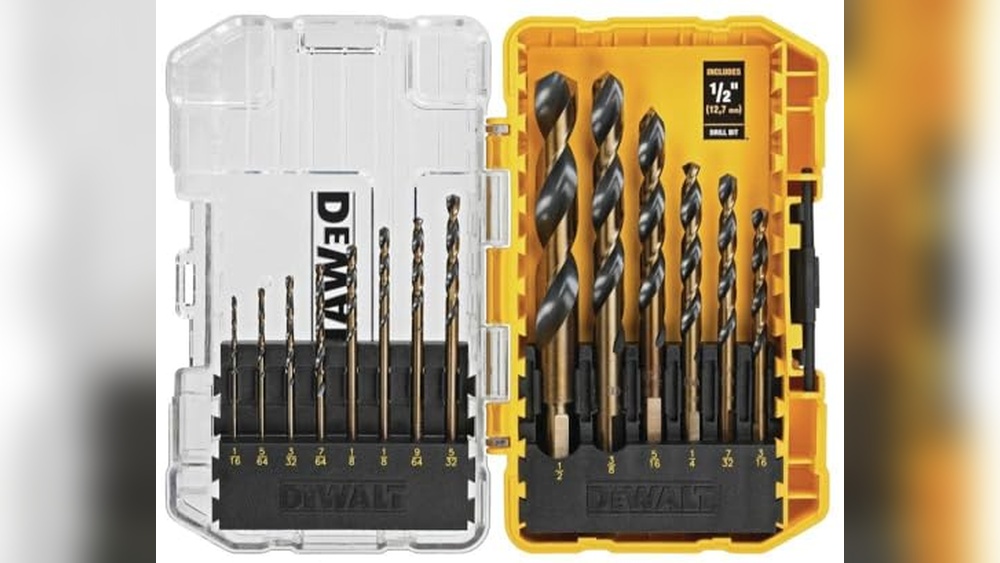
Stripped screws lose their grip. Use a rubber band for extra traction. Place it between the screwdriver and screw head. Turn slowly and steadily. If this fails, try pliers to grip the screw head. Drill a small hole in the screw center if needed. Insert an easy-out extractor to remove the screw. Work carefully to protect your cabinet.

Credit: www.doorhandlestore.com
Preventing Future Hardware Issues
Preventing future hardware issues keeps your cabinets working well for years. Stuck or damaged hardware often happens because of neglect or poor care. Simple steps can stop problems before they start. Follow these tips to maintain smooth cabinet doors and drawers.
Regular Maintenance Tips
Check cabinet hardware often for signs of rust or wear. Clean hinges and handles with a soft cloth and mild soap. Avoid using harsh chemicals that can damage metal parts. Tighten loose screws to keep hardware secure. Lubricate moving parts with a small amount of oil. This keeps them moving smoothly without sticking.
Proper Installation Practices
Use the right tools when installing cabinet hardware. Make sure screws fit well and do not strip the holes. Avoid overtightening, which can crack wood or bend metal. Align hardware carefully to prevent stress on parts. Follow manufacturer instructions for best results. Correct installation reduces chances of sticking or damage.
Using Protective Coatings
Apply a clear protective coating to metal hardware. This helps stop rust and corrosion from moisture. Use products designed for metal surfaces on cabinets. Reapply coatings regularly, especially in humid areas like kitchens. Protective layers extend hardware life and keep it looking new. Simple care protects your investment over time.
When To Call A Professional
Removing stuck cabinet hardware can be tricky. Sometimes, it is best to stop and call a professional. They have the right tools and skills to avoid making the problem worse. Knowing when to get expert help saves time and money.
Complex Damage Situations
Some hardware gets stuck due to deep rust or broken screws. Trying to force it out can cause cracks or holes in your cabinet. Professionals can handle these tough cases carefully. They can also fix hidden damage that is hard to see.
Avoiding Cabinet Damage
Using the wrong tools or too much force can ruin your cabinet’s finish. A pro knows how to remove stuck hardware without scratching or denting wood. They protect your cabinet’s look and keep it strong for years.
Cost Considerations
Calling a professional may seem expensive at first. But fixing damage caused by a bad removal attempt costs more. Experts work fast and do the job right the first time. This saves money on repairs and replacements later.

Credit: www.amazon.com

Credit: www.reddit.com
Frequently Asked Questions
How Do I Safely Remove Stuck Cabinet Hardware?
Use a lubricant like WD-40 and wait a few minutes. Gently wiggle the hardware with a screwdriver or pliers to loosen it. Avoid using excessive force to prevent damage to the cabinet surface.
What Tools Help Remove Stuck Cabinet Handles?
Common tools include a screwdriver, pliers, and lubricant spray. A putty knife can help pry stubborn hardware gently. Use the right screwdriver type to avoid stripping screws.
How Can Heat Aid In Removing Stuck Cabinet Hardware?
Applying heat with a hairdryer softens paint or adhesive around hardware. This makes screws or handles easier to loosen without damage. Avoid excessive heat to protect cabinet finishes.
Why Is My Cabinet Hardware Stuck And Hard To Remove?
Hardware often gets stuck due to rust, paint, or old adhesive buildup. Moisture can cause metal to corrode and bind screws. Regular maintenance helps prevent hardware from sticking.
Conclusion
Removing stuck cabinet hardware can be simple with the right steps. Use gentle tools and patience to avoid damage. Applying lubricant or heat often helps loosen tight screws. Take your time and work carefully to protect your cabinet’s finish. Small fixes prevent bigger problems later.
Keep these tips handy for future projects. With practice, removing stuck hardware becomes easier and less stressful.