When you’re choosing cabinet hardware, the materials can make a big difference. Brass and zinc are two popular options, but do you know how they really compare?
Understanding the differences can help you pick the perfect look and lasting quality for your cabinets. If you want hardware that fits your style and stands the test of time, keep reading—this guide will clear up the confusion and help you make the best choice for your home.
Material Properties
Material properties are key to choosing the right cabinet hardware. They affect how the hardware looks, lasts, and performs. Understanding these properties helps you pick the best option for your cabinets.
Composition Of Brass
Brass is an alloy made of copper and zinc. The copper gives it a warm, golden color. Zinc adds strength and durability. Small amounts of other metals can be added to change its properties.
This mix makes brass resistant to rust and corrosion. It also has a smooth surface that polishes well. These qualities make brass popular for high-end cabinet hardware.
Composition Of Zinc
Zinc hardware is often made from zinc alloys. These include zinc mixed with small amounts of aluminum, copper, or magnesium. This blend improves its strength and workability.
Zinc has a silver-gray color. It can be finished with different coatings to mimic other metals. Zinc is less expensive than brass but still offers good resistance to corrosion.
Durability And Strength
Brass is strong and can handle daily use without bending. It holds up well against moisture and heat. This makes it a durable choice for kitchens and bathrooms.
Zinc hardware is also durable but softer than brass. It may scratch or dent more easily. Zinc is best for light to medium use areas.
Both materials last long but suit different needs. Choose brass for strength and elegance. Pick zinc for affordability and versatility.
Credit: www.homedepot.com
Appearance And Finish
Appearance and finish are key factors when choosing cabinet hardware. These details affect the style and feel of your space. Brass and zinc offer different looks and finishes. Knowing these differences helps you pick the right hardware.
Color Variations
Brass typically shows warm, golden tones. It can range from bright yellow to deep gold. Zinc usually has a cooler color. It appears more silver or gray. Some zinc hardware has a slight blue or green tint. The color can set the mood in your room.
Finish Options
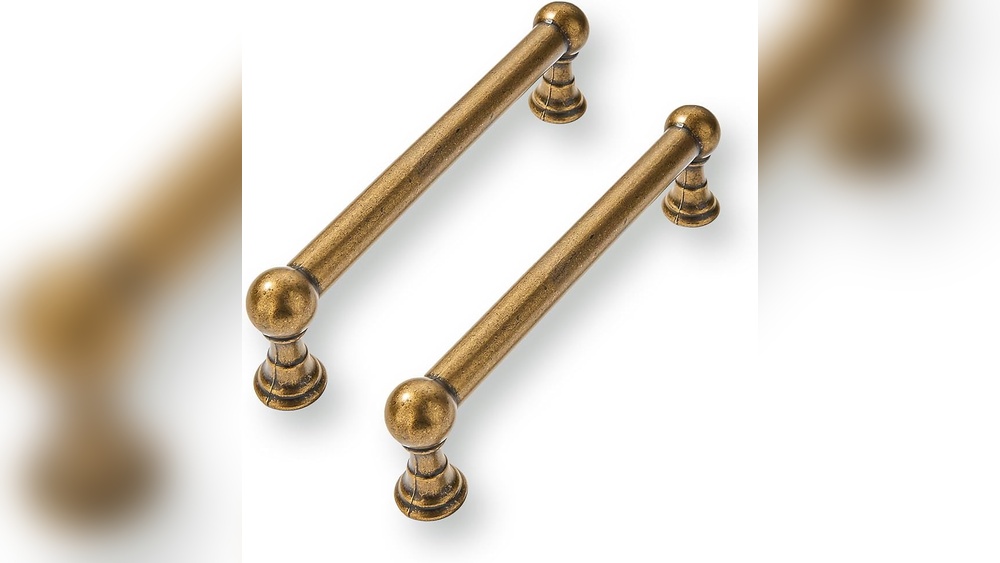
Brass hardware often comes with polished, brushed, or antique finishes. Polished brass shines brightly and looks classic. Brushed brass has a soft, matte surface. Antique brass shows a worn, vintage style. Zinc hardware offers matte, satin, or textured finishes. Satin zinc has a smooth, subtle shine. Textured zinc adds a rugged, industrial feel.
Aging And Patina
Brass develops a natural patina over time. This changes its color to darker, richer shades. Patina gives brass a vintage, unique look. Zinc does not age like brass. It keeps its original finish longer. Zinc hardware may show small scratches but resists rust well.
Cost Comparison
Comparing the cost of brass and zinc cabinet hardware is important. It helps you choose the right material for your budget. Both materials vary in price and value. Understanding these differences can save money and ensure satisfaction.
Price Differences
Brass hardware usually costs more than zinc. Brass is a natural metal, which makes it pricier. Zinc is a metal alloy and is cheaper to produce. This leads to a lower price for zinc hardware. The price gap depends on design, size, and finish. Simple zinc pieces can be very affordable. Brass pieces often come with a higher price tag due to their material and look.
Value For Money
Brass hardware lasts longer and resists corrosion well. Its durability can justify the higher price. Brass also adds a classic, elegant look to cabinets. Zinc hardware is less durable but still strong. It suits modern styles and offers flexibility in design. Zinc can be a better choice for budget projects. The value depends on your needs and how long you want the hardware to last.
Corrosion Resistance
Corrosion resistance is a key factor in choosing cabinet hardware. It affects how long the hardware looks good and works well. Brass and zinc handle corrosion in different ways. Understanding these differences helps in picking the right material for your cabinets.
Brass Resistance
Brass is an alloy made mainly of copper and zinc. Copper makes brass naturally resistant to corrosion. It does not rust like iron or steel. Instead, it forms a protective layer called patina. This layer stops further damage and gives a vintage look over time. Brass works well in moist environments like kitchens and bathrooms.
Zinc Resistance
Zinc is a metal that resists corrosion by forming a thin protective coating. This coating prevents air and water from reaching the metal underneath. Zinc hardware often comes with extra coatings like chrome or nickel. These coatings improve its ability to resist rust and stains. Zinc may not last as long as brass in very wet areas.
Maintenance Needs
Brass hardware needs regular cleaning to keep its shine. Use mild soap and water, then dry it well. Avoid harsh chemicals that can damage the patina. Zinc hardware also requires cleaning to prevent buildup. Wipe with a soft cloth and mild cleaner. Both materials benefit from gentle care to extend their life.
Weight And Feel
The weight and feel of cabinet hardware impact both use and style. These factors help decide which material fits your needs. Brass and zinc differ a lot in weight. This affects how sturdy and solid the hardware feels. Understanding these differences helps you pick the right option for your cabinets.
Heaviness Of Brass
Brass hardware feels heavy and solid in your hand. This weight gives a sense of quality and durability. It often feels more luxurious because of its dense metal. Heavy hardware can add a rich, classic touch to your cabinets. The weight also means brass is less likely to bend or break over time.
Lightness Of Zinc
Zinc hardware is much lighter than brass. It feels easier to handle and install. This lightness makes zinc a good choice for large or numerous pieces. It does not weigh down cabinet doors or drawers. Zinc’s lighter feel can match modern and casual styles well.

Credit: www.amazon.com
Manufacturing Process
The manufacturing process shapes the quality and look of cabinet hardware. Brass and zinc use different methods to create strong, durable pieces. These methods affect the finish, strength, and cost of the hardware.
Casting Techniques
Brass hardware often uses sand casting or investment casting. These methods allow detailed shapes and smooth finishes. Sand casting is common for large or simple parts. Investment casting creates fine details and smooth surfaces.
Zinc hardware mainly uses die casting. This method forces molten zinc into molds quickly. Die casting works well for mass production. It creates consistent shapes with fine details. Zinc’s lower melting point makes die casting easier and faster.
Machining Differences
Brass is softer and easier to machine than zinc. It allows precise cuts and smooth edges. Machining brass needs less force and causes less tool wear.
Zinc is harder and more brittle. It needs careful machining to avoid cracks. Zinc hardware often requires less machining after casting because die casting shapes it well.
Environmental Impact
The environmental impact of cabinet hardware is an important factor. Brass and zinc differ in how they affect the planet. Choosing materials that reduce waste and pollution helps protect nature. This section explains how brass and zinc compare in terms of recyclability and sustainability.
Recyclability
Both brass and zinc are metals that can be recycled. Brass is an alloy made from copper and zinc. This makes brass easy to melt and reuse multiple times. Recycling brass saves energy and reduces mining for new metal. Zinc is also recyclable and often collected from old products. Recycling zinc helps lower the pollution caused by mining. Overall, both metals have good recycling potential, but brass recycling is more common worldwide.
Sustainability Factors
Brass production requires mining copper and zinc. Mining can harm soil, water, and air quality. Zinc mining also impacts the environment but usually less than copper mining. Zinc is lighter and needs less energy to produce than brass. This means zinc hardware may have a smaller carbon footprint. Brass hardware lasts longer and resists corrosion well. This durability can reduce the need for replacements. Choosing hardware with a long life supports sustainability by cutting waste.
Credit: www.homedepot.com
Best Uses For Each Metal
Choosing the right metal for cabinet hardware affects both style and durability. Brass and zinc each offer unique benefits. Knowing their best uses helps pick the perfect fit for your space.
Ideal Applications For Brass
Brass suits classic and elegant interior designs. It has a warm, golden color that adds luxury to kitchens and bathrooms. Brass handles and knobs resist corrosion, making them great for humid areas. This metal ages well, developing a natural patina over time. Use brass hardware to enhance vintage or traditional furniture. It also works well in homes with a lot of wood tones. Brass is strong enough for frequent use without losing its shine.
Ideal Applications For Zinc
Zinc is ideal for modern and budget-friendly projects. It offers a wide range of finishes, from matte to shiny. Zinc hardware fits well with minimalist and industrial styles. This metal resists rust, so it works in damp environments. Zinc is lighter than brass, making it easier to install. It is a practical choice for cabinets that need simple, durable hardware. Zinc also blends well with painted or laminate surfaces. Choose zinc for contemporary homes or rental properties.
Frequently Asked Questions
What Are The Main Differences Between Brass And Zinc Hardware?
Brass is an alloy of copper and zinc, known for its durability and classic look. Zinc hardware is lighter and more cost-effective but less durable. Brass offers better corrosion resistance, while zinc is easier to mold into intricate shapes.
Which Is More Durable: Brass Or Zinc Hardware?
Brass hardware is generally more durable and resistant to wear. Zinc hardware can corrode faster, especially in humid environments. For long-lasting cabinet hardware, brass is the preferred choice due to its strength and corrosion resistance.
Is Brass Hardware More Expensive Than Zinc?
Yes, brass hardware tends to be pricier because of its material quality and durability. Zinc is cheaper and widely used for budget-friendly options. The cost difference reflects brass’s longer lifespan and premium appearance.
How Do Brass And Zinc Hardware Differ In Appearance?
Brass has a warm, golden hue with a polished finish. Zinc hardware often has a silver or matte finish. Brass ages gracefully with a patina, while zinc may dull or show wear over time.
Conclusion
Brass and zinc cabinet hardware both have unique qualities. Brass offers a classic, warm look and resists corrosion well. Zinc is affordable, lightweight, and easy to shape into designs. Choosing depends on your budget, style, and durability needs. Both materials can enhance your cabinets nicely.
Think about how often you use your cabinets. That helps decide which material suits you best. Either way, good hardware improves your space’s appearance and function. Simple choices, clear differences. Now you know what sets brass and zinc apart.