Are you stuck wondering what to use instead of a brass fastener? Whether you’re working on a craft project, organizing papers, or fixing something around the house, finding the right alternative can save you time and frustration.
You want a solution that’s easy, reliable, and fits your needs perfectly. You’ll discover simple and effective options that can replace brass fasteners without compromising on style or function. Keep reading, and you’ll find the perfect fix for your project right now.

Credit: www.knifekits.com
Common Brass Fastener Uses
Brass fasteners serve many purposes in different projects. Their strength and resistance to corrosion make them popular in crafts and office work. They hold papers, fabrics, and light materials together. Their shiny appearance also adds a decorative touch to items. Knowing where brass fasteners work best helps find good alternatives.
Office And School Projects
Brass fasteners often bind papers in schools and offices. They keep documents organized without damage. Teachers use them for reports and student projects. They also hold together charts or presentations. Their ease of use and reusability make them handy here.
Craft And Diy Projects
Crafters use brass fasteners to join paper, cardboard, and thin wood. Their small size fits well in delicate designs. They allow parts to move, like in paper dolls or models. Their bright color enhances the look of handmade items. Brass fasteners add both function and style.
Light Fabric And Leather Work
In light sewing or leather crafts, brass fasteners act as closures or decorative elements. They hold pieces without sewing or gluing. They are strong enough for small items like wallets or bags. Their rust resistance keeps the materials safe. Brass fasteners provide a neat finish.
Limitations Of Brass Fasteners
Brass fasteners have been popular in crafts and office use for a long time. They hold papers and materials together with ease. Yet, brass fasteners come with limits that can affect their use. Understanding these limits helps you pick better alternatives.
Durability Issues
Brass fasteners can wear out quickly under stress. They bend or break with heavy use. This makes them less ideal for projects needing strong, long-lasting fasteners.
Corrosion Concerns
Brass can corrode when exposed to moisture. Rust or green patina may form over time. This affects the look and function of the fastener.
Size Limitations
Brass fasteners come in limited sizes. This restricts their use on thicker materials. Large or heavy projects may require bigger, stronger fasteners.
Cost Factors
Brass fasteners can be more expensive than alternatives. This adds up in large quantities. Budget-friendly options are often preferred for big projects.
Steel Fasteners For Strength
Steel fasteners offer a strong and reliable alternative to brass fasteners. They provide excellent durability and hold materials tightly together. Steel fasteners suit many projects where strength is a priority. They resist bending and breaking under pressure. Different types of steel fasteners fit various needs and environments.
Stainless Steel Options
Stainless steel fasteners resist rust and corrosion. They work well in wet or humid areas. These fasteners keep their strength over time. Stainless steel looks clean and shiny, too. It requires little maintenance and lasts long. Choose stainless steel fasteners for outdoor or kitchen use.
Carbon Steel Benefits
Carbon steel fasteners are strong and affordable. They handle heavy loads without bending. These fasteners work well in dry, indoor settings. Carbon steel fasteners can be coated to resist rust. They offer excellent grip and durability. Use carbon steel fasteners for tough, everyday tasks.
Aluminum Fasteners For Lightweight Needs
Aluminum fasteners serve as a strong alternative to brass fasteners for lightweight projects. They offer good strength while keeping the overall weight low. This makes aluminum fasteners ideal for many uses in crafts, light machinery, and home projects.
These fasteners resist rust and corrosion better than brass in some conditions. They are also easier to recycle, making them a good choice for eco-friendly projects. Aluminum fasteners come in many shapes and sizes to fit different needs.
Lightweight And Strong
Aluminum fasteners provide a balance of light weight and strength. They hold parts firmly without adding much weight. This is important for items that need to be easy to carry or move.
Corrosion Resistance
Aluminum does not rust like steel or corrode like some metals. It keeps its look and function even in damp places. This helps your project last longer without damage.
Easy To Work With
Aluminum fasteners are simple to cut, shape, and install. They do not require special tools or skills. This makes them perfect for beginners and quick projects.
Cost-effective Choice
Aluminum fasteners often cost less than brass. They offer good value for many types of projects. You can save money without losing quality or durability.
Plastic Fasteners For Corrosion Resistance
Plastic fasteners offer a reliable alternative to brass fasteners, especially in environments prone to moisture. They resist rust and corrosion much better than metal options. This makes them ideal for outdoor or humid settings.
These fasteners come in many shapes and sizes. They are lightweight, which reduces strain on joined materials. Plastic fasteners also provide good electrical insulation, useful in electronic assemblies.
Benefits Of Plastic Fasteners
Plastic fasteners do not rust or corrode. They last longer in wet or salty air. Their non-metal nature prevents magnetic interference. This is important for sensitive equipment.
Common Types Of Plastic Fasteners
Popular types include nylon screws, rivets, and cable ties. Nylon fasteners are strong and flexible. Cable ties are easy to use and adjust. These types fit many assembly needs.
Applications For Plastic Fasteners
Plastic fasteners work well in marine, automotive, and electronics fields. They hold parts securely without damage. Their corrosion resistance helps maintain product quality over time.
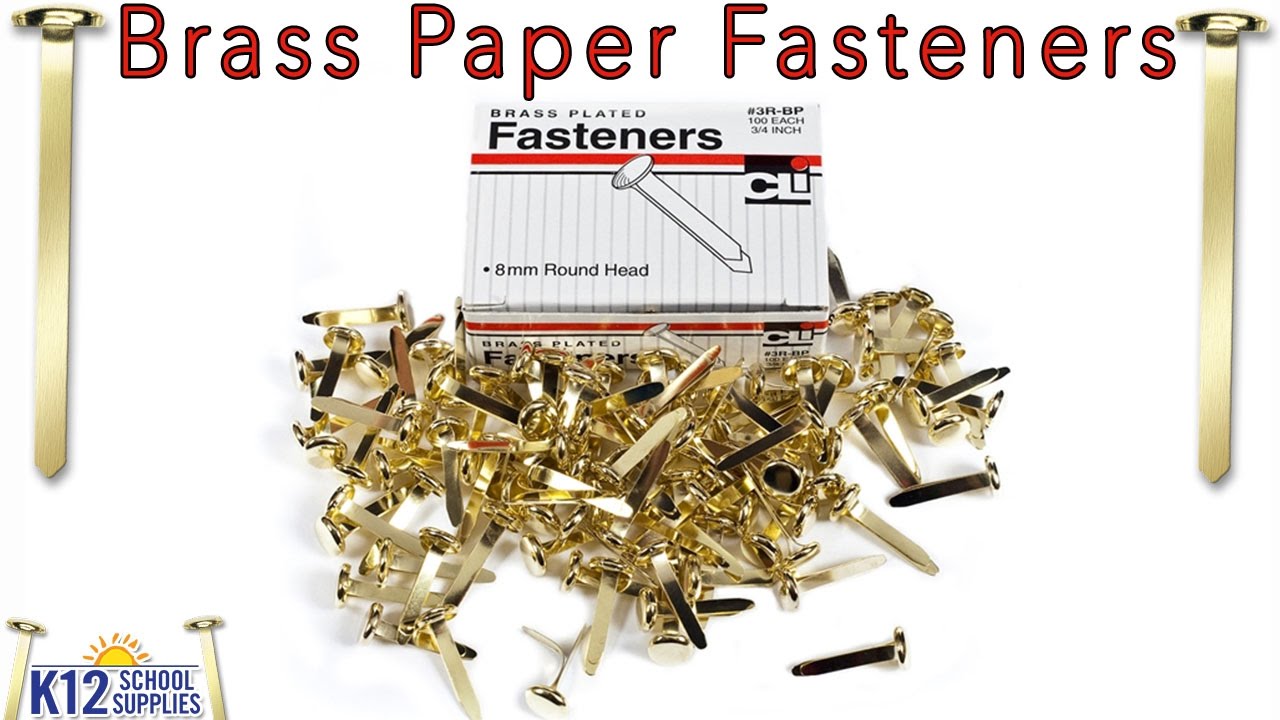
Credit: www.youtube.com
Copper Fasteners For Conductivity
Copper fasteners offer excellent electrical conductivity. This makes them ideal for projects needing good electrical flow. Copper transfers electricity better than many other metals.
Besides conductivity, copper fasteners resist corrosion. This keeps connections strong over time. They often last longer than brass in harsh conditions.
Copper Fasteners In Electrical Applications
Copper fasteners connect wires and components securely. Their high conductivity prevents power loss. This improves the efficiency of electrical systems.
Corrosion Resistance Of Copper Fasteners
Copper forms a protective layer when exposed to air. This layer stops rust and corrosion. Fasteners remain stable even in moist environments.
Durability And Strength
Copper fasteners provide good mechanical strength. They hold parts firmly without breaking easily. This makes them reliable for many uses.
Cost And Availability
Copper fasteners are often affordable and widely available. Their price is competitive with brass fasteners. Easy to find at most hardware stores.
Titanium Fasteners For High Durability
Titanium fasteners offer exceptional strength and durability. They serve as a reliable alternative to brass fasteners. Titanium can resist wear and corrosion better than many metals. This quality makes it ideal for demanding environments.
These fasteners maintain their shape under heavy stress. They are lightweight, which reduces overall weight in assemblies. This feature benefits industries like aerospace and automotive. Titanium fasteners also last longer, reducing maintenance needs.
Titanium Fasteners Resist Corrosion
Titanium forms a strong oxide layer. This layer protects against rust and corrosion. It works well in wet and salty conditions. Unlike brass, titanium does not tarnish over time. This means less cleaning and replacement.
High Strength-to-weight Ratio
Titanium fasteners are strong but light. They provide solid support without adding extra weight. This balance is crucial in aircraft and sports gear. It helps improve performance and fuel efficiency.
Temperature Resistance Of Titanium Fasteners
Titanium handles extreme temperatures well. It stays stable in both hot and cold environments. This makes it useful for engines and outdoor equipment. Brass fasteners may weaken or deform under heat.
Choosing The Right Alternative
Choosing the right alternative to a brass fastener depends on several factors. Consider what you need from the fastener in your project. Think about strength, appearance, and how it reacts to the environment. These points help narrow down the choices.
Matching Material To Application
Pick a fastener material that suits your project’s demands. For outdoor use, choose rust-resistant metals like stainless steel or aluminum. For lightweight needs, plastic fasteners work well. If strength is key, steel or copper alternatives may fit better. Match the material with where and how it will be used. This ensures the fastener lasts longer and performs well.
Cost Vs. Performance
Balance cost with what you need from the fastener. Brass may be pricey but offers good durability and look. Cheaper options like plastic save money but may not last as long. Mid-range metals like aluminum provide a good mix of price and strength. Think about how much use the fastener will get. Spend more only if the project requires it. This keeps the budget smart and results reliable.
Installation Tips For Different Fasteners
Choosing the right fastener is important for your project. Each fastener has its own way to install. Knowing how to install them can save time and avoid mistakes. This section shares simple tips for installing different fasteners. Follow these to get the best hold and neat finish.
Installing Paper Clips
Paper clips are easy to use. Slide the clip over the papers. Make sure it holds all sheets tightly. Avoid bending the clip too much. It can break or lose shape. Use a bigger clip for thicker stacks.
Using Binder Clips
Open the binder clip by squeezing the handles. Place it over the papers. Release the handles to close the clip. For thick papers, use a larger binder clip. Fold handles down to keep the clip flat.
Applying Split Pins
Insert the split pin through the hole. Push it until the head stops. Spread the two legs apart. Press the legs flat against the surface. This stops the pin from slipping out.
Securing With Rivets
Align the materials and punch a hole. Insert the rivet through the hole. Use a rivet tool to press and secure it. Check that the rivet holds tightly. Avoid over-tightening, which can damage materials.
Using Screws Instead
Choose the right screw size and type. Drill a small pilot hole first. Place the screw on the hole. Turn it slowly with a screwdriver. Stop when the screw is flush with the surface.

Credit: www.walmart.com
Frequently Asked Questions
What Are Common Alternatives To Brass Fasteners?
Common alternatives include paper clips, binder clips, plastic rivets, and split pins. These options work well for holding papers or light materials together. Choose based on durability, appearance, and reusability to match your project needs.
Can Plastic Fasteners Replace Brass Fasteners Effectively?
Yes, plastic fasteners can replace brass fasteners. They are lightweight, corrosion-resistant, and come in various colors. Plastic fasteners suit craft projects and documents where metal may cause damage or rust.
Are Paper Clips A Good Substitute For Brass Fasteners?
Paper clips are a quick, inexpensive substitute for brass fasteners. They hold papers together without puncturing. However, they lack durability for long-term use or thick stacks of paper.
When Should I Use Binder Clips Instead Of Brass Fasteners?
Use binder clips for thicker stacks or when easy removal is needed. They provide strong grip and reuse without damage. Binder clips are ideal for office or school documents needing frequent access.
Conclusion
Choosing the right alternative to a brass fastener depends on your project needs. Paper clips, binder clips, or staples work well for simple tasks. For a stronger hold, consider rivets or screws. Each option has its own benefits and uses.
Test a few to find what fits best. Using the right fastener keeps your work neat and secure. Simple tools can solve your fastening problems easily. Keep these alternatives in mind for your next project.