Have you ever struggled with buttons that won’t fasten or zippers that get stuck? Imagine a simple, quick, and reliable way to secure things without the hassle.
That’s exactly what hook and loop fasteners can do for you. Whether you’re fixing a broken strap, organizing cables, or creating DIY projects, these fasteners are incredibly handy. You’ll discover easy steps to use hook and loop fasteners like a pro.
Keep reading to unlock tips that will save you time and effort every day.
Credit: www.aplix.com
Types Of Hook And Loop Fasteners
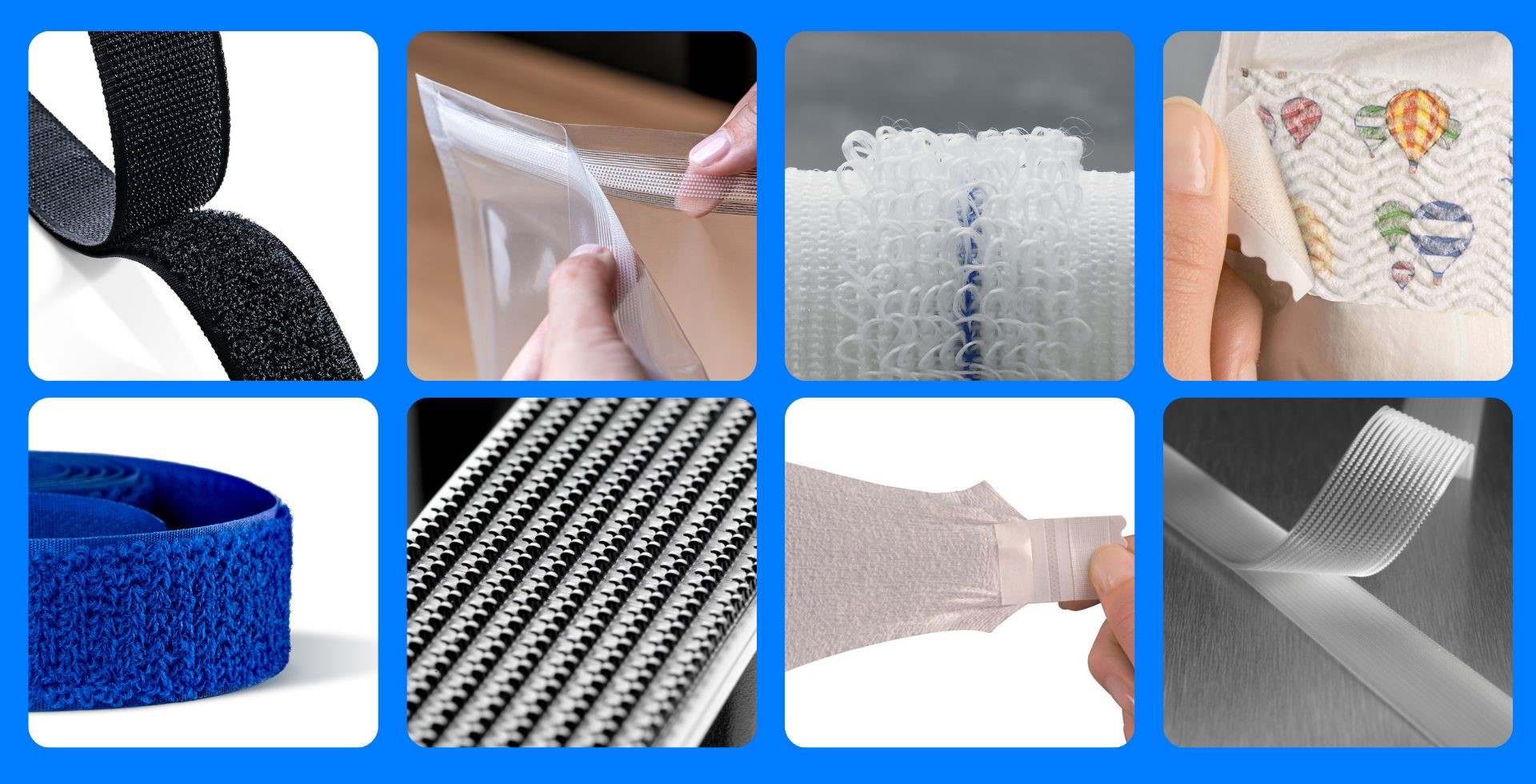
Hook and loop fasteners come in several types. Each type fits different needs and projects. Knowing these types helps you pick the right one. This guide explains the main varieties and some specialty options.
Common Varieties
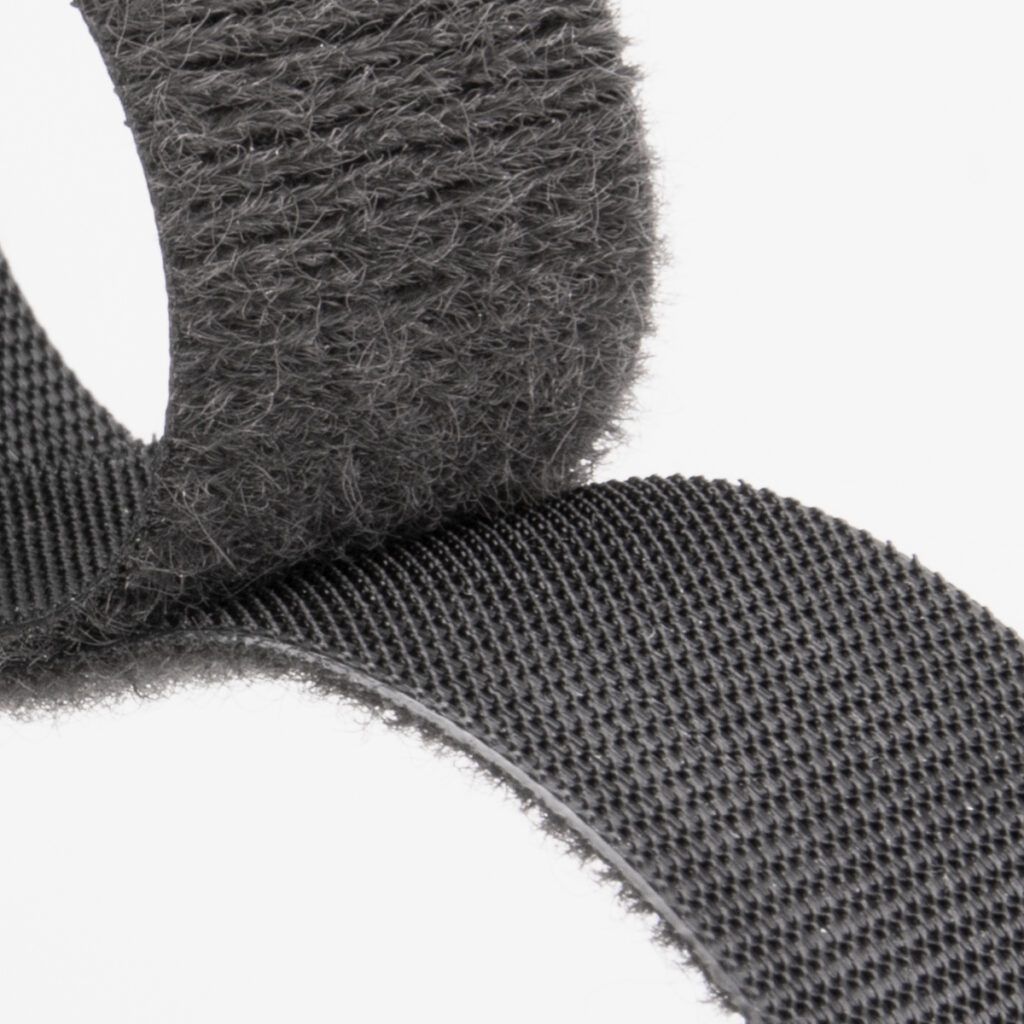
The most common type has a soft loop side and a rough hook side. These stick together firmly but can be separated easily. They come in strips, dots, or squares. This type works well for clothes, shoes, and home use.
Another popular kind is adhesive-backed fasteners. These stick to surfaces without sewing or gluing. They are perfect for quick fixes and crafts. You can cut them to any size or shape.
Some hook and loop fasteners have a sew-on backing. These are strong and made for heavy use. You find them on sports gear, bags, and uniforms. Sewing ensures they stay attached for a long time.
Specialty Fasteners
Specialty fasteners serve unique purposes. One type is water-resistant hook and loop. It works well outdoors and in wet conditions. The materials resist moisture and dry quickly.
Another type offers extra strength. These fasteners hold heavier items securely. They are common in industrial and military gear. Their strong grip makes them reliable for tough jobs.
There are also low-profile fasteners. They have thinner hooks and loops. These fasteners look neat and stay hidden. They suit applications where appearance matters, like fashion or electronics.
Credit: www.velcro.com
Choosing The Right Fastener
Choosing the right hook and loop fastener is key for a strong and lasting hold. The correct fastener fits the material and use perfectly. This helps avoid damage and ensures easy use. Consider several important factors before picking one.
Material Compatibility
Match the fastener to the material you want to join. Soft fabrics need gentle hooks to prevent tearing. Hard surfaces can handle stronger hooks. Some fasteners work well on plastic, metal, or wood. Check product labels for suitable materials. Proper pairing keeps the fastener secure and safe.
Strength And Durability
Think about how much weight the fastener must hold. Light fasteners suit small items like clothing or crafts. Heavy-duty fasteners fit larger, heavier objects. Choose fasteners that last through repeated use. Quality matters for long-lasting strength. Avoid fasteners that wear out quickly or lose grip.
Size And Shape Options
Fasteners come in many sizes and shapes. Small strips work for delicate or narrow areas. Wide strips give extra strength for bigger jobs. Some fasteners have curved edges for smooth looks. Others have square ends for a firm hold. Pick the size and shape that fit your project best.
Preparing Surfaces For Application
Preparing surfaces for hook and loop fasteners is a key step. Clean, dry, and suitable surfaces ensure strong adhesion. Skipping preparation may cause the fasteners to fall off easily. Proper surface prep saves time and effort later.
Cleaning And Drying
Start by removing dirt, dust, and grease from the surface. Use a mild soap and water solution or rubbing alcohol. Avoid oily or sticky cleaners that leave residue behind. Let the surface dry completely before applying the fastener. Moisture weakens the adhesive and reduces sticking power.
Surface Types
Smooth, non-porous surfaces work best for hook and loop fasteners. Plastic, metal, glass, and finished wood hold the adhesive well. Rough or porous surfaces like fabric or unpainted wood need extra care. Sand or seal rough surfaces to create a smooth layer. This helps the fastener stick longer and hold better.
Applying Hook And Loop Fasteners
Applying hook and loop fasteners is simple and quick. These fasteners hold items firmly but allow easy opening. Choosing the right method helps the fasteners last longer and work better. Different ways suit different materials and uses. Below are common ways to apply hook and loop fasteners.
Peel-and-stick Method
This method uses a sticky backing on the fastener. Just peel off the protective layer. Press the fastener firmly onto a clean, dry surface. Hold it for a few seconds. The stickiness bonds the fastener to the surface. Best for smooth and flat materials like plastic or metal. Avoid using on rough or dusty surfaces. The bond may weaken over time with heavy use.
Sewing Techniques
Sewing hook and loop fasteners is strong and durable. Use a needle and thread or a sewing machine. Stitch around the edges of the fastener. Choose thread color to match the fabric. Stitch closely to keep the fastener secure. This method suits clothing, bags, and soft items. Sewing adds strength, especially for items under stress.
Using Adhesive
Adhesive glues can attach hook and loop fasteners. Use fabric glue or hot glue for fabric surfaces. Apply glue evenly on the back of the fastener. Press it onto the fabric and hold firmly. Let the glue dry as per instructions. This method works well for fabrics that cannot be sewn. Avoid excess glue to prevent stiffness or mess.
Tips For Secure Attachment
Securing hook and loop fasteners properly ensures they hold tight and last longer. Simple steps help you attach them correctly every time. Follow these tips for a firm, reliable bond that won’t slip.
Proper Alignment
Place the hook and loop sides exactly opposite each other. Check that both parts cover the same area fully. Misalignment weakens the grip and causes quick wear. Straight placement helps the fastener work at its best.
Pressure Application
Press the fastener firmly after aligning. Use your hand or a flat tool to apply even pressure. This action connects the hooks and loops deeply. Light pressing can cause the fastener to detach too soon.
Curing Time
Let the fastener sit for a few minutes after pressing. This pause allows the bond to strengthen fully. Avoid pulling or moving the fastener right away. A short wait improves attachment durability significantly.
Common Uses And Fixes
Hook and loop fasteners are simple but very useful. They stick two surfaces together and can be opened easily. Many people use them every day without thinking about how handy they are. These fasteners help fix things quickly and keep items organized. They work well on many materials and in many places.
Below are common ways to use hook and loop fasteners. Each use shows how these fasteners save time and effort.
Clothing And Accessories
Hook and loop fasteners are popular in clothing. They replace buttons and zippers in many cases. Kids’ shoes often use them for easy wearing. Jackets and gloves also use hook and loop for quick closing. Accessories like hats and bags use these fasteners to hold parts together. They provide a strong hold but open easily when needed.
Home Organization
These fasteners help keep homes tidy. Use them to secure cushions on chairs. They hold rugs in place to stop slipping. Fasten cables and cords to walls or desks. Attach small tools or remote controls to surfaces. They make rearranging items simple. Removing or moving objects does not damage walls or furniture.
Electronics And Cables
Hook and loop fasteners are great for managing cables. They keep wires neat and prevent tangles. Use them to bundle charger cords, earphones, and computer cables. This reduces clutter and makes cleaning easier. Fasteners also hold small electronic devices in place. They protect devices from slipping or falling during use.
Maintenance And Care
Proper maintenance and care keep hook and loop fasteners working well. Dirty or worn fasteners lose grip and become less useful. Taking time to clean and care for them saves money and effort. It also keeps your items secure and neat.
Cleaning Hook And Loop Fasteners
Remove dirt, dust, and lint from fasteners regularly. Use a soft brush or tweezers to pull out debris. A clean fastener sticks better and lasts longer. Avoid using water or harsh chemicals that can damage the material. For stubborn dirt, gently wipe with a damp cloth and let dry fully.
Extending Fastener Life
Close hook and loop fasteners before washing clothes or gear. This stops them from catching on other fabrics. Store items with fasteners closed to keep hooks and loops aligned. Avoid exposing fasteners to high heat or direct sunlight for long periods. Inspect fasteners often and replace them if hooks or loops wear out.
Troubleshooting Issues
Troubleshooting hook and loop fasteners helps keep them working well. Problems can happen over time or from wrong use. Fixing these issues saves money and effort.
Weak Adhesion
Weak adhesion means the fastener does not stick well. Dirt or dust on the surface can cause this. Clean both sides with a soft cloth. Press firmly to attach the fastener. Check the surface is dry before applying.
Loss Of Grip
Loss of grip happens when the hooks or loops wear out. This reduces the holding power of the fastener. Gently remove debris stuck in the hooks or loops. Use a fine comb or brush for cleaning. Avoid pulling too hard to prevent damage.
Replacing Fasteners
Replace fasteners if cleaning does not help. Peel off the old fastener carefully. Use new hook and loop strips of the correct size. Press the new fastener firmly onto a clean surface. Test the grip before regular use.

Credit: www.3m.com
Frequently Asked Questions
What Are Hook And Loop Fasteners Used For?
Hook and loop fasteners secure items quickly and easily. They’re ideal for clothing, bags, cables, and home decor. Their reusable nature makes them perfect for temporary or adjustable fastening needs.
How Do You Attach Hook And Loop Fasteners?
Clean the surface before applying. Peel the backing from the adhesive side. Press firmly on the fabric or surface. Allow time for the adhesive to bond securely before use.
Can Hook And Loop Fasteners Be Washed?
Yes, most hook and loop fasteners are washable. Use gentle cycles and mild detergents. Avoid high heat drying to maintain adhesive strength and fabric integrity.
Are Hook And Loop Fasteners Reusable?
Yes, they are reusable many times. The hook and loop mechanism allows repeated opening and closing without losing grip. Proper care extends their lifespan significantly.
Conclusion
Hook and loop fasteners offer simple, strong, and reusable solutions. You can use them for clothes, crafts, and home fixes. They stick well and peel off easily. Always clean surfaces before applying for best hold. Cut to size for any project you have.
These fasteners save time and effort every day. Try them out and see how handy they become. Small steps bring big help in organizing and fixing. Easy to use and reliable, they fit many needs.