Have you ever wondered how materials like wood, cardboard, or metal stay firmly connected without bulky screws or nails? Corrugated fasteners might be the secret behind those strong, hidden joints you’ve seen.
If you’re looking for a simple yet powerful way to join materials securely, understanding what corrugated fasteners are used for can change the way you approach your projects. Keep reading, and you’ll discover how these clever tools can make your work stronger, cleaner, and more efficient.
Types Of Corrugated Fasteners
Corrugated fasteners come in different types, each designed for specific uses. Choosing the right type ensures strong and lasting connections. These fasteners work well with corrugated materials like metal, plastic, and cardboard. Below are the main types of corrugated fasteners commonly used in construction and packaging.
Nails
Nails are simple and effective fasteners. They hold corrugated sheets tightly in place. Their sharp ends penetrate surfaces easily. Nails are quick to install and cost-effective. They work best for wood and thin metal sheets. Galvanized nails resist rust and last longer outdoors.
Screws
Screws provide a stronger grip than nails. They have threads that dig into materials deeply. Screws are ideal for heavy-duty corrugated panels. They hold well against wind and vibration. Using screws reduces the chance of fasteners loosening over time. Some screws have special heads for better sealing.
Staples
Staples offer fast and easy fastening. They work well for lightweight corrugated materials. Staples keep sheets flat and secure without damaging them. Commonly used in packaging and craft projects. Staple guns speed up the fastening process. They are less strong than nails or screws but perfect for temporary holds.
Fastening In Construction
Corrugated fasteners play a key role in construction projects. They hold materials together firmly and ensure stability. Builders rely on these fasteners to support various parts of a structure. The unique design of corrugated fasteners helps them grip surfaces tightly. This makes them ideal for different fastening tasks on sites.
Roofing Applications
Corrugated fasteners secure roofing sheets to the frame. They prevent wind and rain from lifting the roof materials. These fasteners fit well with metal or wooden roof panels. Their strong grip stops any slipping or shifting over time. Using them means a roof stays durable and safe.
Wall Panel Attachment
Wall panels need firm attachment to the building frame. Corrugated fasteners hold panels in place against strong winds. They are easy to install and provide a tight hold. These fasteners help keep walls stable and aligned. Builders trust them to support both interior and exterior panels.
Flooring Support
Floors require reliable fastening to avoid movement. Corrugated fasteners secure floorboards or panels to joists. They help keep the floor level and solid underfoot. These fasteners reduce noise from loose boards. They ensure a safe, long-lasting flooring structure.
Industrial Uses
Corrugated fasteners play a vital role in many industrial settings. They hold parts together securely and add strength. Their design helps join materials without damage. These fasteners work well with metals and heavy-duty materials. Industries rely on them for reliable, long-lasting connections.
Packaging Reinforcement
Corrugated fasteners strengthen packaging for heavy or sharp items. They prevent boxes from breaking or bending. This keeps products safe during shipping and storage. Factories use them to seal large cartons tightly. They provide extra support to protect valuable goods.
Machine Assembly
In machine assembly, corrugated fasteners join metal parts firmly. They hold panels and frames without slipping. These fasteners reduce the need for welding or screws. They save time and make machines easier to repair. Many manufacturers trust them for secure connections.
Metal Fabrication
Metal fabricators use corrugated fasteners to connect sheets and components. The fasteners hold metal pieces without causing cracks. They allow for flexible yet strong joints. This helps create durable products like cabinets and enclosures. Their design suits various metal thicknesses and types.

Credit: www.ironwirenails.com
Benefits Of Corrugated Fasteners
Corrugated fasteners offer many benefits that make them popular in construction and woodworking. They provide strong holds and last a long time. These fasteners save time and money during projects. Their unique design fits well with different materials.
Strength And Durability
Corrugated fasteners hold materials tightly together. Their wavy shape increases grip on wood and other surfaces. They resist loosening over time, even with movement or pressure. This makes structures safer and more reliable. They work well in both indoor and outdoor projects.
Ease Of Installation
These fasteners are simple to install. Their shape helps them slide into materials easily. No special tools or skills are needed. This saves effort and speeds up work. Beginners and experts both find them easy to use.
Cost Efficiency
Corrugated fasteners cost less than many other fasteners. Their durability reduces the need for repairs and replacements. This lowers long-term expenses for builders and homeowners. Using them means finishing projects faster and spending less money.
Material Compatibility
Corrugated fasteners work well with different materials. Their design allows strong, reliable connections. Knowing which materials suit these fasteners helps in choosing the right one. These fasteners hold parts firmly without causing damage. Understanding material compatibility ensures long-lasting results.
Wood
Corrugated fasteners attach wood pieces quickly and firmly. They grip wood fibers without splitting the material. These fasteners are ideal for wooden furniture and frames. They hold wood layers tightly for strong joints. They perform well with soft and hard woods.
Metal
Corrugated fasteners can join thin metal sheets. They provide a secure grip without bending the metal. These fasteners resist rust when used on metal surfaces. They work well in roofing and metal paneling. Their design spreads pressure evenly on metal parts.
Plastic
Plastic parts need gentle but firm fastening. Corrugated fasteners hold plastic without cracking or breaking it. They fit well with rigid and semi-rigid plastics. These fasteners help in assembling plastic panels and housings. They create strong bonds without drilling holes.

Credit: mytoolkit.co.uk
Choosing The Right Fastener
Choosing the right corrugated fastener is key for strong, lasting connections. These fasteners come in various types, sizes, and materials. Each project needs a specific kind to hold materials firmly. Picking the wrong fastener can cause weak joints or damage.
Load Requirements
Check the weight and pressure the fastener must hold. Heavy loads need stronger fasteners made from tough materials. Light loads can use smaller or simpler fasteners. Knowing the load helps avoid failure or loosening over time.
Environmental Factors
Consider where the fastener will be used. Outdoor or wet locations need rust-resistant or coated fasteners. Indoor projects may not need special protection. High heat or chemicals can affect fastener choice too. Pick materials that survive the setting.
Fastener Size And Shape
Choose the right size to fit the materials. Too big may split wood or damage surfaces. Too small may not hold well. The shape also matters for grip and fit. Some fasteners have teeth or ridges for better hold in corrugated materials.

Credit: www.astor.co.za
Frequently Asked Questions
What Are Corrugated Fasteners Used For?
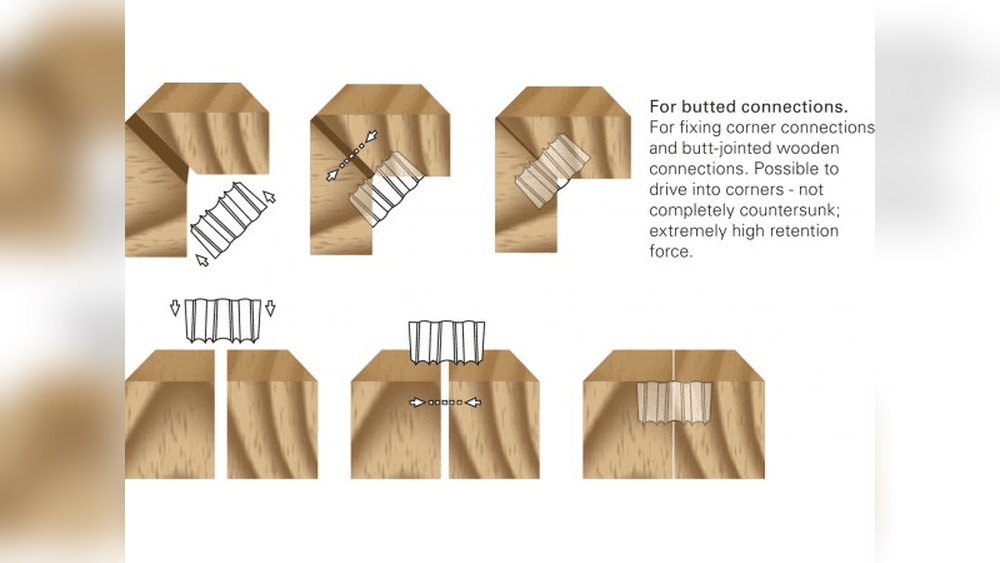
Corrugated fasteners join plywood or wood sheets in construction. They provide strong, hidden bonds without nails or screws. They improve structural stability and resist shear forces in wood assemblies effectively.
How Do Corrugated Fasteners Improve Wood Connections?
They create a mechanical interlock inside wood layers, increasing joint strength. This prevents separation under stress and enhances durability in wood panels and flooring.
Can Corrugated Fasteners Replace Nails And Screws?
Yes, they can replace traditional fasteners in many wood applications. They offer faster installation, cleaner appearance, and reduce wood splitting compared to nails or screws.
What Materials Work Best With Corrugated Fasteners?
Corrugated fasteners are ideal for plywood, laminated veneer lumber, and engineered wood. They work best in materials where glued joints need additional mechanical reinforcement.
Conclusion
Corrugated fasteners hold materials tightly and securely. They work well with wood, metal, and plastic. Builders and manufacturers trust them for strong joins. These fasteners help create sturdy furniture and packaging. Their simple design makes installation quick and easy. Choosing the right fastener improves product durability and safety.
Small but important parts in many construction projects. Understanding their uses helps in making better choices. They are practical tools in everyday building tasks.