Choosing the right screws and fasteners can feel confusing and frustrating. You might wonder: Which type will hold your project securely?
What size do you really need? Using the wrong fastener can weaken your work or cause costly mistakes. But don’t worry—this guide will help you cut through the guesswork. By the end, you’ll know exactly how to pick the perfect screws and fasteners for your needs, saving time, money, and headaches.
Keep reading to take control of your next project with confidence.
Types Of Screws And Fasteners
Screws and fasteners come in many types. Each type serves a different purpose. Choosing the right one is key to a strong hold. Understanding common types helps you pick the right fastener for your project.
Some screws work best with wood. Others suit metal or machines. Bolts and nuts provide heavy-duty support. Knowing each type’s features makes your job easier.
Wood Screws
Wood screws have coarse threads. These threads grip wood tightly. They have a sharp point to start easily. Wood screws come in different lengths and sizes. They keep wood pieces firmly joined.
Machine Screws
Machine screws have fine threads. They fit into pre-tapped holes or nuts. These screws often hold metal parts. They require a matching nut or threaded hole. Machine screws provide a precise and strong bond.
Sheet Metal Screws
Sheet metal screws are sharp and pointed. They cut threads into thin metal sheets. These screws can join metal to metal or metal to wood. Their threads are close together for a tight fit. They work well in thin materials.
Self-tapping Screws
Self-tapping screws create their own thread as they go. They save time by not needing a pre-drilled hole. Common in metal and plastic work. These screws have sharp cutting edges. They hold tightly without extra tools.
Bolts And Nuts
Bolts are strong and used with nuts. They pass through materials and secure with a nut. This combo offers high strength and easy removal. Bolts come in many sizes and grades. Nuts match bolt threads for a tight fit.
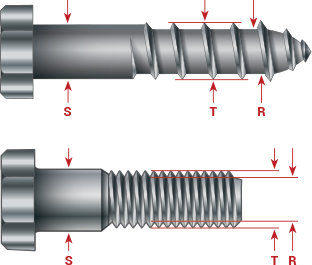
Credit: www.fastenersuperstore.com
Choosing The Right Material
Choosing the right material for screws and fasteners is important. It affects the strength and durability of your project. Different materials suit different environments and tasks. Consider factors like rust resistance, strength, and appearance. This helps you pick the best fastener for your needs.
Steel Fasteners
Steel is strong and cost-effective. It is widely used in construction and woodworking. Steel fasteners hold heavy loads well. They may rust if exposed to water. Use steel fasteners indoors or in dry places.
Stainless Steel Options
Stainless steel resists rust and corrosion. It is perfect for outdoor or wet environments. Stainless steel fasteners last longer in harsh conditions. They cost more but provide better protection. Ideal for marine, kitchen, or bathroom projects.
Brass And Copper
Brass and copper fasteners look attractive. They resist corrosion and conduct electricity. Often used in decorative or electrical work. They are softer than steel and less strong. Use brass or copper where style matters.
Plastic Fasteners
Plastic fasteners resist water and chemicals. They do not rust or conduct electricity. Plastic is lightweight but less strong than metal. Good for light-duty and non-structural uses. Choose plastic for electrical or moisture-prone areas.
Sizing Screws And Fasteners
Choosing the right size for screws and fasteners is key to a strong hold. The size affects how well the fastener fits and how much weight it can carry. Understanding the basic measurements helps to pick the best option for your project.
Length And Diameter
Length means how long the screw or fastener is from tip to head. It should be long enough to go through the materials and hold tightly. Diameter is the thickness of the screw’s body. A thicker screw is stronger but needs a bigger hole. Pick a length and diameter that match the materials you join.
Thread Count And Pitch
Thread count is the number of threads per inch on the screw. Pitch is the distance between each thread. More threads mean better grip in soft materials. Fewer threads work well in hard materials. Match thread count and pitch with the material type for a secure fit.
Drive Types
The drive type is the shape on the screw head where the screwdriver fits. Common types include Phillips, flathead, and Torx. Each type needs a matching driver tool. Choose a drive type that fits your tools and the job’s needs. A good fit prevents slipping and damage.

Credit: monsterbolts.com
Matching Fasteners To Materials
Selecting the right fastener depends heavily on the material you need to join. Each material has unique properties that affect how screws or fasteners grip and hold. Matching fasteners to materials ensures a strong, lasting connection and prevents damage.
Different materials require different fastener types, sizes, and coatings. Using the wrong fastener can cause splitting, rust, or weak joints. Knowing which fastener fits your project helps avoid these problems.
Wood Applications
Wood is soft and can split easily. Choose screws with coarse threads for better grip. Use wood screws designed to hold firmly without cracking the wood. Avoid screws with sharp threads that may damage soft wood.
For hardwood, harder screws with sharper tips work best. Consider screws with corrosion resistance for outdoor wood projects. Pre-drilling holes can prevent splitting in delicate wood.
Metal Projects
Metal requires strong, durable fasteners. Use machine screws or bolts with nuts for metal connections. Fasteners with fine threads fit tightly into metal holes. Choose stainless steel or coated screws to prevent rust.
Self-tapping screws work well for thin metal sheets. They cut their own thread as you screw in. For heavy metal parts, use bolts and washers for extra strength.
Plastic Components
Plastic is soft and can crack easily under pressure. Use screws with wide, shallow threads to reduce stress. Avoid overtightening to prevent plastic from breaking.
Special plastic screws have blunt tips and flexible threads. These fasteners spread the load evenly. For thin plastic, use small screws with washers to avoid pull-through.
Masonry Fixings
Masonry like brick and concrete is hard and brittle. Use anchors or plugs with screws for firm hold. Insert wall plugs into drilled holes before screwing.
Choose screws designed for masonry with corrosion-resistant coating. Hammer drive or sleeve anchors work well for heavy loads. Proper anchoring prevents loosening over time.
Load And Strength Considerations
Choosing the right screw fasteners depends on understanding the load and strength they must handle. Different projects require different levels of support. Knowing these factors helps prevent failures and keeps structures safe. Here, we focus on the key load and strength considerations for screws.
Shear Vs. Tensile Strength
Shear strength is the screw’s ability to resist forces that try to slide its parts. Tensile strength measures how much pulling force the screw can handle before breaking. Screws often face both forces, but some jobs need stronger shear resistance. Others need higher tensile strength. Select screws based on which force is stronger in your project.
Weight Capacity
Weight capacity tells how much load a screw can safely hold. It depends on the screw’s size, material, and thread design. Heavy objects need screws with a high weight rating. Lighter items require less strong fasteners. Always check the weight limits to avoid accidents or damage.
Safety Factors
Safety factors add a margin to the screw’s strength to prevent failure. Use screws rated higher than the expected load. This extra strength covers unexpected stresses and wear over time. A good safety factor ensures long-lasting and secure connections. Never use screws that just meet the minimum load.

Credit: www.youtube.com
Tools For Selecting Fasteners
Selecting the right fasteners requires the right tools. These tools help you measure, compare, and choose screws and bolts accurately. Using proper tools reduces mistakes and saves time. It also ensures your project stays strong and safe.
Measuring Instruments
Measuring tools help find the exact size of screws and holes. A caliper measures diameter and length precisely. A tape measure works for bigger parts. A thread gauge checks the thread size and pitch. These tools avoid guesswork and ensure the fastener fits well.
Fastener Charts And Guides
Fastener charts list sizes, types, and uses. They show diameter, length, and thread details. Guides explain which fastener suits different materials. These printed or digital charts save time. They help choose the right fastener quickly.
Online Selection Tools
Many websites offer fastener selection tools. Enter your project details to get recommendations. These tools compare size, strength, and material. They help find fasteners suited to your needs. Online tools are easy and fast to use.
Common Mistakes To Avoid
Choosing the right screws and fasteners can be tricky. Many people make simple mistakes that cause problems later. Avoiding these errors saves time and effort. It also ensures your project is strong and safe.
Using Incorrect Sizes
Using screws that are too big or too small is a common mistake. Screws that are too large can split the material. Small screws might not hold parts together well. Always measure the thickness and type of material first. Then pick a screw size that fits securely without damage.
Ignoring Material Compatibility
Not all screws work with every material. Wood screws differ from metal screws. Plastic needs special fasteners too. Using the wrong type can cause poor grip or damage. Match the screw type to the material for strong joints. This prevents loosening and breakage over time.
Overlooking Corrosion Resistance
Some screws rust or weaken in certain environments. Outdoor projects need corrosion-resistant screws. Stainless steel or coated screws last longer outside. Ignoring this can cause fasteners to fail quickly. Choose screws that resist rust to keep your work durable and safe.
Tips For Installation
Choosing the right screws and fasteners is only part of the job. Proper installation ensures strength and durability. Follow these simple tips for a better hold and longer-lasting results. Simple steps can make a big difference in your project’s success.
Pre-drilling And Pilot Holes
Pre-drilling helps avoid wood splitting and cracking. Make a small pilot hole before driving the screw. This guides the screw and reduces pressure on the material. Use a drill bit slightly smaller than the screw’s diameter. It helps the screw go in smoothly and hold tightly.
Torque Settings
Set the right torque on your drill or screwdriver. Too much torque can strip the screw or damage the material. Too little torque can cause a loose fit. Start with a low setting and increase slowly. Stop once the screw feels tight and secure, but not forced.
Using Washers And Anchors
Washers spread the load and protect the surface from damage. Use washers with soft materials or thin surfaces. Anchors are useful for drywall or hollow walls. They give screws extra grip and prevent them from pulling out. Choose anchors based on wall type and screw size.
Frequently Asked Questions
What Factors Determine The Right Screw Fasteners?
The right screw fastener depends on material type, load requirements, and environmental conditions. Choose based on size, thread type, and corrosion resistance for durability and strength.
How Do I Choose Screw Size And Length?
Select screw size and length by matching material thickness and project needs. Ensure the screw penetrates adequately without protruding for secure fastening.
What Types Of Screw Threads Suit Different Materials?
Coarse threads work best for soft materials like wood. Fine threads suit metal or hard plastics for better grip and reduced damage.
When Should I Use Stainless Steel Fasteners?
Use stainless steel fasteners in moist or outdoor environments. They resist rust and corrosion, ensuring long-lasting strength and reliability.
Conclusion
Choosing the right screws and fasteners makes your project stronger. Think about the material you are working with first. Match the screw size and type to your needs. Consider the environment to avoid rust and damage. Proper fasteners save time and prevent repairs later.
Take your time to pick the best option. This helps your work last longer and look better. Small details matter a lot in any project. Use what you learned here to make smart choices. Your projects will thank you for it.