Are you ready to give your sewing projects a professional finish? Installing metal snaps can be tricky if you don’t have the right tools or know-how.
But with the Dritz Snap Fastener Kit, you can easily add strong, durable snaps to your clothing, bags, or crafts. In this guide, you’ll learn exactly how to install metal snaps step-by-step, saving you time and frustration. Keep reading to discover simple tips that will make your snaps look flawless every time!

Credit: www.youtube.com
Tools And Materials Needed
Before installing metal snaps, gather all the needed tools and materials. This step saves time and helps avoid mistakes. Having the right items ensures a smooth and easy process.
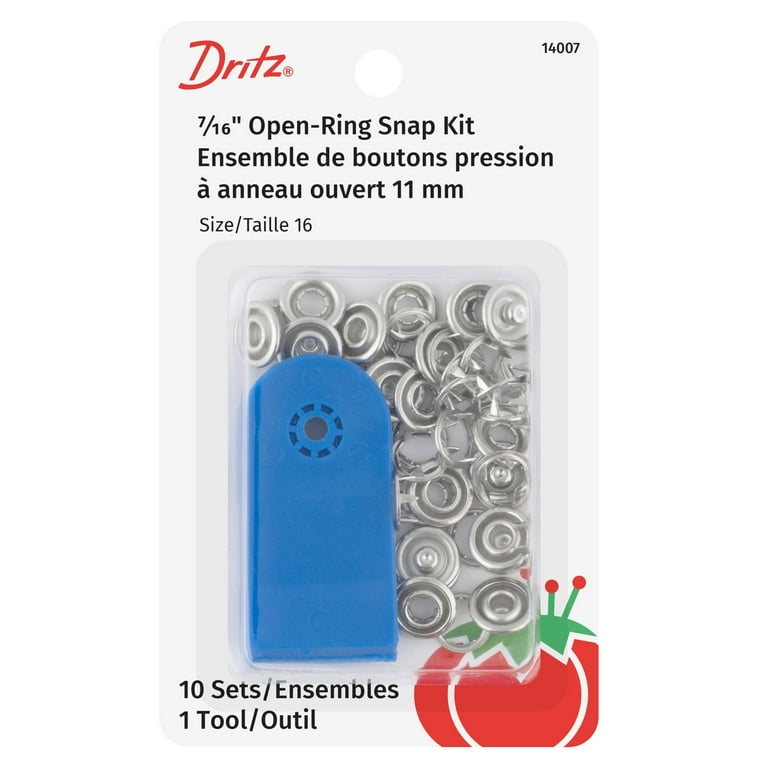
Dritz Snap Fastener Kit Contents
The Dritz Snap Fastener Kit includes metal snaps in two parts: the cap and the socket. It also has the post and the stud. Each snap set comes with enough pieces for several projects. The kit includes a setting tool to help attach the snaps.
Additional Tools Required
You will need a hammer to use with the setting tool. A small pair of scissors or fabric snips helps cut threads or fabric. A marking pencil or tailor’s chalk is useful for placing snaps precisely. A small ruler or measuring tape ensures correct spacing between snaps.
Choosing The Right Fabric
Choose fabric that can hold metal snaps firmly. Thick fabrics like denim, canvas, or leather work best. Thin fabrics may tear or not hold the snaps well. Test the snap on a fabric scrap first to check the fit and strength.
Credit: www.walmart.com
Preparing The Fabric
Preparing the fabric is the first step to installing metal snaps with the Dritz Snap Fastener Kit. Proper preparation ensures the snaps hold firmly and look neat. It helps prevent damage to the fabric and makes the installation easier. Follow these steps to get your fabric ready.
Marking Snap Placement
Decide where you want to place the snaps. Use a fabric pencil or chalk to mark the spots clearly. Measure the distance between snaps to keep them even. Mark both sides of the fabric where the snaps will connect. Accurate marks help the snaps align perfectly.
Reinforcing Fabric If Needed
Thin or stretchy fabrics may need extra support. Use small pieces of interfacing or fabric patches behind the snap area. Iron the interfacing on if it is fusible. Reinforcement stops the fabric from tearing under snap pressure. It also helps snaps stay secure longer.
Cutting Small Holes
Metal snaps require small holes to fit through the fabric. Use sharp scissors or a hole punch to make tiny cuts at the marked spots. Cut carefully to avoid making holes too big. The holes should be just large enough for the snap prongs to pass. Precise cuts keep the fabric neat and strong.
Setting Up The Snap Kit
Setting up the Dritz Snap Fastener Kit correctly is the first step for a smooth installation. This step helps you understand each piece and prepare your workspace. A neat setup saves time and avoids mistakes during the process. Let’s break down how to get started.
Identifying Snap Parts
The kit contains four main snap parts. These include the cap, socket, stud, and post. The cap has a smooth top and shows outside on your project. The socket fits under the cap and holds the stud. The stud clicks into the socket and connects the two fabric pieces. The post attaches the stud to the fabric. Knowing these parts helps you place them in the right order.
Arranging Tools For Use
Gather all tools before starting. You need the snap fastener kit, a hammer, and a hard surface like a wooden block. Lay out the snap parts in order. Keep the cap and socket on one side and the stud with the post on the other. This setup lets you work faster and avoid mixing parts. A clean, organized space helps you focus on each snap installation step.
Attaching The Snap Components
Attaching the snap components is the key step in using the Dritz Snap Fastener Kit. It holds your fabric pieces together firmly. This process requires careful placement and pressing to ensure a strong hold. Follow each step to attach the snaps correctly and avoid mistakes.
Installing The Cap And Socket
Start by placing the cap on the fabric’s front side. The cap has a smooth, rounded top. Next, align the socket piece on the back side of the fabric. The socket has a hollow center that will snap onto the stud later. Hold both pieces tightly against the fabric. This setup prepares them for secure attachment.
Securing The Stud And Post
Flip the fabric to the opposite side where the stud will attach. Position the post on the fabric’s front side. The post has small prongs to grip the fabric. Place the stud over the post on the back side. The stud looks like a small button. Both must line up well before pressing.
Using The Snap Setter Tool
Place the snap setter tool over the snap pieces. It helps press the snap parts firmly together. Use a hammer to tap the setter tool gently. Each tap pushes the prongs to lock the snap parts in place. Check the snap by pressing it closed and open. A secure snap will hold tight without slipping.
Testing And Adjustments
Testing and adjusting metal snaps is a key step after installation. This process ensures the snaps work smoothly and stay secure. Skipping this step can cause snaps to be loose or not line up. Take time to test each snap by closing and opening it several times. Feel how tight or loose it is. This will help you spot any issues early.
Checking Snap Alignment
Check if the snap parts line up perfectly. The top and bottom pieces should match without gaps. Misaligned snaps won’t close properly or might wear out fast. Place the snap parts close and press them together gently. Look closely for any sideways shifts. If the snaps look uneven, mark their positions for adjustment. Proper alignment makes snaps last longer and feel stronger.
Fixing Loose Or Misaligned Snaps
Loose snaps can fall off or open by mistake. Use the Dritz kit tools to tighten the snap caps carefully. Press firmly but avoid bending the metal. For misaligned snaps, remove and reposition the snap parts. Use the kit’s instructions to reset them in the right spot. Test again after fixing. Repeat adjustments until snaps close firmly and align well. This step improves durability and comfort.

Credit: spandexsimplified.com
Tips For Durable Snaps
Durable metal snaps hold your fabric securely and last long. Proper care and installation improve their strength and function. Follow simple tips to protect fabric and keep snaps working well.
Avoiding Fabric Damage
Choose the right fabric for metal snaps. Thin or delicate fabric can tear easily. Use a small piece of interfacing behind the snap area. This adds strength and protects the fabric.
Press the snap firmly but carefully. Avoid pushing too hard. Too much force can stretch or damage fabric fibers. Use the Dritz Snap Fastener Kit tools as directed. They help set snaps without harm.
Maintaining Snap Fasteners
Check snaps regularly for looseness or rust. Clean snaps with a soft cloth to remove dirt. Avoid water or chemicals that cause rust. Dry snaps immediately if they get wet.
Open and close snaps gently. Rough use can weaken their grip. Replace snaps that no longer close tightly. Proper maintenance keeps your snaps reliable and your fabric safe.
Frequently Asked Questions
What Tools Are Needed For Dritz Snap Fastener Installation?
You need the Dritz Snap Fastener Kit, a hammer, and a flat surface. These tools help secure snaps firmly and evenly.
How Do I Align Metal Snaps Correctly?
Place the snap parts on fabric layers carefully. Ensure both parts face each other to snap securely after installation.
Can I Use The Dritz Kit On Thick Fabric?
Yes, the kit works well with thick fabrics like denim and canvas. Just apply firm hammer strikes for proper attachment.
How Do I Prevent Fabric Damage During Snap Installation?
Use a sturdy surface and gentle hammer taps. Avoid excessive force to keep fabric intact while securing metal snaps.
Conclusion
Installing metal snaps with the Dritz Snap Fastener Kit is simple and quick. Just follow the steps carefully, and you will get strong, neat snaps every time. This kit works well for many fabrics and projects. Practice a little to build confidence and skill.
Soon, adding metal snaps will feel like second nature. Enjoy your finished work with durable, easy-to-use fasteners. Keep your tools handy for future sewing tasks. Snap installation has never been easier or more accessible. Give your clothes and crafts a professional touch today.