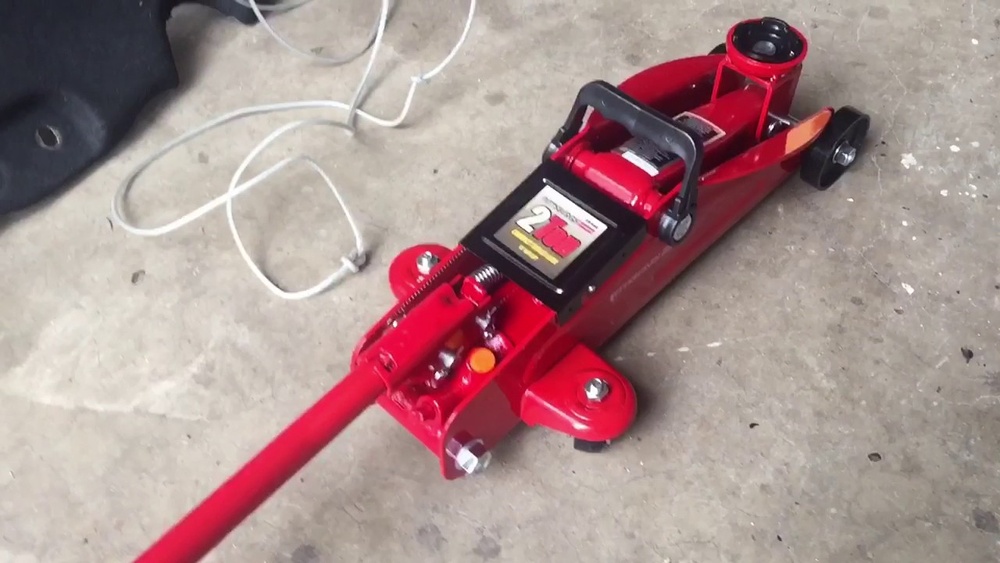
If your floor jack isn’t lifting like it used to, air trapped inside might be the problem. Getting air out of your floor jack is easier than you think, and it can save you time, money, and frustration.
In this guide, you’ll learn simple, step-by-step methods to fix this issue quickly. Keep reading to make sure your floor jack works smoothly every time you need it.

Credit: tiresupplynetwork.com
Signs Of Air In Floor Jack
Air trapped inside a floor jack can cause problems. It stops the jack from working smoothly. Knowing the signs of air in your floor jack helps you fix it fast. Watch for changes in how your jack feels and moves. These signs tell you air is inside and needs to be removed.
Reduced Lifting Power
The jack lifts less weight than before. It may struggle to raise the car. The lifting feels weak and slow. Air inside the jack reduces hydraulic pressure. This makes it hard for the jack to hold heavy loads.
Spongy Pump Handle
The pump handle feels soft or squishy. It does not feel firm or solid. This happens because air compresses when you pump. The usual strong resistance is missing. A spongy handle means air is trapped inside the jack’s system.
Slow Jack Movement
The jack moves up or down very slowly. It takes longer to lift or lower the load. Air bubbles inside the fluid slow the flow. This causes jerky or uneven movement. Smooth, fast action is replaced by sluggish motion.
Tools Needed For Air Removal
Removing air from a floor jack is important for smooth operation. Having the right tools helps make this task easier and safer. Below are the basic tools needed to remove air effectively.
Basic Hand Tools
A few simple hand tools are enough for air removal. A wrench or socket set fits the bleed valve on the jack. A small screwdriver may be needed to open the valve. A clean rag helps wipe away any fluid spills. A container to catch hydraulic fluid is useful to keep the area clean. These tools make the process quick and simple.
Protective Gear
Safety comes first when working with hydraulic fluid. Wear gloves to protect your hands from oil and dirt. Safety glasses guard your eyes from any fluid splashes. Old clothes or a work apron keep your clothes clean. Using protective gear reduces risk and keeps you comfortable during the job.
Step-by-step Air Removal Process
Removing air from a floor jack is important for smooth operation. Air inside the jack can cause it to feel spongy or weak. Follow this simple step-by-step process to get rid of the trapped air. Each step is easy and quick. This will help your jack work better and last longer.
Prepare The Jack
Place the floor jack on a flat, stable surface. Make sure the jack is clean and free of dirt. Close the release valve tightly. Pump the handle slowly several times to build pressure. Stop pumping once you feel resistance. This prepares the jack for air removal.
Locate The Bleed Valve
Find the bleed valve on the jack. It is usually near the release valve or on the main body. The valve might be a small screw or a knob. Use a flashlight if needed. Knowing where the valve is helps you release the trapped air safely.
Release The Air
Place a container or cloth under the bleed valve. Use a wrench or your hand to open the valve slowly. You will hear a hissing sound as the air escapes. Keep the valve open until fluid flows without air bubbles. Close the valve tightly to stop the flow.
Test The Jack
Pump the handle again to build pressure. Check if the jack lifts smoothly and feels firm. If it still feels spongy, repeat the air release process. Once the jack works well, clean any spilled fluid. Your floor jack is now ready for use.
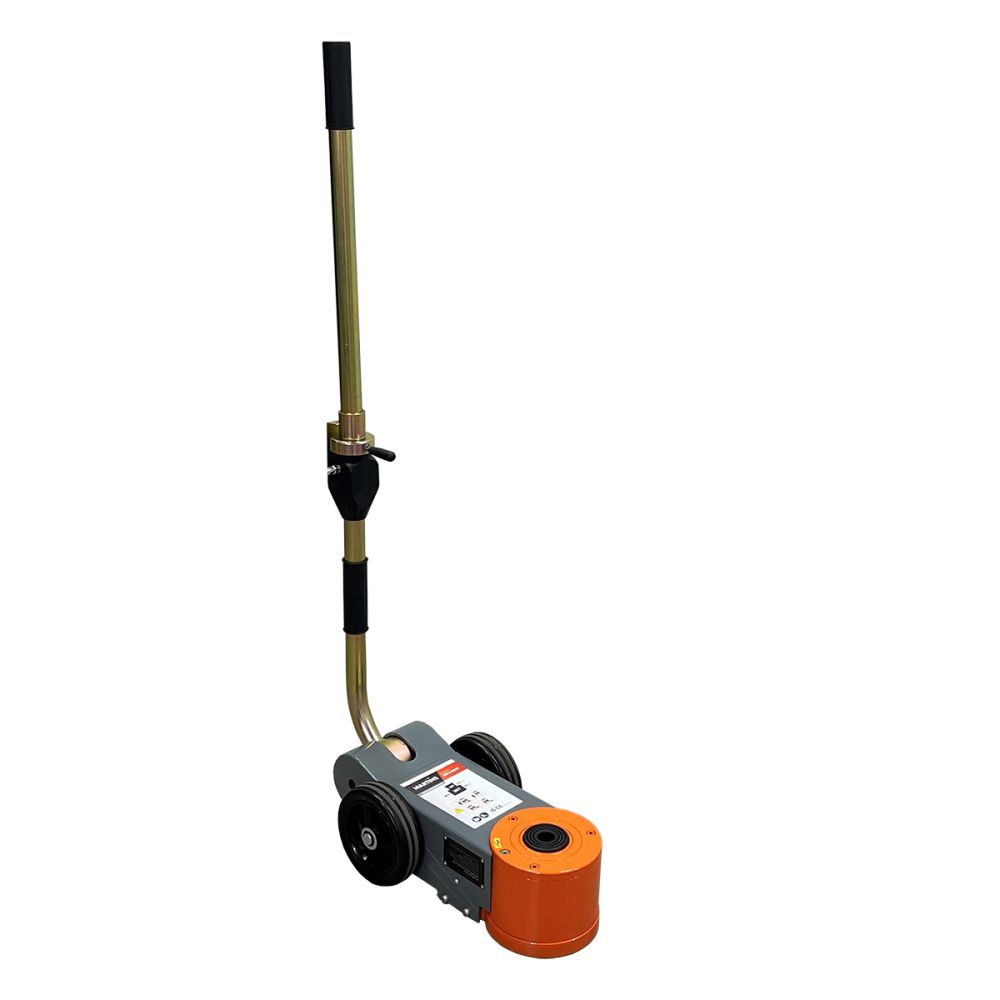
Credit: martinsindustries.com
Common Mistakes To Avoid
Removing air from a floor jack is important for its smooth operation. Many people make simple mistakes that cause more problems. Avoid these common errors to keep your floor jack working well. Correct steps save time and effort.
Over-tightening Valves
Do not tighten the valves too much. Over-tightening can damage the seals inside. This leads to leaks and poor jack performance. Turn the valves just enough to close them firmly. Check the manual for the correct tightness.
Ignoring Leaks
Leaks let air enter the hydraulic system. Ignoring leaks causes the jack to lose pressure. Always inspect the jack for fluid or air leaks. Fix leaks right away to keep the jack safe and strong.
Using Incompatible Fluids
Use only the recommended fluid for your floor jack. Using the wrong fluid can harm the seals and valves. It also reduces the jack’s lifting power. Check the label or manual to find the correct fluid type.
Maintenance Tips To Prevent Air Build-up
Preventing air build-up in your floor jack keeps it working smoothly. Simple maintenance steps stop air from entering the system. This saves time and avoids damage.
Regular Fluid Checks
Check the jack’s hydraulic fluid often. Low fluid levels let air enter the pump. Keep the fluid clean and at the right level. Change it if it looks dirty or thick.
Proper Storage
Store the floor jack in a dry, cool place. Avoid places with extreme heat or cold. Keep it upright to stop fluid leaks. This prevents air pockets from forming inside.
Routine Inspections
Look over the jack for cracks or leaks. Tighten loose parts and replace worn seals. Check the release valve works well. Early fixes stop air from getting trapped.
When To Seek Professional Help
Sometimes, getting air out of a floor jack is not simple. Some problems need expert help. Knowing when to call a professional saves time and avoids damage. This section explains signs that show you need expert service.
Persistent Air Issues
If your floor jack keeps trapping air after many attempts, it may have a deeper problem. Constant air buildup can mean a hidden leak or worn seals. Trying to fix it alone can worsen the issue. A professional can find and fix these hidden problems safely.
Damaged Components
Cracks, dents, or broken parts on the floor jack need expert attention. Damaged parts can cause air to get trapped or stop the jack from working. Professionals have the tools and knowledge to replace or repair parts correctly. Using a damaged jack is unsafe and can cause accidents.
Warranty Considerations
Many floor jacks come with a warranty. Trying to fix air problems yourself may void the warranty. Professionals know how to handle repairs without breaking warranty rules. Always check your warranty before making repairs. This protects your investment and ensures proper service.

Credit: www.youtube.com
Frequently Asked Questions
How Do I Remove Air From A Floor Jack?
To remove air, open the release valve fully. Pump the handle slowly several times. This forces trapped air out and restores proper hydraulic pressure.
Why Is There Air In My Floor Jack?
Air enters through leaks or improper use. It causes the jack to feel spongy and lose lifting power. Regular maintenance prevents air buildup.
How Often Should I Bleed My Floor Jack?
Bleed your floor jack every 6 months or after heavy use. This keeps the hydraulic system efficient and extends the jack’s lifespan.
Can I Use A Floor Jack With Air Inside?
Using a jack with air is unsafe. It may collapse suddenly or fail to lift. Always bleed air before lifting heavy loads.
Conclusion
Removing air from a floor jack keeps it working well. Follow the steps carefully to bleed the air out. Regular checks help avoid problems and keep you safe. A well-maintained jack lifts smoothly every time. Simple care saves money and time later.
Practice these tips, and your jack lasts longer. Easy fixes make your work safer and faster. Keep your tools ready for any task ahead.