Are you thinking about changing the look of your kitchen or bathroom by moving the hardware on your laminate cabinet doors? You might wonder if it’s even possible without damaging the surface or making the doors look worse.
The good news is, you don’t have to settle for the current setup if it’s not working for you. But before you grab your drill or screwdriver, there are important things you need to know. Keep reading, and you’ll discover how to safely move your cabinet hardware, avoid common mistakes, and give your space a fresh new feel without the hassle.
Types Of Laminate Cabinet Doors
Laminate cabinet doors come in many styles and designs. They suit different tastes and kitchen themes. Understanding their types helps you choose the right door for your needs.
Each type uses unique materials and finishes. These affect the door’s look, feel, and durability. Knowing these details makes moving hardware easier and safer.
Common Materials Used
Most laminate cabinet doors use a core made from MDF or particleboard. These cores provide strength and stability. The laminate sheet covers the core, protecting it from water and scratches.
The laminate layer is made from plastic resins and decorative paper. This combination makes the door easy to clean and maintain. Some doors use high-pressure laminate for extra durability.
Surface Textures And Finishes
Laminate doors come with smooth, matte, or textured surfaces. Smooth finishes look sleek and modern. Matte finishes reduce glare and hide fingerprints well.
Textured finishes mimic wood grain or other natural materials. They add warmth and character to the kitchen. The finish also affects how hardware attaches to the door.

Credit: www.lxhausys.com
Hardware Options For Laminate Doors
Choosing the right hardware for laminate cabinet doors changes their look and function. Hardware must fit well with the door material and style. It affects daily use and overall design. Many hardware types suit laminate doors, each with unique benefits. Understanding options helps pick the best match.
Popular Handle And Knob Styles
Handles and knobs come in various shapes and finishes. Bar handles offer a modern, clean look. Round knobs fit classic or simple styles. Cup pulls add a vintage touch and easy grip. Matte black, brushed nickel, and chrome are common finishes. These colors blend well with laminate surfaces. Hardware size matters for comfort and appearance. Small knobs suit light doors. Larger handles fit bigger or heavier doors.
Hinges And Their Compatibility
Hinges must support door weight and allow smooth movement. Concealed hinges are popular for a neat look. They hide inside the cabinet frame and door. Overlay hinges suit doors that cover the cabinet edge fully. Inset hinges fit doors sitting flush with the cabinet frame. Soft-close hinges prevent slamming and reduce noise. Check hinge type before moving hardware to keep function intact. Proper hinge choice protects laminate from damage.
Challenges Of Moving Hardware
Moving hardware on a laminate cabinet door is not simple. The process needs care and precision. Mistakes can damage the door or make it look bad. Understanding the challenges helps avoid problems and get good results.
Risks Of Damaging Laminate
Laminate is a thin layer glued to the cabinet door. It can crack or peel if not handled well. Screwing or unscrewing hardware may chip the surface. Using the wrong tools can leave marks. Once damaged, fixing laminate is hard and costly.
Aligning With Existing Holes
Hardware must line up with screw holes exactly. Old holes may be worn or too big. New holes close to old ones can weaken the door. Misaligned hardware looks uneven and can break easily. Careful measuring is needed to avoid mistakes.
Tools Needed For Hardware Relocation
Moving hardware on a laminate cabinet door requires the right tools. Using proper tools makes the job easier and helps avoid damage. Gather all tools before starting the relocation process. This section lists the essential tools needed for hardware relocation on laminate doors.
Basic Hand Tools
Basic hand tools include items you likely have at home. A screwdriver is essential for removing and attaching screws. Choose a screwdriver that fits your hardware screws well. A tape measure helps mark the new hardware position accurately. Use a pencil to mark the drill spots carefully. A level ensures the hardware stays straight and balanced. A drill with drill bits is needed to make new holes. A small hammer can help with any minor adjustments.
Specialized Equipment
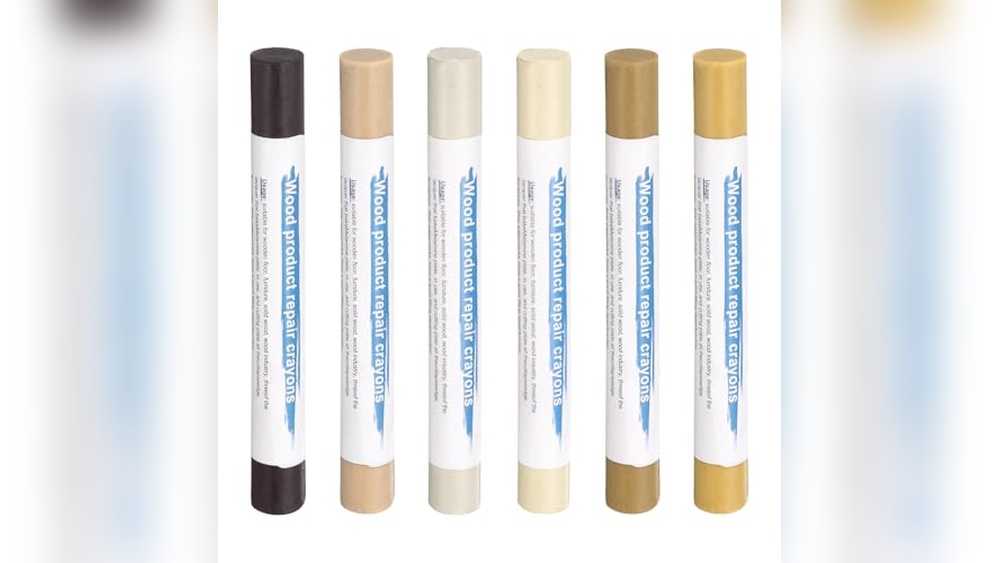
Specialized equipment can improve precision and protect your cabinet. A drill stop prevents drilling too deep and damaging the door. A countersink bit makes screw heads sit flush with the laminate surface. A stud finder locates solid areas behind the door for better support. A putty knife helps remove old adhesive or filler from previous holes. Wood filler or laminate repair paste fills old holes smoothly. Fine-grit sandpaper smooths the filled area for a neat finish.
Step-by-step Hardware Moving Process
Moving hardware on a laminate cabinet door can refresh your kitchen’s look. Follow clear steps to avoid damage and ensure a solid fit. Care and precision matter throughout the process. These steps guide you safely from removing old hardware to installing new pieces.
Removing Old Hardware Safely
Start by opening the cabinet door fully. Use a screwdriver that fits the screws well. Turn screws slowly to avoid stripping them. Keep screws and hardware in a small container. This prevents losing any parts during the process. Avoid pulling hardware off forcefully. This can damage the laminate surface.
Preparing New Mounting Points
Measure carefully before drilling new holes. Use a pencil to mark exact spots on the door. Check that marks align with the new hardware. Drill small pilot holes to prevent splitting the laminate. Clean the area around the holes gently. Remove any dust or debris for better adhesion.
Installing Hardware Correctly
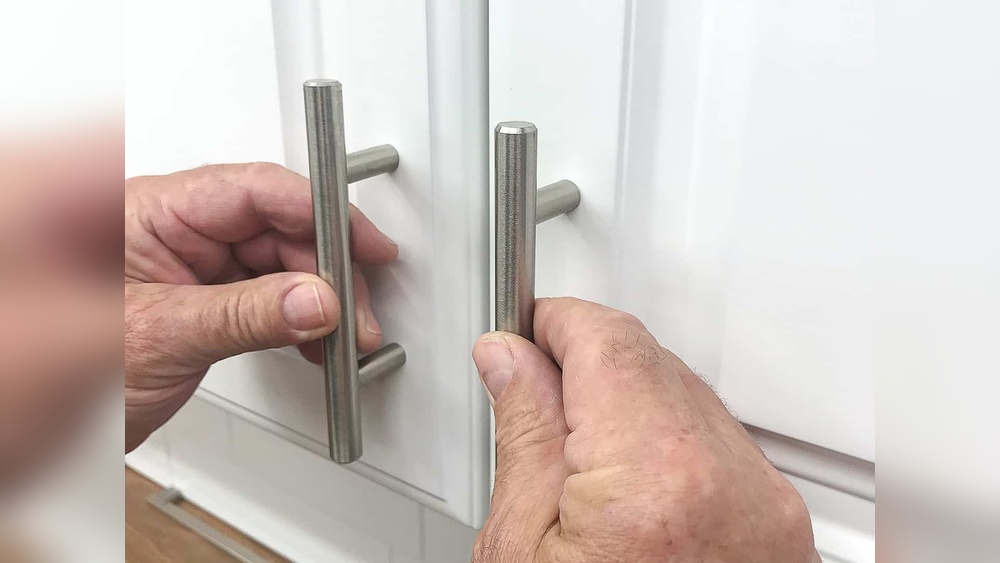
Place the hardware over the new holes. Insert screws by hand to start threading. Tighten screws evenly to avoid cracks. Do not overtighten; this can strip the laminate. Test the hardware by opening and closing the door. Adjust screws slightly if needed for smooth operation.
:max_bytes(150000):strip_icc()/SPR-where-to-put-knobs-and-handles-on-kitchen-cabinets-6373984-hero-f2b94cb045354a5783a3d927f83b5d21.jpg)
Credit: www.thespruce.com
Repairing Holes And Surface Damage
Repairing holes and surface damage on laminate cabinet doors takes care and the right steps. Small holes from screws or dents can spoil the door’s look. Fixing them restores the smooth finish and keeps the door strong. It also prepares the door for moving hardware without problems.
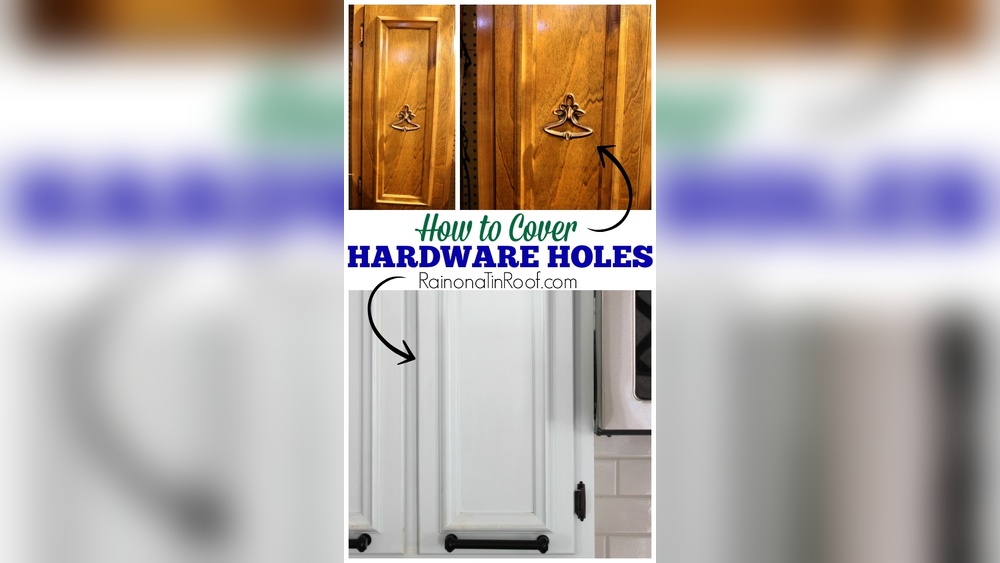
Filling Old Screw Holes
Start by cleaning the hole to remove dust and debris. Use a putty knife to apply wood filler or laminate repair paste. Press the filler deep into the hole and smooth the surface. Let it dry fully before sanding it flat. This step ensures a solid base for new screws.
Matching Laminate Texture And Color
Matching the texture and color is key for a natural look. Use a laminate repair kit with color options close to your door. Apply the color in thin layers and blend it carefully. Use fine sandpaper to match the texture without damaging the surface. This makes the repair hard to spot and keeps the door looking new.
Tips To Prevent Damage
Moving hardware on a laminate cabinet door needs care. This keeps the door strong and looking good. Small mistakes can cause cracks or chips. Use smart steps to protect your cabinet door.
Follow these tips to stop damage. Proper tools and careful work help a lot. A smooth job means your cabinet lasts longer.
Using Proper Drilling Techniques
Use a drill bit made for laminate surfaces. Drill slowly to avoid heat and cracks. Start with a small pilot hole. This guides the screw and stops splitting. Keep the drill steady and straight. Clean dust from holes before adding screws.
Choosing The Right Hardware Placement
Pick a spot away from edges. Edges are weak and chip easily. Place hardware on solid parts of the door. Measure carefully for balanced and neat looks. Avoid drilling too close to old holes. This keeps the door strong and secure.

Credit: www.amazon.com
When To Consult Professionals
Moving hardware on a laminate cabinet door can be tricky. Some tasks need special skills and tools. Knowing when to call a professional saves time and prevents damage. Professionals bring experience and precision to the job. They ensure your cabinet looks good and works well after changes.
Complex Repairs
Complex repairs involve more than just moving a handle or hinge. Issues like damaged laminate, deep scratches, or warping need expert care. Professionals can fix these without causing more harm. They know how to match colors and textures. They also use the right tools to avoid cracking or peeling. Complex repairs require skill and patience. Leaving these jobs to experts protects your cabinets and your investment.
Custom Hardware Installations
Custom hardware may not fit standard holes or sizes. Installing unique knobs, pulls, or hinges needs precise measuring and drilling. Professionals handle this with care to avoid mistakes. They make sure hardware aligns perfectly and works smoothly. Custom installations often require extra steps like filling old holes. Experts have the right materials and techniques for a clean finish. Trusting pros for custom hardware keeps your cabinets strong and stylish.
Frequently Asked Questions
Can You Reposition Hardware On Laminate Cabinet Doors?
Yes, you can move hardware on laminate cabinet doors carefully. Use proper tools to avoid damaging the laminate surface. Fill old holes with wood filler and drill new holes for the hardware. This maintains the cabinet’s appearance and functionality.
What Tools Are Needed To Move Cabinet Door Hardware?
To move hardware on laminate doors, you’ll need a screwdriver, drill, wood filler, sandpaper, and a measuring tape. These tools help you safely remove, fill, and reposition the hardware without damaging the laminate finish.
Will Moving Hardware Damage Laminate Cabinet Doors?
If done carefully, moving hardware won’t damage laminate doors. Use gentle tools and fill old holes properly. Avoid excessive force that might chip or crack the laminate surface. Proper technique ensures a clean, professional look.
How To Fill Old Screw Holes On Laminate Cabinets?
Use wood filler or laminate repair putty to fill old screw holes. Apply it smoothly, let it dry, then sand lightly. This restores the surface and prepares it for new hardware installation without visible defects.
Conclusion
Moving hardware on a laminate cabinet door is possible with care. Always measure twice before drilling new holes. Use the right tools to avoid damage. Filling old holes properly helps maintain the door’s look. Take your time to ensure the hardware fits well.
Small changes can make your cabinets look fresh and new. Remember, patience and careful work bring the best results. You can update your space without replacing the whole door. Simple steps lead to successful hardware moves on laminate doors.