Have you ever wondered what makes a deadbolt so reliable in keeping your home safe? Understanding how a deadbolt works can give you peace of mind and help you choose the right lock for your door.
You’ll discover the simple yet powerful mechanics behind deadbolts and why they are a step above regular locks. By the time you finish reading, you’ll know exactly how to protect your home better and feel confident about your security choices.
Let’s dive in and unlock the secrets of deadbolts together.
Credit: www.youtube.com
Types Of Deadbolts
Deadbolts come in different types to suit various security needs. Each type offers unique features for protecting your home or office. Understanding these types helps you pick the right one for your door.
Single Cylinder Deadbolts
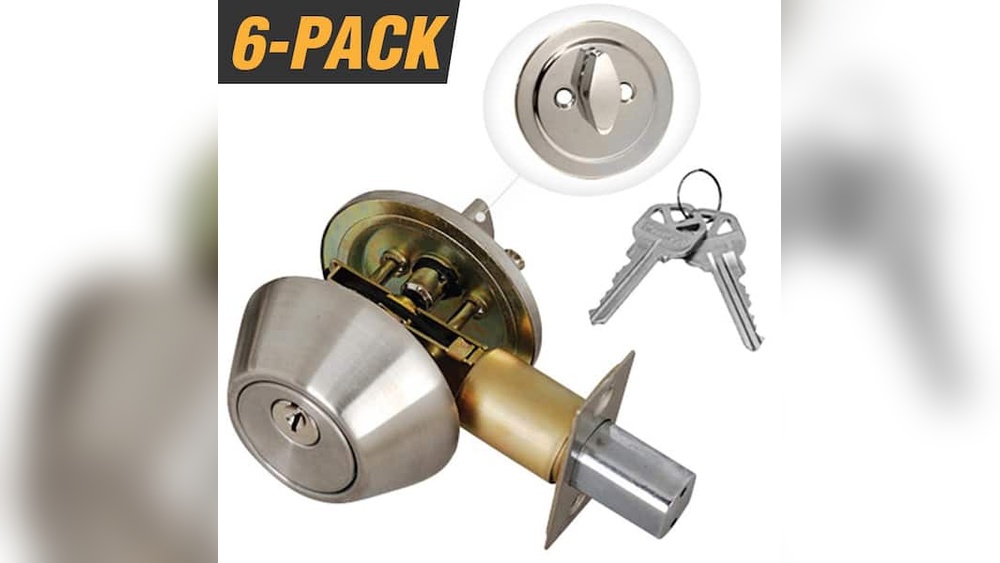
Single cylinder deadbolts have a keyhole on the outside. Inside, there is a thumbturn to lock or unlock. They are easy to use and common in homes. These deadbolts work well if your door has glass nearby.
Double Cylinder Deadbolts
Double cylinder deadbolts need a key on both sides. You cannot unlock them without a key inside or outside. This type adds security if windows are close to the door. It prevents burglars from breaking glass and turning the lock.
Lockable Thumbturn Deadbolts
Lockable thumbturn deadbolts combine thumbturn ease with key control. You can lock the thumbturn from the inside with a key. It stops others from unlocking the door without a key. This type offers extra safety for families and offices.
Keyless Deadbolts
Keyless deadbolts use codes or fingerprints to unlock. No physical key is needed, which is very convenient. You can change codes anytime for better security. These deadbolts often include alarms or remote access features.
Credit: www.chicagolocksmiths.net
Key Components
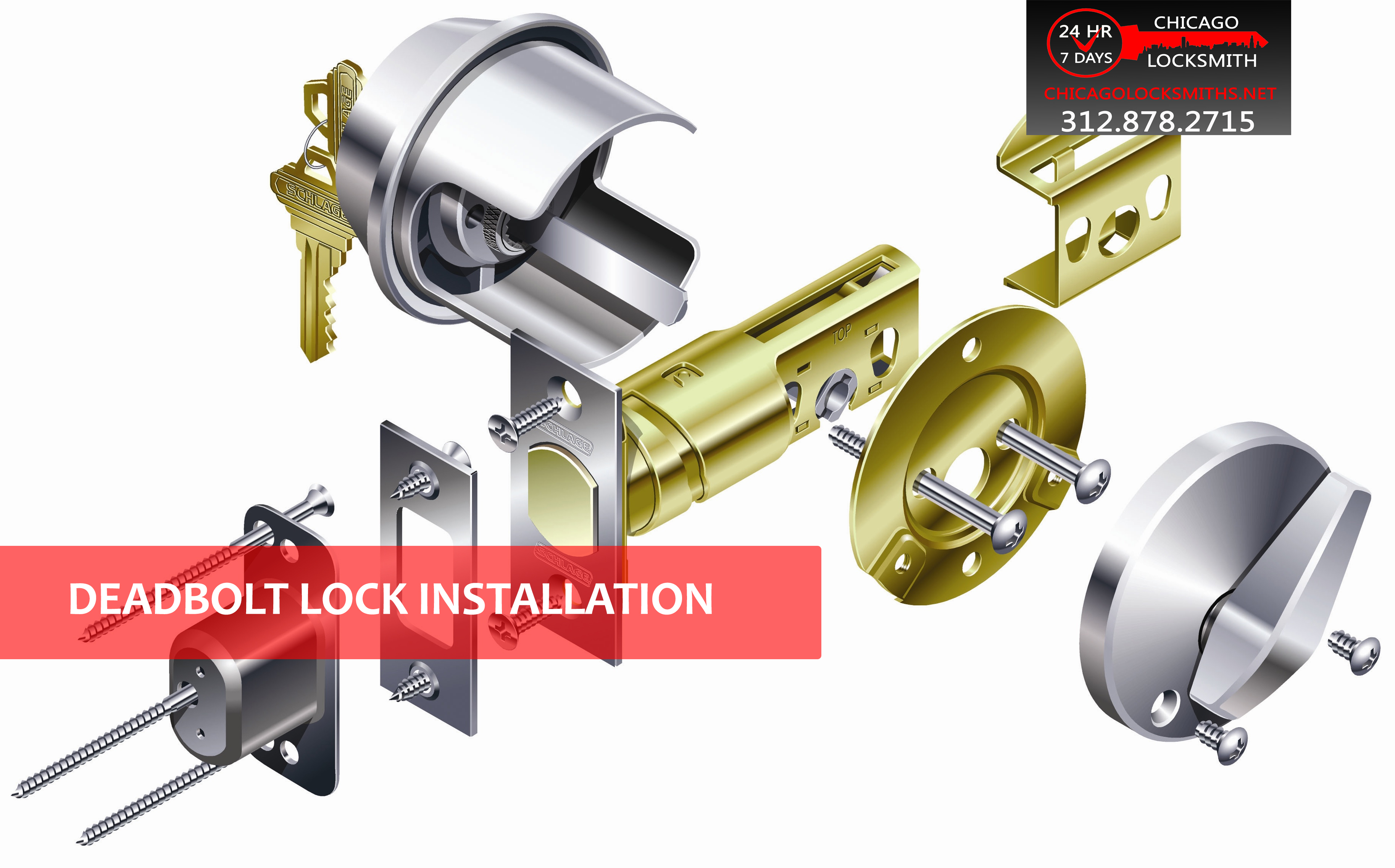
Deadbolts secure doors with a few key parts working together. Each part plays a role in locking and unlocking. Understanding these parts helps you see how deadbolts protect your home.
Below are the main components that make deadbolts work well and keep doors safe.
Bolt Mechanism
The bolt is a thick metal piece that moves into the door frame. It slides out to lock the door and pulls back to unlock. This part resists force and stops the door from opening.
Cylinder
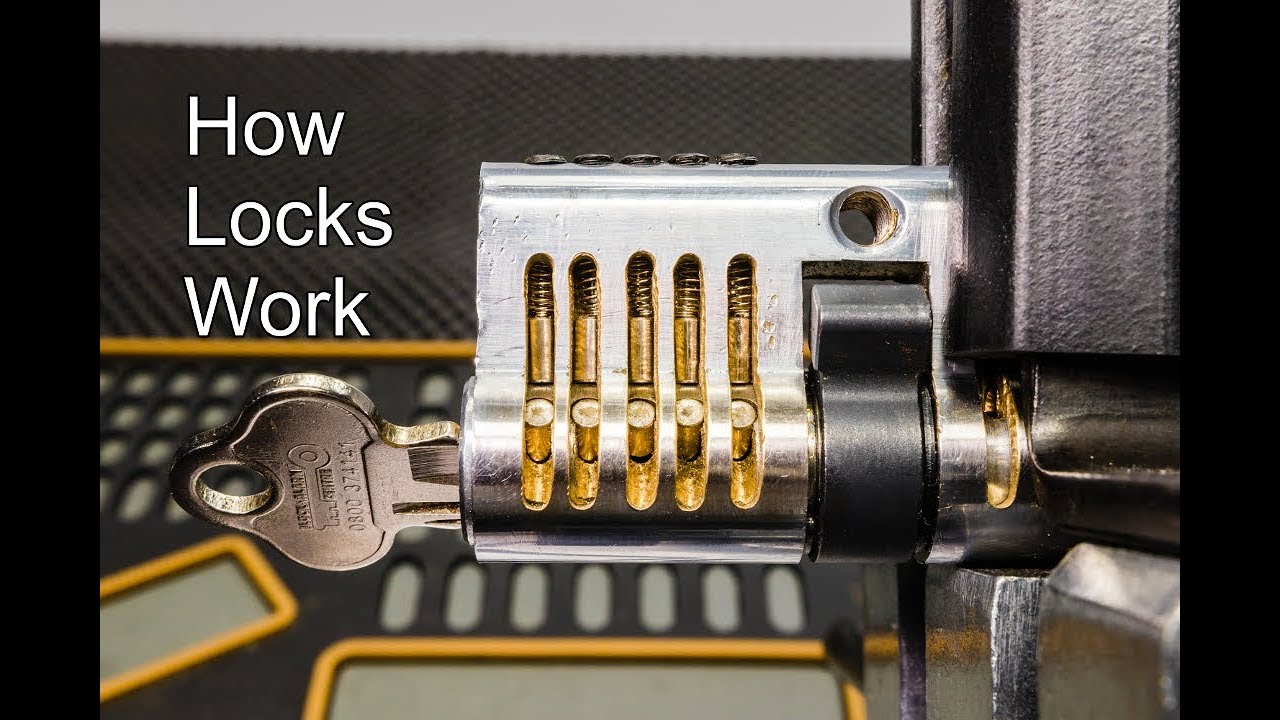
The cylinder holds the pins and springs inside the lock. It turns when the correct key is used. The cylinder connects the key to the bolt, allowing it to move.
Strike Plate
The strike plate is a metal plate fixed on the door frame. It catches the bolt when the door closes. This plate adds strength and prevents the door from being forced open.
Key And Thumbturn
The key fits into the cylinder to unlock from outside. Inside, the thumbturn lets you lock or unlock without a key. Both give easy control of the deadbolt.
How Deadbolts Lock And Unlock
Deadbolts provide strong security by controlling the door’s lock mechanism. Understanding how deadbolts lock and unlock helps you see their value. The process is simple but effective. It involves turning a key or a thumb turn to move the bolt. This section explains the steps clearly.
Manual Operation
Deadbolts can be operated manually with a key or a thumb turn. On the outside, a key is used to lock or unlock the door. Inside, a thumb turn allows easy locking without a key. This manual control ensures you can secure your door quickly.
Key Rotation Process
Turning the key inside the lock cylinder starts the locking process. The key fits into the pins inside the cylinder. When the key turns, it aligns the pins perfectly. This alignment allows the cylinder to rotate smoothly. The cylinder’s movement then controls the bolt.
Bolt Extension And Retraction
As the cylinder turns, it pushes the bolt out or pulls it back. Extending the bolt locks the door tightly into the frame. Retracting the bolt unlocks the door, allowing it to open. The bolt is usually made of metal for strength and durability.
Installation Tips
Installing a deadbolt correctly is key to keeping your home safe. Small mistakes can cause problems later. Follow these tips to install your deadbolt the right way.
Choosing The Right Deadbolt
Select a deadbolt that fits your door thickness. Most doors are 1 3/8 to 1 3/4 inches thick. Pick a deadbolt with adjustable backset for better fit. Single-cylinder deadbolts work well for most doors. Double-cylinder deadbolts need a key on both sides. Choose based on your security needs and local rules.
Proper Door Preparation
Mark the door carefully before drilling. Use a template if provided with your lock. Drill holes at the right height, usually about 40 inches from the floor. Make sure holes are straight and clean. Sand rough edges to prevent the lock from sticking. Check the door edge for the latch hole too.
Securing The Strike Plate
Remove the old strike plate if present. Position the new plate so the bolt fits smoothly. Use longer screws, at least 3 inches, to fix the plate into the door frame. This strengthens the lock against force. Ensure the plate is flush with the frame for better security.
Testing The Lock
Check the deadbolt by turning the key or thumb turn. The bolt should slide easily into the strike plate. Close the door and lock it several times. Make sure the door latches firmly without extra force. Adjust the strike plate or latch if needed for smooth operation.
Enhancing Home Security
Deadbolts are a strong line of defense for any home. They offer solid protection against break-ins. But there are ways to make them even better. Improving your home’s security means using deadbolts smartly and carefully.
Small changes can add big safety. Combining different security methods helps keep your home safe and secure.
Combining Deadbolts With Other Locks
Using a deadbolt alone is good. Adding a latch lock or chain lock adds extra layers. Different locks make it harder for intruders to enter. Each lock adds a step to stop a break-in. This simple approach boosts your home’s protection effectively.
Reinforcing Door Frames
A strong lock needs a strong door frame. Many break-ins happen when the door frame breaks. Use metal plates or stronger wood to reinforce frames. This stops doors from being forced open. Reinforcing frames works well with deadbolts.
Using Smart Deadbolts
Smart deadbolts offer more than traditional locks. They allow keyless entry and remote control. Alerts notify you if someone tries to open the door. Some models connect with home security systems. Smart deadbolts add convenience and extra security.
Regular Maintenance
Locks need care to work well. Check your deadbolt often for wear or damage. Lubricate the mechanism to keep it smooth. Replace old or broken parts quickly. Well-maintained locks protect your home better and last longer.

Credit: www.ikslocksmiths.co.uk
Common Issues And Fixes
Deadbolts can face common problems that stop them from working properly. Knowing these issues helps you fix them fast. This keeps your home safe and your lock working well. Below are some typical deadbolt troubles and easy ways to solve them.
Sticky Or Jammed Deadbolts
Deadbolts can stick or jam over time. Dirt or rust inside the lock causes this. Spray a small amount of lubricant into the keyhole. Turn the key back and forth to spread it. Avoid oil-based lubricants; use graphite or silicone spray instead.
Misaligned Strike Plates
A misaligned strike plate stops the bolt from fitting in the door frame. Check if the bolt lines up with the hole in the plate. Use a screwdriver to loosen the screws. Move the plate slightly to match the bolt’s position. Tighten the screws after adjusting.
Key Won’t Turn
A key that won’t turn usually means something blocks the lock. Try wiggling the key gently while turning. Use a lubricant to ease the movement. If the key is bent or worn, replace it. Avoid forcing the key to prevent breakage.
Bolt Not Extending Fully
The bolt may not extend fully due to dirt or a broken spring. Clean the deadbolt mechanism with compressed air. Check if the internal parts move freely. If damaged parts appear, consider replacing the deadbolt. Smooth bolt movement ensures better security.
Frequently Asked Questions
How Does A Deadbolt Lock Work?
A deadbolt lock uses a solid metal bolt that slides into the door frame. It offers extra security by resisting forced entry. Unlike spring locks, deadbolts don’t retract easily without the key or thumb turn, providing stronger protection.
What Are The Types Of Deadbolt Locks?
Deadbolts come in single-cylinder, double-cylinder, and lockable thumb turn types. Single-cylinder deadbolts use a key outside and a thumb turn inside. Double-cylinder deadbolts require a key on both sides. Lockable thumb turns can be locked or unlocked from inside.
Why Choose A Deadbolt Over A Regular Lock?
Deadbolts provide enhanced security compared to regular spring locks. They are harder to pick, bump, or force open. This makes deadbolts ideal for exterior doors, offering better protection against break-ins and unauthorized entry.
Can Deadbolts Be Installed On Any Door?
Deadbolts can be installed on most solid wood, metal, or fiberglass doors. Hollow-core doors are less secure with deadbolts. Proper installation requires drilling precise holes and reinforcing the door frame for maximum strength.
Conclusion
Deadbolts provide strong security for your home or office. They work by extending a solid metal bolt deep into the door frame. This simple action makes it harder for intruders to break in. Understanding how deadbolts function helps you choose the right lock.
A good deadbolt adds peace of mind and safety. Regular maintenance keeps your lock working smoothly. Remember, a strong lock is a key part of home security. Choose wisely to protect what matters most.