Have you ever faced a stubborn deadbolt lock that won’t come off because the screws are missing or hidden? It’s frustrating, especially when you need quick access or want to replace the lock.
But don’t worry—you don’t have to be a locksmith to handle this. In this guide, you’ll discover simple, effective ways to remove a deadbolt lock without relying on screws. By the end, you’ll feel confident and ready to tackle the job yourself, saving time and avoiding costly repairs.
Keep reading to unlock the secrets!
Tools Needed
Removing a deadbolt lock without screws requires some specific tools. These tools help you work safely and effectively. Having the right tools saves time and reduces damage to the door. Below is a list of tools that will help you remove most deadbolt locks easily.
Basic Tools List
- Flathead screwdriver – for prying and lifting parts
- Phillips screwdriver – useful for any hidden screws
- Putty knife – to slide between the lock and door
- Pliers – to grip and pull small parts
- Hammer – to tap tools gently if needed
Optional Tools For Stubborn Locks
- Utility knife – to cut through paint or sealant
- Lock pick set – helps with internal lock parts
- Drill with metal bits – for drilling out pins carefully
- Lubricant spray – eases stuck parts
- Small pry bar – for extra leverage
Safety Precautions
Removing a deadbolt lock without screws can be tricky. Safety is very important. Taking the right precautions protects you and your door. Read these tips before you start. They help prevent injury and damage.
Protective Gear
Wear gloves to protect your hands from sharp edges. Use safety glasses to shield your eyes from dust or small parts. Long sleeves can guard your arms. These simple items reduce the risk of cuts and scratches. Always prepare before handling tools or the lock.
Avoiding Door Damage
Work slowly and carefully to avoid harming the door. Use gentle pressure with tools. Avoid prying too hard on the lock or frame. Place a cloth under tools to protect the door surface. Small mistakes can cause big dents or scratches. Protect your door to keep it looking good and working well.
Identify Lock Type
Before removing a deadbolt lock without screws, you must identify its type first. Different locks have different designs and mechanisms. Knowing the lock type helps you choose the right removal method. This step avoids damage to the door and lock. It also saves time and effort.
Common Deadbolt Designs
Most deadbolts come in a few common designs. The single-cylinder deadbolt has a keyhole on one side and a thumb turn on the other. The double-cylinder deadbolt has keyholes on both sides. Some locks have hidden screws covered by a faceplate or trim. Others use snap-in or twist-on covers instead of screws. These covers hide the locking mechanism and make removal tricky.
How Non-screw Deadbolts Work
Non-screw deadbolts use clips, tabs, or pressure fittings to hold parts together. The faceplate or trim snaps or twists off to expose the lock’s inner parts. Some locks require sliding or pushing a release tab. Others need gentle prying with a flat tool. Understanding these mechanisms helps you remove the lock without damage. It also makes the process faster and easier.

Credit: diy.stackexchange.com
Removing The Lock Faceplate
Removing the lock faceplate is the first step to take off a deadbolt without screws. The faceplate covers the internal parts of the lock. It holds the lock on the door. To remove it, you need to find how it is attached. Some faceplates have hidden clips or tabs. These keep the faceplate secure without visible screws.
Care is important. You want to avoid damage to the door or lock. Using the right tools and methods helps remove the faceplate cleanly. This section explains how to locate hidden clips or tabs and how to use a pry tool safely.
Locating Hidden Clips Or Tabs
Look closely at the edges of the faceplate. Some locks hide clips under small lips or ridges. These clips snap into place to hold the plate tight. Try to find tiny gaps or seams. Gently press or slide along these lines. You may feel or hear a small click where a clip releases.
Use a flashlight to see better. Sometimes clips are on the side or back of the faceplate. Knowing where clips are helps you avoid breaking the plate or door. Take your time. Patience helps reveal hidden parts without damage.
Using A Pry Tool Safely
Choose a thin, flat pry tool like a plastic spudger or a small flathead screwdriver. Insert it carefully into the gap near a clip or tab. Apply gentle pressure to lift the faceplate. Work slowly along the edges. Try to release one clip at a time.
Protect the door by placing a thin cloth under the tool. This stops scratches or dents. Avoid forcing the tool hard. If the plate does not move, check for more clips. Pry evenly around the faceplate to avoid bending it. Safety and care prevent damage and make removal easier.
Detaching The Lock Cylinder
Detaching the lock cylinder is a key step in removing a deadbolt without screws. The cylinder is the part where you insert the key. Removing it lets you access the inner parts of the lock. This process requires care and the right approach to avoid damage. Understanding how to twist and pull the cylinder can make the task easier and faster.
Twisting And Pulling Techniques
First, insert the key into the cylinder. Turn the key gently to the unlock position. This loosens the cylinder inside the lock housing. Hold the cylinder firmly and try to pull it straight out. Use steady force, not too hard. If the cylinder moves, keep pulling slowly. Avoid sudden jerks that could break the lock. Sometimes slight twisting while pulling helps release the cylinder. The goal is to slide the cylinder out without tools or screws.
Handling Stuck Cylinders
Some cylinders get stuck due to dirt or rust. Spray a little lubricant into the keyhole. Let it sit for a few minutes. Then try twisting and pulling again. If the cylinder won’t budge, tap around it lightly with a small hammer. This can loosen tight parts. Avoid using excessive force that may damage the lock. Patience and gentle moves work best for stuck cylinders. Keep trying until the cylinder slides free.

Credit: diy.stackexchange.com
Removing The Deadbolt Mechanism
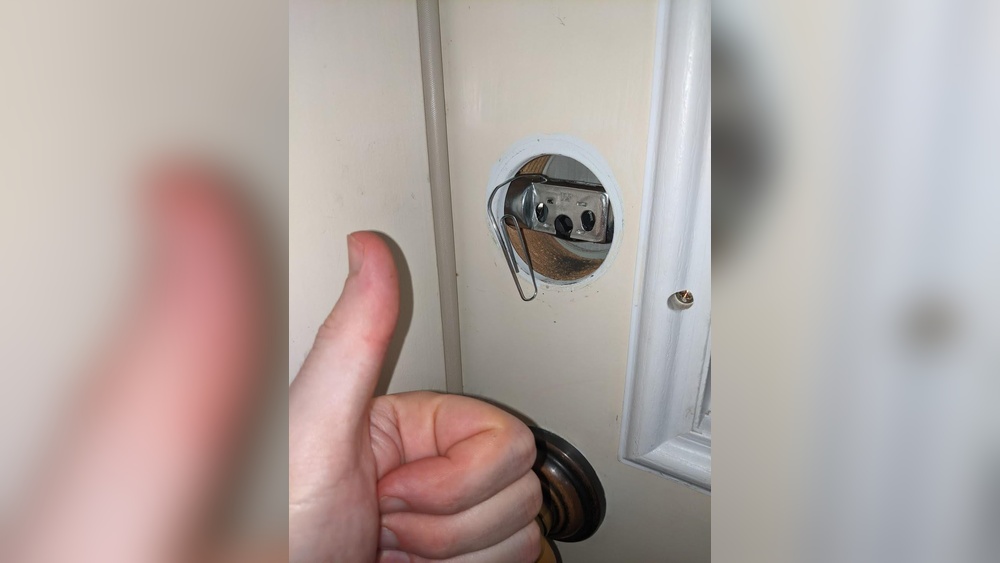
Removing the deadbolt mechanism can be tricky without screws. The lock holds tight, but with patience, you can take it apart. Focus on the bolt inside the door. This part slides in and out to lock and unlock.
Start by finding the right way to reach the bolt. You need to carefully move it out of the door frame. This process needs simple tools and a gentle touch.
Accessing The Bolt
First, look at the edge of the door where the bolt sticks out. Use a flat tool to slide between the bolt and door. Push gently to create space. This space lets you see and touch the bolt.
Sometimes, the bolt has a small hole or slot. Insert a thin tool here. This helps press the bolt’s release. Keep the tool steady and apply light pressure.
Sliding The Bolt Out
Once the bolt moves, try to slide it out. Hold the bolt with pliers or your fingers. Pull it slowly and straight. Avoid twisting or forcing it.
Moving the bolt out frees the deadbolt from the door. After removal, you can clean or replace the lock parts. The door will be ready for a new lock or repair.
Troubleshooting Stuck Locks
Sometimes deadbolt locks get stuck and refuse to turn or move. This can happen due to dirt, rust, or lack of use. Stuck locks can make removing the lock without screws difficult. Troubleshooting stuck locks helps free the mechanism. It makes the lock easier to handle and take apart.
Lubrication Tips
Start by applying a lubricant to the keyhole and moving parts. Use a graphite or silicone-based spray for best results. Avoid using oil-based lubricants, as they can attract dust. Spray a small amount and insert the key gently. Turn the key back and forth to spread the lubricant inside. This loosens stuck parts and reduces friction. Wait a few minutes before trying to move the lock again.
Applying Gentle Force
Use gentle force to help free the stuck lock. Insert the key and try turning it slowly without pushing too hard. Tap the lock lightly with a rubber mallet or the handle of a screwdriver. This can help loosen internal parts. Avoid using too much force to prevent damage. If the lock still does not move, repeat lubrication and try again. Patience is key to avoid breaking the lock.
Replacing Or Reinstalling The Lock
Replacing or reinstalling a deadbolt lock without screws can seem tricky. The lock might come off easily, but putting it back needs care. Choosing the right replacement and following clear steps helps secure your door properly. This section guides you through both parts.
Choosing The Right Replacement
Pick a lock that fits your door’s thickness and type. Check the lock’s size to match the old one. Choose a model with strong materials for better safety. Consider the lock’s finish to keep your door’s look. Make sure the lock comes with all necessary parts. A simple design often works best for easy installation.
Steps To Reinstall
Start by aligning the lock’s main body with the hole. Insert the latch into the door edge carefully. Hold the lock in place and check the alignment. Use the included screws or bolts for fixing the lock. Tighten them evenly to avoid misalignment. Attach the thumb turn or key cylinder next. Test the lock by turning it several times. Ensure the bolt moves smoothly in and out. Adjust parts if the lock feels tight or loose. Finally, check the door closes and locks securely.
When To Call A Professional
Sometimes, removing a deadbolt lock without screws is not easy. The lock might be stuck or damaged. Trying to fix it yourself could cause more problems. Knowing when to call a professional saves time and stress. Experts have the right tools and skills to handle tough locks safely.
Signs Of Complex Lock Issues
The lock feels very stiff or jammed. Keys break inside the lock. The deadbolt won’t turn at all. Parts of the lock look broken or bent. The lock is old and rusted. These signs show the problem is more than simple. A professional locksmith can assess and fix these issues correctly.
Cost Considerations
Hiring a professional might cost more upfront. But avoiding damage saves money later. Fixing a broken lock yourself can cause extra repairs. Professionals work quickly and prevent further harm. Think of the cost as an investment in safety and peace of mind.

Credit: www.youtube.com
Frequently Asked Questions
How Can I Remove A Deadbolt Without Visible Screws?
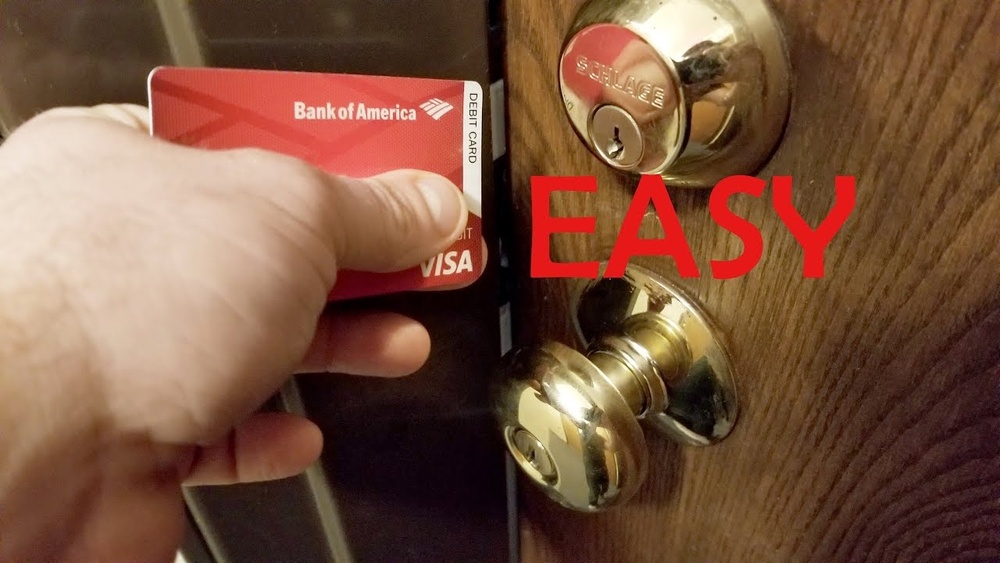
You can remove a deadbolt by accessing hidden screws or using a credit card method. Sometimes, the lock faceplate can be pried off carefully.
What Tools Help Remove A Deadbolt Without Screws?
A flathead screwdriver, credit card, and sometimes a drill help remove deadbolts without screws. These tools aid in loosening the lock or bypassing the latch.
Is It Possible To Remove Deadbolts Without Damaging The Door?
Yes, by gently prying or unlocking from inside, you can avoid door damage. Using proper tools and techniques prevents scratches and holes.
Can I Remove A Deadbolt Lock If It’s Stuck?
If stuck, applying lubricant or using a lock pick can help release the deadbolt. Avoid forcing the lock to prevent damage.
Conclusion
Removing a deadbolt lock without screws can seem tricky at first. With the right tools and steps, it becomes easier. Take your time and follow each step carefully. Avoid forcing the lock to prevent damage. This method works well for most standard deadbolt locks.
Practice patience and stay safe while working. Now, you can handle this task with more confidence. Try it yourself and see how simple it can be.