Have you ever faced the frustration of a deadbolt lock that just won’t budge? You’re not alone.
A stuck deadbolt can throw off your entire day, leaving you feeling stuck and worried about your home’s security. But don’t panic—fixing it might be easier than you think. You’ll discover simple, effective steps to get your deadbolt moving smoothly again.
Keep reading, and you’ll save time, money, and avoid the stress of calling a locksmith. Your door will be secure and easy to use in no time!
Credit: dmllocksmith.com
Causes Of A Stuck Deadbolt
A deadbolt lock can get stuck for several reasons. Knowing these causes helps fix the problem faster. Some issues come from inside the lock, while others come from outside. Understanding what stops the deadbolt from moving is the first step to unstick it.
Common Mechanical Issues
Inside the lock, small parts can wear out or break. Springs may lose tension. Pins might get stuck or jammed. Dirt and dust can build up inside the mechanism. These things stop the deadbolt from turning smoothly. Mechanical faults often need cleaning or part replacement.
Effects Of Weather And Rust
Cold, heat, rain, and humidity affect locks. Metal parts can rust or freeze. Rust makes the lock stiff and hard to move. Moisture causes corrosion inside the lock cylinder. Weather damage slows down or stops the deadbolt’s motion.
Misalignment Problems
The deadbolt and strike plate must line up perfectly. Doors can shift due to house settling or loose hinges. When parts don’t match, the bolt cannot slide into the strike plate. Misalignment makes the lock jam or feel stuck.
Essential Tools And Materials
Fixing a deadbolt lock that sticks needs the right tools and materials. Having these ready makes the job easier and faster. It helps avoid damage to the lock or door. Use simple, safe, and effective items for best results.
Lubricants To Use
Choose a lubricant that works well on metal parts. Graphite powder is dry and won’t attract dirt. Silicone spray works smoothly without making a mess. Avoid oil-based lubricants like WD-40 for long-term use. They can gum up the lock over time.
Basic Tools Required
Gather a screwdriver set to remove the lock cover if needed. Use a small brush or cloth to clean dirt from the lock. Needle-nose pliers help adjust or pull stuck parts gently. A flashlight helps see inside the lock clearly. Keep these tools within reach for quick access.
Safety Precautions
Wear safety glasses to protect your eyes from dust or debris. Work in a well-lit area to avoid mistakes. Avoid using too much force on the lock parts. This prevents breaking or bending the lock mechanism. Keep fingers clear from moving parts to stop injuries.
Step-by-step Fixes
Deadbolt locks can get stuck over time. Dirt, misalignment, or loose parts cause this problem. Fixing a stuck deadbolt is easier than you think. Follow these simple steps to get it working smoothly again.
Lubricating The Lock
Start by applying lubricant to the lock mechanism. Use graphite powder or a silicone-based spray. Avoid oil-based lubricants as they attract dirt. Spray or puff the lubricant into the keyhole and bolt area. Work the key in and out gently to spread it. This reduces friction and helps the lock move freely.
Realigning The Strike Plate
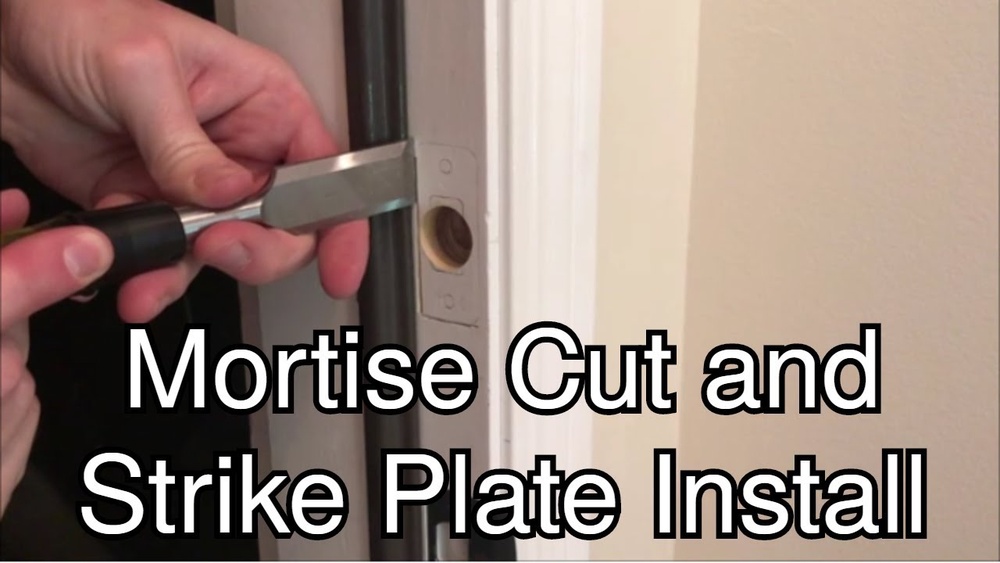
Check the strike plate on the door frame. The bolt must fit perfectly into the hole. If misaligned, the bolt will stick or jam. Loosen the screws on the strike plate slightly. Move it up, down, or sideways for better alignment. Tighten the screws once the bolt slides in smoothly. This adjustment often solves deadbolt sticking issues.
Tightening Loose Screws
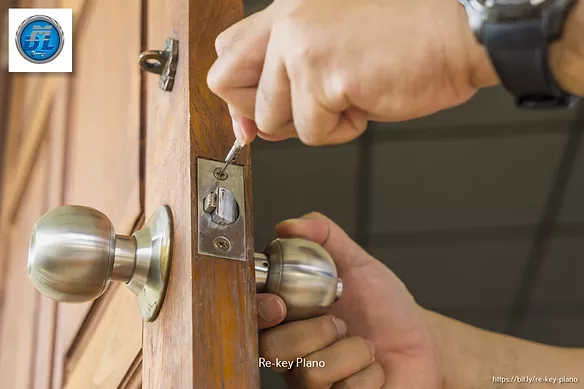
Loose screws can cause parts to shift and lock to jam. Check screws on the lock and door handle. Use a screwdriver to tighten any loose screws. Secure screws keep the lock parts in place. This simple step prevents the deadbolt from sticking or feeling loose.
Advanced Techniques
Advanced techniques help fix deadbolt locks that simple tricks can’t solve. These methods need more care and tools. They often solve deep problems inside the lock. Following these steps can save time and money.
Removing And Cleaning The Deadbolt
Start by taking the deadbolt off the door. Use a screwdriver to remove screws holding it. Gently pull the lock out without forcing it. Clean all parts using a soft brush and mild cleaner. Remove dirt, dust, and old grease from inside. Dry parts well before putting them back. Clean locks work smoother and last longer.
Replacing Worn Components
Check the deadbolt for worn or broken parts. Springs and pins often wear out first. Visit a hardware store for exact replacement parts. Swap old pieces with new ones carefully. Use small tools like tweezers for tiny parts. Replace worn parts to restore the lock’s function. This step can prevent future sticking problems.
When To Call A Locksmith
Some deadbolt problems need expert help. Call a locksmith if the lock is very damaged. Or if you cannot remove the lock safely. Locksmiths have special tools and skills for tough jobs. Avoid forcing the lock to prevent more damage. Experts can fix or replace locks quickly and safely.
Preventing Future Issues
Keeping a deadbolt lock working smoothly takes some effort. Small steps can stop it from getting stuck again. Taking care of the lock prevents future problems and saves money on repairs. Focus on simple habits that keep your lock in good shape.
Regular Maintenance Tips
Check your deadbolt every few months. Clean dust and dirt around the keyhole. Use a soft cloth or a small brush. Apply graphite lubricant inside the lock. Avoid using oil as it attracts dust. Test the lock after lubrication to ensure smooth turning.
Best Practices For Lock Usage
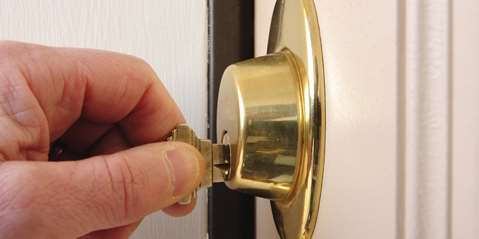
Turn the key gently to avoid damage. Don’t force the lock if it feels stuck. Always use the correct key for your deadbolt. Avoid jiggling or shaking the lock. Make sure the door aligns well with the frame. A misaligned door puts stress on the lock.
Seasonal Care Advice
Cold weather can make locks stiff. Warm the key with your hands before use. In winter, apply lubricant more often to prevent freezing. In rainy seasons, keep the lock dry to avoid rust. Cover the lock with a weatherproof shield if possible.
Credit: www.gokeyless.com

Credit: www.youtube.com
Frequently Asked Questions
How Do I Know If My Deadbolt Is Stuck?
A stuck deadbolt won’t turn or retract when you use the key or thumb turn. It may feel jammed or resistant. Check for signs of rust, dirt, or misalignment causing the issue. Identifying these helps determine the best way to unstick it quickly.
What Household Items Can Unstick A Deadbolt Lock?
Graphite powder, WD-40, or a silicone-based lubricant work well to unstick deadbolts. Avoid oil-based lubricants as they attract dust. Apply a small amount to the keyhole and bolt mechanism, then gently turn the key to loosen the lock.
Can Misaligned Door Frames Cause Deadbolt Issues?
Yes, misaligned door frames often cause deadbolts to stick. The bolt may not fit properly into the strike plate. Adjusting the strike plate or door frame alignment can help the deadbolt slide smoothly, preventing sticking and locking problems.
Is It Safe To Force A Stuck Deadbolt Open?
Forcing a stuck deadbolt can damage the lock or door. Instead, lubricate the lock and gently wiggle the key. If it remains stuck, consider calling a locksmith to avoid costly repairs or lock replacement.
Conclusion
Stuck deadbolt locks can cause big headaches. Small steps like cleaning and lubricating help a lot. Tightening screws keeps the lock stable and smooth. Trying these fixes saves time and money. Keep tools handy for quick repairs. Regular care prevents future problems too.
Simple actions make your lock work better. Remember, patience and gentle effort pay off. You can handle this without extra help. Stay calm and follow the steps carefully. Your door will lock and unlock with ease again.