Have you ever worried about your furniture tipping over but found no nearby wall to secure it? It’s a common problem that can feel frustrating and unsafe, especially if you have kids or pets around.
But don’t let the lack of a wall stop you from keeping your space safe and steady. You’ll discover simple and effective ways to anchor your furniture without relying on walls. By the end, you’ll feel confident that your furniture won’t budge—no matter where it stands.
Keep reading to learn the easy tricks that make your home safer and more stable.
Challenges Without Walls
Anchoring furniture is easier with walls. Walls provide solid support points. Without walls, anchoring becomes a tough task. Furniture can tip over or move easily. This creates risks and practical problems. Understanding these challenges helps find good solutions.
Furniture needs stability to stay safe. Without walls, it can fall during earthquakes or accidents. This risk makes anchoring important. Also, empty spaces limit where you can fix anchors. You must think creatively to secure your furniture.
Safety Concerns
Furniture that is not anchored can fall and cause injury. Children and pets are most at risk. Heavy items like bookshelves and cabinets can hit hard. Unstable furniture can block exits during emergencies. Anchoring prevents accidents and keeps your home safe.
Common Scenarios
Open floor plans often lack walls to anchor furniture. Islands or freestanding units in rooms create challenges. Loft apartments or studios may have limited wall space. Offices with movable partitions face similar problems. Each situation needs a unique anchoring approach.
Freestanding Anchor Solutions
Securing furniture without walls requires smart and safe options. Freestanding anchor solutions offer stability without needing a wall. These options keep furniture steady and prevent tipping. They work well in open spaces or rooms without many walls. Let’s explore two effective freestanding anchor solutions.
Weighted Bases
Weighted bases add heavy support to furniture legs or frames. They stop furniture from moving or tipping over. These bases use materials like metal or dense rubber. You can place them under chairs, tables, or shelves. Weighted bases are easy to install and move if needed. They provide strong balance without altering furniture design.
Floor-mounted Brackets
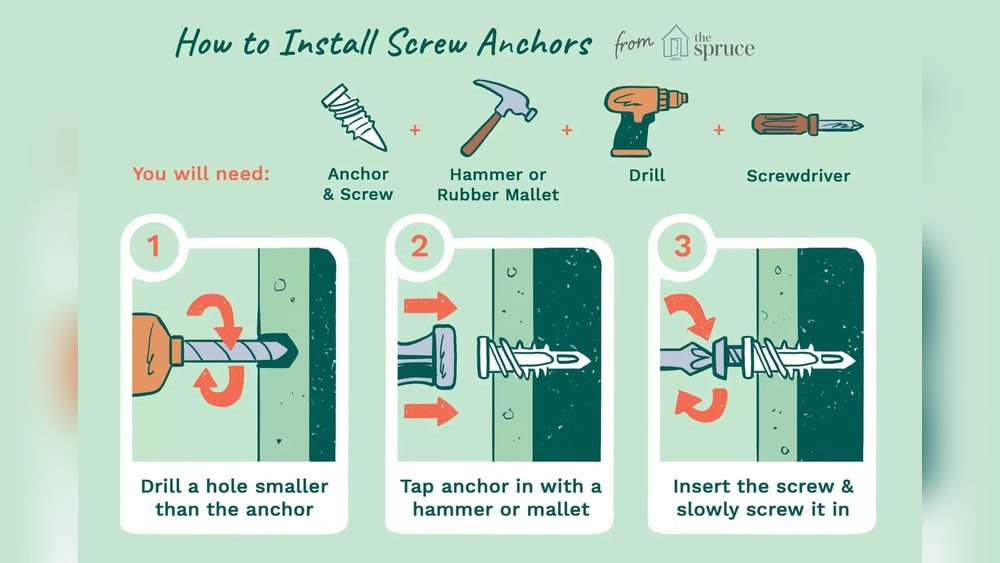
Floor-mounted brackets fix furniture directly to the floor. They use screws or bolts for a strong hold. These brackets work best with heavy or tall furniture. They keep items from shifting during use. Installation may need drilling, but it offers high safety. Floor-mounted brackets are a reliable choice for open areas.
Using Furniture Connections
Using furniture connections is a smart way to anchor furniture without walls. It keeps pieces stable and safe. You link furniture items to each other. This method spreads weight and prevents tipping. It works well for open spaces and rooms without strong walls.
Linking Pieces Together
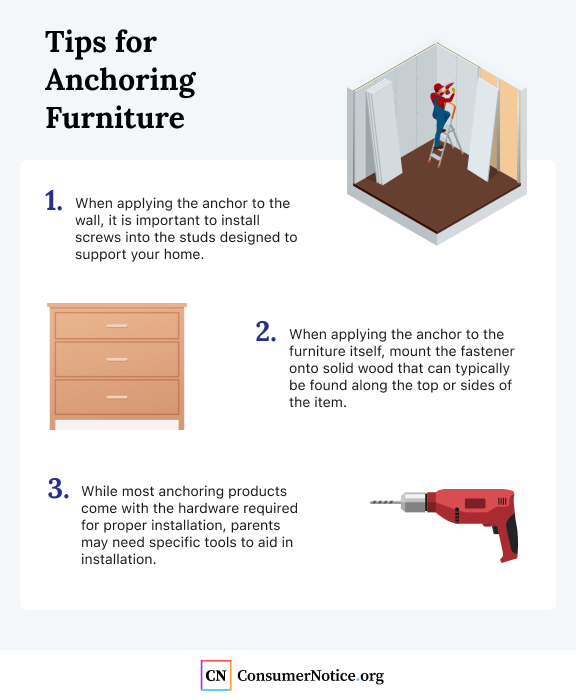
Linking furniture means attaching one piece to another. Use brackets, straps, or special connectors. Connect dressers to bookshelves or tables to chairs. This creates a solid group of furniture. It stops items from sliding or falling over. Choose strong connectors that fit your furniture type. Make sure connections do not damage the furniture.
Cross-bracing Techniques
Cross-bracing adds extra support and balance. Attach braces in an “X” shape between furniture legs or backs. Use metal or wooden braces for strength. This method stops side-to-side movement. It also helps during small shakes or bumps. Secure braces tightly to avoid wobbling. Cross-bracing works well for tall or heavy furniture.
Credit: www.consumernotice.org
Adhesive And Strap Options
Anchoring furniture without a wall can be tricky. Using adhesives and straps offers a safe and effective solution. These options keep furniture stable and prevent tipping. They work well for homes without suitable walls or with rented spaces.
Heavy-duty Adhesives
Heavy-duty adhesives provide strong bonding between furniture and floors. These adhesives are designed to hold large weights and resist movement. They stick well to wood, tile, and concrete surfaces. Apply the adhesive carefully for a secure hold. Make sure the floor and furniture bases are clean and dry before use. Heavy-duty adhesives help keep furniture in place without damaging floors.
Velcro And Straps
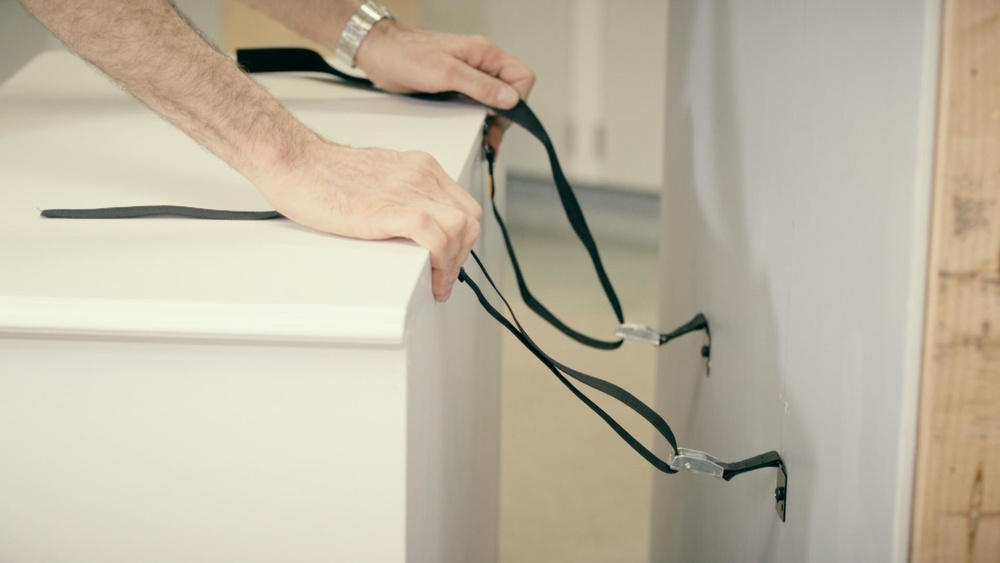
Velcro strips and straps offer flexible anchoring options. They allow easy removal and repositioning of furniture. Velcro works best on flat surfaces and lighter furniture. Straps can wrap around furniture legs or frames for extra support. Use straps with buckles or clips for a tight fit. Both Velcro and straps reduce the risk of tipping. They are perfect for temporary setups or renters.
Custom-built Supports
Custom-built supports offer strong, creative ways to anchor furniture without walls. These supports provide stability and prevent accidents. They fit spaces where walls cannot hold furniture safely. Custom supports can match your room’s style and furniture size. Building your own support gives control over design and function. Below are simple ideas to build custom supports for furniture.
Diy Frames
DIY frames are a popular option for anchoring furniture. You can build a wooden frame around the furniture piece. The frame acts like a brace to keep the furniture steady. Use sturdy wood pieces and screws for strength. Measure carefully to ensure the frame fits snugly. Paint or stain the frame to match your decor. This frame can stand alone or attach to the floor for extra support. It works well for large items like bookshelves or cabinets.
Built-in Anchoring Systems
Built-in anchoring systems integrate support directly into furniture design. This method adds hidden braces or legs that secure the piece to the floor. Some systems include metal brackets or plates fixed inside furniture corners. These braces stop furniture from tipping over without wall help. You can create these supports during furniture assembly or modify existing pieces. This approach keeps the furniture neat and stable, perfect for open rooms without wall space.
Credit: stayhomebody.com
Creative Furniture Placement
Creative furniture placement helps keep your space safe and stylish. Without walls to anchor furniture, think about how to place items smartly. Using corners and room features can give stability and balance. This method keeps furniture steady and prevents tipping.
Corner Positioning
Placing furniture in corners adds natural support. Corners create two solid sides to lean against. This helps large pieces stay in place without extra tools. Use corner spaces for shelves, cabinets, or tall furniture. It makes the room feel cozy and organized. Corners also reduce the risk of furniture falling over.
Utilizing Room Features
Look for built-in features like columns, beams, or steps. These can act as anchors for your furniture. Position pieces next to or around these structures. It adds stability and defines areas within the room. Use features to break open spaces into functional zones. This approach makes your layout practical and inviting.
Safety Checks And Maintenance
Safety checks and regular maintenance keep your anchored furniture secure. Anchors can loosen or wear out over time. Regular care prevents accidents and damage. This section explains how to check and adjust anchors properly.
Regular Inspections
Inspect anchors every few months. Look for any signs of looseness or damage. Check screws and straps for rust or wear. Test the furniture by gently shaking it. If it moves too much, tighten or replace the anchors. Early detection stops bigger problems later.
Adjusting Anchors
Adjust anchors as needed to keep furniture stable. Tighten screws carefully to avoid stripping. Replace worn straps or brackets immediately. Use the right tools for adjustment to avoid damage. Proper adjustment keeps furniture from tipping or falling. This simple step ensures lasting safety for your space.

Credit: www.amazon.com
Frequently Asked Questions
How Can I Anchor Furniture Without A Wall?
You can use floor anchors, heavy-duty brackets, or secure furniture to heavy bases. These methods stabilize furniture safely without relying on walls.
What Materials Work Best For Anchoring Furniture On Floors?
Use sturdy metal brackets, heavy-duty straps, or industrial-strength adhesives. These materials provide strong support to keep furniture anchored on floors.
Are There Safety Tips For Anchoring Furniture Without Walls?
Yes, ensure anchors are firmly attached to floors or heavy bases. Regularly check for looseness and avoid placing furniture on slippery surfaces.
Can Furniture Be Anchored To Ceilings Instead Of Walls?
Yes, ceiling anchors with strong hooks or cables can stabilize tall furniture. Ensure ceiling structures can support the furniture’s weight safely.
Conclusion
Anchoring furniture without walls can feel tricky. Use strong, stable bases like heavy rugs or furniture straps. Position pieces close together for extra support. Think about safety first to avoid accidents. Small changes make a big difference. Keep your space safe and steady with these simple tips.
Furniture stays in place, and you stay worry-free. Easy, smart solutions work well in any room.