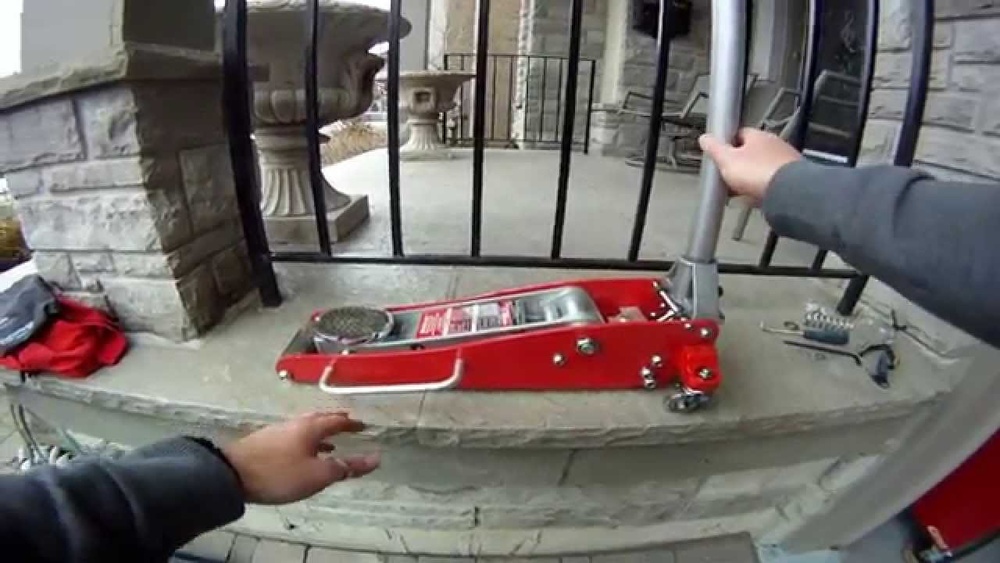
Are you struggling with a floor jack that won’t lift or seems stuck? Fixing your floor jack doesn’t have to be confusing or expensive.
Whether it’s leaking, won’t pump, or feels wobbly, you can solve these common problems with a few simple steps. In this guide, you’ll discover easy ways to get your floor jack working smoothly again—so you can get back to your projects without delay.
Keep reading, and you’ll learn exactly what to do to save time and money while keeping your tools in top shape.
Credit: www.hcrcnow.com
Common Floor Jack Issues
Floor jacks are essential tools for lifting heavy objects safely. They can face common problems over time. Knowing these issues helps you fix the jack and keep it working well. Below are the frequent problems and how to spot them.
Leaking Hydraulic Fluid
Hydraulic fluid leaks cause poor jack performance. Look for wet spots or puddles under the jack. Leaks reduce pressure, making it hard to lift loads. Check seals and hoses for cracks or damage. Replace any worn parts to stop leaks and restore power.
Jack Not Lifting
The jack may not lift due to air trapped in the system. Air pockets stop proper hydraulic pressure. Bleed the jack by opening the release valve slightly and pumping the handle. This removes air and restores lifting ability. Also, inspect the fluid level and add if needed.
Slow Lifting Speed
Slow lifting means the hydraulic system has a problem. Low fluid levels or dirty fluid can cause this. Drain old fluid and refill with fresh hydraulic oil. Check for clogged valves or filters and clean them. Regular maintenance improves lifting speed and safety.
Jack Not Holding Load
The jack dropping the load signals a safety risk. This happens if the release valve leaks or the seals fail. Tighten the release valve or replace it if needed. Inspect seals and change any that are worn out. A secure jack holds the load steadily.
Credit: www.youtube.com
Tools And Materials Needed
Fixing floor jacks requires the right tools and materials. Having everything ready makes the repair faster and safer. Knowing what you need helps avoid interruptions during the work. Here is a list of essential items for floor jack repair.
Essential Repair Tools
You need a set of basic hand tools. A wrench set helps loosen and tighten bolts. Screwdrivers are necessary for removing panels or screws. A hammer can assist in loosening stuck parts. Pliers help grip small components. A jack stand supports the floor jack safely during repair.
Replacement Parts
Some parts wear out and need replacement. Check the hydraulic fluid level and refill if low. Replace worn seals and O-rings to stop leaks. A new release valve may be required for proper operation. Springs and pins might need changing if damaged. Having spare parts ready saves time.
Safety Gear
Safety is important while fixing floor jacks. Wear gloves to protect your hands. Safety glasses shield your eyes from debris. Use steel-toed shoes to protect your feet. Work in a well-lit area to avoid mistakes. Follow safety instructions to prevent injuries.
Fixing Hydraulic Fluid Leaks
Hydraulic fluid leaks cause floor jacks to lose pressure and fail. Fixing these leaks keeps the jack working safely and well. The process starts by finding where the fluid escapes. Then, replacing worn seals and O-rings stops leaks. Finally, adding fresh hydraulic fluid restores proper function.
Locating The Leak
Clean the jack to see all parts clearly. Check around seals, cylinders, and hoses for wet spots. Look for puddles or drops of fluid below the jack. Press the handle and watch for fluid seeping out. Mark the exact spot where the leak appears.
Replacing Seals And O-rings
Remove damaged seals and O-rings from the leak area. Use tools carefully to avoid scratching metal surfaces. Match new seals and O-rings to the old ones by size and shape. Fit the new parts tightly to stop fluid from escaping. Lubricate seals lightly before installation to ease fitting.
Refilling Hydraulic Fluid
Open the fill port or reservoir of the floor jack. Use the recommended hydraulic fluid type for your jack model. Pour fluid slowly to avoid overfilling. Check the fluid level regularly during filling. Close the fill port securely to prevent leaks.
Repairing Slow Or Stuck Lifting
Floor jacks sometimes lift slowly or get stuck. This problem stops work and causes frustration. Fixing slow or stuck lifting often needs simple steps. Understanding how the jack works helps to find the issue fast. Two key fixes are bleeding air and cleaning parts. Both improve the jack’s performance and safety.
Bleeding Air From The System
Air trapped inside the jack’s hydraulic system causes slow lifting. The jack loses power and moves unevenly. Bleeding the air removes this problem. First, open the release valve to let pressure out. Next, pump the handle several times to push air out. Close the valve tightly after pumping. This process restores smooth lifting action. Repeat if the jack still lifts slowly.
Cleaning And Lubricating Moving Parts
Dirt and rust block the jack’s moving parts. This causes stiffness and sticking. Use a clean cloth to wipe dirt off all joints. Apply light oil or grease to hinges and the lifting arm. Move the parts back and forth to spread lubricant evenly. Clean and lubricate regularly to keep the jack working well. This simple care prevents many common lifting problems.
Restoring Load-holding Capacity
Restoring the load-holding capacity of a floor jack ensures it can safely lift and hold heavy loads. Over time, parts can wear out or lose effectiveness. Fixing these issues helps maintain the jack’s strength and reliability. This process involves checking key parts and making small adjustments.
Checking For Worn Components
Start by inspecting the jack’s main parts. Look for cracks, rust, or damage on the lifting arm and base. Check the hydraulic cylinder for leaks or dents. Worn seals can cause oil to leak, reducing pressure. Replace any damaged or worn parts to restore full function. Clean parts can also help the jack work smoothly.
Adjusting The Release Valve
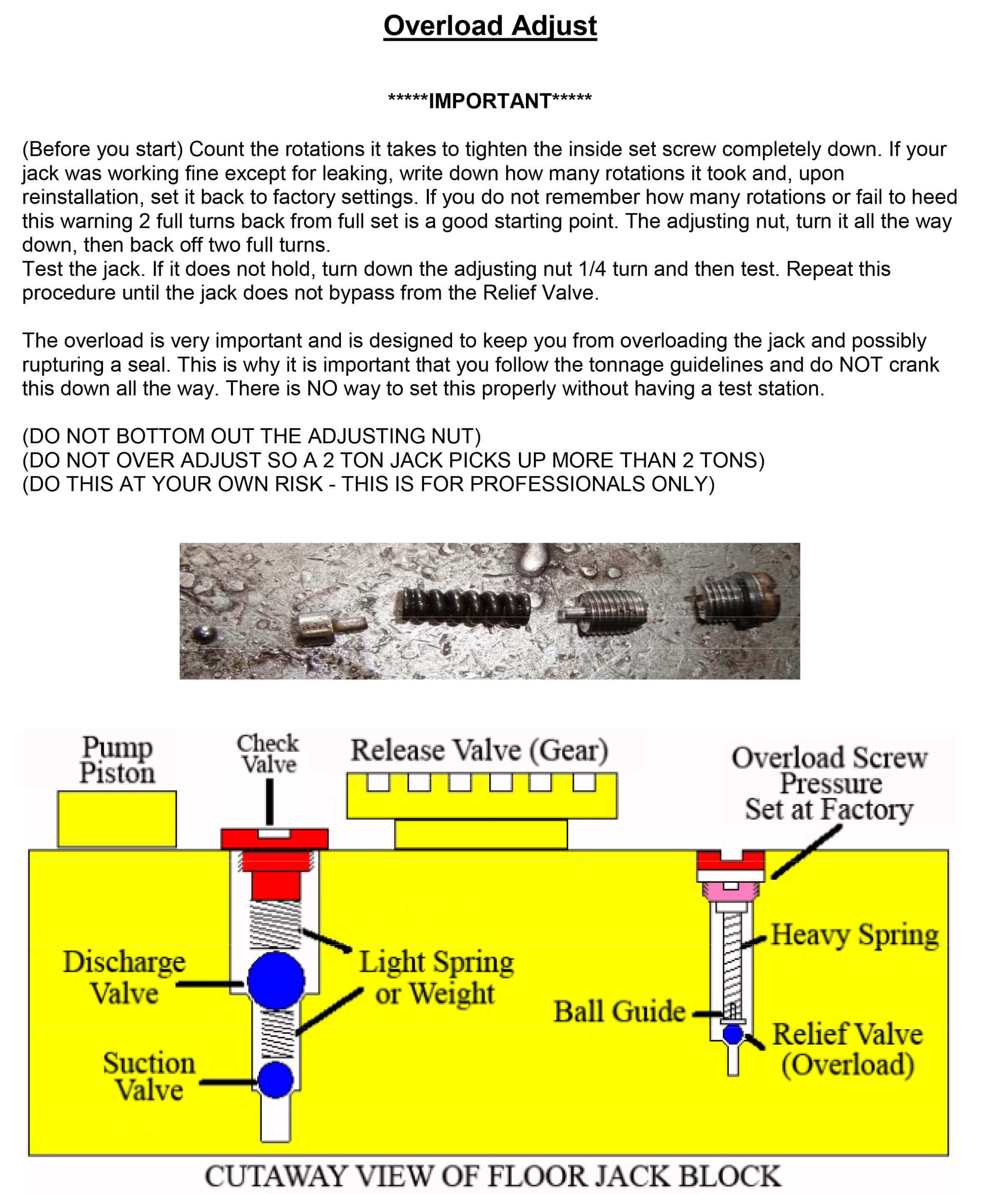
The release valve controls the jack’s load-holding power. If it is too loose, the jack may slowly lower under load. Tighten the valve carefully using a wrench. Turn it in small steps and test the jack each time. Avoid overtightening, which can cause damage. Proper valve adjustment keeps the jack stable and strong.
Preventive Maintenance Tips
Preventive maintenance keeps your floor jacks working safely and smoothly. Small efforts now stop big problems later. Follow these simple tips to extend the life of your equipment. Consistent care helps avoid costly repairs and downtime.
Regular Inspection
Check your floor jack for damage before each use. Look for cracks, rust, or leaks. Make sure all parts move freely and smoothly. Test the lifting mechanism to ensure it holds weight properly. Catching issues early prevents accidents and failures.
Proper Storage
Store the jack in a dry, clean place. Keep it away from moisture to prevent rust. Lower the jack fully before putting it away. Avoid stacking heavy items on top. Good storage protects the jack’s parts and keeps it ready for use.
Routine Lubrication
Apply lubricant to moving parts regularly. Use oil or grease recommended by the manufacturer. Lubrication reduces friction and wear on gears and joints. Clean old grease before adding new. Smooth operation extends the jack’s lifespan and improves safety.
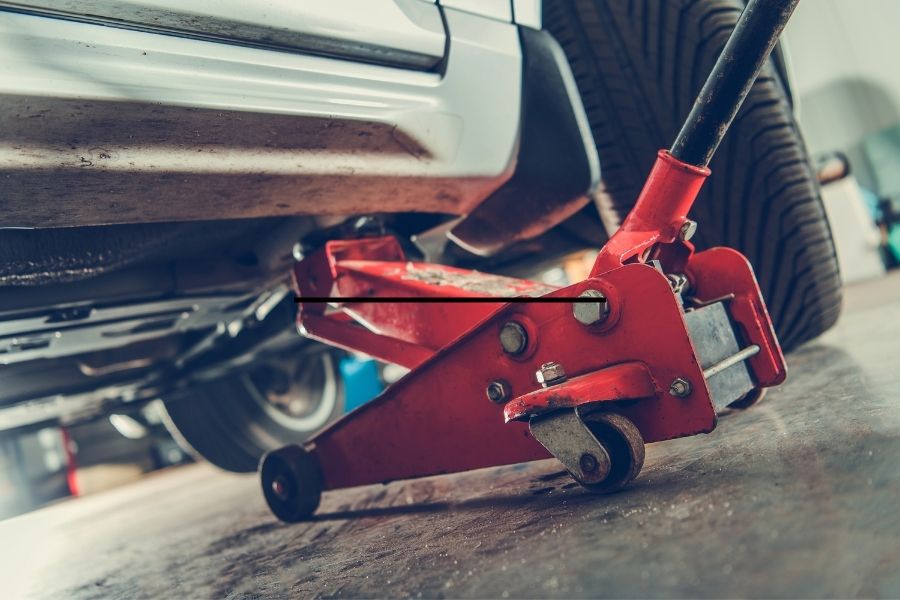
Credit: www.sviinternational.com
Frequently Asked Questions
How Do I Fix A Leaking Floor Jack?
To fix a leaking floor jack, first identify the leak source. Replace worn seals or O-rings. Refill hydraulic fluid as needed. Regular maintenance prevents leaks and ensures smooth operation.
Why Is My Floor Jack Not Lifting Properly?
If your floor jack won’t lift properly, check for low hydraulic fluid or air in the system. Bleed air, top off fluid, and inspect for damaged parts that may need replacement.
How Often Should I Service My Floor Jack?
Service your floor jack every six months or after heavy use. Regular checks and maintenance extend its life and ensure safe, efficient lifting performance.
What Tools Are Needed To Repair A Floor Jack?
Common tools for floor jack repair include wrenches, screwdrivers, hydraulic fluid, replacement seals, and a jack repair kit. Proper tools ensure safe and effective repairs.
Conclusion
Fixing floor jacks is easier than you might think. Start by checking for leaks and worn parts. Clean and lubricate moving pieces regularly. Tighten loose bolts to keep the jack stable. Test the jack carefully before use. Taking these small steps ensures safety and extends your jack’s life.
Keep your tools ready and fix problems early. This way, you avoid costly repairs later. A well-maintained floor jack works smoothly every time. Simple care makes a big difference. Stay safe and confident while using your floor jack.