Is your floor jack moving slower than it should? You rely on it to lift heavy loads quickly and safely, but when it hesitates, it can cause frustration and delay your work.
Don’t worry—fixing a slow floor jack is easier than you think. You’ll discover simple, effective steps to bring your jack back to life. Keep reading to learn how you can save time, avoid costly repairs, and get your tools working like new again.
Common Causes Of Slow Floor Jacks
Slow floor jacks often frustrate users during crucial tasks. Understanding common causes helps fix these issues quickly. Many problems arise from basic mechanical or hydraulic faults. Knowing these can save time and avoid costly repairs.
Hydraulic Fluid Issues
Hydraulic fluid powers the lifting action of the jack. Low or dirty fluid reduces pressure and speed. Old fluid loses its ability to flow smoothly. Check fluid levels regularly. Replace the fluid if it looks dark or thick.
Air Trapped In The System
Air pockets inside the hydraulic system cause slow or jerky movements. This happens after fluid changes or leaks. Air stops the fluid from moving freely. Bleed the system to release trapped air. This restores smooth operation.
Worn Or Damaged Seals
Seals keep hydraulic fluid inside the jack. Worn or cracked seals cause leaks and pressure loss. This leads to slow lifting. Inspect seals for damage or wear. Replace them to maintain proper pressure.
Dirty Or Contaminated Components
Dirt and debris can block valves and pistons inside the jack. These blockages slow down the lift action. Clean the jack parts regularly. Use clean hydraulic fluid and keep the jack covered when not in use.
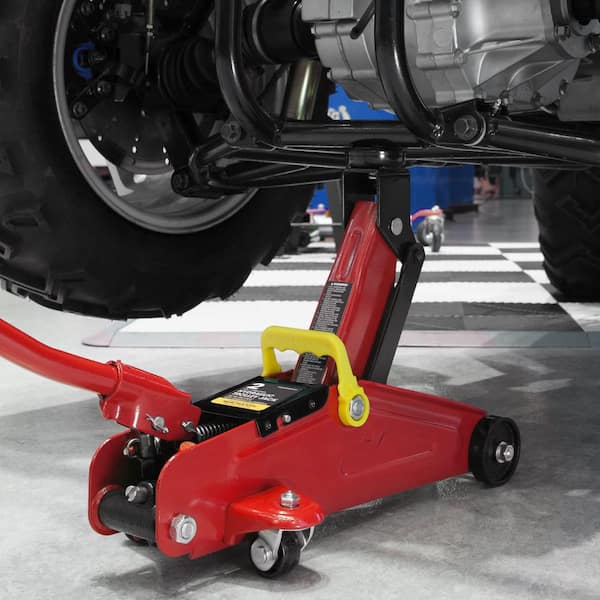
Credit: www.homedepot.com
Tools And Materials Needed
Fixing a slow floor jack requires the right tools and materials. Having these ready makes the repair process easier and faster. This section lists the essential items needed for a smooth repair.
Basic Repair Tools
You need common tools for most floor jack repairs. A socket set helps remove bolts and screws. Wrenches of different sizes fit various nuts. Screwdrivers, both flathead and Phillips, are necessary for opening parts. Pliers come in handy for gripping and pulling. A clean cloth is useful for wiping dirt and oil. A small brush helps clean hard-to-reach areas. Gloves protect your hands from grease and sharp edges.
Replacement Parts
Some parts wear out and need replacing. Check the hydraulic seals first; they often cause slow lifting. Look for new seals made for your jack model. A new release valve may improve performance. The pump piston might need replacement if damaged. Keep spare O-rings for sealing leaks. Use parts from trusted brands to ensure durability.
Hydraulic Fluid Types
Hydraulic fluid keeps your floor jack working smoothly. Use the fluid recommended by the jack manufacturer. Common types include mineral oil and synthetic hydraulic fluid. Avoid motor oil or brake fluid, as they can damage seals. Clean the area before adding new fluid. Proper fluid helps the jack lift quickly and safely.
Step-by-step Repair Process
Fixing a slow floor jack often involves a few key steps. These steps help restore its smooth operation. Following a clear repair process saves time and effort. Start with simple checks, then move to detailed fixes. Each step improves the jack’s performance.
Checking Hydraulic Fluid Levels
Hydraulic fluid powers the jack’s lifting action. Low fluid makes the jack slow or weak. First, find the fluid reservoir. Clean the area around it. Open the reservoir cap carefully. Check the fluid level inside. Add the recommended hydraulic fluid if low. Avoid overfilling, as this can cause damage.
Bleeding Air From The Jack
Air trapped inside the hydraulic system causes slow lifting. Bleeding removes this air for better pressure. Locate the bleed valve or screw. Open it slightly while pumping the handle. Watch for air bubbles escaping. Close the valve tightly once only fluid flows. Test the jack’s lift after bleeding.
Replacing Seals And O-rings
Worn seals and O-rings cause leaks and slow response. Inspect these parts for cracks or damage. Remove the old seals carefully. Match new seals exactly to the old ones. Lubricate seals before installing. Fit them tightly to prevent leaks. This step improves the jack’s strength and speed.
Cleaning Internal Components
Dirt and debris inside the jack block movement. Disassemble parts as needed for cleaning. Use a clean cloth and mild cleaner. Wipe all internal surfaces thoroughly. Remove any rust or buildup gently. Dry parts completely before reassembling. Clean parts move freely and extend jack life.
Credit: bangshift.com
Preventive Maintenance Tips
Preventive maintenance helps keep your floor jack working smoothly. Small, regular care stops slow performance and extends the jack’s life. Simple steps can save time and money on repairs. Follow these tips to avoid common problems and keep your jack ready for use.
Regular Fluid Checks
Check the hydraulic fluid often. Low fluid causes slow lifting and poor pressure. Use the correct type of oil for your jack. Top off the fluid if it is low. Replace old fluid to remove dirt and air bubbles. Clean fluid keeps the jack working fast and strong.
Proper Storage Practices
Store your floor jack in a dry place. Moisture can cause rust and damage seals. Keep the jack lowered when not in use. This prevents pressure loss and protects parts. Cover the jack to keep dust and dirt away. Good storage prevents many common problems.
Routine Inspection Schedule
Inspect your floor jack regularly. Look for leaks, cracks, or worn parts. Tighten loose bolts and screws. Test the lifting speed and stability. Fix small issues before they get worse. A routine check keeps the jack safe and reliable.
When To Seek Professional Help
Knowing when to seek professional help for a slow floor jack saves time and money. Some issues need expert tools and skills. Trying to fix serious problems alone can be unsafe. Watch for clear signs that show the jack is beyond simple DIY fixes. Understanding repair costs versus replacement value helps make smart decisions.
Signs Of Major Damage
Oil leaks are a strong sign of serious damage. The jack may lose pressure or fail to lift properly. Strange noises like grinding or clanking point to worn parts. If the jack lowers suddenly or cannot hold weight, it is unsafe. Rust or bent parts reduce the jack’s strength. These issues need a professional to inspect and fix.
Cost Vs. Repair Value
Compare repair costs with buying a new jack. Major repairs can be expensive and take time. Sometimes, a new jack costs less than fixing old damage. Professionals can estimate repair prices clearly. Choose repair only if the jack is mostly in good shape. Otherwise, replacing the jack is a safer and better value choice.

Credit: www.youtube.com
Frequently Asked Questions
Why Is My Floor Jack Lifting Slowly?
A slow floor jack often indicates low hydraulic fluid or air trapped in the system. Check fluid levels and bleed air to restore speed. Worn seals can also cause slow lifting, so inspect and replace damaged parts as needed.
How Do I Bleed Air From A Floor Jack?
To bleed air, open the release valve slightly and pump the handle several times. This releases trapped air and restores hydraulic pressure. Close the valve fully afterward and test the jack’s lifting speed for improvement.
Can Low Hydraulic Fluid Cause Slow Floor Jack Operation?
Yes, low hydraulic fluid reduces pressure and slows lifting. Always check fluid levels before use. Refill with the recommended hydraulic oil to ensure smooth and efficient jack performance.
How Often Should I Maintain My Floor Jack?
Regular maintenance every 6 months ensures optimal performance. Inspect seals, fluid levels, and moving parts. Proper care prevents slow operation and extends the jack’s lifespan.
Conclusion
Fixing a slow floor jack is easier than it seems. Clean and check all parts carefully. Replace any broken or worn pieces. Use the right oil and keep it filled. Test the jack after every fix. This keeps your work safe and smooth.
Regular care stops problems before they start. A well-kept jack saves time and effort. Simple steps make a big difference. Keep your tools ready for the job ahead.