Have you ever wondered how to control several lights with just one switch? Imagine flipping a single switch and instantly brightening up an entire room or hallway without the hassle of multiple switches.
Connecting multiple lights to one switch not only simplifies your daily routine but also adds a sleek, organized look to your space. If you want to save time, reduce clutter, and make your lighting setup smarter, this guide is exactly what you need.
Keep reading, and you’ll discover easy, step-by-step tips to get your lights working perfectly together—no electrician required!

Credit: diy.stackexchange.com
Tools And Materials Needed
Connecting multiple lights to one switch requires the right tools and materials. Preparing these in advance makes the job easier and safer. This section lists what you need to complete the project smoothly.
Essential Tools
- Screwdriver set (flathead and Phillips)
- Wire stripper and cutter
- Voltage tester
- Electrical tape
- Needle-nose pliers
- Drill (optional for mounting)
Required Materials
- Electrical wires (14/2 or 12/2 gauge)
- Wire nuts
- Light fixtures
- Single-pole switch
- Electrical box
- Light bulbs
Safety Gear
- Insulated gloves
- Safety goggles
- Non-conductive shoes
- Face mask (for dust)
Credit: www.do-it-yourself-help.com
Basic Electrical Concepts
Connecting multiple lights to one switch requires a basic understanding of electricity. Knowing how switches and wiring work helps you do the job safely. This section explains key electrical ideas in simple words. It will guide you through the basics before starting any wiring work.
How Switches Work
A switch controls the flow of electricity. It acts like a gate that opens or closes the path. When the switch is on, electricity flows to the lights. When off, the flow stops and lights go out. This simple action helps control many lights from one place.
Types Of Wiring
Wiring connects switches to lights and power sources. The two main types are series and parallel wiring. Series wiring links lights one after another. If one bulb breaks, all go out. Parallel wiring connects lights separately. Each light works on its own. Parallel is safer and more common for home lighting.
Circuit Load Considerations
Every circuit has a limit on how much power it can handle. This limit is called the load. Too many lights on one switch can overload the circuit. Overloading can cause breakers to trip or wires to overheat. Always check the total wattage of your lights. Make sure it stays below the circuit’s limit for safety.
Planning Your Lighting Setup
Planning your lighting setup is the first step to connect multiple lights on one switch. This phase ensures your lights work well together and the wiring is safe. Careful planning saves time and avoids costly mistakes. Understanding your needs and layout helps you create an efficient lighting system.
Determining Light Locations
Start by deciding where each light will go. Think about the room’s purpose and where you need light most. Place lights near work areas, entrances, or decorative spots. Mark these spots on a room map or blueprint. This helps visualize the overall lighting effect and coverage.
Choosing The Right Switch
Select a switch that can handle all your lights. Check the total wattage of the bulbs connected to the switch. Choose a switch rated for this wattage to avoid overload. Consider dimmer switches if you want to adjust brightness. Make sure the switch matches your wiring and room style.
Mapping Your Wiring Route
Plan the path your wires will follow from the switch to each light. Keep wires hidden inside walls or ceilings for safety and neatness. Avoid crossing wires over heat sources or sharp edges. Use a simple diagram to show the wiring route. This guide helps during installation and future maintenance.
Step-by-step Wiring Process
Connecting multiple lights to one switch is a useful skill for home lighting. The wiring process needs care and clear steps. This guide explains the wiring in simple parts. Follow each step to connect lights safely and correctly.
Turning Off Power Safely
Start by switching off power at the circuit breaker. Check the switch and lights to confirm no electricity flows. Use a voltage tester for extra safety. Never work on live wires. Safety first to avoid shocks and injury.
Connecting The First Light
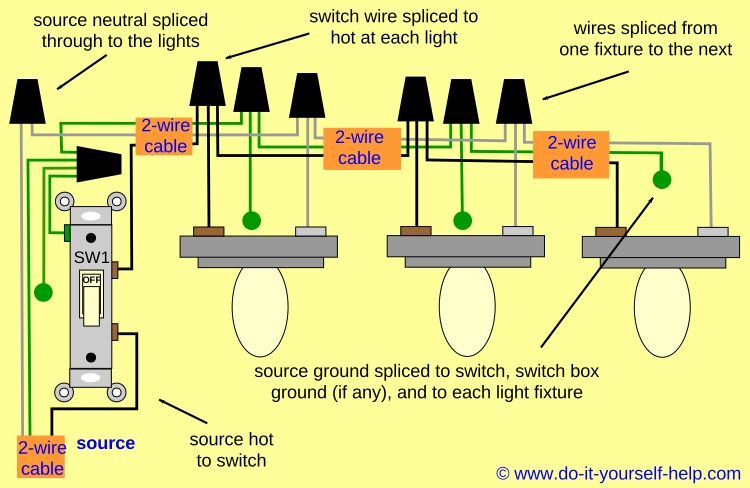
Find the power source cable coming to the switch box. Connect the black (hot) wire from power to the switch’s input terminal. Attach the black wire from the first light to the switch’s output terminal. Join the white (neutral) wires together. Connect the ground wires to the switch’s green screw or grounding point.
Adding Additional Lights
Run wires from the first light box to the next light. Connect black wires from the first light to the second light’s black wire. Join white wires from the first light to the second light’s white wire. Connect ground wires between light boxes. Repeat these steps for each extra light in the chain.
Securing Connections
Use wire nuts to cover all wire joins tightly. Twist wires together before adding the wire nut. Check that no bare wire shows outside the nut. Wrap electrical tape around wire nuts for added security. Push wires neatly into boxes to avoid damage. Tighten all screws on switches and fixtures firmly.
Testing Your Installation
Testing your installation is a crucial step after connecting multiple lights on one switch. It ensures safety and proper functionality. Check every part carefully before finalizing the setup. This process helps to find problems early and fix them fast.
Restoring Power
Turn the main power back on at the circuit breaker. Make sure the switch is in the off position first. This prevents any sudden sparks or damage. After restoring power, prepare to check the lights one by one.
Checking Light Functionality
Flip the switch to see if all lights turn on. Watch for any flickering or dim bulbs. Each light should glow steadily and at full brightness. Test each light fixture connected to the switch. Note any lights that do not respond or work weakly.
Troubleshooting Common Issues
If some lights do not work, check the wiring again. Loose connections are the usual cause of problems. Tighten any screws and reconnect wires if needed. Replace bulbs that are burnt out or broken. Confirm the switch itself is not faulty by testing it with a multimeter.
Safety Tips And Best Practices
Connecting multiple lights to one switch requires care and attention to safety. Following safety tips and best practices keeps your home secure and your wiring functional. Small mistakes can cause serious electrical problems. Take time to learn key safety steps before starting your project.
Avoiding Electrical Hazards
Always turn off power at the breaker before working with wires. Test wires with a voltage tester to ensure no current flows. Use insulated tools to prevent shocks. Keep water away from electrical parts. Never touch wires with wet hands. Wear rubber-soled shoes for added safety. Avoid overcrowding electrical boxes to reduce fire risks.
Using Proper Wire Gauges
Use the correct wire size for the circuit’s amperage. Thin wires can overheat and cause fires. Common household lights often use 14-gauge wire, but check local codes. Use wires rated for your light fixtures and switch. Keep wire lengths neat and secure inside junction boxes. Proper wiring ensures safe current flow and long-lasting connections.
When To Call A Professional
Call an electrician if unsure about wiring or safety rules. Complex circuits need expert knowledge and tools. Professionals handle permits and inspections too. Avoid risks from faulty wiring or overloads. Hiring a pro saves time and prevents accidents. Safety matters most for your home and family.

Credit: www.youtube.com
Frequently Asked Questions
How Can I Connect Multiple Lights To One Switch Safely?
To connect multiple lights to one switch, link all light wires in parallel. Use proper wire gauges and secure connections. Turn off power before starting. Follow electrical codes and consider consulting a professional for safety.
What Type Of Wiring Is Needed For Multiple Lights?
Use parallel wiring for multiple lights on one switch. This method ensures each light receives full voltage. Use appropriate wire gauge, typically 14 or 12 AWG. Ensure wires are securely connected with wire nuts or connectors.
Can One Switch Handle Many Lights Without Issues?
Yes, one switch can handle multiple lights if the total load is within its rating. Check the switch’s amperage rating and the combined wattage of all lights. Avoid overloading to prevent overheating and electrical hazards.
Do I Need Special Switches For Multiple Lights?
No special switch is required for multiple lights. A standard single-pole switch works if it supports the total current load. For dimming multiple lights, use compatible dimmer switches designed for the load type.
Conclusion
Connecting multiple lights to one switch is simple with the right steps. Always turn off the power before starting to stay safe. Use proper wiring methods to avoid problems later. Test the lights after installation to ensure they work well.
This setup saves space and makes lighting control easy. With care, you can handle this project yourself. Brighten your space without extra switches or hassle.