If you own a 6 ton hydraulic floor jack, you know how important it is to keep it working smoothly and safely. But do you know how to service it properly?
Taking care of your jack can save you time, money, and even prevent accidents. In this guide, you’ll learn simple, step-by-step tips to maintain your floor jack like a pro. Whether you use it occasionally or daily, servicing your jack will keep it strong and reliable whenever you need it.
Ready to extend the life of your floor jack and avoid costly repairs? Let’s dive in and get your jack in top shape!
Credit: otctools.com
Tools And Materials Needed
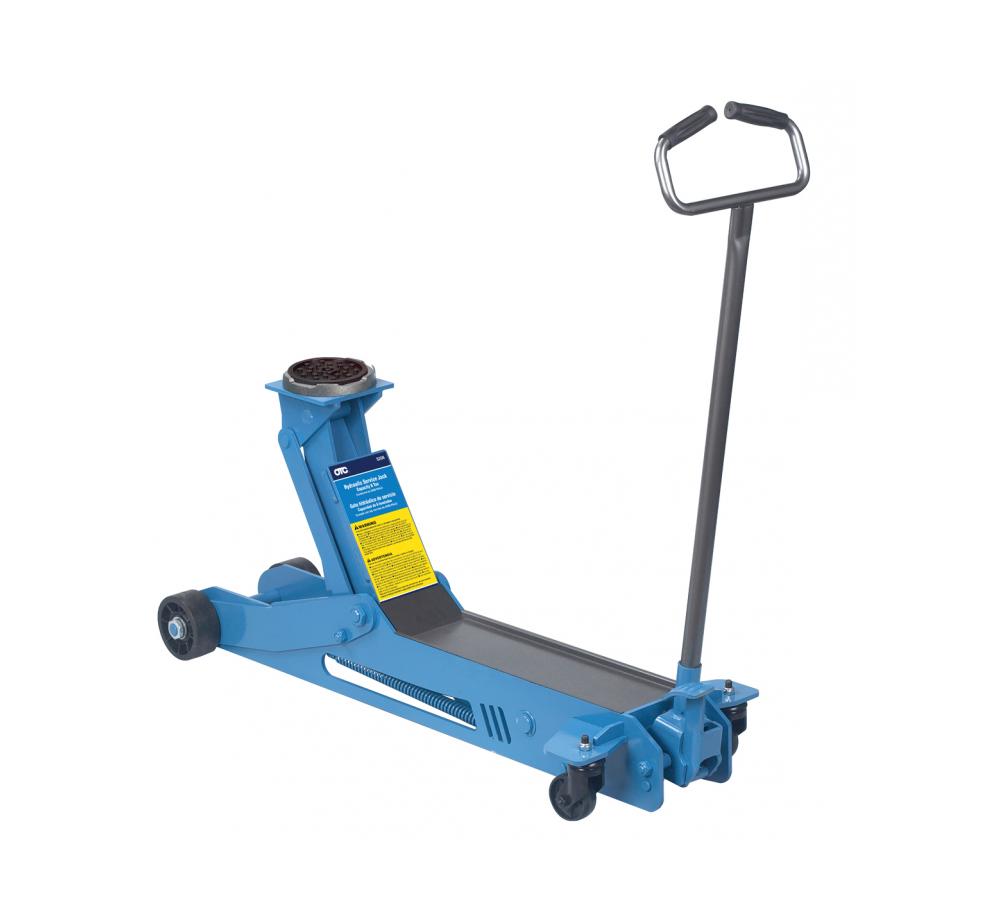
Servicing a 6 ton hydraulic floor jack requires specific tools and materials. Having the right items makes the job easier and safer. It helps maintain the jack’s performance and extends its life.
This section lists all necessary tools and materials. Prepare them before starting the service. This saves time and avoids interruptions during the process.
Basic Hand Tools
You need wrenches, screwdrivers, and pliers. These tools help open and adjust parts of the jack. A socket set is useful for loosening bolts and nuts.
Hydraulic Fluid
Use the correct hydraulic oil for your jack model. This fluid powers the lifting mechanism. Check your jack’s manual for the right type and amount.
Cleaning Supplies
Keep cloths, rags, and a small brush ready. Clean dirt and grease from the jack before servicing. This prevents contamination of the hydraulic system.
Seal Kit And Replacement Parts
Have seals, O-rings, and other spare parts on hand. These parts often wear out and need replacing. Using original or compatible parts is best.
Safety Gear
Wear gloves and safety glasses to protect yourself. Safety is important when handling hydraulic tools and fluids. Avoid injuries by using the right gear.

Credit: www.ebay.com
Safety Precautions
Safety is the top priority when servicing a 6 ton hydraulic floor jack. This tool holds heavy weights, so mistakes can cause serious harm. Follow safety steps carefully to protect yourself and others.
Wear the right gear and check the jack’s condition before starting work. Use the jack on a flat, solid surface to keep it stable. Keep your hands clear of moving parts to avoid injuries.
Wear Protective Equipment
Always wear gloves to protect your hands from sharp edges. Use safety glasses to shield your eyes from debris. Closed-toe shoes help protect your feet from heavy objects.
Inspect The Jack Before Servicing
Look for cracks, leaks, or damage on the jack body. Check the hydraulic fluid level and quality. Never service a jack that looks unsafe or broken.
Use The Jack On A Flat Surface
Place the jack on firm, level ground to prevent slipping. Avoid soft or uneven floors that can cause the jack to tip. Use wheel chocks to stop vehicle movement.
Keep Hands And Body Clear
Stay clear of the jack’s lifting arm and moving parts. Do not place any body part under a lifted load. Use proper tools and avoid shortcuts to prevent accidents.
Preparing The Jack For Service
Preparing your 6 ton hydraulic floor jack for service is important. It helps keep the jack working well and safely. Taking time to prepare the jack makes the service process easier. You avoid mistakes and damage.
Start by making sure the jack is clean and in the right place. These steps protect the jack and help you see any problems clearly. Follow the tips below to prepare your jack correctly.
Cleaning The Exterior
Remove dirt and grease from the jack’s surface. Use a cloth or brush with mild soap and water. Avoid harsh chemicals that can harm the paint or metal parts. Wipe the jack dry after cleaning. Clean surfaces show leaks, cracks, and wear better. A clean jack is safer to work on and lasts longer.
Positioning The Jack
Place the jack on a flat, stable surface. This stops it from moving during service. Make sure the area has good light to see all parts clearly. Keep the jack away from dirt or wet spots. Position it so you can reach all parts easily. Proper placement reduces accidents and helps you service the jack well.
Checking And Replacing Hydraulic Fluid
Checking and replacing the hydraulic fluid is key for your 6 ton floor jack’s performance. Clean fluid helps the jack lift smoothly and safely. Old or dirty fluid can cause leaks and reduce lifting power. Regular fluid maintenance extends the jack’s life and prevents costly repairs.
Locating The Fluid Reservoir
Start by finding the fluid reservoir. It is usually near the base of the jack. Look for a small cap or plug. The cap might have a dipstick attached. This reservoir holds the hydraulic fluid that powers the jack.
Draining Old Fluid
Place a container under the reservoir to catch old fluid. Unscrew the cap carefully. Let the fluid drain completely. Some jacks have a drain plug at the bottom. Use it if available to remove all fluid. Dispose of the old fluid safely.
Refilling With New Fluid
Fill the reservoir with fresh hydraulic fluid. Use the type recommended in the jack’s manual. Pour slowly to avoid air bubbles. Fill until the fluid reaches the proper level. Replace the cap tightly after refilling. Test the jack to ensure smooth operation.
Inspecting And Replacing Seals
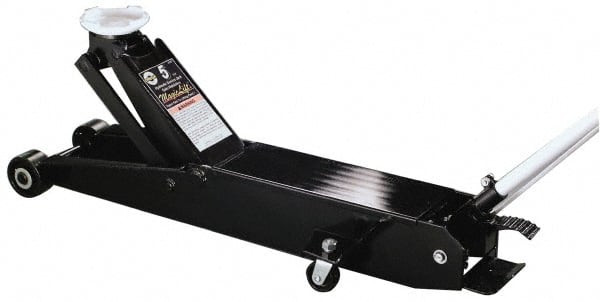
Inspecting and replacing seals is key to keeping a 6 ton hydraulic floor jack working well. Seals stop oil leaks and keep pressure strong. Over time, seals wear out and cause problems. Checking seals often helps avoid damage and costly repairs. This section explains how to spot worn seals and replace them safely.
Identifying Worn Seals
Look for oil leaks near the jack’s hydraulic parts. Cracks or hard spots on seals show wear. If the jack loses pressure or lifts slowly, seals might be bad. Dirty or dry seals also need changing. Regular checks catch seal problems early.
Removing And Installing New Seals
First, clean the jack surface around the seals. Use the right tools to remove old seals gently. Avoid scratching metal parts during removal. Apply a little hydraulic oil to new seals before fitting. Place new seals carefully in the correct position. Check the seal sits tight and even. Reassemble the jack and test it for leaks and pressure.
Credit: www.mscdirect.com
Bleeding Air From The System
Bleeding air from the hydraulic floor jack is a crucial step in its maintenance. Air trapped inside the hydraulic system can cause the jack to lose lifting power or become unsteady. Removing this air ensures smooth and safe operation.
When air enters the system, it compresses easily, unlike the hydraulic fluid. This makes the jack feel soft or spongy during use. Bleeding the air restores the jack’s full strength and stability.
Prepare The Jack For Bleeding
Start by placing the jack on a flat surface. Lower it completely to release pressure. Locate the bleeder screw or valve on the jack. Keep a container ready to catch any leaking fluid.
Open The Bleeder Valve
Use a wrench to gently open the bleeder valve. Open it just enough to let air escape, not too wide. You may hear a hissing sound as air leaves the system.
Pump The Jack Slowly
Pump the jack handle slowly several times. This pushes air bubbles toward the bleeder valve. Keep pumping until no more air escapes. Watch for steady fluid flow without bubbles.
Close The Bleeder Valve
Once air stops escaping, close the bleeder valve tightly. Check the jack handle for firmness. The jack should now lift smoothly without sponginess.
Check Hydraulic Fluid Level
After bleeding, inspect the fluid level in the reservoir. Add the recommended hydraulic fluid if low. Proper fluid level helps prevent air from re-entering the system.
Lubricating Moving Parts
Lubricating the moving parts of a 6 ton hydraulic floor jack keeps it working smoothly. It stops parts from wearing out too fast. Proper lubrication reduces friction and helps the jack lift heavy loads easily. This simple step saves money and time by avoiding repairs.
Use the right type of oil or grease for each part. Clean old grease or dirt before applying new lubricant. This lets the oil reach all the tiny spaces where parts move. Regular lubrication makes the jack safer and more reliable.
Cleaning Old Grease And Dirt
Start by wiping off old grease and dirt. Use a clean cloth or rag to remove grime. Dirt can block oil from reaching moving parts. Avoid using water, as it can cause rust. A dry brush works well for tight spots.
Choosing The Right Lubricant
Pick a lubricant made for hydraulic tools. Light machine oil works well on joints. Use grease for gears and larger parts. Avoid thick grease that can clog small parts. Check the jack’s manual for recommended products.
Applying Lubricant To Joints And Pivots
Apply oil to all joints and pivot points. Use a small brush or oil dropper for precision. Move the jack handle to spread the lubricant evenly. Avoid over-oiling; excess can attract dirt. A thin, even layer works best.
Lubricating The Hydraulic Ram
Carefully oil the hydraulic ram’s seals and rods. This keeps the ram sliding smoothly. Use light oil to avoid damaging seals. Wipe off extra oil to prevent dust buildup. Check for leaks or cracks while lubricating.
Regular Maintenance Schedule
Lubricate moving parts every few months or after heavy use. Frequent checks keep the jack in top shape. Set reminders to avoid forgetting this step. Consistent care extends the life of the floor jack.
Testing The Jack After Service
Testing the jack after service is a crucial step to ensure it works safely. This step confirms the jack lifts smoothly and holds weight without problems. Proper testing helps find issues before using the jack on heavy loads. Follow these simple checks to verify your 6 ton hydraulic floor jack is ready.
Checking Lift Performance
Start by lowering the jack completely. Pump the handle slowly and watch the lifting arm. It should rise steadily without jerks or strange sounds. The jack must lift a test load smoothly. Use a heavy object or vehicle wheel as a test. Hold the load raised for a few minutes to check stability. The jack should not sink or drop under weight. If the lift feels weak, check the hydraulic fluid or seals.
Monitoring For Leaks
Inspect the jack closely for any fluid leaks. Look around the hydraulic cylinder and fittings. Leaks cause loss of pressure and poor lifting. Use a clean cloth to wipe suspicious spots. Check again after pumping the handle. Small leaks can worsen quickly. Fix leaks before using the jack for safety. Proper seals and fluid levels keep your jack working well.
Common Issues And Troubleshooting
Hydraulic floor jacks are strong tools but can face problems. Knowing common issues helps you fix them fast. Regular checks keep the jack working well. Some problems are easy to spot and solve. Others need careful attention to avoid damage.
Hydraulic Jack Won’t Lift
Check the hydraulic fluid level first. Low fluid means the jack cannot build pressure. Add the correct oil if needed. Also, look for leaks around the seals. Air trapped inside the system can stop lifting. Bleed the jack to remove air bubbles.
Jack Slowly Lowers Under Load
This problem often shows a worn or damaged release valve. Tighten the valve to stop slow lowering. If it still lowers, replace the valve. Dirt or debris can block the valve too. Clean the parts carefully before reassembling.
Pump Handle Feels Spongy
A spongy pump handle means air in the system. Air reduces hydraulic power. Bleed the jack to clear the air. Check for leaks that let air inside. Also, inspect seals and replace if cracked or worn.
Jack Won’t Lower
If the jack lifts but won’t lower, the release valve may be stuck. Turn the valve slowly to open it. Apply lubricant to free stuck parts. Avoid forcing the valve to prevent damage. Clean any dirt blocking the mechanism.
Frequently Asked Questions
How Often Should I Service A 6 Ton Hydraulic Floor Jack?
You should service your 6 ton hydraulic floor jack every 6 months or after 100 uses. Regular maintenance ensures safety and extends jack life.
What Tools Are Needed To Service A Hydraulic Floor Jack?
Basic tools include a wrench set, screwdriver, hydraulic oil, clean rags, and a grease gun. These help in cleaning, oil replacement, and lubrication.
How Do I Check Hydraulic Fluid Levels In The Jack?
Remove the fill plug, then inspect the fluid level inside. It should be just below the fill hole. Add oil if levels are low.
Can I Use Any Hydraulic Oil For Servicing The Jack?
Use manufacturer-recommended hydraulic oil only. Using the wrong oil can damage seals and affect jack performance.
Conclusion
Servicing a 6 ton hydraulic floor jack keeps it working safely and well. Regular checks stop problems before they grow. Clean parts and fresh oil help the jack lift smoothly. Tighten bolts and test the jack after service. Taking small steps saves money and avoids accidents.
Follow these tips to keep your jack ready for any job. Simple care makes a big difference in the jack’s life. Keep it strong, safe, and reliable every time you use it.