Is your light switch acting up, leaving you in the dark at the worst times? You’re not alone, and the good news is, fixing it might be easier than you think.
Imagine saving time and money by handling this simple repair yourself. In this guide, you’ll discover clear, step-by-step instructions to get your light switch working smoothly again. Keep reading, and soon you’ll have the confidence to tackle this common household problem with ease.
Your bright, well-lit home is just a few steps away.

Credit: www.wikihow.com
Signs Of A Faulty Light Switch
Knowing the signs of a faulty light switch helps keep your home safe. Faulty switches can cause lights to act strangely or stop working. Early detection prevents bigger problems like electrical fires or damage. Watch for unusual signs to fix issues quickly.
Flickering Lights
Lights that flicker when you use the switch often mean a loose connection. Flickering may happen even when the switch is off. This can cause bulbs to burn out faster. Check the switch to avoid electrical hazards.
Switch Feels Hot
A switch that feels warm or hot to touch is a warning sign. Heat means excess electricity is flowing through the switch. This can damage the wiring inside the wall. Turn off power and inspect the switch immediately.
No Response When Toggled
When a switch does not turn lights on or off, it may be broken. No response means the switch is not completing the circuit. The problem could be worn contacts or internal damage. Replace the switch to restore proper function.
Sparking Or Burning Smell
Sparks or a burning smell near the switch are serious dangers. These signs show short circuits or overheating parts. Stop using the switch right away. Contact an electrician to avoid fire risks and repair the issue safely.
Tools And Materials Needed
Fixing a light switch requires the right tools and materials. These help you work safely and efficiently. Having everything ready saves time and avoids mistakes. Each tool plays a specific role in the process.
Screwdrivers
Screwdrivers are essential for removing and installing screws on the switch plate. A flat-head and a Phillips-head screwdriver cover most switch types. Choose screwdrivers with comfortable handles for better grip.
Voltage Tester
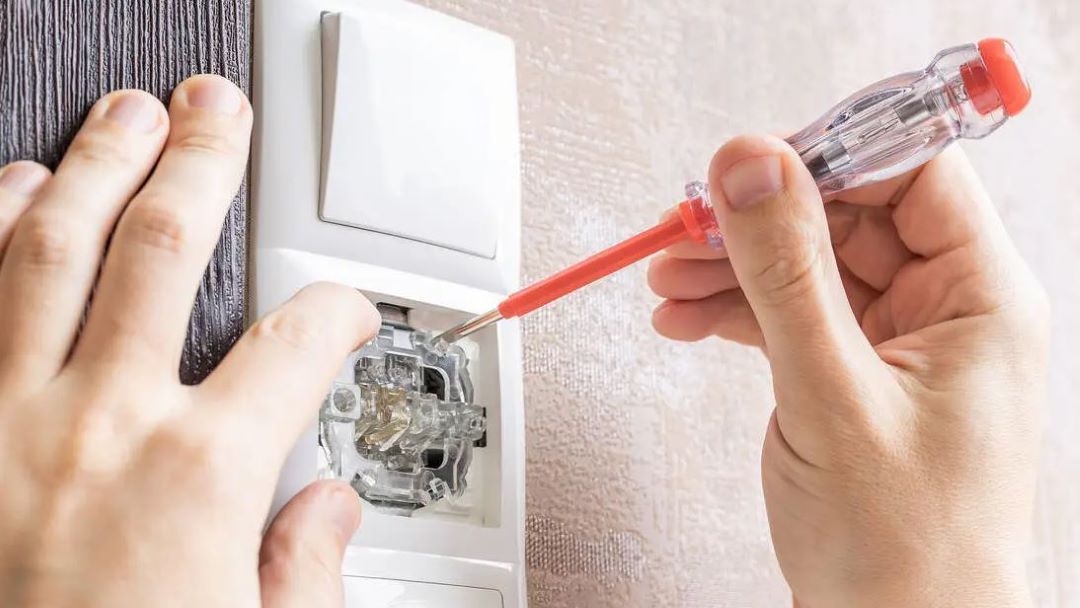
A voltage tester checks if the power is off before you touch wires. It prevents electric shocks and keeps you safe. Always test the wires at the switch before starting work.
Replacement Switch
The replacement switch matches your old switch type and rating. Choose one that fits your home’s electrical system. This ensures the switch works properly and lasts long.
Wire Strippers
Wire strippers remove insulation from wires without damaging them. They help prepare wires for connection to the new switch. Use the correct size slot for clean stripping.
Safety Precautions
Fixing a light switch requires careful attention to safety. Electric shocks can cause serious injury. Taking the right precautions protects you and your home. Follow each step closely to avoid accidents.
Turn Off Power At Circuit Breaker
Start by turning off the power at the main circuit breaker. This stops electricity from reaching the switch. Do not rely on the switch’s off position alone. Always use the breaker to cut power completely.
Verify Power Is Off
Use a voltage tester or a simple tester tool. Check the switch and wires to make sure no electricity flows. Test the tool on a live source first to confirm it works. Never touch wires before confirming power is off.
Use Insulated Tools
Choose tools with insulated handles for extra protection. These tools reduce the risk of electric shock. Avoid using metal tools without insulation. Insulated tools keep you safe while working on electrical parts.

Credit: www.youtube.com
Removing The Old Switch
Removing the old light switch is the first step in fixing it. This process needs care and attention for safety. Always turn off power at the breaker before starting. This keeps you safe from electric shocks. Follow these steps to remove the switch properly.
Unscrew The Switch Plate
Start by unscrewing the switch plate cover. Use a screwdriver to remove the screws gently. Keep the screws in a safe place for later use. Take off the cover to see the switch inside.
Disconnect Wires Carefully
Next, disconnect the wires attached to the switch. Use a screwdriver to loosen the terminal screws. Pull the wires out slowly without damaging them. Avoid touching any metal parts with bare hands.
Note Wire Positions
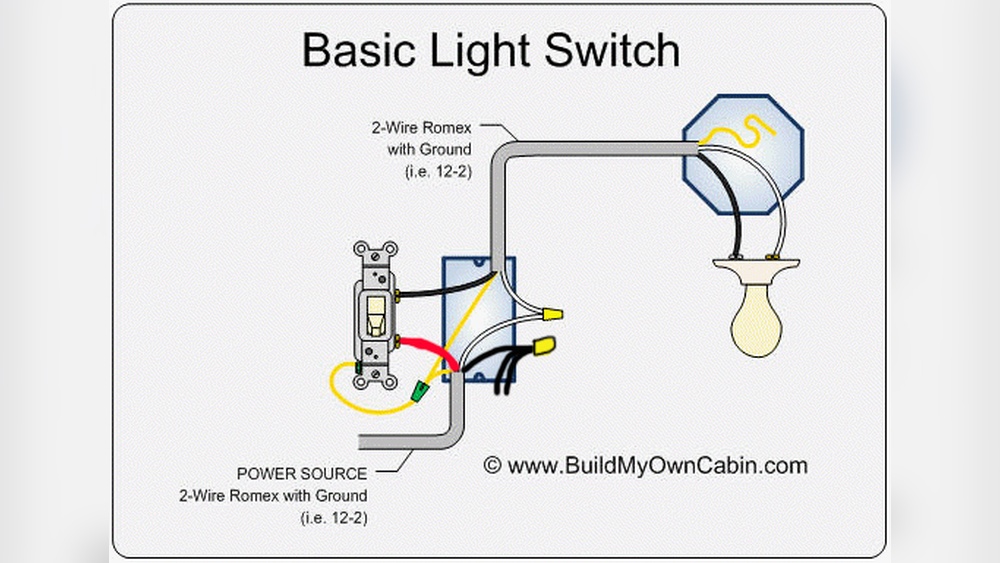
Observe where each wire connects on the old switch. Take a clear photo or draw a simple diagram. This helps when attaching wires to the new switch. Correct wiring ensures the switch works properly and safely.
Installing The New Switch
Installing the new switch is a key step in fixing a light switch. It needs care and attention to ensure safety and proper function. Follow each step slowly and carefully. This will help avoid mistakes and keep the switch working well for a long time.
Connect Wires To New Switch
Start by matching the wires from the wall to the new switch terminals. Usually, black wires connect to brass screws. White wires go to silver screws. Use a screwdriver to tighten the screws firmly. Loose wires can cause the switch to fail or spark.
Check that no bare wire shows outside the screws. This stops accidental contact with other wires or metal parts. Make sure the wires are tight but not damaged.
Secure The Switch In Place
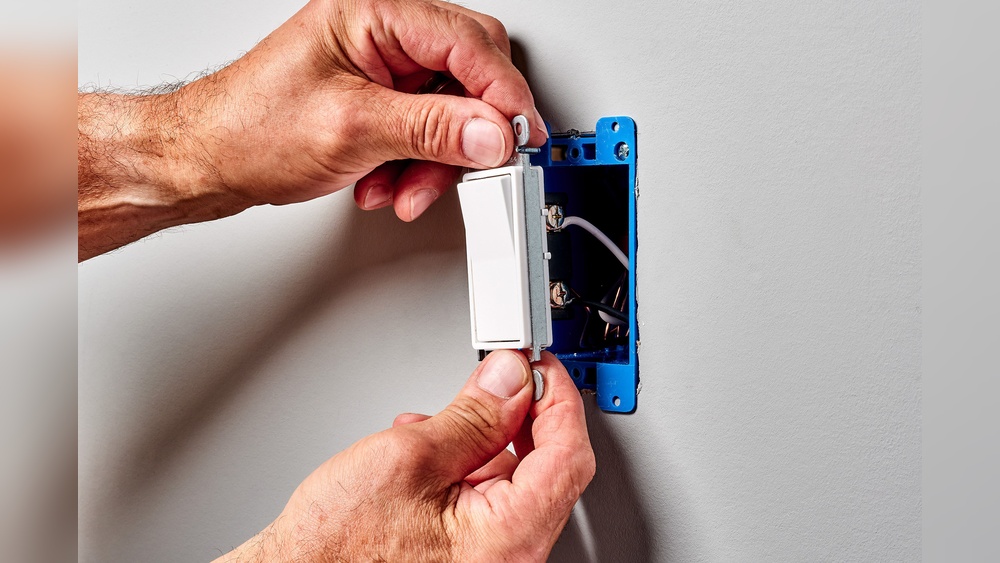
Push the wires gently back into the electrical box. Avoid bending or pinching the wires. Align the switch with the screw holes on the box. Use the screws to fix the switch firmly. It should not move or wiggle.
A well-secured switch feels solid when you turn it on or off. This also helps keep the wires safe inside.
Attach The Switch Plate
Place the switch plate over the new switch. Align the screw holes on the plate with those on the switch. Insert the screws and tighten them gently. Do not overtighten, or the plate may crack.
The switch plate protects the wires and gives a clean look. It also prevents dirt and dust from entering the switch box.
Credit: www.litoelectrical.com
Testing The Repair
Testing the repair is an important step after fixing a light switch. It ensures the switch works correctly and safely. Take your time to check everything carefully. Follow these steps to confirm your repair is successful.
Restore Power
Turn the circuit breaker back on to restore power. Make sure the area is dry and safe before doing this. Watch for any sparks or unusual sounds. If everything looks normal, proceed to test the switch.
Check Switch Operation
Flip the switch up and down several times. Notice if the light turns on and off without flickering. The switch should feel smooth and firm. If it clicks or feels loose, it may need more work.
Troubleshoot If Needed
If the light does not turn on, check the wiring again. Make sure all connections are tight and correct. Use a voltage tester to check for power at the switch. Replace the switch if it still does not work.
When To Call A Professional
Knowing when to call a professional electrician is important for safety. Some problems with light switches need expert help. Trying to fix these issues yourself can be risky. A professional has the right tools and knowledge to solve difficult electrical problems safely. Below are signs that mean you should call a pro.
Complex Wiring Issues
Wiring inside walls can be tricky. If wires are tangled or damaged, do not try to fix them alone. Complex wiring can cause shorts or fires. Professionals can trace wires and fix problems without danger. They follow safety codes to keep your home safe.
Repeated Switch Failures
If a switch breaks again and again, it shows a bigger problem. Faulty switches may mean bad wiring or electrical surges. Replacing the switch alone will not solve the issue. A professional will check the entire circuit to find the root cause.
Electrical Panel Concerns
Problems near the electrical panel require urgent attention. Signs like burning smells, sparks, or tripped breakers mean trouble. The panel controls power to your home and must work right. Experts can inspect and repair panels safely to prevent hazards.
Tips For Maintaining Light Switches
Keeping light switches in good shape helps avoid electrical problems. Simple care steps extend their life and keep your home safe. Follow these tips to maintain light switches easily and effectively.
Regular Cleaning
Dust and dirt build up on light switches over time. Use a dry cloth or soft brush to clean the surface. Avoid using water or wet cleaners to prevent damage. Clean switches regularly to keep them looking new and working well.
Avoid Overloading Circuits
Too many devices on one circuit can cause switches to fail. Know the limit of your circuit’s capacity. Spread out electrical devices across different circuits. This prevents overheating and protects your switches from damage.
Inspect Periodically
Check switches for cracks, looseness, or flickering lights. Loose switches can cause sparks and electrical shocks. Tighten screws and replace faulty switches immediately. Regular inspections catch problems early and keep your home safe.
Frequently Asked Questions
How Do I Safely Turn Off Power Before Fixing A Switch?
Always switch off the circuit breaker to cut power supply. Use a voltage tester to confirm no current flows. Safety first prevents electric shocks when repairing a light switch.
What Tools Are Needed To Fix A Faulty Light Switch?
You need a screwdriver, voltage tester, wire stripper, and replacement switch. These tools help you remove the old switch and install a new one safely.
How Can I Tell If A Light Switch Is Defective?
If the switch feels loose, sparks, or doesn’t control lights properly, it’s likely defective. Flickering lights or a burning smell are also signs of failure.
Can I Fix A Light Switch Without Professional Help?
Yes, if you follow safety steps and have basic electrical knowledge. Always turn off power and use proper tools. For complex issues, consult a professional electrician.
Conclusion
Fixing a light switch can be simple with basic steps. Always turn off the power first. Check wires carefully and connect them properly. Use a tester to ensure safety and function. Taking your time helps avoid mistakes. Small repairs save money and keep your home safe.
Feel confident tackling this task on your own. Keep tools handy for future fixes. A working light switch brightens your space instantly.