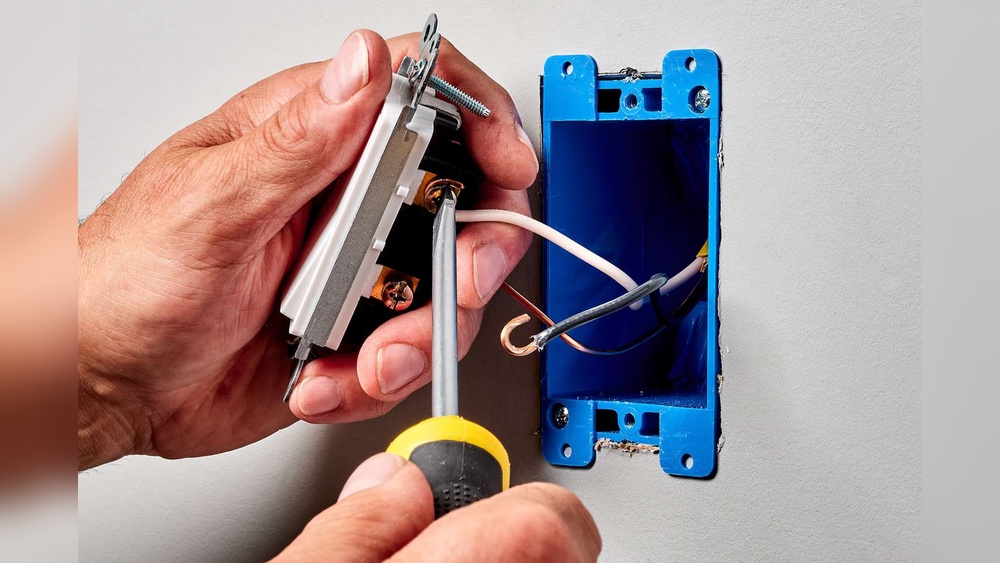
Have you ever wondered how many volts a light switch should have? Whether you’re fixing a switch or planning new wiring, knowing the right voltage is crucial for your safety and your home’s electrical system.
Getting this detail wrong can lead to problems you don’t want to face. You’ll discover exactly what voltage a light switch should handle and why it matters for your daily life. Keep reading to make sure your light switches work safely and efficiently every time.
Common Light Switch Voltages
Light switches control the flow of electricity to lamps and other devices. Knowing the common voltages helps in choosing the right switch. Voltage ratings ensure the switch works safely and lasts longer.
Different places and buildings use different voltages for their light switches. This section explains the typical voltage levels you will find.
Standard Residential Voltages
Most homes use light switches rated for 120 volts. This is the common voltage in houses across North America. It matches the standard power supply in these areas. Residential switches must handle this voltage safely. Some homes have 240-volt circuits for special appliances. But general light switches usually stick to 120 volts.
Commercial Voltage Variations
Commercial buildings often use higher voltages than homes. Many offices and stores have 277-volt lighting systems. This voltage is common in large buildings for efficiency. Light switches in these places need to support higher voltage. Switches rated for 277 volts prevent damage and electrical hazards. Some commercial sites also use 120-volt switches in certain areas.
International Voltage Differences
Voltage standards vary worldwide. In Europe, most homes use 230 volts for lighting. Asia and Australia also commonly use 220 to 240 volts. Light switches there are designed for these voltages. Using the wrong voltage switch can cause failure or danger. Always check the local voltage before installing switches.
Credit: www.homedepot.com
Voltage Ratings And Safety
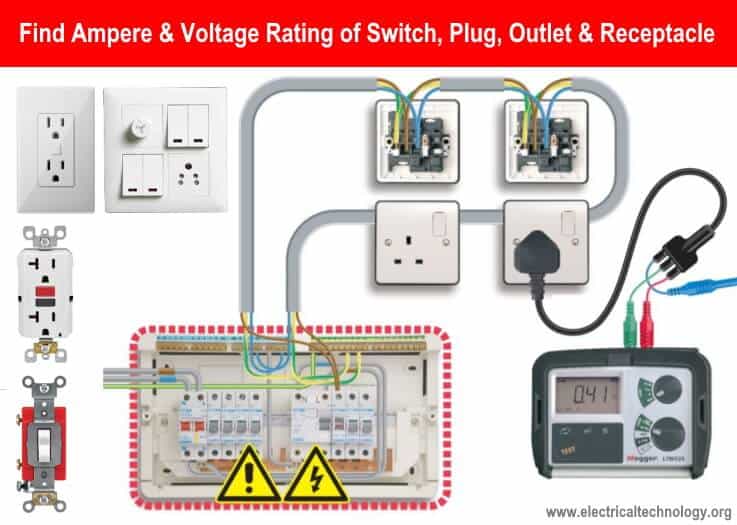
Voltage ratings are crucial for light switches. They show the maximum voltage a switch can safely handle. Using the correct voltage rating helps prevent electrical problems and hazards.
Understanding voltage ratings ensures safe installation and long-lasting performance. It also protects your home and family from electrical risks.
Importance Of Voltage Ratings
Voltage ratings tell you the highest voltage a switch can support. Using a switch with the right rating stops damage to the switch. It also avoids electrical fires caused by overload. Choosing the right voltage rating keeps your wiring system safe and stable.
Risks Of Incorrect Voltage Use
Using a switch with too low voltage rating is dangerous. The switch can overheat and melt. This may cause short circuits or fires. Wrong voltage can also cause the switch to fail quickly. It puts your home and devices at risk.
Safety Standards And Codes
Electrical codes set rules about voltage ratings for switches. These rules ensure safe electrical work and prevent accidents. Certified switches meet these standards and protect users. Always follow local codes when installing switches to stay safe.
Types Of Light Switches By Voltage
Light switches come in different types based on the voltage they handle. Voltage is the electrical force that powers the switch. Choosing the right voltage switch is important for safety and performance. This section explains common types of light switches by voltage.
Low Voltage Switches
Low voltage switches work with less than 50 volts. They are safe to touch and easy to install. These switches often control landscape lighting or LED strips. Low voltage systems use transformers to reduce power from the main source.
Line Voltage Switches
Line voltage switches handle standard household voltage. Usually, this is 120 volts in the US or 220-240 volts in other countries. These switches control most indoor lights and ceiling fans. They connect directly to the electrical wiring in walls.
Smart Switch Voltage Requirements
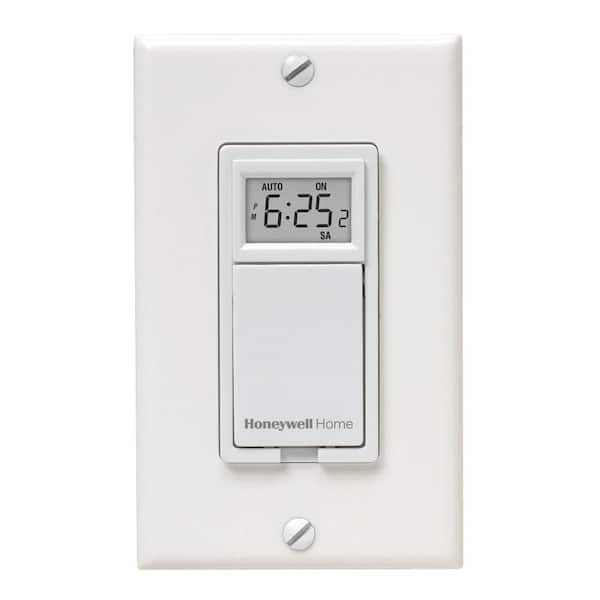
Smart switches need specific voltage to function properly. Most smart switches work with line voltage, typically 120 volts. Some models require a neutral wire to power internal electronics. Checking voltage compatibility avoids damage and ensures smooth operation.

Credit: community.smartthings.com
Selecting The Right Switch Voltage
Choosing the correct voltage for a light switch is important for safety and function. The right voltage ensures the switch works well and lasts longer. It also protects your home from electrical problems. Learning how to pick the right voltage helps you avoid damage and costly repairs.
Knowing your electrical system and matching the switch to your fixtures makes the process easier. Sometimes, getting advice from a professional is the best step.
Assessing Your Electrical System
Check your home’s electrical system before buying a switch. Most homes use 120 volts for standard lighting. Some systems may run on 240 volts for larger appliances. Understanding your system voltage helps you select a compatible switch. Using the wrong voltage can cause switch failure or hazards.
Matching Switches To Lighting Fixtures
Look at the voltage rating on your lighting fixtures. Match the switch voltage to this rating for safe operation. Low voltage fixtures need switches designed for low voltage. High voltage lights require switches rated for higher voltage. Proper matching keeps your lights working well and prevents electrical issues.
Consulting Professional Advice
Electricians have the knowledge to guide your switch selection. They can check your wiring and suggest the right voltage. Professional advice reduces the risk of mistakes and danger. When unsure, ask an expert to ensure safe and correct installation.
Installation Tips For Voltage Compatibility
Installing a light switch requires careful attention to voltage compatibility. This ensures safety and proper function. Following clear steps can prevent electrical problems and damage.
Understanding voltage needs before installation is crucial. Using the right tools and checking the work after installation keeps the system safe and reliable.
Checking Voltage Before Installation
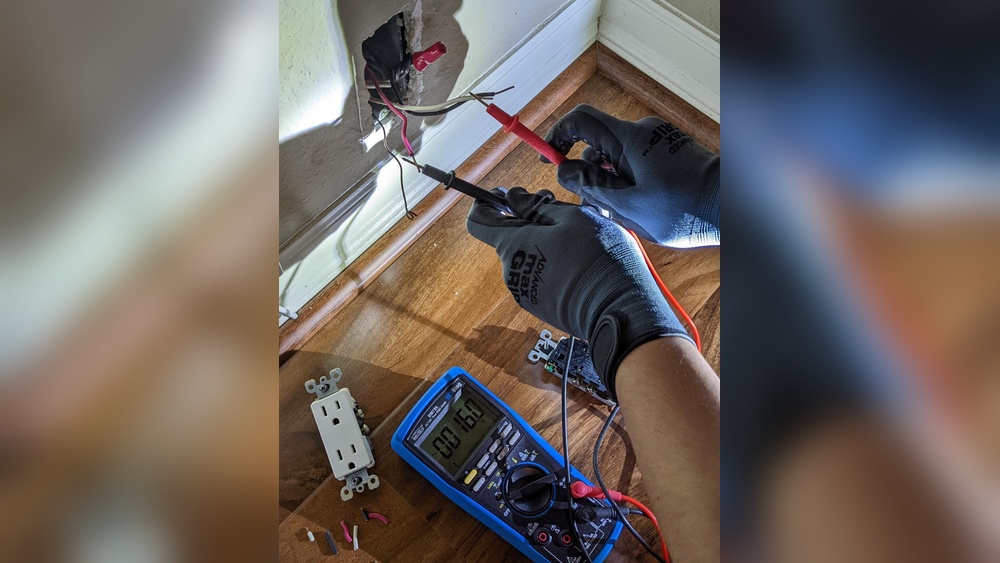
Use a voltage tester to measure the power supply. Confirm the voltage matches the switch rating. Most household switches handle 120 volts, but some require 240 volts. Never guess the voltage to avoid hazards.
Turn off the main power before testing. Always double-check the wires for correct voltage levels.
Using Proper Tools And Equipment
Choose insulated screwdrivers and pliers for safety. Use a voltage tester to confirm no current flows during work. Wear safety gloves and goggles to protect yourself. Proper tools reduce the risk of electric shock and damage.
Follow manufacturer instructions for the switch and tools. Avoid makeshift tools or damaged equipment.
Testing Switches Post-installation
Restore power and test the switch operation. Use a voltage tester to check if the switch controls the circuit properly. Look for sparks, noise, or unusual heat as warning signs. Ensure the switch turns lights on and off without flicker.
Recheck wiring if problems appear. A properly tested switch lasts longer and works safely.
Credit: www.electricaltechnology.org
Frequently Asked Questions
How Many Volts Does A Standard Light Switch Handle?
A standard residential light switch typically handles 120 volts in North America. This voltage suits most household lighting circuits safely and efficiently.
Can A Light Switch Control Higher Voltages?
Most light switches are rated for specific voltages, usually up to 120 or 277 volts. Higher voltages require specialized switches designed for safety.
Why Is Voltage Rating Important For Light Switches?
Voltage rating ensures the switch can safely handle electrical load. Using incorrect ratings risks damage, malfunction, or electrical hazards.
Are All Light Switches Compatible With 120 Volts?
Not all switches are compatible; always check the switch’s voltage rating. Using a switch with lower voltage rating than your circuit is unsafe.
Conclusion
A typical light switch handles standard household volts, usually 120 or 240 volts. Knowing the correct voltage keeps your home safe and your devices working well. Always check your local electrical codes before installing or replacing switches. Using the right switch for your voltage prevents damage and accidents.
Simple steps like these protect your home and family. Stay informed and cautious with electrical work. Safety matters most when dealing with volts and switches.