Have you ever heard a tapping sound coming from your car, especially when you drive over bumps or rough roads? That annoying noise might be coming from your automobile’s shock absorber mounts.
If you’re wondering what causes this tapping sound and why it matters, you’re in the right place. Understanding the reasons behind this noise can help you protect your vehicle, avoid costly repairs, and keep your ride smooth and safe. Keep reading to find out what’s really going on under your car’s hood and how you can fix it before it gets worse.
.jpeg)
Credit: completecarcare318.com
Common Sources Of Tapping Sounds
Tapping sounds from shock absorber mounts are common car issues. These noises often signal problems in the suspension system. Identifying the source helps fix the noise quickly and keeps the ride smooth and safe.
Loose Or Worn Mounting Bolts
Mounting bolts hold the shock absorber firmly in place. Over time, these bolts can loosen or wear out. Loose bolts cause parts to move and tap during driving. Tightening or replacing bolts stops the tapping sound.
Damaged Rubber Bushings
Rubber bushings cushion the shock absorber and reduce vibrations. They wear down with use and exposure to weather. Damaged bushings allow metal parts to hit each other. This contact causes tapping noises during movement.
Faulty Shock Absorber Components
Shock absorbers have parts that can fail or break. Inside seals or pistons might wear out and cause noise. Faulty components reduce shock performance and make tapping sounds. Replacing the shock absorber resolves the issue.
Impact Of Road Conditions
Road conditions greatly affect the performance of shock absorber mounts. Rough or uneven roads cause more stress on these parts. This stress can create tapping sounds in your vehicle. Understanding these effects helps you maintain your car better.
Shock absorber mounts act as a cushion between the car frame and suspension. When the road is rough, mounts face constant pressure. This can loosen or damage the mounts, causing noise and discomfort.
Driving On Rough Terrain
Driving on rough terrain puts extra strain on shock absorber mounts. Rocks, gravel, and uneven surfaces make the suspension work harder. This leads to faster wear and tear of the mounts.
The mounts may develop cracks or become loose due to constant jolts. As a result, tapping sounds may appear during driving. These noises often indicate the need for inspection or repair.
Effects Of Potholes And Bumps
Potholes and bumps create sudden shocks to the suspension system. Shock absorber mounts absorb these impacts but can get damaged over time. Each hit can cause small shifts or loosen the mounts.
Repeated impact from potholes can make the mounts less effective. This causes tapping or knocking noises when driving over uneven roads. Ignoring these sounds may lead to bigger suspension problems.
Role Of Suspension System Wear
The suspension system plays a key role in your car’s smooth ride. Over time, parts in this system wear down. This wear can cause noises like tapping sounds from shock absorber mounts. Understanding how suspension system wear causes these sounds helps in early detection and repair.
Wear affects shock absorbers and their mounts. Loose or damaged parts create gaps that cause tapping noises. Regular checks can prevent bigger problems and keep your ride quiet and safe.
Aging Shock Absorbers
Shock absorbers lose their strength with age. The internal fluid and seals wear out, reducing their ability to absorb bumps. This wear allows more movement in the mount area. Loose movement causes tapping sounds when driving on rough roads.
Old shocks also fail to hold the suspension tightly. This failure lets metal parts hit each other, making noise. Replacing worn shocks stops the tapping and improves ride quality.
Worn Strut Mount Bearings
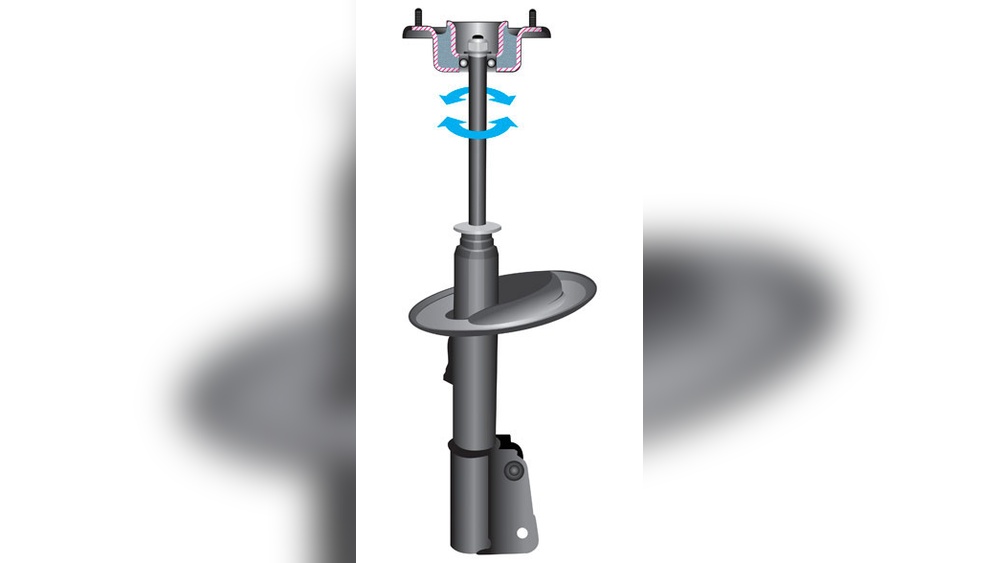
Strut mount bearings allow the suspension to turn smoothly. Over time, these bearings wear out or dry up. This wear creates slack and uneven movement in the mounts.
Worn bearings cause the strut to shift and tap against its housing. The tapping sound often increases with steering or bumps. Changing worn bearings restores quiet and smooth suspension operation.

Credit: hometowneautorepairandtireofwoodbridge.com
Improper Installation Issues
Improper installation of shock absorber mounts often leads to a tapping sound in automobiles. This issue can cause discomfort and may affect vehicle safety. Careless fitting or mistakes during assembly often trigger this noise. Understanding common installation errors helps in diagnosing and fixing the problem quickly.
Incorrect Torque Settings
Tightening bolts and nuts to the wrong torque causes problems. Too loose, and parts move freely, making tapping sounds during motion. Too tight, and components can bend or crack, leading to noise. Proper torque ensures parts stay secure and work as designed. Mechanics must use a torque wrench and follow manufacturer specifications precisely.
Misaligned Components
Parts that are not aligned properly create stress and gaps. These gaps allow movement that causes tapping noises when driving. Shock absorber mounts must line up perfectly with the chassis and suspension parts. Misalignment happens when parts are forced or rushed into place. Careful alignment during installation prevents unwanted noise and wear.
Detecting And Diagnosing Tapping Noises
Detecting and diagnosing tapping noises from shock absorber mounts helps prevent bigger car problems. These sounds often signal worn or loose parts. Finding the exact cause early saves money and keeps your drive safe. Follow simple steps to spot and check the tapping sounds.
Visual Inspection Tips
Start by checking the shock absorber mounts closely. Look for cracks or worn rubber parts. Check for loose bolts or rust near the mount area. Use a flashlight to see hidden spots. Damaged mounts often show clear signs of wear. Clean dirt and grime to spot issues better. Compare both sides for uneven wear or damage.
Test Drive Observations
Drive slowly on rough or uneven roads. Listen carefully for tapping or clunking sounds near the wheels. Notice if the noise changes when turning or braking. Try driving over bumps to see if tapping gets louder. A steady, rhythmic tapping often points to shock mount problems. Note when the sound is loudest to help find the issue.
Preventive Measures And Maintenance
Preventive measures and regular maintenance keep your shock absorber mounts in good shape. They help avoid tapping sounds and other issues. Simple steps can extend the life of your car’s suspension system. Routine care saves money and improves ride comfort.
Regular Suspension Checks
Inspect your suspension system often. Look for loose parts or worn mounts. Listen for unusual noises when driving over bumps. Check for visible damage or cracks in the mounts. Regular checks catch problems early before they worsen. Clean the mounts to remove dirt and debris. Proper lubrication reduces friction and noise.
Timely Replacement Of Worn Parts
Replace shock absorber mounts as soon as wear appears. Old or damaged mounts cause tapping sounds and poor handling. Use quality parts that fit your vehicle model. Do not delay repairs to avoid further damage. Timely replacement improves safety and ride smoothness. Keep records of maintenance to track part life.

Credit: www.youtube.com
Frequently Asked Questions
What Causes Tapping Noise In Shock Absorber Mounts?
Tapping noise often arises from worn or damaged rubber mounts. Loose bolts or corroded components can also cause this sound. These issues reduce shock absorber stability, leading to tapping during vehicle movement.
How Do Worn Mounts Affect Shock Absorber Sounds?
Worn mounts lose their cushioning ability. This lets metal parts contact and create tapping noises. Replacing worn mounts restores smooth, quiet shock absorber operation.
Can Loose Bolts Cause Tapping In Shock Mounts?
Yes, loose bolts allow shock absorbers to move excessively. This movement creates tapping sounds, especially on rough roads. Tightening bolts usually stops the noise.
Is Corrosion A Factor In Shock Absorber Tapping?
Corrosion weakens mounts and bolts, leading to looseness and noise. Rust buildup can create gaps causing tapping sounds. Regular inspection helps detect and fix corrosion early.
Conclusion
A tapping sound in shock absorber mounts signals a problem. It often comes from worn or loose parts. Ignoring it can cause bigger damage over time. Regular checks help catch issues early and keep rides smooth. Fixing the mounts improves safety and comfort.
Listen to your car and act quickly. This simple step saves money and stress later. Keep your vehicle running well by staying alert to unusual noises.