Are you ready to tackle your next DIY project with confidence? Installing cam lock fasteners might sound tricky, but once you know the simple steps, it becomes a breeze.
Whether you’re putting together flat-pack furniture or securing panels, cam locks provide a strong, hidden connection that keeps everything sturdy and neat. In this guide, you’ll discover exactly how to install cam lock fasteners quickly and correctly—no guesswork, no frustration.
Stick with me, and by the end, you’ll have the skills to make your furniture assembly smoother and your projects look professionally done. Let’s get started!
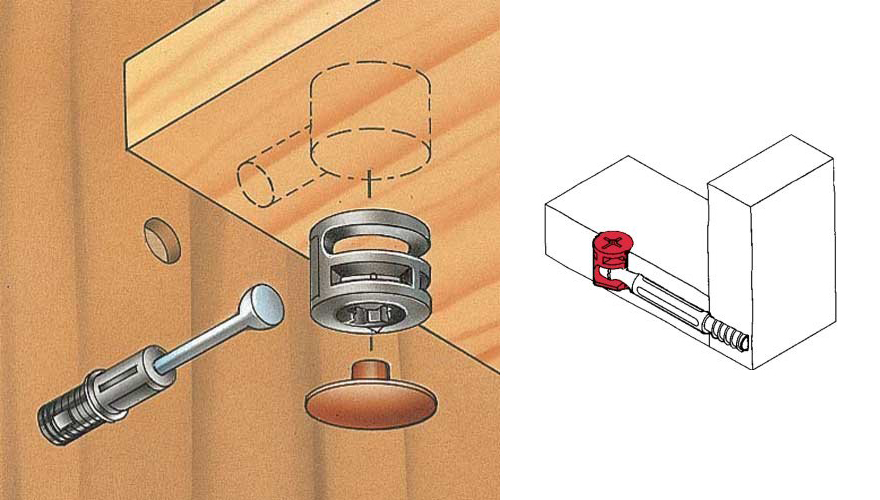
Credit: www.core77.com
Tools And Materials
Installing cam lock fasteners requires certain tools and materials. Gathering these items beforehand saves time and effort. Preparation is key to a smooth installation process.
This section covers the essential tools, how to select the right cam lock fasteners, and how to prepare your workspace.
Essential Tools
A screwdriver is the most important tool for this job. A power drill with screwdriver bits speeds up installation. A tape measure helps with precise alignment. A pencil marks drilling spots. A rubber mallet is useful to gently tap parts into place without damage. Having pliers on hand can help adjust tight fittings.
Selecting Cam Lock Fasteners
Choose cam lock fasteners that match your project size. Check the diameter and length carefully. Look for sturdy materials such as zinc alloy or steel for durability. Make sure the fastener style fits your furniture or cabinet type. Buy a few extra fasteners to cover mistakes or missing parts.
Preparing Your Workspace
Clear the area to avoid losing small parts. Work on a flat, clean surface to keep pieces steady. Good lighting helps you see details clearly. Organize tools and fasteners within easy reach. Protect your surface with a soft cloth or mat to prevent scratches.
Preparing Components
Preparing components is the first step to install cam lock fasteners properly. It ensures a strong and secure connection. Taking time to prepare parts carefully reduces mistakes and saves effort during assembly.
Each piece must be ready before drilling or fitting the fasteners. Follow clear steps to mark, drill, clean, and align components. This creates a smooth installation process and durable results.
Marking Drill Points
Start by measuring the exact spots for drilling. Use a pencil or marker to mark these points clearly. Check measurements twice to avoid errors. Accurate marking guides the drill and prevents misaligned holes.
Mark both parts that will join with the cam lock. This ensures holes will match perfectly. Use a ruler or template for consistent spacing. Clear marks save time and frustration later.
Drilling Holes Correctly
Select the right drill bit size for the cam lock fastener. The hole must fit the fastener snugly without forcing. Drill straight down at each marked point. Keep the drill steady to avoid angled holes.
Drill slowly to prevent wood splintering or damage. Use a clamp to hold parts steady during drilling. This improves accuracy and safety. Clean out wood dust from holes after drilling.
Cleaning And Aligning Parts
Remove dust and debris from drilled holes and surfaces. Use a soft brush or cloth to clean parts well. Clean surfaces allow fasteners to fit tightly and prevent wobbling.
Align the parts carefully before inserting cam locks. Check that holes line up perfectly. Adjust parts until they fit flush and hold firmly. Proper alignment ensures a strong and stable joint.
Installing Cam Bolts
Installing cam bolts is a key step in fitting cam lock fasteners. These bolts connect furniture parts securely and neatly. Proper installation ensures strong joints and easy assembly.
Follow clear steps to insert, position, and tighten cam bolts. This process avoids damage and keeps parts aligned. Taking care here helps your furniture last longer and look better.
Inserting Cam Bolts
Start by placing the cam bolts into pre-drilled holes. Make sure each bolt fits snugly without forcing. The bolt head should sit flush with the surface. This prevents wobbling and ensures a stable connection.
Ensuring Proper Depth
Check that cam bolts do not go too deep or stay too shallow. The bolt’s threaded part must be fully inside the hole. Leave the bolt head visible and accessible for the cam lock. Correct depth helps the cam lock grab the bolt tightly.
Securing Bolts Firmly
Tighten cam bolts by hand or with a screwdriver. Avoid overtightening to prevent stripping threads or cracking wood. The bolt should feel secure and not spin freely. Firm bolts create a strong joint that holds furniture parts together well.
Fitting Cam Locks
Fitting cam locks is a key step in assembling flat-pack furniture. This process ensures strong joints and easy disassembly. Correct fitting makes the furniture stable and durable. Follow simple steps to position and secure the cam locks properly.
Placing Cam Locks In Holes
Locate the pre-drilled holes on the furniture panel. Insert the cam lock into these holes with the open side facing outward. Push the cam lock until it sits flush with the surface. Avoid forcing the lock to prevent damage to the panel.
Aligning With Cam Bolts
Insert cam bolts into the matching panel holes. Align the cam lock hole with the cam bolt head. The cam bolt should fit snugly inside the cam lock. Adjust the parts carefully to ensure correct alignment before tightening.
Locking Mechanism Operation
Turn the cam lock using a screwdriver, usually clockwise. This action pulls the cam bolt tightly, locking the panels together. Rotate until the connection feels firm but avoid overtightening. Proper locking keeps the furniture secure and stable.
Assembly Tips
Proper assembly of cam lock fasteners ensures a strong and lasting connection. Follow simple tips to avoid damage and achieve a perfect fit. Careful handling during installation prevents common problems. These assembly tips will help you install cam locks smoothly and securely.
Avoiding Over-tightening
Turn the cam lock gently until it feels snug. Over-tightening can crack the material or strip the lock. Use moderate force and stop as soon as you feel resistance. Tighten the fastener evenly to avoid bending or breaking parts. A firm but careful approach protects both the fastener and your furniture.
Checking For Secure Fit
After tightening, test the joint by applying light pressure. The connection should feel solid with no wobbling or gaps. If the fastener moves, loosen and retighten it properly. Confirm that the cam lock sits flush with the surface. A secure fit ensures stability and longer-lasting assembly.
Troubleshooting Common Issues
If the cam lock does not turn smoothly, check for obstructions or misalignment. Make sure the cam and dowel are correctly positioned. Replace any damaged or stripped fasteners to maintain strength. Use a screwdriver that fits well to avoid slipping. Addressing these issues early prevents bigger problems later.
Removing And Adjusting
Removing and adjusting cam lock fasteners is essential for proper furniture assembly and maintenance. This process helps fix alignment issues and replace worn parts. It also allows you to reverse the lock orientation if needed. Handle each step carefully to avoid damage and ensure smooth operation.
Detaching Cam Locks Safely
Start by locating the cam lock on your furniture piece. Use a flathead screwdriver to turn the cam lock counterclockwise. Apply gentle pressure to avoid stripping the lock. Once loose, carefully pull out the cam lock from its hole. Keep the fastener parts together to prevent loss. Avoid forcing any component to protect the wood and hardware.
Reversing Lock Orientation
Some furniture designs require changing the cam lock direction. Remove the cam lock following safe detachment steps. Flip the lock to the desired orientation. Insert it back into the hole, aligning the grooves correctly. Turn the cam lock clockwise to secure it firmly. Test the lock to ensure it functions smoothly after adjustment.
Replacing Damaged Parts
Inspect cam lock fasteners for cracks or wear before installation. Remove damaged parts using the detachment method described above. Purchase exact replacements matching size and type. Insert new cam locks into the original holes. Tighten them until secure but avoid overtightening. Check the connection for stability and proper fit to maintain furniture strength.
Maintenance And Care
Maintaining cam lock fasteners ensures they stay reliable and last longer. Regular care prevents issues that can affect their function. Simple steps keep these fasteners working smoothly and securely.
Regular Inspection
Check cam locks often for signs of wear or damage. Look for cracks, rust, or loose parts. Tighten any screws or nuts that feel loose. Early detection helps avoid bigger problems later.
Cleaning Fasteners
Remove dust and dirt from cam locks regularly. Use a soft brush or cloth to clean hard-to-reach areas. Avoid harsh chemicals that can damage the metal. Clean fasteners move more freely and connect better.
Lubrication For Smooth Operation
Apply a small amount of lubricant to cam locks to reduce friction. Use light machine oil or silicone spray for best results. Lubrication helps the fastener turn easily and prevents rust. Wipe off excess oil to avoid attracting dirt.

Credit: ikeahackers.net

Credit: www.youtube.com
Frequently Asked Questions
How To Install Cam Lock Fastener?
Insert the cam bolt into the pre-drilled hole. Align the cam lock over the bolt head. Turn the cam lock clockwise with a screwdriver until tight. Ensure a secure fit without over-tightening to avoid damage. Repeat for all fastening points.
How To Connect Camlocks?
Insert the male adapter into the female coupler. Open cam handles, then close both simultaneously to lock securely.
What Are Common Problems With Cam Lock Fittings?
Common problems with cam lock fittings include improper assembly, over-tightening, under-tightening, using wrong materials, and ignoring pressure or fluid compatibility.
Why Should You Tape The Ears Of Cam Lock Fittings?
Taping cam lock fitting ears ensures a secure, leak-proof connection by sealing threaded joints tightly. It prevents loosening and fluid leaks.
Conclusion
Installing cam lock fasteners is simple with the right steps. Start by placing the cam screws into the holes. Next, insert the cam locks and turn them to secure tightly. Check each connection to avoid loose fittings. Taking time ensures strong, stable furniture or cabinetry.
Practice makes perfect, so don’t rush the process. With patience, your project will look neat and hold well. Now you can confidently use cam lock fasteners in your next build.