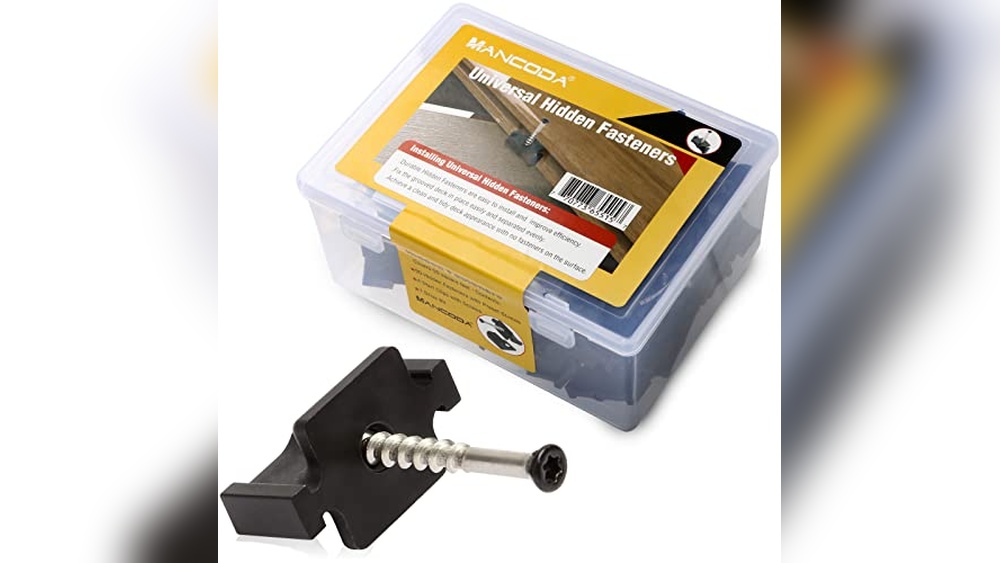
Are you struggling to find the right size for your prong fasteners? Getting the measurements wrong can lead to wasted materials, weak holds, and frustrating projects.
But don’t worry—measuring prong fasteners doesn’t have to be confusing or time-consuming. In this guide, you’ll learn simple, step-by-step methods to measure your fasteners accurately every time. By the end, you’ll feel confident choosing the perfect size for your needs, saving you time and effort on your next project.
Keep reading to master this essential skill and make your work stronger and more reliable.
Types Of Prong Fasteners
Prong fasteners come in various types that suit different needs. Knowing the types helps in choosing the right fastener for your project. Each type has unique features and uses. Understanding these differences makes measuring easier and more accurate.
Fasteners vary in size, shape, and strength. Some are better for heavy materials, others for light fabrics. Let’s explore the common styles and materials used in prong fasteners.
Common Styles
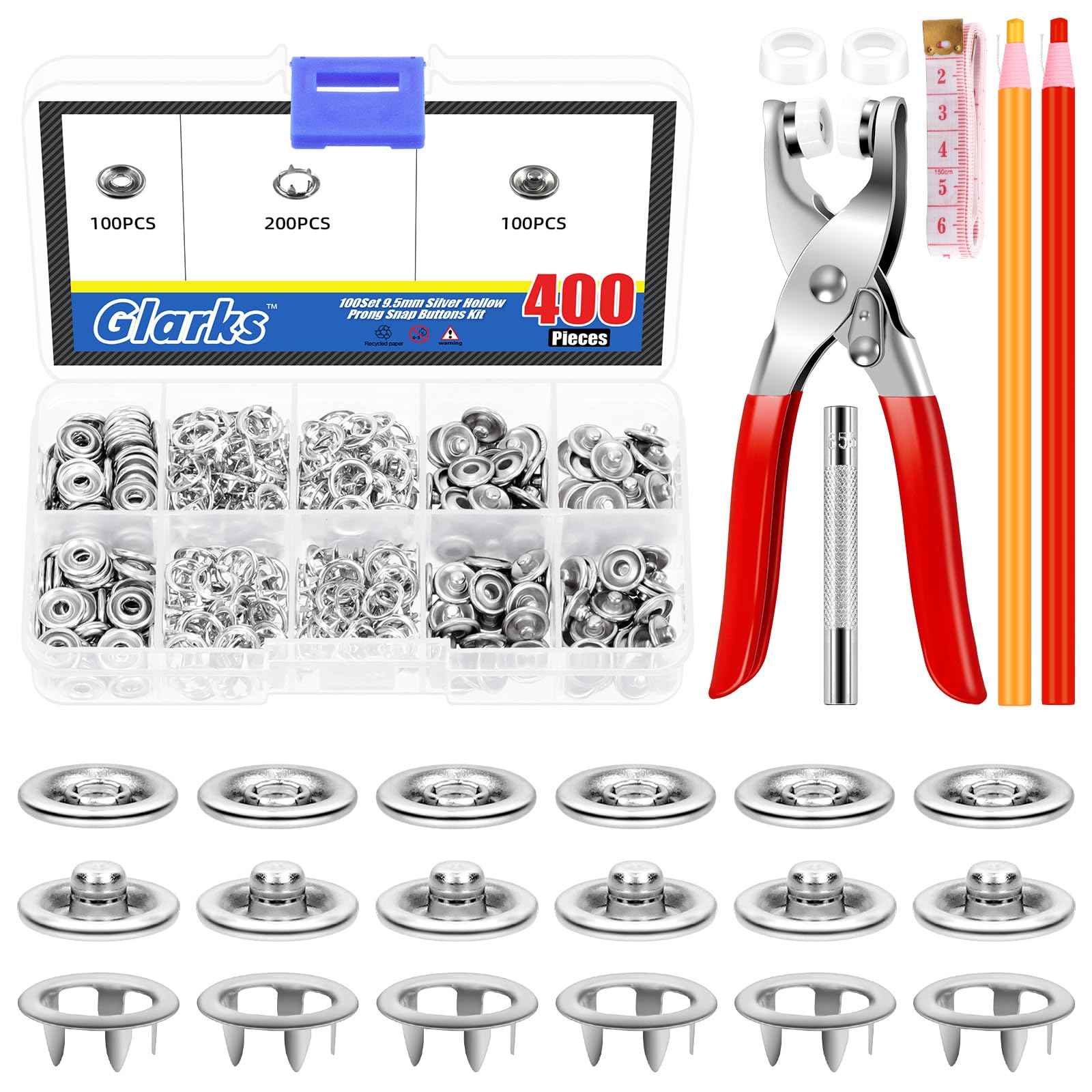
Prong fasteners have several common styles. The most used style is the two-prong fastener. It has two sharp prongs that pierce materials easily. Another style is the four-prong fastener. It offers more grip and stability. Some fasteners have a round base, while others are flat. The choice depends on the project and material thickness.
There are also split prong fasteners. They have prongs that spread apart after insertion. This helps hold thicker stacks of paper or fabric firmly. Some prong fasteners come with a locking mechanism. This keeps the prongs securely closed. Each style serves different purposes and affects how you measure length and width.
Materials Used
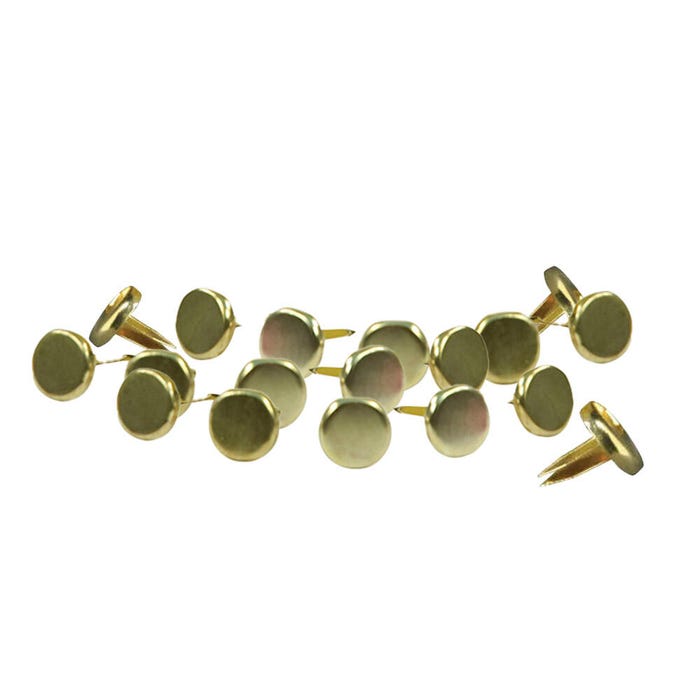
Prong fasteners are made from various materials. Steel is the most common due to its strength. It resists bending and breaks less often. Some are coated with zinc or nickel. This coating protects against rust and corrosion. Brass is another material used. It has a shiny look and resists tarnish. Plastic prongs exist too but are less durable.
Material choice affects durability and appearance. Steel fasteners suit heavy-duty use. Brass works well in decorative projects. Coatings add a layer of protection. Knowing the material helps in selecting and measuring the right fastener.
Credit: www.amazon.ae
Tools Needed For Measurement
Measuring prong fasteners accurately requires the right tools. These tools help you get exact sizes for proper fitting and installation. Using the correct measuring devices saves time and avoids mistakes.
Basic tools like measuring tapes and rulers work well for quick checks. For more precise measurements, calipers and gauges are better choices.
Measuring Tape And Rulers
Measuring tapes and rulers are common tools for simple measurements. They are easy to use and widely available. Use a ruler for small fasteners and a tape for longer lengths.
These tools measure length, width, and spacing between prongs. Place the fastener on a flat surface. Align the tape or ruler carefully to avoid errors.
Measuring tapes and rulers work best for rough measurements or when high accuracy is not critical.
Calipers And Gauges
Calipers provide precise measurements of small parts. They measure inside, outside, and depth dimensions. Digital calipers give quick, clear readings.
Gauges help check thickness and diameter of prongs. They offer consistent results for quality control. Use calipers and gauges to measure prong width and spacing accurately.
These tools are ideal for detailed measurements and ensuring prong fasteners fit perfectly.
Key Dimensions To Measure
Measuring prong fasteners correctly is important for a secure fit. Knowing the key dimensions helps you choose the right size. These measurements ensure the fastener works well with your materials. Focus on prong length, prong width, and base diameter for accuracy.
Prong Length
Prong length is the distance from the base to the tip. Measure it straight along the prong’s longest side. This length affects how deep the fastener goes into the material. Too short and it may not hold well. Too long and it may damage the material.
Prong Width
Prong width is the thickness of each prong. Measure across the widest part of the prong. Width impacts the strength of the fastener and how it fits into holes. A wider prong offers more grip but needs a larger hole.
Base Diameter
Base diameter is the size of the fastener’s round bottom part. Measure across the widest point of the base. This dimension matters for surface contact and stability. A larger base spreads pressure and prevents pull-through.
Credit: www.schoolspecialty.com
Step-by-step Measurement Process
Measuring prong fasteners requires careful steps to get the right size. This process helps you pick the correct fastener for your project. Follow each step to ensure accurate measurements.
Preparing The Fastener
Start by cleaning the fastener. Remove any dirt or debris. Place it on a flat surface. Make sure the prongs are straight. Bent prongs can give wrong measurements. Use a ruler or caliper ready for measuring.
Taking Accurate Readings
Measure the length of the prongs from base to tip. Check the width between the prongs. Measure the thickness of each prong. Write down each measurement clearly. Repeat to confirm the numbers. Accuracy is key for a good fit.
Common Measurement Mistakes
Measuring prong fasteners accurately is key for a secure fit. Many people make simple mistakes that lead to wrong measurements. These errors cause wasted materials and poor results. Understanding common measurement mistakes helps avoid these problems. Keep your measurements true and reliable by following easy tips.
Avoiding Parallax Errors
Parallax error happens when you do not look straight at the scale. This causes the reading to seem different from the actual value. Always position your eyes directly above the measuring tool. Check the angle before noting the measurement. Use a flat surface and steady your hands for better accuracy.
Handling Warped Fasteners
Warped fasteners can give false measurements. They bend or twist, changing the size you see. Lay the fastener flat on a smooth surface. Gently straighten it if possible before measuring. Measure the longest and shortest points for an average size. This method gives a more realistic measurement.
Tips For Ensuring A Perfect Fit
Ensuring a perfect fit for prong fasteners saves time and prevents damage. Careful measurement and testing are key. Small mistakes can cause loose or tight fits. This guide offers simple tips to get the right size and test it before use.
Choosing The Right Size
Measure the thickness of the material to be fastened. Use a ruler or caliper for accuracy. Match the prong length to this thickness. Choose a prong width that fits the hole size. Avoid prongs that are too short or too wide. Pick a size slightly larger than the material thickness for a secure grip.
Testing Fit Before Installation
Test the prong fastener on a scrap piece first. Insert the prong and check for tightness. It should hold firmly without bending the material. Adjust size if the prong is loose or hard to insert. Testing prevents damage to your final project. Replace the fastener if it does not fit well.
Maintenance And Replacement Advice
Proper care of prong fasteners keeps them working well. Regular checks help catch problems early. Knowing when to replace or maintain fasteners saves time and effort.
Follow simple steps to keep attachments strong and secure. This prevents damage and maintains the quality of your items.
When To Replace Fasteners
Replace prong fasteners if they are bent or broken. Rust or corrosion weakens their hold. Loose fasteners that do not grip tightly also need replacement. Using damaged fasteners can cause your items to fall apart.
Check fasteners regularly for signs of wear. Replace them immediately if they show any damage. This keeps your attachments safe and reliable.
Maintaining Secure Attachments
Clean prong fasteners to remove dirt and debris. Use a soft brush or cloth to avoid damage. Make sure fasteners fit correctly and hold tight.
Tighten any loose prongs carefully. Avoid bending them too much. Store items with fasteners in a dry place to stop rust. Good maintenance extends the life of your fasteners.

Credit: www.officesupply.com
Frequently Asked Questions
How Do I Measure Prong Fastener Length?
Measure the prong length from the base to the tip. Use a ruler or caliper for accuracy. This ensures you choose the correct size for your project.
What Tools Are Best For Measuring Prong Fasteners?
A caliper or a precise ruler works best. Calipers provide exact measurements of length and width. Accurate tools help avoid fitting errors.
How To Measure Prong Spacing On Fasteners?
Measure the distance between the centers of two prongs. This spacing affects how the fastener grips materials. Correct spacing ensures secure fastening.
Why Is Prong Thickness Measurement Important?
Prong thickness determines the fastener’s strength and fit. Measure thickness with a caliper for precision. It ensures compatibility with your materials.
Conclusion
Measuring prong fasteners is simple with the right steps. Focus on prong length, width, and spacing for best results. Use a ruler or caliper for accuracy. Double-check your measurements to avoid mistakes. Accurate measuring ensures your fasteners fit and work well.
Take your time and follow the guide carefully. Now, you can choose the right prong fasteners confidently. Keep practicing to improve your measuring skills. This helps with all your future projects.