Are you struggling to figure out how to use a gripper snap fastener the right way? You’re not alone.
These small, handy tools can make your projects easier and your clothes or accessories more secure—but only if you know the tricks to handle them. In this guide, you’ll discover simple steps that anyone can follow to install and use gripper snap fasteners like a pro.
By the end, you’ll have the confidence to fix, create, or upgrade your items quickly and neatly. Keep reading, and unlock the secret to making your snaps work perfectly every time.

Credit: thehabygoddess.blogspot.com
Choosing The Right Gripper Snap Fastener
Choosing the right gripper snap fastener is important for your project’s success. The correct snap fastener ensures strong hold and smooth operation. It also matches the fabric and purpose perfectly. Understanding types, materials, and sizes helps make the best choice.
Types Of Snap Fasteners
Snap fasteners come in several types. Press snaps are common and easy to install. They work well on light to medium fabrics. Magnetic snaps use magnets for easy opening and closing. These are great for bags and accessories. Stud snaps have a stud and socket that click together firmly. They suit heavy fabrics and outdoor gear. Choose a type that fits your project’s use and fabric weight.
Materials And Sizes
Snap fasteners come in metal, plastic, and nylon. Metal snaps are durable and strong. They fit heavy fabrics and rough use. Plastic snaps are lightweight and rust-free. They suit light clothes and crafts. Nylon snaps are soft and flexible. They work well on baby clothes and delicate fabrics. Sizes range from small to large. Small snaps fit thin fabrics. Large snaps hold thick materials securely. Pick the right material and size for your fabric and use.
Tools You’ll Need
Using a gripper snap fastener needs some basic tools. These tools help you attach the snap fastener securely. Having the right tools makes the job easier and faster. You can complete your project with neat and strong snaps.
Essential Tools
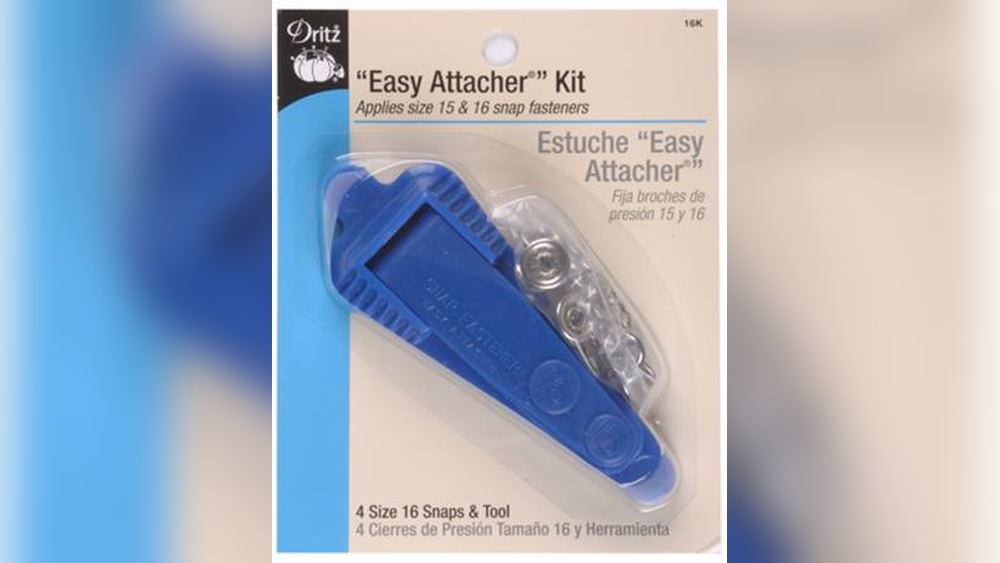
First, you need the snap fastener kit. It includes the snap parts and the setting tools. A hammer is necessary to press the snaps together. Use a hole punch or awl to make small holes in fabric. A flat surface helps to set the snap firmly. These tools are the minimum you must have.
Optional Accessories
Some extra tools can improve your work. A pair of pliers helps hold small snap parts. A ruler or measuring tape ensures correct snap placement. A small piece of scrap wood protects surfaces while hammering. These accessories are not essential but add convenience and precision.
Preparing Your Fabric
Preparing your fabric is an important step before attaching a gripper snap fastener. It helps to make sure the fastener stays strong and fits well. Taking time here can save you from problems later. Follow simple steps to get your fabric ready for the snap fastener.
Marking Placement
First, decide where the snap fastener will go. Use a fabric pencil or chalk to mark the spot. Mark both sides of the fabric clearly. Check that the marks match up when you fold the fabric. Accurate marks help the fastener close properly. Avoid putting marks too close to the edge.
Reinforcing Fabric
Snap fasteners can pull on fabric and cause damage. Reinforce the marked spots with extra fabric or interfacing. Cut a small patch and sew or iron it behind the area. This adds strength and stops the fabric from tearing. Reinforcement is especially important for thin or stretchy fabric. It keeps the snap fastener secure for longer use.

Credit: www.indianainker.com
Attaching The Snap Fastener
Attaching a gripper snap fastener requires care and the right steps. This ensures the snap holds firmly and lasts long. Follow these clear steps to attach the snap fastener correctly.
Aligning Parts
Start by placing the snap parts on the fabric. Match the socket part with the stud part. Make sure the fabric is flat and smooth. Align the pieces so they will snap together easily. Proper alignment avoids weak snaps.
Using The Gripper Tool
Hold the fabric with the snap parts in place. Position the gripper tool over the snap fastener. Press the tool firmly to connect the snap parts. The tool helps press the snaps without damage. Use steady pressure for best results.
Securing The Snap
Check the snap to see if it clicks together. Test by opening and closing a few times. The snap should hold tight without slipping. If loose, press again with the gripper tool. A secure snap fastener stays strong during use.
Testing And Adjusting
Testing and adjusting your gripper snap fastener is important for its proper use. This step ensures the fastener works well and lasts longer. A quick check can save you from future problems.
Checking Snap Functionality
Start by pressing the snap pieces together firmly. They should click and hold tightly without slipping. Try opening and closing the snap several times. The snap should stay secure but open smoothly. Listen for a clear “snap” sound as it closes. Check both sides for even pressure. If the snap feels loose or too tight, it needs adjustment.
Fixing Common Issues
If the snap is too loose, press the parts closer with pliers. Use gentle pressure to avoid damage. For a snap that is too hard to close, slightly bend the socket part outward. Check the alignment of the fastener pieces. Misaligned parts cause poor snapping. Replace any damaged or worn parts for best results. Test again after each adjustment to confirm improvement.
Credit: www.reddit.com
Caring For Snap Fasteners
Caring for snap fasteners keeps them working well and looking good. Proper care stops rust and damage. It also makes your snaps last longer. Small efforts in cleaning and maintenance help a lot. Snap fasteners need gentle handling and regular checks.
Cleaning Tips
Use a soft cloth to wipe dirt from snap fasteners. Mild soap and water work best for cleaning. Avoid harsh chemicals that can damage metal or plastic. Dry snaps thoroughly after cleaning to stop rust. Clean snaps gently to avoid bending or breaking parts.
Maintenance Advice
Check snap fasteners for loose or bent parts regularly. Tighten or fix any loose snaps carefully. Apply a small drop of oil to metal snaps to prevent rust. Open and close snaps a few times to keep them smooth. Store clothes with snaps in a dry place to avoid moisture damage.
Frequently Asked Questions
What Is A Gripper Snap Fastener Used For?
A gripper snap fastener secures fabric layers quickly and firmly. It’s commonly used in clothing, bags, and upholstery for easy opening and closing.
How Do You Install A Gripper Snap Fastener?
Align the snap parts on fabric layers. Use a snap tool or pliers to press them together, ensuring they lock securely without damage.
Can Gripper Snap Fasteners Be Reused?
Yes, gripper snap fasteners can be reused multiple times. They maintain a strong hold but may wear out after extensive use or damage.
Are Gripper Snap Fasteners Suitable For Heavy Fabrics?
Gripper snap fasteners work well with medium to heavy fabrics. For very thick materials, ensure you select the correct snap size and installation tool.
Conclusion
Using a gripper snap fastener is simple and practical. It holds fabrics firmly and makes dressing easier. Practice a few times to get the hang of it. Choose the right size for your project to ensure a strong fit. Remember, patience helps you avoid mistakes.
With these tips, you can add snap fasteners confidently. They are useful for clothes, bags, and crafts. Keep your tools ready and enjoy creating with ease. Snap fasteners save time and make your work neat. Give it a try and see the difference yourself.