If you’ve ever struggled to keep your papers neatly together without punching holes or using bulky clips, brass paper fasteners might be the simple solution you need. These small, shiny tools are more than just office supplies—they can help you organize, secure, and even craft with ease.
In this guide, you’ll learn exactly how to use brass paper fasteners to make your work cleaner and more efficient. Ready to discover a trick that can save you time and frustration? Let’s dive in and see how these little fasteners can make a big difference for you.

Credit: www.amazon.com
What Are Brass Paper Fasteners
Brass paper fasteners are small tools used to hold papers together. They are simple but very useful in offices and schools. These fasteners keep documents neat and organized without punching holes through the papers.
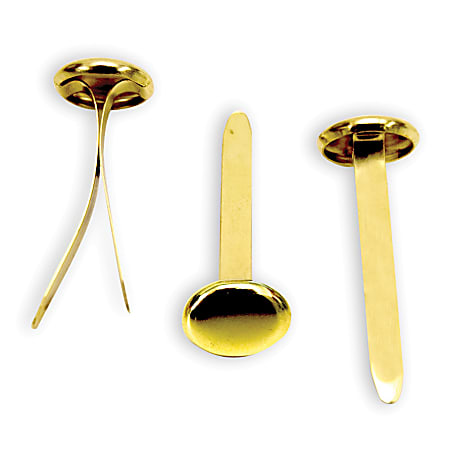
They consist of a round head and two flexible legs. You insert the legs through holes in the paper, then spread the legs apart to lock the papers in place. This makes them easy to use and remove.
What Are Brass Paper Fasteners Made Of?
Brass paper fasteners are made from brass metal. Brass is a mix of copper and zinc. This metal is strong and does not rust easily. It gives the fasteners a shiny, gold-like color that looks good on documents.
How Do Brass Paper Fasteners Work?
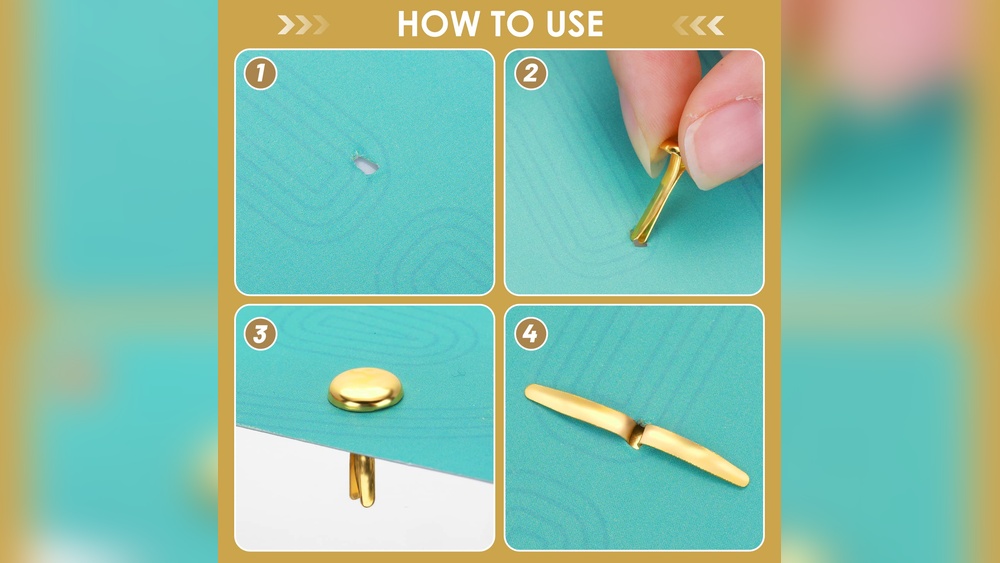
First, punch holes in the papers you want to fasten. Then, push the fastener’s legs through the holes. Finally, bend the legs outward to hold the papers tight. This method keeps your pages together securely.
Where Can You Use Brass Paper Fasteners?
These fasteners work well for reports, school projects, and office files. They hold papers without damaging them. You can also use them for crafts or organizing receipts and notes.
Choosing The Right Fasteners
Choosing the right brass paper fasteners is key for a neat and secure hold. The correct fastener fits your project needs and keeps papers well-bound. Picking fasteners involves understanding sizes, lengths, and material quality. These factors help avoid loose or damaged papers.
Knowing these details makes your task easier and your work cleaner. Let’s explore how to choose fasteners that suit your paper binding perfectly.
Sizes And Lengths
Fasteners come in many sizes and lengths. Small fasteners work best for few sheets. Larger fasteners hold thick stacks of paper. Check the thickness of your papers first. Then, pick a fastener long enough to go through all sheets. Too short fasteners will not hold papers well. Too long fasteners may bend or look messy. Measure your paper stack before choosing fastener size.
Material Quality
Brass fasteners should be strong and rust-free. Good material lasts longer and looks better. Cheap fasteners may break or corrode fast. Solid brass resists rust and keeps papers safe. Smooth edges prevent paper tears. Choose fasteners with a good finish for durability. Quality material saves time and effort later.
Tools Needed
Using brass paper fasteners is simple. Having the right tools helps you work quickly and neatly. These tools make sure your papers stay secure and look good.
Brass Paper Fasteners
Start with the fasteners themselves. Choose the right size for your paper stack. Smaller fasteners work well for few sheets. Larger ones hold thick bundles firmly.
Hole Punch
A hole punch creates clean holes in your papers. Use a single or multi-hole punch. Make sure the holes fit the fastener size exactly.
Scissors Or Paper Cutter
Trim your papers to the right size before fastening. Sharp scissors or a paper cutter work best. This keeps edges even and neat.
Flat Surface
Work on a flat, stable surface. This helps you align papers correctly. It also stops papers from slipping during fastening.
Optional: Ruler And Pencil
Use a ruler to mark hole spots precisely. A pencil helps mark without permanent marks. Remove pencil lines after fastening for a clean look.
Step-by-step Fastening Process
Using brass paper fasteners is a simple way to keep papers neat and organized. The fastening process requires just a few clear steps. Follow these instructions to attach papers securely and quickly.
Preparing The Papers
Stack all the sheets you want to fasten together. Align the edges carefully so they match. Use a hole punch or a sharp tool to make a hole. Make sure the hole is big enough for the fastener’s prongs.
Inserting The Fastener
Take the brass paper fastener and push its prongs through the hole. Insert the fastener from the front side of the papers. The flat head should rest on the top of the stack. Pull the prongs fully through to the back side.
Securing The Fastener
Bend the prongs outward along the back of the papers. Flatten the prongs to hold the sheets in place. Check if the papers are firmly fastened. Adjust the prongs if needed for a tight hold.
Tips For Neat Binding
Neat binding with brass paper fasteners keeps documents tidy and easy to handle. Well-bound papers look professional and last longer. Small steps make a big difference in neatness and durability.
Choose The Right Hole Size
Use a hole punch that matches the fastener’s size. Too big holes cause papers to slip out. Too small holes make it hard to insert the fastener.
Align Papers Carefully
Stack papers evenly before punching holes. Hold them firmly to avoid shifting. Check the edges to keep all pages aligned.
Flatten The Fastener Legs
After inserting the fastener, spread its legs flat against the paper. Use a ruler or your fingers to press firmly. This keeps pages secure and prevents catching.
Space Holes Evenly
Make holes at regular distances for balance. Use a guide or template for consistent spacing. Even holes create a tidy look and prevent tearing.
Use Quality Fasteners
Choose brass fasteners that bend easily but hold strong. Cheap fasteners may break or rust. Good quality lasts longer and keeps papers neat.
Credit: www.officedepot.com
Common Mistakes To Avoid
Brass paper fasteners are simple tools but easy to misuse. Avoiding common mistakes helps keep documents neat and secure. Small errors can make fasteners ineffective or damage papers. Understanding these mistakes ensures better results every time.
Not Aligning Holes Properly
Fasteners need holes to match perfectly. Misaligned holes cause papers to tear or bend. Use a hole punch or carefully make holes. Check alignment before inserting the fastener.
Forcing The Fastener Through Thick Paper
Brass fasteners work best with thin stacks. Forcing them through thick paper can break the prongs. Separate large stacks into smaller groups. Attach fasteners to each group instead.
Not Spreading The Prongs Correctly
Prongs must spread wide and flat behind papers. If prongs stay close, papers can slip out. Use fingers or a tool to open prongs well. This keeps papers secure and tidy.
Using The Wrong Size Fastener
Fasteners come in different lengths. Using one too short can tear papers. One too long looks messy and can catch on things. Choose the correct size for your paper thickness.
Forgetting To Remove Staples Or Clips
Fasteners do not work well with other fasteners. Staples or clips can block the prongs. Remove all other fasteners before using brass fasteners. This prevents damage and keeps pages smooth.
Creative Uses Beyond Paper
Brass paper fasteners are not only for holding papers together. They have many creative uses beyond the office. Their shape and strength make them useful in crafts and home projects. These fasteners can add both function and style to your work.
Using Brass Paper Fasteners In Jewelry Making
Brass fasteners can be small and decorative. They work well as connectors in earrings and bracelets. You can link beads or charms using these fasteners. Their golden color adds a vintage look to your designs. They are easy to bend and shape with simple tools.
Decorating Scrapbooks And Cards
Fasteners add a unique touch to scrapbooks and greeting cards. Use them to attach photos or small notes. They create a 3D effect that makes pages stand out. Fasteners also keep items secure without glue. They bring texture and interest to your crafts.
Organizing Cables And Small Items
Keep cables neat with brass fasteners. Loop cables and secure them using the fastener’s legs. They hold wires together without damage. You can also use fasteners to group small items like buttons or beads. This method saves space and prevents loss.
Creating Custom Book Binding
Brass fasteners help bind handmade books or journals. Punch holes in pages and insert the fasteners. They hold pages firmly but allow them to turn easily. This technique is perfect for DIY notebooks and art books. It gives a rustic, handmade feel.

Credit: en.wikipedia.org
Frequently Asked Questions
What Are Brass Paper Fasteners Used For?
Brass paper fasteners secure multiple sheets of paper together. They allow easy flipping and rearranging. They are ideal for reports, crafts, and office use. Their metal prongs provide durability and a neat appearance.
How To Insert Brass Paper Fasteners Properly?
First, punch holes in your papers using a hole puncher. Align the fastener prongs through the holes. Fold the prongs flat against the back. Ensure the papers are held firmly but can still turn smoothly.
Can Brass Paper Fasteners Be Reused?
Yes, brass paper fasteners can be reused multiple times. Simply unfold the prongs and remove the papers. They remain sturdy and maintain their grip for repeated use, making them eco-friendly and cost-effective.
Are Brass Paper Fasteners Safe For Documents?
Yes, brass paper fasteners are safe and damage-free for documents. They don’t tear papers like staples and allow for easy removal. Their smooth edges prevent paper cuts and preserve document integrity.
Conclusion
Brass paper fasteners hold papers neatly and securely. They are easy to use and remove. You can organize documents without punching extra holes. These fasteners last long and resist rust well. Use them to keep your papers tidy and safe.
Simple tools, big help for your office or school. Try them today for quick and neat paper binding. Small but very useful in daily tasks.