
Are you planning to install or repair a tile roof? Choosing the right fasteners can make all the difference in how secure and long-lasting your roof will be.
Using the wrong type can lead to leaks, damage, or costly repairs down the line. You’ll discover exactly which fasteners work best for tile roofs and why they matter for your home’s protection. Keep reading to ensure your roof stays strong and safe for years to come.
Credit: professionalmetalroofing.ca
Types Of Fasteners For Tile Roofs
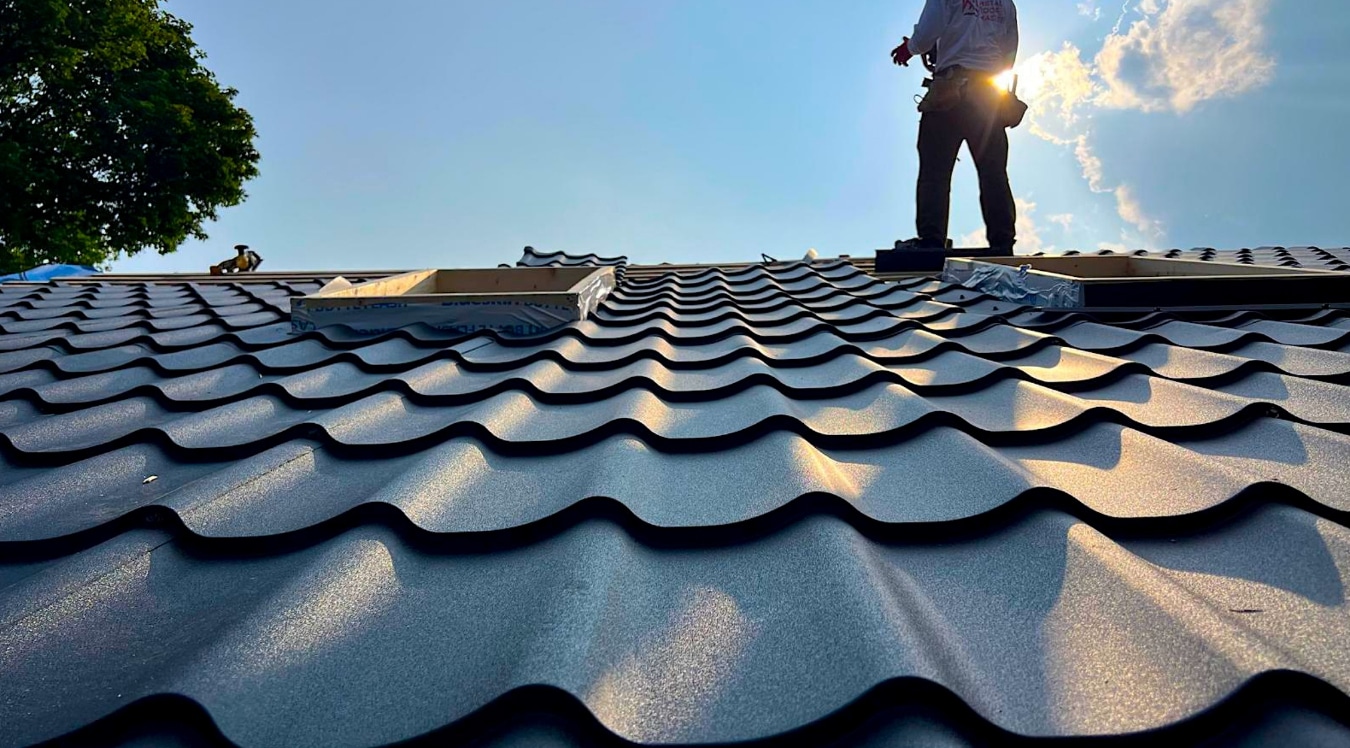
Choosing the right fasteners is key to a strong tile roof. Fasteners keep tiles safe from wind and rain. They also stop tiles from shifting or breaking. Different fasteners work better for various tile types and roof designs. Understanding the main types helps in picking the best one for your roof.
Nails
Nails are common fasteners for tile roofs. They are quick to install and cost less. Roofing nails usually have a wide head for better hold. Stainless steel or galvanized nails resist rust. Nails work well with concrete or clay tiles. They secure tiles without cracking them.
Screws
Screws offer stronger hold than nails. They dig deeper into the roof structure. Screws reduce tile movement during strong winds. Use screws made of rust-resistant materials. Screws fit best with wooden roof decks. They require pre-drilling holes in tiles to avoid damage.
Clips And Hooks
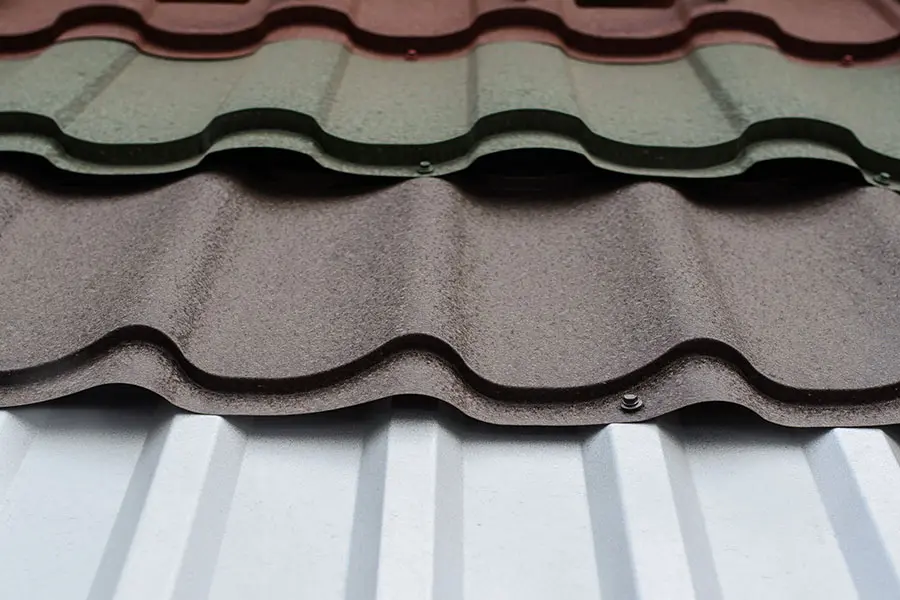
Clips and hooks attach tiles without nails or screws. They lock tiles in place by gripping edges. These fasteners suit delicate or thin tiles. Clips work well on metal or concrete roofs. They prevent tile slipping and allow easy tile replacement. Clips and hooks add extra security in windy areas.
Credit: www.decra.com
Materials Used In Fasteners
Fasteners play a key role in securing tile roofs. The material of these fasteners affects their strength and durability. Choosing the right material helps prevent rust and damage over time. This section covers the common materials used in fasteners for tile roofs.
Stainless Steel
Stainless steel fasteners resist rust and corrosion well. They last long, even in wet or salty environments. These fasteners keep the roof strong and safe. They cost more but offer excellent durability. Many roofers prefer stainless steel for its reliability.
Galvanized Steel
Galvanized steel fasteners have a protective zinc coating. This coating helps prevent rust and corrosion. They are more affordable than stainless steel. Galvanized fasteners work well in dry or mild climates. They may wear faster in harsh weather conditions.
Copper
Copper fasteners resist corrosion naturally. They blend well with many tile colors. Copper is soft but strong enough for tile roofs. These fasteners last many years without rusting. Copper fasteners are often chosen for their appearance and longevity.
Choosing Fasteners By Tile Material
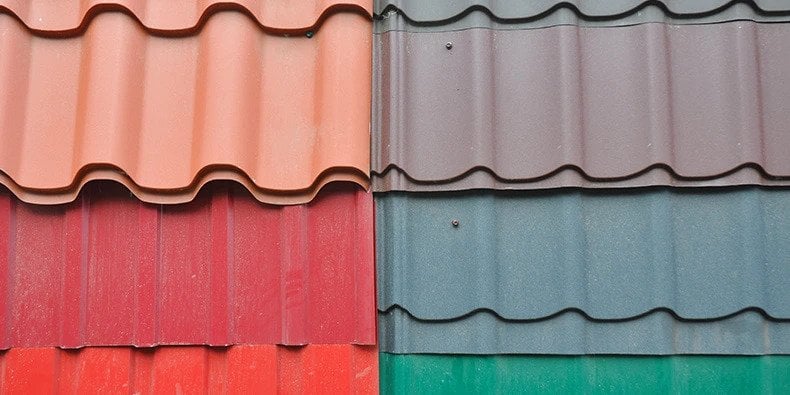
Choosing the right fasteners depends on the tile material. Each tile type needs specific fasteners for strength and durability. Using the correct fasteners helps prevent leaks and tile damage. Below are the best fasteners for common tile materials.
Clay Tiles
Clay tiles are fragile and can crack easily. Use corrosion-resistant screws with wide heads. These screws hold the tiles gently but firmly. Avoid nails as they can break the clay. Fasteners should allow some movement for expansion.
Concrete Tiles
Concrete tiles are heavier and tougher than clay. Use stainless steel screws with strong threads. These screws secure the tiles firmly to the roof deck. Pre-drill holes to avoid cracking the tiles. Make sure fasteners are weather-resistant.
Slate Tiles
Slate tiles are thin and brittle. Use copper or stainless steel nails with a wide head. Nails should be long enough to pass through the slate and roof deck. Avoid screws that might split the slate. Proper fasteners keep slate tiles stable and safe.
Fastener Size And Length Recommendations
Choosing the right fastener size and length is key for a strong tile roof. Fasteners must hold tiles securely to prevent damage from wind and weather. Using the wrong size can cause leaks or tile breakage. This section explains the best fastener sizes and lengths for tile roofing.
Fastener Diameter
Fasteners should have a diameter of at least 8 gauge. Thicker fasteners provide better grip and resist rust. Thin fasteners may bend or break under pressure.
Fastener Length
The length depends on the roof deck thickness. Fasteners should penetrate the deck by at least 1 inch. This ensures a firm hold without damaging the tiles.
Fastener Material
Use corrosion-resistant materials like stainless steel or coated steel. These last longer and prevent rust stains on tiles.
Fastener Head Type
Choose fasteners with a wide, flat head. This spreads pressure and stops tiles from cracking around the fastener.
Corrosion Resistance And Weatherproofing
Corrosion resistance and weatherproofing are crucial for fasteners used on tile roofs. Fasteners face constant exposure to rain, sun, and wind. Without proper protection, they can rust and weaken. This causes roof damage and leaks over time.
Choosing fasteners with strong corrosion resistance extends the roof’s life. Weatherproof fasteners prevent water from seeping under tiles. They keep the roof secure and dry in all weather.
Corrosion-resistant Materials For Fasteners
Stainless steel is a top choice for tile roof fasteners. It does not rust easily and lasts many years. Galvanized steel is another good option. It has a zinc coating that protects against corrosion.
Aluminum fasteners resist rust but may not be as strong. Copper fasteners resist corrosion well but cost more. Each material suits different budget and roof needs.
Coatings That Protect Fasteners
Zinc plating adds a protective layer to steel fasteners. It slows down rust formation under wet conditions. Some fasteners have ceramic or epoxy coatings. These coatings provide extra weather resistance and durability.
Choose fasteners with coatings approved for outdoor use. These coatings help fasteners stay strong despite rain and sun.
Weatherproof Design Features
Fasteners for tile roofs often include rubber or neoprene washers. These washers seal holes and prevent water leaks. Some screws have special threads to grip tiles firmly. This reduces movement during wind or storms.
Fasteners with weatherproof designs protect the roof’s structure. They help avoid costly repairs from water damage.
Installation Techniques For Secure Fastening
Installing fasteners on tile roofs requires careful techniques to ensure long-lasting strength. Proper methods prevent damage to the tiles and avoid leaks. Each step in the process plays a key role in secure fastening.
Pre-drilling
Pre-drilling holes helps avoid cracks in the tiles. Use a drill bit sized slightly smaller than the fastener. Drill gently to prevent breaking the tile surface. This step makes insertion easier and protects the tile’s integrity.
Sealing Around Fasteners
Apply a waterproof sealant around each fastener after installation. The sealant stops water from entering through the holes. Use a sealant designed for roofing to ensure durability. This step helps maintain the roof’s weather resistance.
Proper Placement
Place fasteners in the tile’s strongest areas, usually near the edges or where tiles overlap. Avoid weak spots to prevent cracking. Correct placement increases the roof’s overall stability and lifespan.
Common Mistakes To Avoid
Choosing the right fasteners for tile roofs is important for a strong, long-lasting roof. Many people make simple mistakes that cause damage or reduce the roof’s life. Understanding these common errors helps protect the roof and saves money on repairs.
Fasteners must fit the tile type and roof design. Using the wrong fasteners leads to leaks or broken tiles. Proper installation is just as important. Even the best fasteners fail if not installed correctly.
Using Incorrect Fastener Material
Fasteners must resist rust and corrosion. Steel or aluminum fasteners work well for tile roofs. Avoid cheap metals that rust quickly. Rust weakens fasteners and causes tile damage over time.
Choosing The Wrong Fastener Length
Fasteners should be long enough to secure tiles firmly. Too short fasteners hold poorly and loosen easily. Too long fasteners can crack tiles or roof decking. Measure thickness before buying fasteners.
Overdriving Or Underdriving Fasteners
Fasteners must be driven just right. Overdriving breaks the tile or pierces it too deep. Underdriving leaves tiles loose and unstable. Use a drill with proper torque settings for best results.
Ignoring Manufacturer Guidelines
Tile and fastener makers provide installation instructions. Ignoring these rules risks roof failure. Follow all guidelines for fastener type, placement, and spacing. This ensures a secure, weatherproof roof.
Credit: www.americanweatherstar.com
Maintenance Tips For Tile Roof Fasteners
Maintaining tile roof fasteners is key to keeping your roof strong and safe. These small parts hold your tiles in place. Without proper care, fasteners can loosen or rust. This can cause tiles to shift or fall. Regular checks help spot problems early. Fixing fasteners on time saves money and prevents leaks.
Inspect Fasteners Regularly
Look at your roof fasteners twice a year. Check after storms or strong winds. Search for rust, cracks, or loose screws. Use a ladder carefully or hire a professional. Early detection stops damage from getting worse.
Clean Fasteners To Prevent Rust
Dirt and moisture cause fasteners to rust. Clean them gently with a soft brush. Remove leaves, moss, and debris around the fasteners. Rust weakens the metal and lowers its grip. Keep fasteners dry and clean for longer life.
Tighten Loose Fasteners
Loose fasteners make tiles unstable. Use a screwdriver to tighten screws and nails. Avoid overtightening to prevent breaking the tiles. Tight fasteners hold tiles firmly and protect against wind damage.
Replace Damaged Fasteners
Old or broken fasteners must be replaced quickly. Use the same type and size as the original. Stainless steel fasteners resist rust and last longer. Proper replacements keep your roof secure and strong.
Frequently Asked Questions
What Fasteners Are Best For Securing Tile Roofs?
Stainless steel screws are best for tile roofs. They resist rust and corrosion, ensuring long-lasting hold. Use screws with rubber washers to prevent water leaks and secure tiles tightly without damage.
Can Nails Be Used On Tile Roofing?
Nails are generally not recommended for tile roofs. They offer less holding power and can damage tiles. Screws provide a more secure fit and better resistance to wind and weather.
How Do Fasteners Prevent Tile Roof Damage?
Proper fasteners distribute pressure evenly, reducing tile cracks. Screws with washers seal against water intrusion, preventing leaks. Using the right fasteners ensures roof durability and protects the underlying structure.
Are Corrosion-resistant Fasteners Necessary For Tile Roofs?
Yes, corrosion-resistant fasteners like stainless steel extend roof life. They withstand moisture and weather changes without rusting. This prevents fastener failure and maintains a secure tile roof system.
Conclusion
Choosing the right fasteners keeps your tile roof strong and safe. Nails and screws made of stainless steel or coated materials resist rust well. They hold tiles firmly against wind and rain. Using proper fasteners prevents damage and costly repairs later.
Always match fasteners to your roof type and climate. Good fasteners make your roof last longer and look better. Quality matters for every tile roof project.


