Are you ready to give your space a quick upgrade by switching a light fixture? It might seem tricky, but with the right steps, you can do it yourself safely and easily.
Imagine the satisfaction of turning on a brand-new light that perfectly brightens your room and matches your style. In this guide, you’ll discover simple instructions that anyone can follow, even if you’re not an expert. Keep reading, and you’ll gain the confidence to transform your lighting—and your home—without calling a pro.
Tools And Materials Needed
Switching a light fixture requires a few basic tools and materials. Having the right items makes the job easier and safer. Prepare everything before starting the work.
Below are the essential tools and materials needed for this task.
Basic Hand Tools
You will need a screwdriver set with both flathead and Phillips heads. A pair of wire strippers helps remove insulation from wires. Needle-nose pliers make it easy to bend and hold wires.
Electrical Tester
An electrical tester or voltage detector ensures power is off. It is crucial to check wires before touching them. This tool prevents electric shock and keeps you safe.
Replacement Light Fixture
Choose a light fixture that fits your space and wiring. The new fixture should come with mounting hardware and instructions. Check that it matches your home’s voltage and style.
Wire Connectors And Electrical Tape
Wire connectors secure wire connections inside the fixture box. Use electrical tape for extra safety and to cover exposed wires. These materials keep wires from loosening or touching metal parts.
Safety Gear
Wear safety glasses to protect your eyes from dust and debris. Use gloves for extra grip and protection. A sturdy ladder helps you reach the fixture safely.
Safety Precautions
Safety is the first step when switching a light fixture. Electrical work can be dangerous. Taking the right precautions protects you and your home. Follow clear safety rules before starting any work.
Turn Off Power At The Circuit Breaker
Cut the electricity to the room by turning off the circuit breaker. This stops power from reaching the light fixture. Do not rely only on the wall switch. Double-check with a voltage tester to ensure no electricity flows.
Use Proper Tools And Equipment
Use insulated tools designed for electrical work. Avoid metal tools without insulation. Wear safety gloves and goggles to protect your hands and eyes. Prepare a sturdy ladder if the fixture is high up.
Work In A Dry Environment
Make sure the area is dry before starting. Water and electricity do not mix. Avoid working with wet hands or standing in water. Turn off humidifiers or fans that create moisture nearby.
Understand Wiring Basics
Know the different wire colors and their functions. Black or red wires are usually hot wires. White wires are neutral. Green or bare wires are ground. Label wires if needed to avoid confusion during installation.
Do Not Rush The Job
Take your time to avoid mistakes. Rushing increases the risk of accidents and poor connections. Work calmly and methodically. Double-check each step before moving on.
Turn Off The Power
Turning off the power is the first and most important step in switching a light fixture. This step keeps you safe and prevents electric shocks. Always treat electricity with respect. Never skip this step no matter how quick the job seems.
Before touching wires or removing the old fixture, make sure no electricity flows to the light. This simple action protects you during the entire process.
Locate The Circuit Breaker
Find your home’s circuit breaker panel. It is usually in the basement, garage, or utility room. Look for a box with a metal door and switches inside. This panel controls the power supply to your entire house.
Switch Off The Correct Breaker
Identify the breaker that controls the light fixture you want to change. It may be labeled by room or area. Flip the switch to the “off” position. This cuts power to the light fixture safely.
Use A Voltage Tester
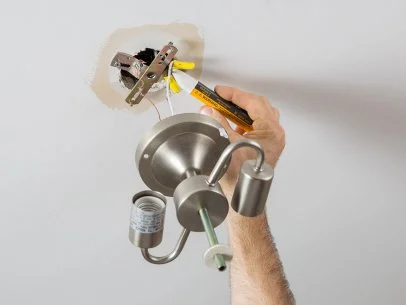
Check the light fixture wires with a voltage tester. This tool confirms no electricity flows through the wires. Touch the tester probes to the wires. If the tester shows no power, it is safe to work.
Double-check Safety
Turn the light switch on and off to confirm power is off. The light should not turn on. This extra check ensures complete safety. Never start until you are sure power is off.
Credit: www.hgtv.com
Remove The Old Fixture
Removing the old light fixture is the first step to install a new one. It needs care and attention to avoid damage or injury. Follow simple steps to make the process easy and safe.
Switch off the power at the circuit breaker. Do not rely on the wall switch alone. Use a voltage tester to confirm no electricity flows to the fixture. Safety first.
Remove The Fixture Cover
Remove the light bulbs and any decorative covers. Some covers twist off, others have screws. Keep all screws safe for later use.
Unscrew The Fixture Base
Locate the screws or nuts holding the fixture base to the ceiling. Use a screwdriver or wrench to remove them. Support the fixture with one hand while loosening.
Disconnect The Wires
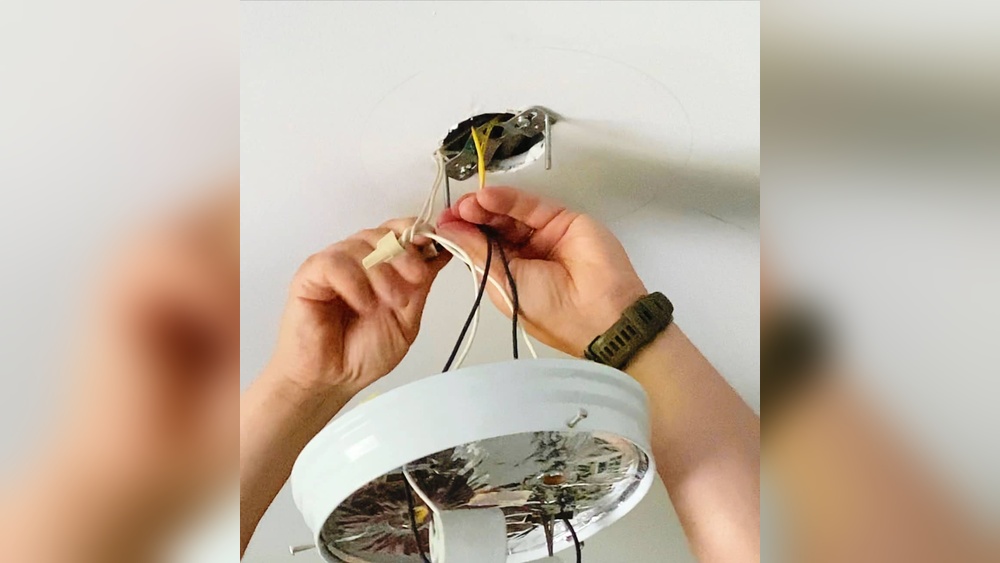
Look for wire connectors or twist caps. Unscrew or untwist these connectors carefully. Separate the fixture wires from the house wires. Note the wire colors and positions.
Take Down The Old Fixture
Once wires are disconnected, gently lower the fixture. Place it on a safe surface. Check for any damage or leftover parts in the ceiling box.
Inspect The Wiring
Before switching a light fixture, checking the wiring is important. It keeps you safe and ensures the fixture works well. Wiring can wear out or get damaged over time. Careful inspection helps find problems early.
Look closely at the wires connected to the fixture. Check for cracks, frays, or burn marks. These signs mean the wiring needs repair or replacement. Never ignore damaged wires. They can cause shocks or fires.
Always switch off the power at the circuit breaker. This stops electricity from flowing. Use a voltage tester to confirm the wires are not live. Safety first.
Remove The Fixture Cover
Take off the light fixture cover to see the wiring inside. Use a screwdriver if needed. Handle the cover carefully to avoid breaking it.
Check Wire Connections
Look where wires join together. Make sure all connections are tight and secure. Loose wires can cause flickering or failure.
Look For Wire Colors
Note the wire colors: usually black, white, and green or copper. Black is hot, white is neutral, and green is ground. Correct connections keep the fixture safe.
Inspect Wire Insulation
Check the plastic or rubber covering on each wire. It should be whole and flexible. Broken insulation can cause short circuits.
Test With A Voltage Meter
Use a voltage meter to test wires before touching them. This tool shows if electricity is present. It helps avoid shocks.
Credit: www.youtube.com
Connect The New Fixture
Connecting the new light fixture is an important step. It ensures your fixture works safely and correctly. Take your time and follow each step carefully. This part involves matching wires and securing connections. Proper connection avoids flickering and electrical hazards.
Identify The Wires
First, find the wires coming from the ceiling. Usually, there are three: black, white, and green or bare copper. Black is the live wire. White is neutral. Green or bare copper is the ground wire. Check your new fixture’s wires too. They should match these colors.
Connect The Wires
Match the wires by color. Connect black to black, white to white, and green to green or bare copper. Twist the ends together clockwise. Use wire nuts to secure the connections. Push the wires back into the electrical box carefully.
Attach the fixture to the ceiling bracket. Use the screws provided with your fixture. Make sure it is tight and level. Loose fixtures can be dangerous and look uneven. Double-check all connections before moving on.
Secure The Fixture
Securing the light fixture is a crucial step in changing a light fixture. It ensures the fixture stays in place and works safely. A loose fixture can cause problems or even accidents. Take your time to fasten it well.
Check The Mounting Bracket
Start by inspecting the mounting bracket. Make sure it is attached tightly to the electrical box. Use screws that fit well and are not damaged. The bracket should not wobble or move.
Attach The Fixture Base
Hold the fixture base up to the bracket carefully. Align the holes on the base with the screws on the bracket. Screw the base into place using a screwdriver. Tighten the screws, but avoid over-tightening.
Secure Wire Connections
Connect wires using wire nuts. Twist wires together firmly before adding the nut. Check that no bare wire is visible outside the nut. This keeps the connection safe and strong.
Test The Fixture Stability
Gently shake the fixture to test its stability. It should not move or feel loose. If it does, tighten the screws more. Make sure everything feels solid before moving on.

Credit: community.smartthings.com
Restore Power And Test
After installing the new light fixture, restoring power is the next step. This process brings electricity back to the fixture so it can work. Testing the fixture ensures the installation is correct and safe. Follow these simple steps to restore power and check your work.
Turn On The Circuit Breaker
Go to your home’s electrical panel. Find the breaker labeled for the light fixture. Flip the switch back to the “On” position. This action restores power to the fixture. Be careful while handling the breaker.
Check The Light Switch
Go to the wall switch that controls your fixture. Turn the switch on. This sends power from the breaker to the light fixture. The light should come on if the wiring is correct.
Test The Light Fixture
Look at the fixture to see if the bulb lights up. If the light turns on, the installation worked. If not, turn off the breaker again. Double-check all wiring connections. Make sure wires are secure and connected properly.
Troubleshooting Tips
Troubleshooting is a key step when switching a light fixture. Problems can happen even if the installation looks correct. Knowing how to spot and fix common issues saves time and frustration.
Many issues come from simple mistakes. Power may be off, wires not connected well, or a faulty switch. Checking these basics helps find the cause quickly.
Check The Power Supply
Ensure the power is on at the circuit breaker. A tripped breaker will stop electricity flow. Use a voltage tester to confirm power at the wires. No power means no light.
Inspect Wire Connections
Look closely at all wire connections. Loose or twisted wires cause poor contact. Tighten screws and reconnect wires firmly. Match wire colors correctly for safety and function.
Test The Light Bulb
Sometimes the bulb is the problem. Remove the bulb and try it in another socket. Replace with a new bulb if it does not light up. Use the correct bulb type for the fixture.
Examine The Switch
The switch might be broken or worn out. Turn the switch on and off several times. Listen for clicking sounds or feel for resistance. Replace the switch if it does not work smoothly.
Look For Damaged Parts
Check for visible damage on the fixture and wires. Cracked sockets or frayed wires are unsafe. Replace damaged parts before use. Safety always comes first when working with electricity.
Frequently Asked Questions
How Do I Safely Turn Off Power For Fixture Replacement?
Always switch off the circuit breaker before starting. Use a voltage tester to confirm no electricity flows. Safety prevents shocks and accidents during fixture replacement.
What Tools Are Needed To Switch A Light Fixture?
You’ll need a screwdriver, wire strippers, voltage tester, and wire nuts. These tools help remove the old fixture and install the new one correctly and safely.
Can I Replace A Light Fixture Without Electrician Help?
Yes, if you follow safety steps and have basic skills. Turn off power, test wires, and carefully connect new fixture wires. Call a professional if unsure.
How Do I Connect Wires When Switching A Light Fixture?
Match wire colors: black to black, white to white, and ground to ground. Secure connections with wire nuts and electrical tape for safety and durability.
Conclusion
Switching a light fixture can be simple and safe. Always turn off the power before you start. Take your time to follow each step carefully. Use the right tools to avoid any problems. Double-check your work before turning the power back on.
This project saves money and adds a fresh look. You can brighten your home with confidence. Ready to try it yourself? It’s easier than you think.