Have you ever wondered what happens when you flip a light switch? It seems simple, right?
But behind that small flick lies a fascinating process that powers the light in your room. Understanding how a light switch works can give you a new appreciation for everyday things you often take for granted. Stick with me, and you’ll soon see how this tiny device controls the flow of electricity, keeps you safe, and makes your life easier.
Ready to discover the secret behind your light switch? Let’s dive in.
Basic Components
Light switches are simple devices but have important parts. These parts work together to turn lights on and off. Understanding these basic components helps you know how a switch works inside your home.
Switch Types
There are different kinds of light switches. The most common is the toggle switch. It flips up or down to control the light. Another type is the rocker switch, which moves back and forth. Push-button switches use a button that you press. Each type changes how you interact with the switch.
Internal Mechanisms
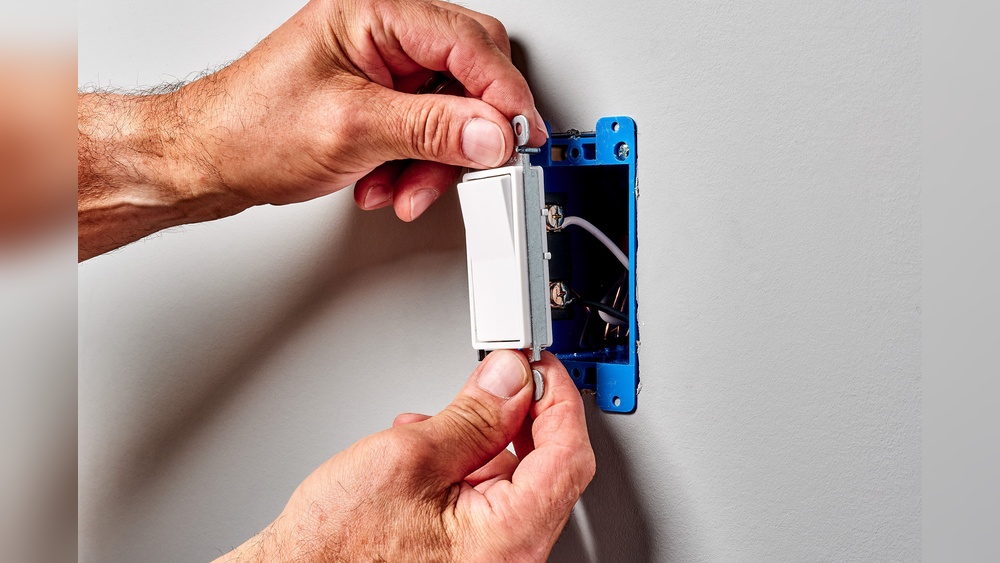
Inside a switch, small parts move to open or close the circuit. A metal spring or lever helps control this movement. When you flip the switch, it moves the internal parts. This action either connects or disconnects the electrical path. The parts must be strong and reliable for safe use.
Electrical Circuit
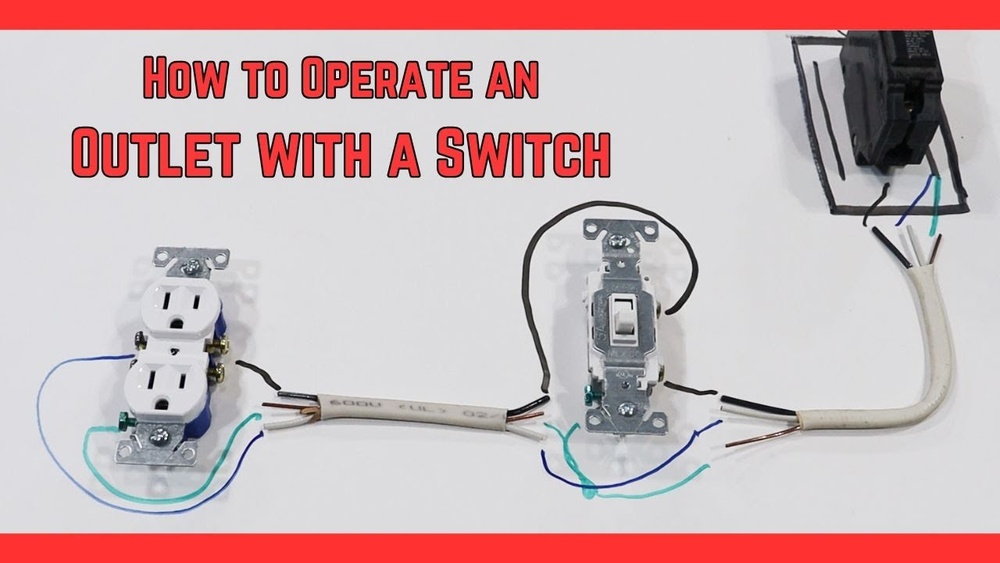
The switch is part of a larger electrical circuit. It controls the flow of electricity to the light. When the switch is on, electricity flows through the circuit. When off, the circuit breaks and stops the flow. This simple control keeps your lights working safely and efficiently.
How Switching Happens
Understanding how a light switch works means looking at how it controls electricity flow. The switch acts as a gate for the electric current. It either allows the current to pass or stops it. This action turns the light on or off.
Completing The Circuit
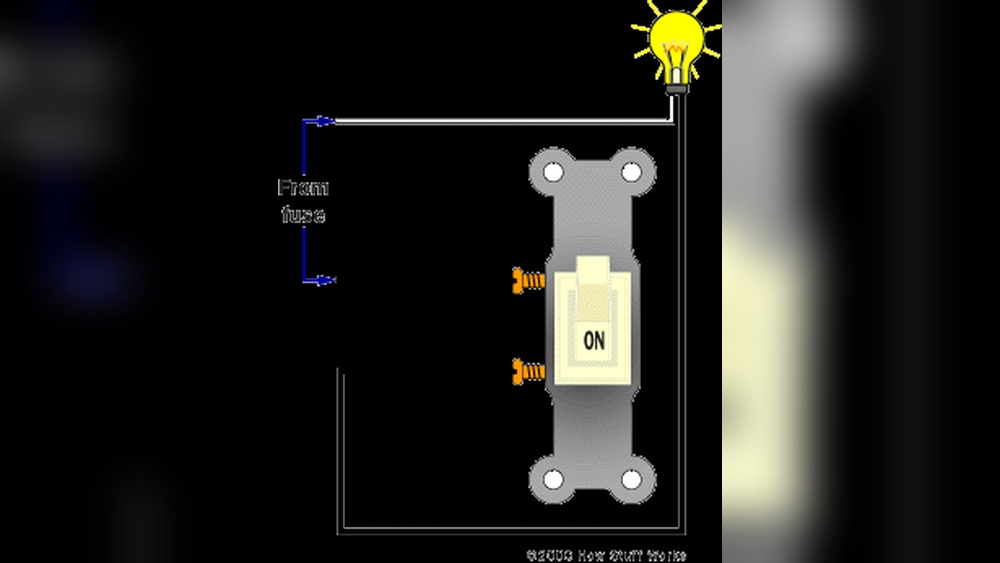
When you flip the switch on, it closes the circuit. Closing the circuit means electricity can flow through the wires. The current travels from the power source to the light bulb. This flow makes the bulb glow. Think of it as connecting a path for electricity to move.
Breaking The Circuit
Flipping the switch off opens the circuit. Opening the circuit stops the electric current. Without current, the light bulb cannot light up. The path for electricity breaks, and the light goes off. The switch acts like a gate that stops electricity.
Common Switch Designs
Light switches come in different styles and designs. Each type has a unique way to control the flow of electricity. Knowing these common switch designs helps in choosing the right switch for your needs. These switches vary in shape, size, and how they operate.
Toggle Switches
Toggle switches are the most common type. They have a small lever that moves up or down. This movement turns the light on or off. The switch makes a clicking sound when flipped. They are simple, reliable, and easy to use.
Rocker Switches
Rocker switches have a flat surface that rocks back and forth. Press one side to turn the light on. Press the other side to turn it off. These switches look modern and fit well in many homes. They are smooth and quiet to operate.
Push-button Switches
Push-button switches work by pressing a button. Each press changes the light from on to off or vice versa. Some push-button switches click, while others are silent. They come in different shapes and add a classic touch to rooms.
Credit: home.howstuffworks.com
Safety Features
Light switches have built-in safety features to protect users from electric shocks and fires. These features help keep your home safe while using electrical devices. Understanding these safety elements shows how carefully switches are designed.
Insulation Materials
Insulation materials cover the wires inside the switch. They stop electricity from leaking out. Plastic or rubber are common insulators. They keep the electrical current inside the wires. This prevents shocks and short circuits. Good insulation makes the switch safe to touch.
Grounding
Grounding connects the switch to the earth. It helps direct extra electricity safely away. If a fault happens, grounding stops electric shocks. It protects both the switch and the user. Ground wires are usually green or bare copper. This simple step adds an important safety layer.
Circuit Breakers
Circuit breakers protect the whole electrical system. They cut off power if there is an overload. Too much current can cause wires to heat up or catch fire. The breaker stops the electricity flow quickly. This prevents damage and keeps your home safe. Circuit breakers work automatically without needing any action.
Smart Switch Innovations
Smart switch innovations have changed how we control lights. These switches offer more than just on and off functions. They bring convenience, control, and energy savings to homes and offices. Understanding these features helps to appreciate modern lighting better.
Remote Control
Smart switches allow controlling lights from anywhere. Using a smartphone app, users can turn lights on or off. This feature adds safety by letting lights appear on when away. It also helps avoid returning to a dark home. Remote control makes managing lights simple and quick.
Automation Integration
Smart switches connect with home automation systems. They can work with voice assistants like Alexa or Google Home. Lights can turn on automatically at sunset or when entering a room. Automation creates a smooth and hands-free lighting experience. It fits well with modern smart home setups.
Energy Efficiency
Smart switches help save electricity by reducing waste. They can schedule lights to turn off after a set time. Some models sense if a room is empty and switch lights off. This reduces bills and lowers environmental impact. Energy efficiency is a key advantage of smart switches.

Credit: www.youtube.com
Troubleshooting Tips
Troubleshooting light switches can save time and money. Most problems are simple to fix with basic knowledge. This section guides you through common issues and easy solutions.
Identifying Faulty Switches
Start by checking if the switch feels loose or stiff. Flick the switch several times to test responsiveness. Look for signs of burning or discoloration on the switch plate. Listen for unusual sounds like buzzing or crackling. These signs often point to a faulty switch that needs attention.
Basic Repairs
Turn off power before any repair work. Tighten loose screws to secure the switch firmly. Clean the switch contacts with a dry cloth to remove dust. Replace the switch cover if it is cracked or damaged. Use a voltage tester to check if the switch gets power. Simple repairs like these can restore the switch’s function quickly.
When To Call A Professional
Call an electrician if the switch sparks or smells burnt. Avoid fixing switches that cause frequent circuit breaker trips. Seek help when wires appear frayed or damaged. Complex wiring problems need professional skills for safety. Always prioritize safety over DIY fixes in risky situations.
:max_bytes(150000):strip_icc()/how-light-switches-work-2175162-2-V1-c86fba8610b14f178ad09d7ef8d3184c.jpg)
Credit: www.thespruce.com
Frequently Asked Questions
How Does A Light Switch Control Electricity Flow?
A light switch opens or closes an electrical circuit. When closed, it allows electricity to flow to the light bulb. When opened, it stops the current, turning the light off. This simple mechanism controls the light easily and safely.
What Are The Types Of Light Switches?
Common types include single-pole, three-way, and dimmer switches. Single-pole switches control one light from one location. Three-way switches control a light from two locations. Dimmer switches adjust the brightness level of the light.
Why Do Light Switches Sometimes Spark When Used?
Sparking occurs due to electrical arcing inside the switch. It happens if the switch contacts wear out or if there’s a loose connection. Small sparks are normal, but frequent or large sparks indicate a faulty switch that needs replacement.
Can A Light Switch Be Installed Without Professional Help?
Yes, basic light switches can be installed by homeowners with electrical knowledge. Always turn off the power before working on wiring. If unsure, consult a professional to avoid risks like electric shock or fire hazards.
Conclusion
Understanding how a light switch works makes daily life easier. It controls electricity flow to turn lights on or off. Simple parts inside the switch connect or break the circuit. Knowing this helps you fix small problems safely. Next time you flip a switch, you’ll think about the electric path inside.
Light switches are small but important tools in every home. Their basic design has stayed the same for many years. This simple device brings light to darkness with just one click.