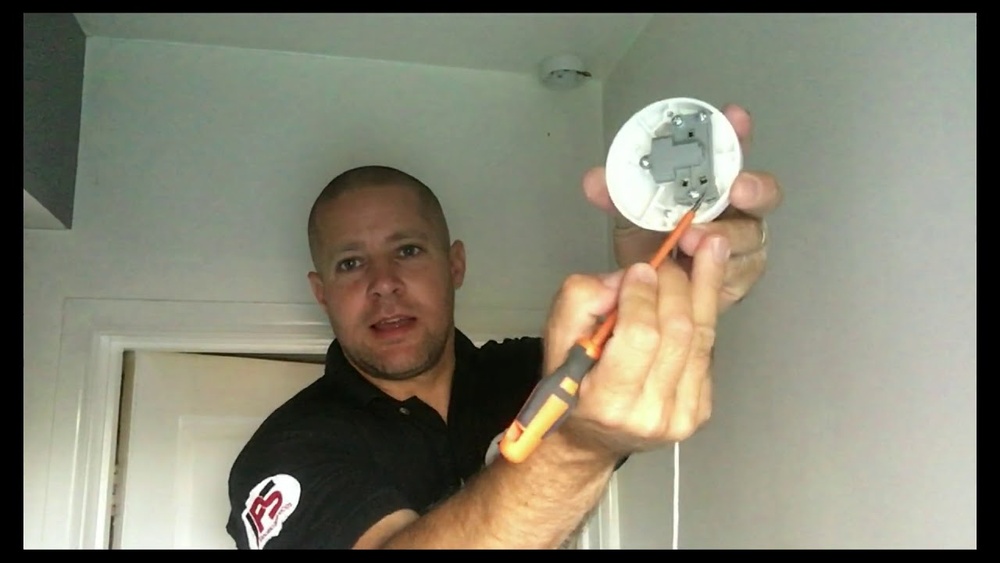
Have you ever flipped a light switch, only to find that nothing happens? It’s frustrating and can leave you wondering if the problem is with the bulb, the wiring, or the switch itself.
Knowing if your light switch is bad is important—not just for convenience but for safety too. You’ll discover the simple signs that point to a faulty switch and easy ways to check it yourself. Keep reading, and you’ll learn how to take control of the situation before it becomes a bigger issue.
Credit: rytecelectric.com
Common Light Switch Problems
Light switches control the flow of electricity to your lights. They should work smoothly every time. Some problems can mean the switch is bad or unsafe. Knowing common switch issues helps you spot trouble early.
Flickering Lights
Lights that flicker or dim often point to switch problems. Loose wiring inside the switch can cause this. Flickering also means poor connection or worn parts. It needs quick attention to avoid hazards.
Switch Feels Warm
A warm or hot switch is a warning sign. It means too much electricity is passing through. This can cause damage or fire risk. The switch should feel cool or slightly warm, never hot.
Unusual Sounds
Buzzing or crackling noises from a switch are not normal. These sounds show electrical issues inside the switch. They can be caused by loose parts or short circuits. Stop using the switch until it is checked.
Physical Damage
Cracks, breaks, or burn marks on a switch are clear signs of damage. Damaged switches might not work properly and can be dangerous. Replace any switch with visible damage immediately for safety.
Testing The Switch
Testing the switch is a key step to know if your light switch is bad. It helps find electrical problems safely. Simple tools and careful checks can show if the switch works well or not.
Start by turning off power at the breaker. This keeps you safe while testing. Next, remove the switch cover to see the wires. Follow these easy methods to test the switch properly.
Using A Voltage Tester
A voltage tester checks if electricity flows through the switch. Touch the tester to the switch terminals. A light or beep means power is present. No signal could mean a bad switch or no power.
Test the switch in both on and off positions. The tester should only show power in the on position. If power shows in both or none, the switch might be faulty.
Checking For Loose Connections
Loose wires cause switches to fail. Look for wires that wiggle or are not tight. Use a screwdriver to gently tighten all screws on the switch. Make sure wires are firmly attached.
Loose connections can cause flickering or no light. Fixing them often restores switch function without replacement.
Inspecting The Wiring
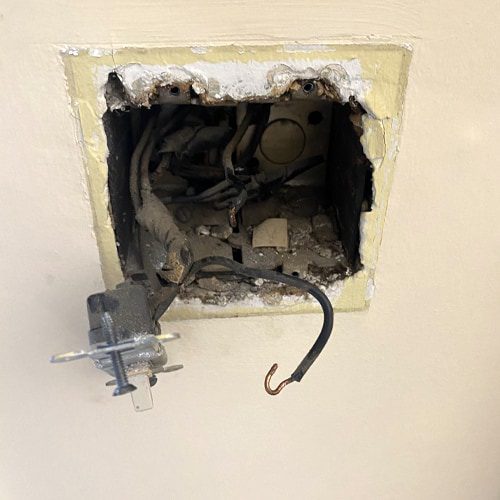
Look closely at the wiring behind the switch. Check for damaged or frayed wires. Broken insulation or exposed copper wires are signs of trouble. These can cause shorts or shocks.
Replace any damaged wires and ensure proper connections. Good wiring supports a healthy switch and safe operation.
When To Replace The Switch
Knowing when to replace a light switch is important for safety and function. A switch that works poorly can cause frustration and risks. Watch for signs that show the switch is no longer good. Acting fast can prevent bigger problems.
Persistent Malfunctions
Switches that fail to turn lights on or off often need replacing. Flickering lights or switches that feel loose may also be bad. Constant problems mean the switch parts are worn out. Repairing these issues rarely lasts long.
Safety Concerns
Burning smells or sparks from a switch are serious warnings. Heat or discoloration around the switch shows electrical trouble. Old switches without proper grounding can be unsafe. Replace switches showing any signs of danger immediately.
Upgrading To Modern Switches
Modern switches offer better safety and energy savings. Smart switches add convenience and control to your home. Upgrading old switches improves home value and efficiency. Choose new switches to match your needs and style.
Credit: www.lexairconditioning.com
Diy Vs Professional Help
Deciding between fixing a light switch yourself or calling a professional can be tricky. Some problems are easy and safe to handle at home. Others need expert skills and tools. Knowing the difference helps you stay safe and save money. This section guides you on simple fixes you can try and when to call an electrician.
Simple Fixes You Can Try
Start by turning off the power at the circuit breaker. Use a voltage tester to check the switch. Tighten any loose screws on the switch plate. Clean the switch with a dry cloth to remove dust. Replace the switch cover if it is cracked or damaged. Sometimes, changing the light bulb solves the issue. These steps are safe for most people with basic skills.
When To Call An Electrician
Call a professional if the switch feels hot or sparks. If the switch makes buzzing or crackling sounds, stop and call help. Flickering lights or frequent breaker trips mean deeper problems. Wiring issues need expert knowledge to avoid shocks or fires. Never try to fix wiring without proper training. Safety is the top priority with electrical work.
Preventing Future Issues
Preventing future issues with your light switches saves time and money. Regular care helps avoid sudden failures and electrical hazards. Simple habits can extend the life of your switches and keep your home safe.
Regular Maintenance Tips
Check switches for signs of wear or damage every few months. Clean dust and dirt from switch covers using a dry cloth. Avoid using water or liquid cleaners near electrical parts. Tighten loose screws carefully to keep switches secure. Replace any switch that feels warm or makes unusual sounds immediately. Turn off the power before inspecting or fixing switches to stay safe.
Choosing Quality Switches
Select switches made from durable materials and trusted brands. Look for switches with good reviews and safety certifications. Avoid very cheap switches as they may break faster. Choose switches that match your home’s electrical needs. Investing a bit more in quality switches reduces the chance of problems later. Proper installation also ensures switches work well and last longer.
Credit: shockleyelectric.com
Frequently Asked Questions
How Can I Tell If My Light Switch Is Faulty?
If your light switch doesn’t turn lights on or off, it might be faulty. Flickering lights or a warm switch also indicate problems. Testing with a voltage tester can confirm if the switch needs replacement. Always turn off power before inspecting.
What Causes A Light Switch To Go Bad?
Light switches can fail due to wear and tear, electrical surges, or loose wiring. Frequent use and moisture exposure also contribute. Over time, internal components degrade, causing malfunction or safety hazards that require replacement.
Can A Bad Light Switch Cause Electrical Shocks?
Yes, a faulty light switch can cause electrical shocks. Damaged wiring or exposed components increase shock risk. If you feel a shock, stop using the switch immediately and consult a professional electrician for repairs.
How Do I Safely Test A Light Switch At Home?
Turn off power at the circuit breaker before testing. Use a voltage tester or multimeter to check for current flow when toggling the switch. If unsure, hire a licensed electrician to avoid hazards and ensure accurate results.
Conclusion
A bad light switch shows clear signs you can spot. Flickering lights, no power, or a warm switch are clues. Test the switch carefully and watch for unusual behavior. Fixing or replacing it keeps your home safe and bright. Don’t ignore these signs; they help avoid bigger problems.
Regular checks save time and money later. Stay alert to how your switches work every day. A little attention goes a long way in home care.