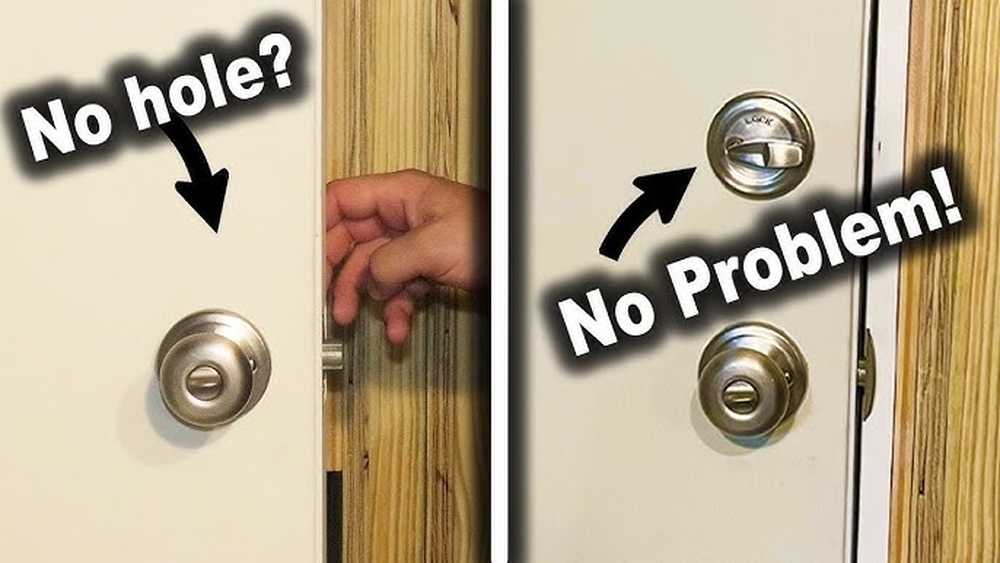
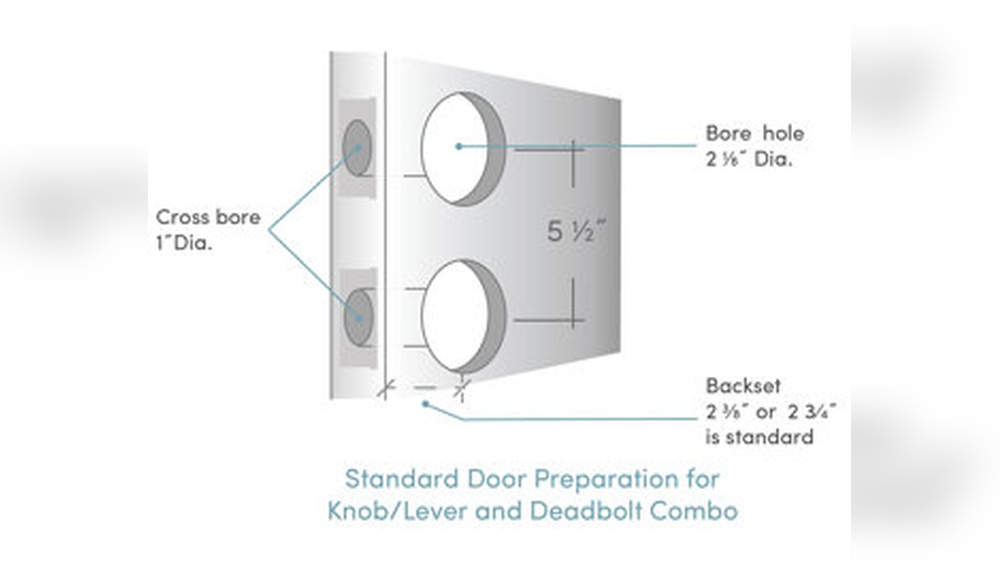
Have you ever found yourself locked out because of a stubborn deadbolt lock? It can be frustrating and stressful, especially when you need quick access.
Knowing how to get past a deadbolt lock can save you time, money, and hassle. You will discover simple, practical methods to handle these locks safely and effectively. Whether you’re dealing with an emergency or just want to understand how these locks work, this guide will give you clear steps you can follow right now.
Keep reading to unlock the secrets behind deadbolt locks and regain control of your situation.
Types Of Deadbolt Locks
Deadbolt locks come in several types. Each offers different levels of security and ease of use. Understanding these types helps you know how to get past them if needed.
Single Cylinder Deadbolts
Single cylinder deadbolts have a keyhole outside and a thumb turn inside. This type is common on many doors. It is easy to use and install. The thumb turn allows quick locking from inside.
Double Cylinder Deadbolts
Double cylinder deadbolts need a key on both sides. They provide extra security by preventing unlocking from the inside. This type works well for doors with glass near the lock. It stops burglars from breaking the glass to reach inside.
Keyless Deadbolts
Keyless deadbolts use a code or fingerprint to unlock. No physical key is needed. This type offers convenience and quick access. Many models allow changing codes for extra safety. They suit homes and offices that want modern security.
Credit: www.reddit.com
Tools Needed For Bypassing
Bypassing a deadbolt lock requires specific tools to handle the task safely and efficiently. Each tool serves a unique purpose in the process. Knowing the right tools helps you work smarter and avoid damage to the lock or door.
Lock Picks And Tension Wrenches
Lock picks and tension wrenches are basic tools for bypassing deadbolt locks. The tension wrench applies slight pressure to the lock cylinder. Lock picks manipulate the pins inside the lock to line them up. These tools require patience and practice to use correctly. They allow you to open the lock without any damage.
Bump Keys
Bump keys are special keys cut to fit many locks of the same type. They work by tapping or “bumping” the key inside the lock. This action forces the pins to jump, allowing the lock to turn. Bump keys are quick but need careful handling. They are less effective on high-security deadbolts.
Drilling Equipment
Drilling equipment is a last resort tool for bypassing a deadbolt. It destroys the internal mechanism so the lock can be removed. Drilling requires caution to avoid damage to the door frame. Proper bits and drills make the process faster and cleaner. This method is irreversible and should be used carefully.
Picking A Deadbolt Lock
Picking a deadbolt lock requires patience and practice. It is a skill that involves manipulating the lock’s pins to open it without a key. Understanding basic techniques helps beginners learn the process step-by-step. This section explains some simple ways to pick a deadbolt lock safely and effectively.
Basic Lock Picking Techniques
Start with the right tools: a tension wrench and a pick. The tension wrench applies slight pressure on the lock cylinder. The pick lifts the pins inside the lock. The goal is to set each pin to the correct height. This allows the cylinder to turn and open the lock. Practice gentle movements and avoid forcing the tools. Too much pressure can damage the lock or tools.
Raking Method
The raking method is faster and easier for beginners. Use a rake pick that has multiple ridges. Insert the rake into the lock and move it back and forth quickly. Apply light tension with the wrench while doing this. The movement sets several pins at once. It may take a few tries to get it right. This method works best on simple locks with standard pins.
Single Pin Picking
Single pin picking is more precise but takes time. It involves lifting each pin one by one. Use a hook pick to feel the pins inside the lock. Apply gentle tension with the wrench. Push up each pin until you hear a slight click. This click means the pin is set correctly. Repeat this for all pins in the lock. This technique gives more control and works on complex locks.
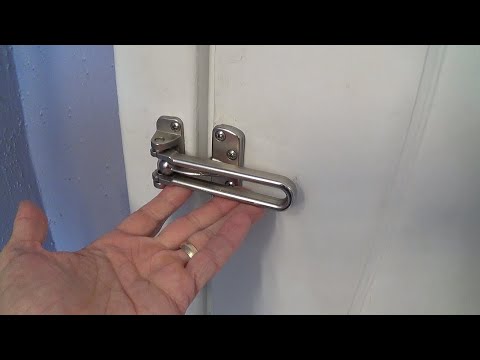
Credit: www.youtube.com
Using Bump Keys Effectively
Using bump keys can be a practical method to open a deadbolt lock. This technique requires some skill and practice. It is important to understand how bump keys work and the correct steps to use them. Also, knowing the risks helps you avoid damage or legal trouble.
How Bump Keys Work
Bump keys are specially cut keys designed to fit many locks. They have all cuts at the lowest depth. When inserted and struck, they create a sudden force inside the lock. This force moves the pins, allowing the lock to turn.
The key must be inserted fully and then pulled back slightly. Striking the key causes the pins to jump. If timed right, the lock opens quickly and quietly.
Steps To Bump A Deadbolt
Start by inserting the bump key fully into the lock. Pull the key back one notch, so the pins are ready to jump. Hold the key firmly and use a small hammer or similar tool to tap the end sharply. At the same time, try turning the key gently. Repeat this process until the lock opens.
Practice is important. Timing the tap and turn is key to success. Too hard or too soft tapping will not work well.
Limitations And Risks
Bump keys do not work on all deadbolts. Some locks have extra security features that block bumping. Also, repeated bumping can damage the lock pins.
Using bump keys without permission is illegal. Only use this method on locks you own or have permission to open. Always consider the legal and ethical side before trying bumping.
Drilling Through A Deadbolt
Drilling through a deadbolt lock is a method used to get past a lock when other options fail. It breaks the lock mechanism to open the door. This method destroys the lock, so it should be a last resort. Drilling needs careful steps and proper tools to avoid damage to the door.
When To Choose Drilling
Choose drilling if you have no key and no tools to pick the lock. It works when the lock is old or damaged. Drilling is also useful in emergencies, like being locked out of your home. Avoid drilling if the lock can be opened by less destructive methods.
Drilling Process
Start by marking the center of the keyhole. Use a power drill with a strong metal bit. Drill straight into the lock cylinder slowly. Apply steady pressure to avoid slipping. Drill until you break the pins inside the lock. Once the pins are broken, you can turn the lock with a screwdriver.
Safety Precautions
Wear safety goggles to protect your eyes from metal shavings. Use gloves to avoid cuts and injuries. Work in a well-lit area to see clearly. Keep your fingers away from the drill bit. Use a clamp to hold the door steady if possible. Always unplug the drill when changing bits.
Alternative Bypass Methods
Alternative bypass methods offer simple ways to open a deadbolt lock without a key. These methods rely on common tools and basic techniques. They can help in emergency situations or when you lose your key. Always use these methods responsibly and legally.
Credit Card Trick
This trick works best on spring bolt locks, not deadbolts. Slide a flexible card between the door and frame. Wiggle the card while pushing the door. The card pushes the latch back, opening the door. Use a sturdy card, like a plastic gift card.
Removing The Door Knob
Some deadbolts connect to the door knob mechanism. Remove screws holding the knob in place. Pull the knob away from the door carefully. This exposes the lock’s internal parts. You can then turn or manipulate the lock to open it.
Using A Shim
A shim is a thin piece of metal or plastic. Insert the shim between the lock and door frame. Move it to push the locking bolt back. This method works on some types of deadbolts. Thin, strong materials work best as shims.
Preventing Lock Bypass
Preventing lock bypass is key to keeping your home safe. Deadbolt locks are strong, but some methods can bypass them. Taking steps to prevent bypass helps protect your property. Simple upgrades and care can make a big difference.
Upgrading To High-security Locks
High-security locks have features that stop lock picking and bumping. They use stronger materials and complex keyways. These locks resist drills and other forced entry tools. Installing one improves your home’s overall security level.
Installing Reinforcement Plates
Reinforcement plates add strength to the door frame. They prevent the door from splitting or breaking under force. Plates are easy to install and cost little. This extra layer makes it harder to bypass the lock.
Regular Maintenance Tips
Check your deadbolt regularly for wear and damage. Lubricate the lock with graphite or silicone spray for smooth action. Tighten screws on the lock and door frame. Fix issues quickly to keep the lock working well.

Credit: www.reddit.com
Frequently Asked Questions
How Can I Unlock A Deadbolt Without A Key?
You can use lock-picking tools like a tension wrench and pick. Alternatively, try a bump key or call a locksmith for help. Avoid damaging the lock to maintain security.
What Tools Are Needed To Bypass A Deadbolt Lock?
Common tools include a tension wrench, lock pick, bump key, or a credit card for simple locks. Professional tools may be required for more secure deadbolts.
Is It Legal To Bypass A Deadbolt Lock?
Bypassing a deadbolt without permission is illegal and considered breaking and entering. Only unlock locks you own or have explicit permission to access.
How Long Does It Take To Pick A Deadbolt Lock?
Experienced locksmiths can pick a deadbolt in under 5 minutes. Beginners may take longer depending on lock complexity and skill level.
Conclusion
Getting past a deadbolt lock takes patience and the right tools. Always practice legal and safe methods. Understanding how locks work helps you avoid damage. Keep learning and stay careful with your actions. Remember, using this knowledge responsibly is important.
Stay safe and respect property rules at all times.