Lifting your vehicle off the floor might seem tricky, but with the right steps, you can do it safely and confidently. Whether you need to change a tire or check something underneath, knowing how to jack your vehicle properly is essential.
This guide will walk you through the process, helping you avoid common mistakes that could put you or your car at risk. By the end, you’ll feel ready to handle this task like a pro. Keep reading to learn how to jack your vehicle up the right way.
Preparing The Vehicle
Preparing the vehicle before jacking it up is essential for safety and stability. Taking the right steps helps prevent accidents and damage to your car. It also makes the process smoother and more efficient.
Focus on a few key tasks before using the jack. Check your surroundings and secure the vehicle properly. These steps create a safe environment to work on your car.
Selecting The Right Location
Choose a flat, solid surface for jacking up your vehicle. Avoid soft ground, gravel, or slopes. These can cause the jack to slip or the vehicle to fall.
Look for a spot with enough space around the car. This space allows you to move and work safely. A garage floor or a paved driveway usually works best.
Engaging The Parking Brake
Always set the parking brake before lifting the vehicle. This prevents the car from rolling. Make sure the brake is fully engaged and holds the vehicle firm.
For automatic cars, shift the gear to “Park.” For manuals, put the car in first gear or reverse. This adds extra security against movement.
Chocking The Wheels
Place wheel chocks on the opposite side of the wheels you will lift. This stops the car from rolling sideways. Use sturdy chocks designed for vehicle use.
For example, if you lift the front, chock the rear wheels. Make sure chocks are tight against the tires. This simple step increases stability greatly.

Credit: www.reddit.com
Gathering Necessary Tools
Gathering the right tools is the first step to safely jack up a vehicle. Using proper equipment prevents accidents and damage. Each tool has a specific role in the process.
Understanding which tools you need helps you prepare better. It also makes the job faster and easier. Safety should always be your top priority.
Choosing The Correct Jack
Select a jack that fits your vehicle’s weight and size. Hydraulic jacks work well for most cars. Scissor jacks are common but less stable. Check the jack’s weight limit before use. Using the wrong jack can be dangerous.
Using Jack Stands
Jack stands support the vehicle after lifting. Never rely on the jack alone. Place stands under solid parts of the car frame. Adjust the stands to the correct height. They keep the car stable during repairs.
Additional Safety Equipment
Wear gloves to protect your hands. Use wheel chocks to block wheels on the ground. Safety glasses protect your eyes from debris. Have a flashlight for better visibility. These tools help avoid injuries and accidents.
Locating Jack Points
Locating the correct jack points on your vehicle is crucial before lifting it off the ground. Using the right spots ensures safety and prevents damage. These points are designed to handle the weight and pressure of the jack. Knowing where to place the jack helps you work confidently and avoid costly mistakes.
Consulting The Owner’s Manual
The owner’s manual is the best guide for finding jack points. It shows exact locations made for jacking up your vehicle. Manuals often include pictures or diagrams for clarity. Always check the manual before starting any lifting task. It saves time and keeps your car safe.
Identifying Reinforced Areas
Jack points are usually reinforced parts of the frame. Look for thick metal sections near the wheels. These areas can support the car’s weight without bending. Sometimes, there are small notches or marks to help you spot them. Use these strong points to place your jack securely.
Avoiding Damage
Placing the jack in the wrong spot can harm your vehicle. Avoid soft or thin metal parts like floor panels. Do not lift the car by plastic trims or bumpers. These parts are not made to hold weight and may break. Focus on solid, reinforced areas to protect your vehicle’s structure.
Positioning The Jack
Positioning the jack correctly is vital for safe and effective lifting. Placing the jack in the right spot prevents damage and keeps the vehicle steady. This step sets the foundation for a smooth lifting process.
Aligning With Jack Points
Identify the vehicle’s jack points first. These spots are designed to bear the car’s weight safely. Usually, they are near the wheels or under the frame. Check your owner’s manual if unsure. Place the jack’s lifting pad directly under a jack point. Proper alignment avoids slipping or bending the car’s body.
Ensuring Stability
Make sure the ground is flat and firm. Avoid soft or uneven surfaces that can cause the jack to tip. Use wheel chocks on the opposite wheels. This stops the vehicle from rolling during lifting. Keep the jack handle steady and do not rush. Stability is key to avoid accidents.
Preparing For Lifting
Before lifting, double-check the jack position. Confirm it remains aligned with the jack point. Clear any obstacles around the jack and vehicle. Slowly pump the jack handle to take the load. Watch for any movement or instability. Stop immediately if the vehicle shifts. Preparation ensures a safe and controlled lift.
Lifting The Vehicle
Lifting a vehicle safely is key before any repair or inspection. Knowing how to raise the car correctly prevents damage and injury. This process starts with positioning the jack and ends with securing the vehicle at the right height. Follow the steps carefully to keep control and ensure safety throughout the lift.
Operating The Jack Safely
Place the jack on firm, level ground under the vehicle’s lifting point. Check the jack for damage or leaks before use. Use the handle to pump the jack slowly and steadily. Avoid sudden moves to keep the vehicle stable. Never put your hands or feet under the vehicle while lifting.
Raising To Desired Height
Lift the vehicle until it reaches the needed height for your task. Stop the jack once the tire is off the ground by a few inches. Ensure you have enough space to work safely under the car. Do not raise the vehicle higher than necessary. Double-check the height before you begin any work.
Maintaining Control
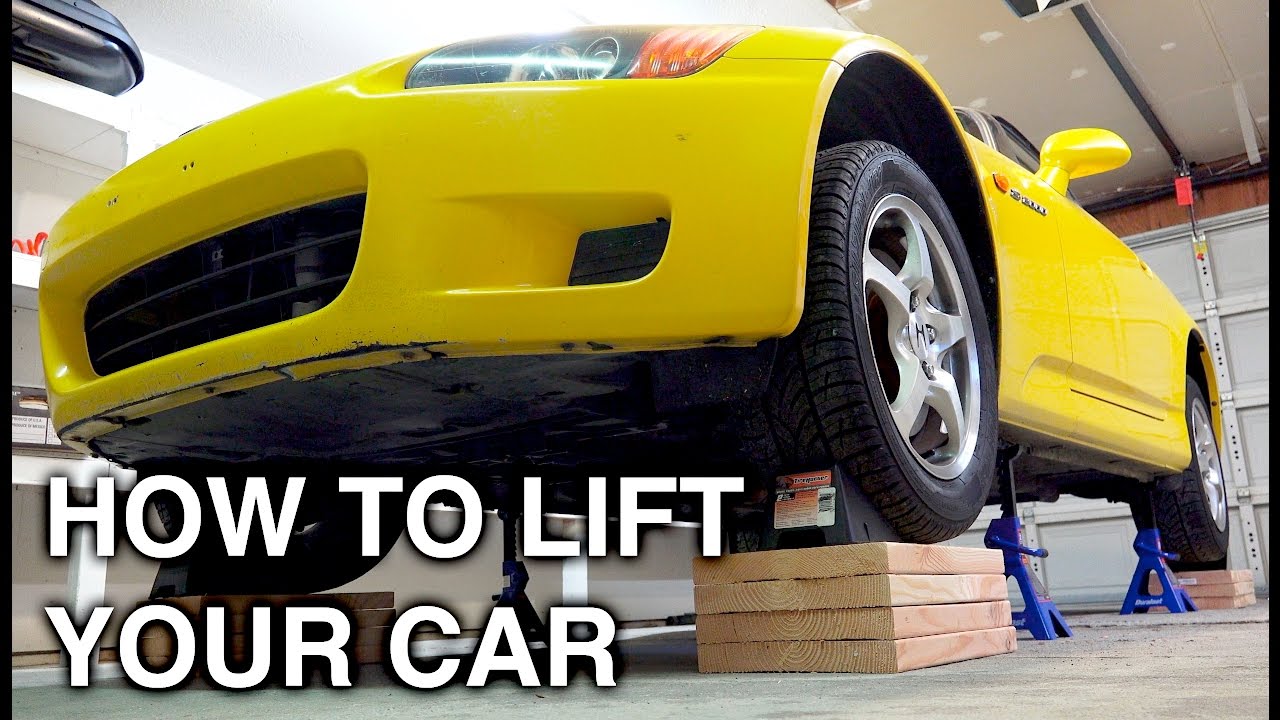
Keep the jack steady while the vehicle is raised. Use jack stands to support the vehicle securely. Lower the jack slightly to transfer weight onto the stands. Avoid moving or shaking the car once it is lifted. Always keep tools and hands clear from pinch points.
Credit: www.youtube.com
Securing The Vehicle
Securing the vehicle is the most important step when you jack it up. It keeps the car safe and stops it from moving. This step protects you and your vehicle from accidents. Follow these simple actions to secure your vehicle firmly.
Placing Jack Stands
After lifting the vehicle with a jack, place jack stands under strong points. Use spots made for support, like the frame or designated lift points. Lower the vehicle slowly onto the stands. Make sure the stands hold the weight firmly before you work.
Double-checking Stability
Check the vehicle’s balance carefully. Push gently on different sides to see if it moves. The car should not rock or shift. Adjust the jack stands if needed. Stability keeps you safe while working under the vehicle.
Avoiding Overextension
Do not raise the jack too high. Avoid stretching the jack beyond its limit. Overextension can cause the jack to fail. Use the jack within its safe height range. This prevents accidents and keeps the vehicle steady.
Lowering The Vehicle
Lowering a vehicle safely is just as important as lifting it. Taking your time ensures no damage occurs. It also keeps you safe during the process. Follow each step carefully to avoid accidents.
Removing Jack Stands
First, check that the vehicle is stable on the jack. Slowly lift the car slightly to take weight off the jack stands. Then, carefully remove the stands from under the vehicle. Place them aside in a safe spot.
Lowering Slowly
Turn the jack handle or release valve very slowly. Let the vehicle come down gently to the floor. Avoid sudden drops to protect the car and yourself. Keep your hands and feet clear of the vehicle’s path.
Final Safety Checks
Once the vehicle is on the ground, remove the jack completely. Check that the car sits evenly on all tires. Ensure no tools or objects remain under the vehicle. Confirm the parking brake is on before moving away.

Credit: shop.advanceautoparts.com
Common Mistakes To Avoid
Lifting a vehicle safely requires care and attention. Avoiding common mistakes helps prevent accidents and damage. Understanding these errors makes the process smoother and safer.
Ignoring Surface Conditions
Never jack up a car on soft or uneven ground. The jack can slip or sink, causing the vehicle to fall. Always choose a flat, solid surface like concrete or asphalt. Wet or icy surfaces are dangerous too. Check the ground before starting to avoid accidents.
Incorrect Jack Placement
Placing the jack in the wrong spot can damage your car. Look for the vehicle’s recommended jacking points. These spots are designed to hold the car’s weight safely. Avoid placing the jack on the bumper, frame, or under the engine. Wrong placement risks bending parts or slipping.
Neglecting Safety Measures
Skipping safety steps leads to serious injury risks. Always use wheel chocks to stop the car from rolling. Never rely only on the jack to hold the vehicle up. Use jack stands to support the car securely. Keep your hands and feet clear while lifting. Take time to follow all safety rules.
Frequently Asked Questions
How Do I Safely Position A Jack Under My Vehicle?
Place the jack under the manufacturer’s recommended lift points. These are usually near the frame or pinch welds. Ensure the surface is flat and stable before lifting to prevent accidents or vehicle damage.
What Type Of Jack Is Best For Lifting A Car?
A hydraulic floor jack is ideal for most vehicles. It provides smooth, controlled lifting and is easier to use than scissor or bottle jacks. Choose one with a weight rating above your vehicle’s weight.
How High Should I Jack Up My Vehicle?
Lift the vehicle only enough to change the tire or perform maintenance. Usually, 6 to 12 inches off the ground is sufficient. Avoid raising it too high to maintain stability.
Can I Jack Up A Vehicle On Uneven Ground?
No, always use a flat, stable surface to jack up your vehicle. Uneven ground increases the risk of the jack slipping and the vehicle falling, causing injury or damage.
Conclusion
Jacking a vehicle up safely takes care and attention. Always place the jack on a flat, solid surface. Use the correct lifting points under the car to avoid damage. Never get under the vehicle without proper support stands. Take your time, and double-check each step.
Doing it right keeps you and your vehicle safe. Practice these steps to feel confident next time. Safety first. Simple steps. Good results.