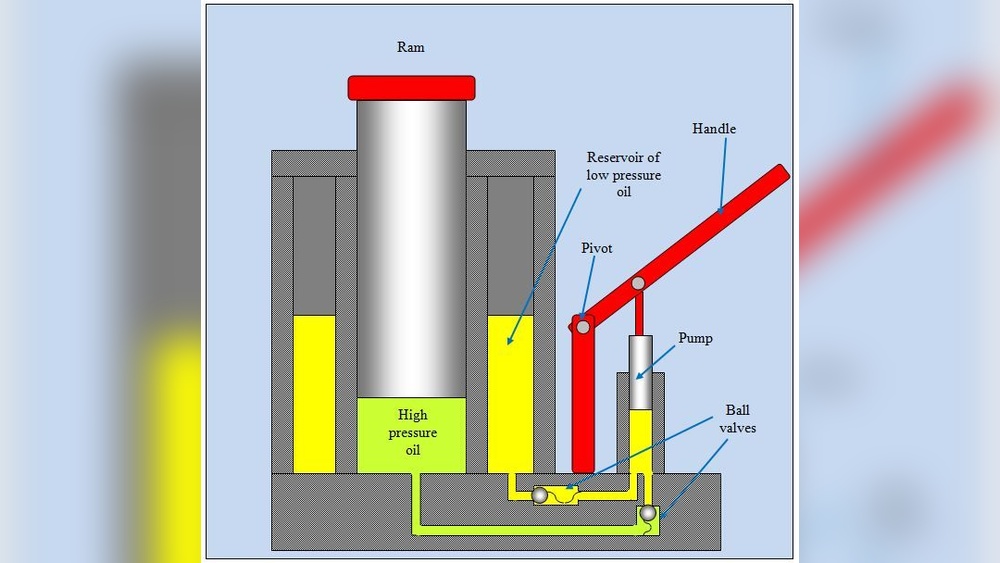
If you own a car or work in a garage, knowing how to use a Central Hydraulics floor jack can save you time and keep you safe. You might feel unsure about handling this powerful tool, but with the right steps, it becomes simple and effective.
In this guide, you’ll discover easy-to-follow tips that help you lift your vehicle smoothly and securely. Keep reading to learn how to make your next repair or tire change faster and safer than ever before.
Credit: mistymorningcottages.com
Choosing The Right Floor Jack
Choosing the right floor jack is important for safety and efficiency. A good floor jack lifts your vehicle steadily and holds it securely. Picking the wrong jack can cause accidents or damage. Knowing the different types and how to check their strength helps you find the best one.
Types Of Central Hydraulics Floor Jacks
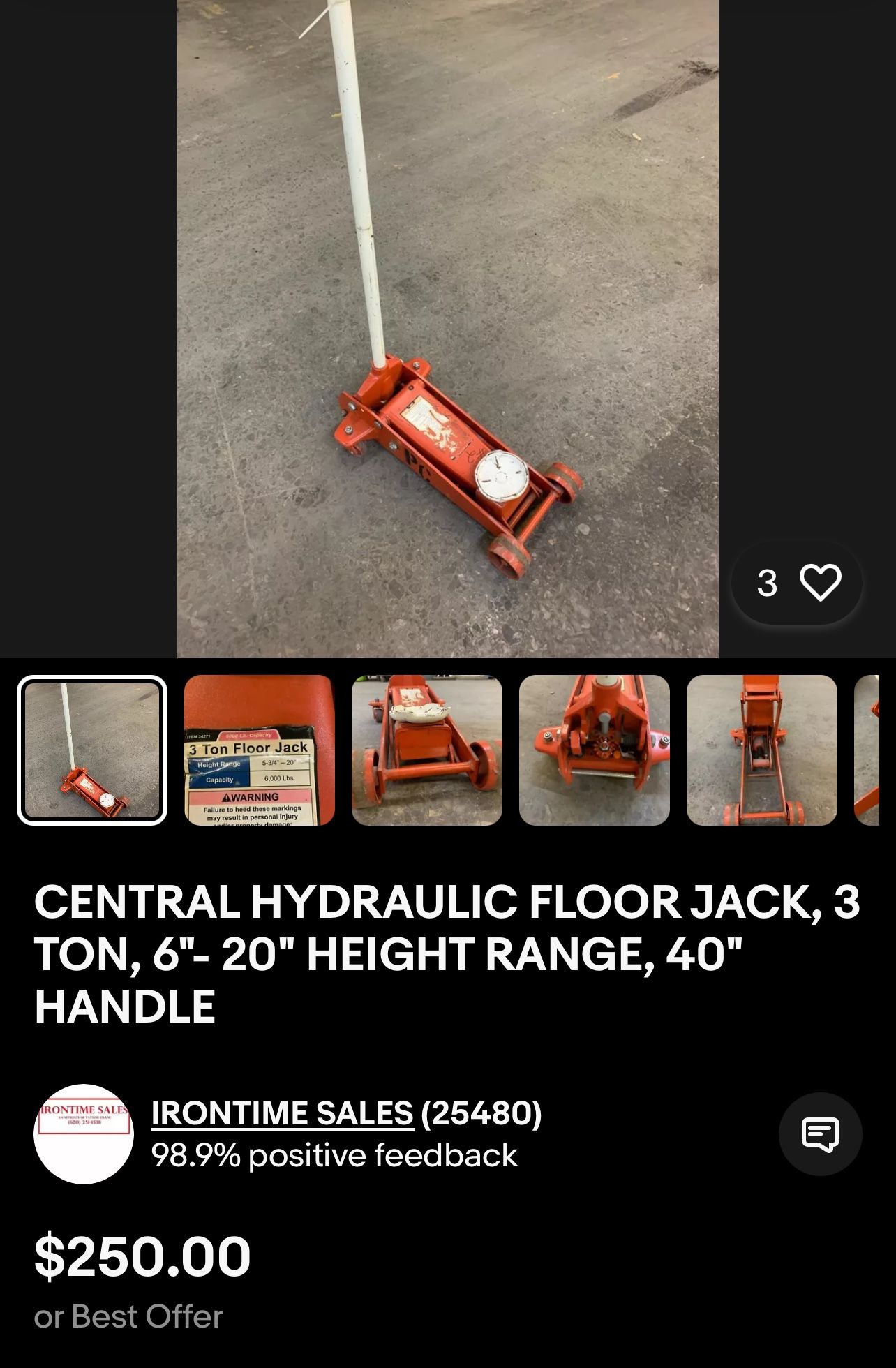
Central hydraulics floor jacks come in several types. The most common are trolley jacks and bottle jacks. Trolley jacks have wheels and a long handle. They move easily under cars. Bottle jacks are small and compact. They work well in tight spaces but are less stable. Choose a type that fits your work style and space.
Weight Capacity Considerations
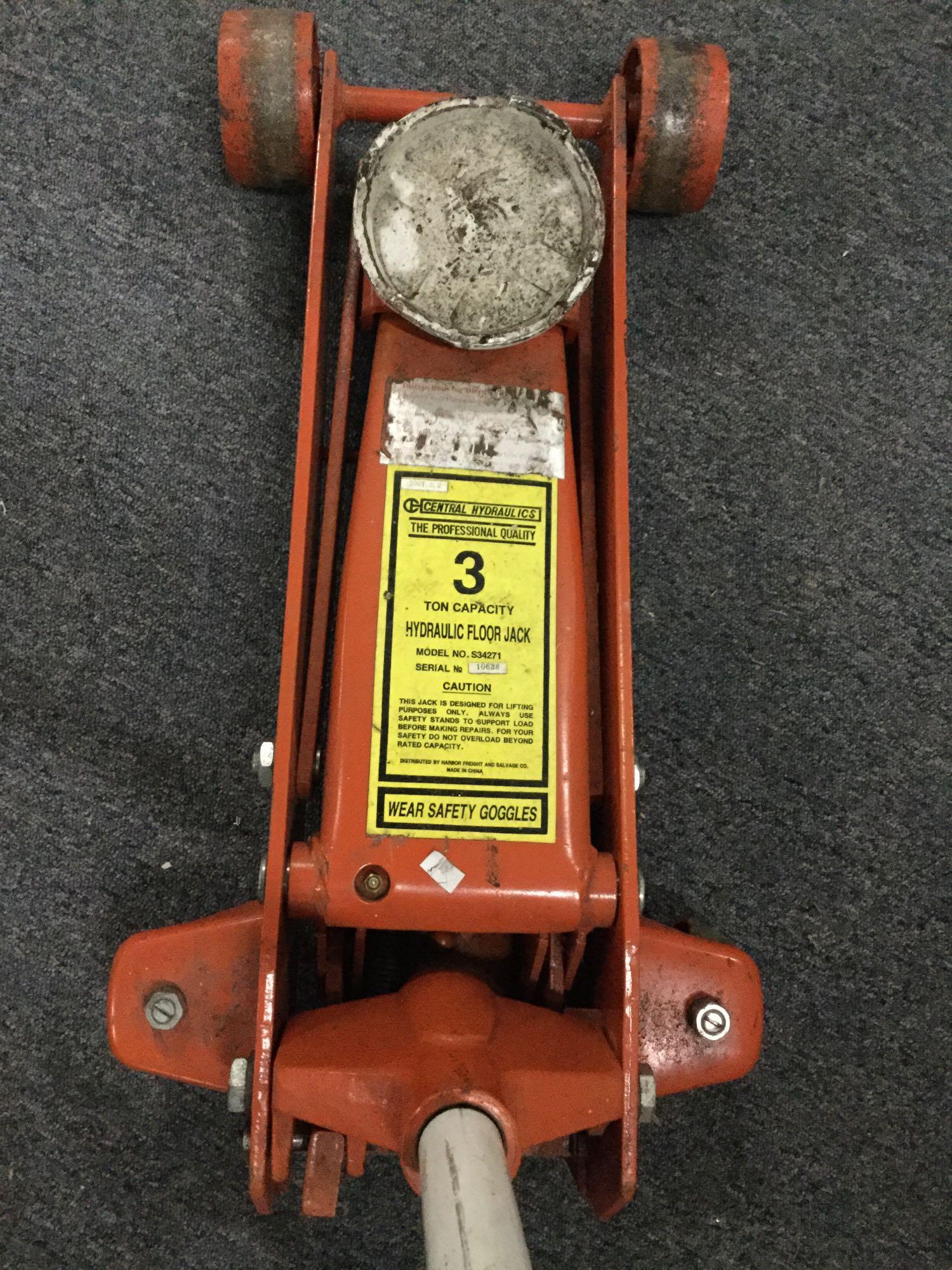
Each floor jack has a weight limit. This limit shows how much it can lift safely. Always pick a jack with a capacity higher than your vehicle’s weight. For example, if your car weighs 3 tons, choose a jack rated for at least 3.5 tons. This prevents the jack from breaking or slipping.
Inspecting Jack Condition
Check the floor jack before use. Look for leaks in the hydraulic system. Test the handle to see if it moves smoothly. Check for cracks or rust on the frame. Worn or damaged parts can cause accidents. Regular inspection keeps you safe and extends the jack’s life.

Credit: www.allplanttraining.co.uk
Preparing The Vehicle And Work Area
Preparing the vehicle and work area is the first step to safely use a central hydraulics floor jack. This step helps prevent accidents and makes the job easier. Take your time to set up everything before lifting the vehicle.
Selecting A Flat Surface
Choose a flat, solid surface to place the floor jack. Avoid slopes or soft ground. Concrete or asphalt works best. A flat surface stops the jack from slipping or tipping over. This keeps you and the vehicle safe.
Engaging Parking Brake
Always engage the parking brake before lifting the vehicle. The brake locks the wheels and stops the vehicle from moving. This is a simple but very important safety step. It helps keep the vehicle steady during the lift.
Using Wheel Chocks
Place wheel chocks on the opposite wheels of the vehicle. Chocks block the wheels and stop any rolling. Use strong blocks made for this purpose. This extra step adds safety and prevents accidents while working under the vehicle.
Operating The Floor Jack Safely
Operating a Central Hydraulics floor jack safely is very important. This tool lifts heavy vehicles, so careful handling prevents accidents. Knowing the right steps helps protect you and your vehicle. Follow these tips to use the floor jack with confidence and safety.
Locating The Jack Points
Find the correct jack points on your vehicle. These are strong parts designed to hold the jack’s weight. Check your car’s manual for exact locations. Avoid placing the jack on weak or rusty areas. Wrong placement can damage your car or cause the jack to slip.
Positioning The Jack Correctly
Place the jack under the jack point carefully. Make sure the jack is flat on the ground. The floor must be solid and even. Soft or uneven ground can cause the jack to tip over. Align the jack saddle directly under the lifting point. This keeps the car stable during lifting.
Pumping The Handle Smoothly
Lift the car by pumping the handle slowly. Use steady, even pressure with each pump. Avoid quick or jerky motions to keep control. Stop lifting when the car reaches the needed height. Lower the car gently by turning the release valve. Smooth handling keeps you safe and protects your vehicle.
Credit: www.proxibid.com
Lowering The Vehicle
Lowering a vehicle safely is a key step after using a central hydraulics floor jack. Proper lowering prevents damage to the vehicle and ensures your safety. Follow each step carefully to control the descent and remove the jack without issues.
Releasing Hydraulic Pressure
Locate the release valve on the floor jack. Slowly turn the valve counterclockwise. This action lets the hydraulic fluid flow back. It reduces pressure inside the jack. Do this gently to avoid sudden drops.
Controlling Descent Speed
Lower the vehicle at a steady pace. Turning the release valve slowly controls this speed. Watch the vehicle closely as it comes down. Stop if it moves too fast. Adjust the valve to slow the descent.
Removing The Jack
After the vehicle sits firmly on the ground, stop lowering. Turn the release valve fully to close it. Carefully pull the jack away from under the vehicle. Store the jack properly for future use.
Maintenance And Storage Tips
Proper maintenance and storage keep your Central Hydraulics floor jack working well. Small steps can stop damage and extend its life. Regular care saves money and avoids trouble.
Cleaning The Floor Jack
Remove dirt and grease after each use. Use a clean cloth to wipe the surfaces. Avoid water on the hydraulic parts. Clean joints and wheels to stop rust.
Checking Hydraulic Fluid
Check the fluid level often. Low fluid can cause poor lifting power. Add the right hydraulic oil if needed. Do not overfill the tank. Change old fluid to keep the jack smooth.
Proper Storage Practices
Store the jack in a dry place. Keep it away from direct sunlight and moisture. Lower the jack fully before storing. Cover it with a cloth to stop dust. Proper storage helps the jack stay ready to use.
Safety Precautions To Remember
Using a central hydraulics floor jack safely is very important. It helps stop accidents and injuries. Always follow key safety steps before and during use. These simple rules keep you and others safe while working under a vehicle.
Avoiding Overloading
Never lift more than the jack’s weight limit. Overloading can cause the jack to fail suddenly. Check your vehicle’s weight in the manual. Use a jack that matches or exceeds this weight. Overloading risks damage to the jack and injury to you.
Using Jack Stands
Always use jack stands after lifting the vehicle. The floor jack supports only temporarily. Jack stands hold the vehicle safely in place. Place them under strong parts of the frame. Lower the vehicle slowly onto the stands before working underneath.
Wearing Protective Gear
Wear gloves to protect your hands from grease and cuts. Use safety glasses to shield your eyes from debris. Closed-toe shoes protect your feet if tools or parts drop. Dress in clothes that cover your arms and legs. Safety gear reduces the chance of injury while working.
Frequently Asked Questions
What Is A Central Hydraulics Floor Jack Used For?
A central hydraulics floor jack lifts heavy vehicles safely. It provides stable support during repairs or maintenance. This tool helps raise cars efficiently and reduces physical effort.
How Do You Operate A Central Hydraulics Floor Jack Safely?
To operate safely, place the jack under the vehicle’s lifting point. Pump the handle slowly to raise the car. Use jack stands for extra security before working underneath.
Can A Central Hydraulics Floor Jack Lift All Vehicle Types?
Most central hydraulics floor jacks work on cars, trucks, and SUVs. Check the jack’s weight capacity before use. Never exceed the recommended load to avoid accidents.
How Do You Maintain A Central Hydraulics Floor Jack?
Regularly check for oil leaks and keep the jack clean. Lubricate moving parts and inspect for damage. Proper maintenance ensures smooth operation and extends the jack’s lifespan.
Conclusion
Using a Central Hydraulics floor jack is safe and simple. Always check the jack before use. Place it under the right lifting point of your vehicle. Pump the handle steadily to raise your car. Lower it slowly and carefully when done.
Regular practice helps you work faster and safer. Keep your workspace clean and clear. This tool makes car maintenance easier and safer. Take your time and follow these steps each time. You will feel confident using the floor jack soon.
Safety and care matter most in every job.