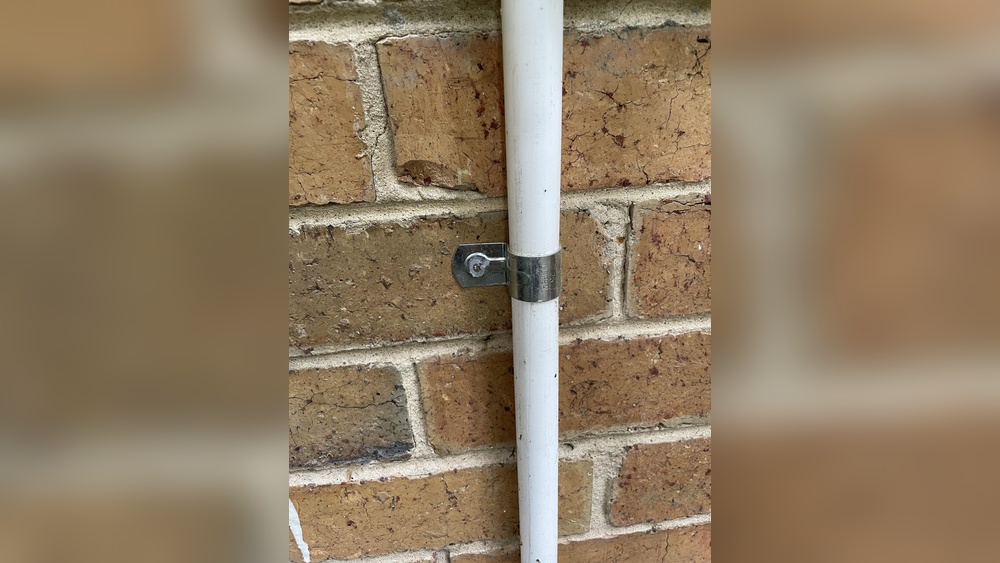
Are you planning to add a beautiful trellis to your brick wall but unsure how to secure it safely? Anchoring a trellis to brick can seem tricky, but with the right steps, you can make it strong and stable.
Imagine your climbing plants growing lush and vibrant, supported perfectly without damaging your wall. In this guide, you’ll discover simple, clear instructions that make the job easy—even if you’re new to DIY. Keep reading to learn exactly what tools and techniques you need to get your trellis firmly in place and transform your outdoor space.
Choosing The Right Trellis
Choosing the right trellis is key to a strong and lasting setup on a brick wall. The right trellis fits well with the wall’s surface and your garden style. It must hold up to weather and support your plants properly. Think about the material, size, and style before you buy. These factors help the trellis stay secure and look good in your outdoor space.
Materials Suitable For Brick Walls
Wood trellises offer a classic look and are easy to customize. Cedar and redwood resist rot and insects well. Metal trellises, like wrought iron or aluminum, are durable and strong. They handle weight better and last longer outdoors. Vinyl trellises resist moisture and need little upkeep. Choose material based on your climate and plant needs.
Size And Weight Considerations
Match the trellis size to the wall space and plant growth. A small trellis fits well in tight areas but supports fewer plants. Large trellises hold bigger plants but add more weight. Heavy trellises need strong anchors and proper installation. Measure the wall area before buying. Keep weight in mind to avoid damage to the brick.
Style Options For Outdoor Spaces
Trellises come in many designs. Lattice patterns add a traditional touch. Modern designs use clean lines and simple shapes. Decorative trellises can become garden focal points. Choose colors that complement your brick wall. Think about how the style matches other garden elements. A fitting style enhances your outdoor space’s beauty.
Tools And Materials Needed
Anchoring a trellis to a brick wall requires specific tools and materials. Having the right items makes the job easier and safer. This section breaks down what you need before starting the work.
Essential Tools For Installation
Start with a power drill to create holes in the brick. Use a hammer drill for better control and less effort. A masonry drill bit is necessary to drill into bricks without damage.
Carry a tape measure to mark where to place the anchors. A pencil or chalk helps mark drilling spots clearly. Use a level to ensure the trellis stays straight and even.
A screwdriver or a drill with screwdriver bits is needed to fix screws into the anchors. A wrench or pliers can tighten bolts if your fasteners require it.
Types Of Anchors And Fasteners
Choose anchors made for brick walls to hold the trellis securely. Sleeve anchors work well for heavy trellises and provide strong support. Plastic wall plugs fit smaller screws and hold lighter trellises.
Lag screws are common fasteners and fit well with sleeve anchors. Expansion anchors also provide good grip in brick without cracking it. Select stainless steel or rust-resistant fasteners to prevent corrosion.
Safety Gear And Preparation
Wear safety glasses to protect eyes from dust and debris. Use gloves to guard hands during drilling and handling rough materials. A dust mask helps avoid breathing in brick dust during drilling.
Make sure the area is clean and free from obstacles to work safely. Check power tool cords and batteries before use to avoid accidents. Plan your steps to avoid unnecessary mistakes.
Preparing The Brick Wall
Preparing the brick wall is the first step to anchor a trellis securely. A clean, strong surface ensures the trellis stays in place for years. Take your time to prepare the wall carefully. This helps avoid damage and keeps the trellis stable.
Cleaning And Inspecting The Surface
Start by cleaning the brick wall with a stiff brush. Remove dirt, dust, and loose mortar. This helps anchors stick better. Check the wall for cracks or damaged bricks. Weak spots might not hold anchors well. Fix any damage before moving forward.
Marking Anchor Points Accurately
Use a pencil and level to mark where you want to place anchors. Measure carefully to keep marks even and straight. Precise marks make drilling easier and ensure the trellis fits perfectly. Double-check your measurements to avoid mistakes.
Checking For Hidden Utilities
Check for pipes, wires, or cables inside the wall before drilling. Use a stud finder or utility detector to avoid hitting them. Drilling into utilities is dangerous and can cause costly damage. Always take this safety step seriously.

Credit: tarynwhiteaker.com
Drilling And Installing Anchors
Drilling and installing anchors is a key step to secure your trellis firmly to a brick wall. This process requires careful preparation and the right tools. Proper drilling prevents damage to the brick and ensures the anchor holds strong. Installing anchors correctly keeps your trellis stable even in windy conditions. Follow these simple steps to make the job easier and safer.
Choosing The Correct Drill Bit
Select a drill bit designed for masonry work. Carbide-tipped bits work best on brick and mortar. Match the drill bit size to the anchor diameter. Using the wrong size can cause loose or weak holes. Use a hammer drill for faster, cleaner holes. Avoid regular drill bits; they can overheat and break.
Drilling Into Brick Vs. Mortar
Drill into solid brick for stronger support. Mortar is softer but less durable for heavy loads. Avoid drilling too close to brick edges to prevent cracks. Mark your drilling spots carefully to keep the trellis level. Drill slowly and steadily to avoid damage. Clean out dust from holes before inserting anchors.
Installing Sleeve And Expansion Anchors
Insert the sleeve anchor into the hole. Tap gently with a hammer to seat it fully. Tighten the anchor bolt to expand the sleeve inside the brick. Expansion creates a firm grip that resists pulling forces. For hollow bricks, use anchors designed for cavities. Check that the anchor feels secure before mounting the trellis.
Securing The Trellis
Securing the trellis to a brick wall is crucial for a strong and lasting setup. It keeps the structure steady and safe from wind or weight of plants. Proper anchoring also prevents damage to both the wall and the trellis. Follow these steps to secure your trellis correctly.
Aligning The Trellis Properly
Start by holding the trellis against the brick wall. Make sure it is straight and at the height you want. Use a level tool to check for evenness. Mark the spots on the wall where you will drill holes. These marks should match the trellis frame’s holes or brackets.
Attaching With Screws And Bolts
Drill holes in the brick using a masonry bit. Insert wall plugs or anchors into the holes for a tight grip. Position the trellis and fasten it with screws or bolts. Use stainless steel or coated fasteners to avoid rust. Tighten the screws firmly but avoid over-tightening to protect the brick.
Ensuring Stability And Safety
Check the trellis for any wobble or movement after fixing. Add extra brackets or supports if needed for more strength. Make sure no sharp edges or loose parts are exposed. Regularly inspect the trellis, especially after storms or heavy wind. A well-secured trellis lasts longer and supports plants safely.
Alternative Anchoring Methods
Anchoring a trellis to a brick wall does not always require drilling or heavy tools. Alternative methods offer easy and less damaging ways to secure your trellis. These methods suit renters or anyone avoiding wall damage. They also provide flexibility in moving or adjusting the trellis.
Using Adhesive Mounts
Adhesive mounts stick firmly to clean brick surfaces. They hold lightweight trellises well without holes. Choose strong, weatherproof adhesives for outdoor use. Clean the brick thoroughly before application. Press the mount firmly for a few seconds. Let it set for the recommended time. Check the load limit to avoid accidents. Adhesive mounts suit small to medium trellises.
Hanging With Wire Or Cable Systems
Wire or cable systems attach trellises without direct wall contact. Secure cables to anchors at the wall edges. Use tensioners to keep wires tight and stable. Hang the trellis on the wires using hooks or clips. This method works well for larger or heavier trellises. It allows easy removal and repositioning. Wires blend well with brick walls for a neat look.
Freestanding Trellis Options
Freestanding trellises stand alone, needing no wall support. Place the trellis near the brick wall for a similar effect. Use heavy bases or stakes for stability. This option avoids any wall damage completely. Move the trellis easily to change your garden layout. Freestanding models come in various sizes and styles. They suit plants needing full sun or space away from walls.
Maintaining The Trellis And Wall
Maintaining the trellis and brick wall is key to keeping them strong and beautiful. Regular care stops small problems from growing. It also helps the trellis last longer and stay safe on the wall.
Regular Inspection Tips
Check the trellis and wall every few months. Look for loose screws, nails, or bolts. See if the trellis moves or wobbles. Watch for cracks or chips in the bricks. Catching issues early saves time and money.
Preventing Damage To Brickwork
Avoid drilling too deep into the bricks. Use proper anchors made for brick walls. Keep plants from growing into cracks. Trim vines and branches touching the wall. Water can get trapped and cause damage.
Seasonal Care Guidelines
In winter, clear snow and ice from the trellis. Moisture can freeze and crack bricks. In spring, clean dirt and debris off the wall. Check for any damage caused by winter. Summer and fall are good for tightening screws and repainting the trellis.
Credit: www.youtube.com

Credit: www.youtube.com
Frequently Asked Questions
How Do You Attach A Trellis To A Brick Wall Safely?
Use masonry screws or wall anchors designed for brick. Drill pilot holes with a masonry bit. Secure the trellis firmly without cracking the bricks. This ensures stability and prevents damage to the wall.
What Tools Are Needed To Anchor A Trellis On Brick?
You need a drill with a masonry bit, masonry screws or anchors, a screwdriver, a level, and a pencil for marking. These tools help ensure precise and secure installation on brick surfaces.
Can I Use Regular Screws To Mount A Trellis On Brick?
No, regular screws won’t hold in brick. Use masonry anchors or screws specifically made for brick walls. They provide the necessary grip and prevent the trellis from falling.
How Do You Prevent Brick Damage When Mounting A Trellis?
Drill carefully using a masonry bit at low speed. Avoid hammering directly on bricks. Use wall anchors to distribute weight evenly. This minimizes cracking and preserves brick integrity.
Conclusion
Anchoring a trellis to a brick wall can enhance your garden’s charm. Use the right tools and follow safety steps carefully. Drill holes properly and choose strong anchors for lasting support. Check your work to ensure the trellis stays secure.
Enjoy climbing plants growing beautifully on your wall. Simple steps lead to great results and a lovely outdoor space. Keep your garden neat and inviting with a well-anchored trellis. Try it yourself and see the difference it makes.