Have you ever tried to hang something on your wall, only to find the screw won’t hold? It’s frustrating when your picture frames, shelves, or decorations keep falling down.
The secret to a strong, secure hold lies in knowing how to anchor a screw into the wall properly. In this guide, you’ll discover simple, step-by-step tips that anyone can follow—no special skills needed. By the end, you’ll feel confident tackling your next home project and finally say goodbye to loose screws for good.
Keep reading to learn how to make your walls work for you.
Credit: www.homedepot.com
Choosing The Right Anchor
Before anchoring a screw into the wall, gather all the tools you need. Having the right tools makes the task easier and safer. Prepare everything before starting to avoid interruptions and mistakes.
Essential Tools List
- Drill or screwdriver
- Wall anchors
- Screws
- Hammer
- Measuring tape
- Level
- Pencil for marking
These tools help you drill holes, hold anchors, and secure screws properly. Each tool has a clear role in the process.
Optional Tools For Precision
- Stud finder
- Center punch
- Vacuum or brush for cleaning dust
- Safety goggles
Optional tools improve accuracy and safety. A stud finder locates studs behind the wall. A center punch marks drill spots perfectly. Safety goggles protect your eyes during drilling.

Credit: www.wikihow.com
Gathering Necessary Tools
Preparing the wall is the first important step to anchor a screw securely. Proper preparation helps the screw hold tight and prevents damage to the wall. This step involves finding the best spot and making a small hole to guide the screw. Taking time here saves effort later and ensures a strong hold.
Locating Studs And Marking Spots
Studs are the wooden beams inside the wall. Screws hold best when anchored into studs. Use a stud finder to locate them. Run the finder along the wall until it beeps or shows a signal. Mark the spot with a pencil. If no stud is available, choose a strong area on drywall. Measure carefully and mark the exact points for screws.
Drilling Pilot Holes
Drilling pilot holes makes it easier to insert screws. Choose a drill bit smaller than the screw’s diameter. Drill straight into the marked spot. The hole guides the screw and stops the wall from cracking. Drill only as deep as the screw length. Clean any dust from the hole before inserting the screw. This step protects both the wall and the screw.
Preparing The Wall
Installing the anchor properly is key for a strong hold. The right anchor supports the screw and holds weight. Different anchors suit different wall types and weights. Follow the steps carefully for a secure fit.
Inserting Plastic Anchors
First, drill a hole the size of the plastic anchor. Tap the anchor gently into the hole with a hammer. Push until the anchor is flush with the wall surface. Screw into the anchor slowly to expand it inside the wall.
Using Toggle Bolts
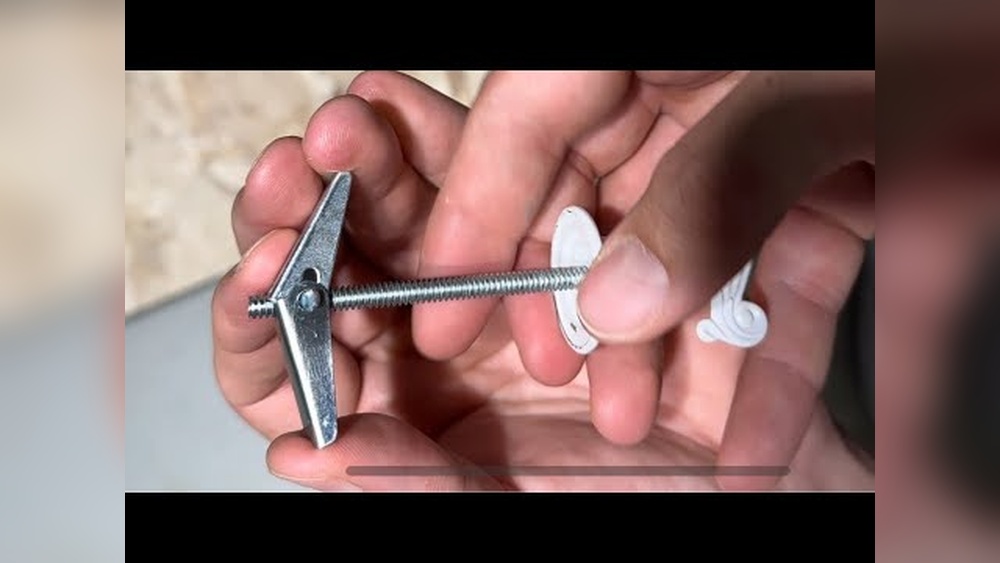
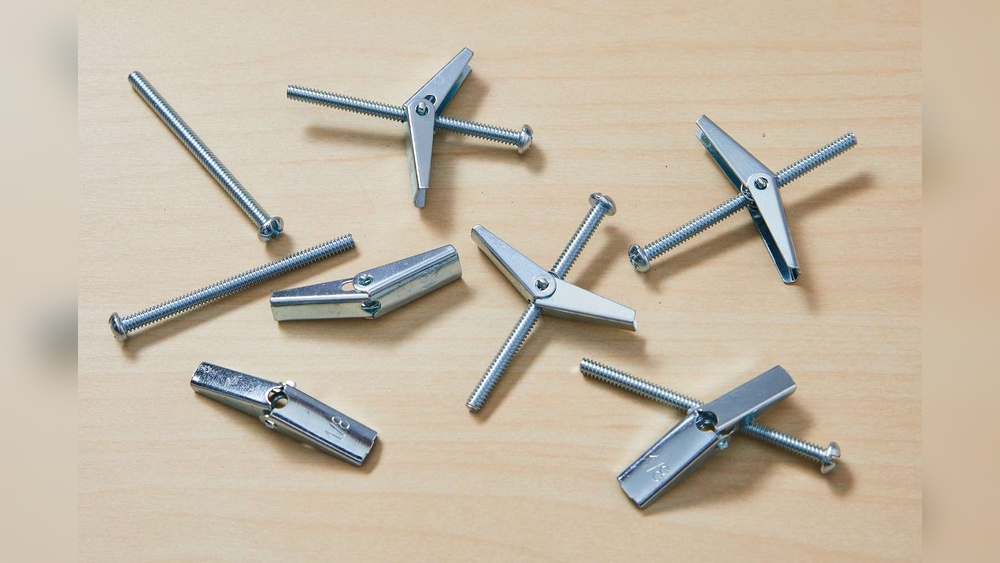
Drill a hole large enough for the folded toggle bolt. Thread the bolt through your item’s hole, then screw on the toggle wings. Push the toggle through the wall cavity. The wings open inside the wall, gripping firmly. Tighten the bolt to secure your item.
Setting Metal Anchors
Drill a pilot hole slightly smaller than the metal anchor. Insert the metal anchor by tapping it gently with a hammer. Screw into the anchor, which will expand and grip the wall tightly. Metal anchors work well on drywall and plaster.
Installing The Anchor
Securing the screw is an important step to hold objects firmly on the wall. The right technique helps the screw stay tight and supports weight well. Avoid loose screws that can damage walls or cause accidents. Focus on the screw size, driving method, and common errors to ensure strong anchoring.
Choosing The Right Screw Size
Select a screw that fits the anchor and the wall type. Too small screws won’t hold well. Too large screws can crack the wall or break the anchor. Check the packaging or instructions for the correct size. Match the screw length to the thickness of the object and wall.
Driving The Screw Safely
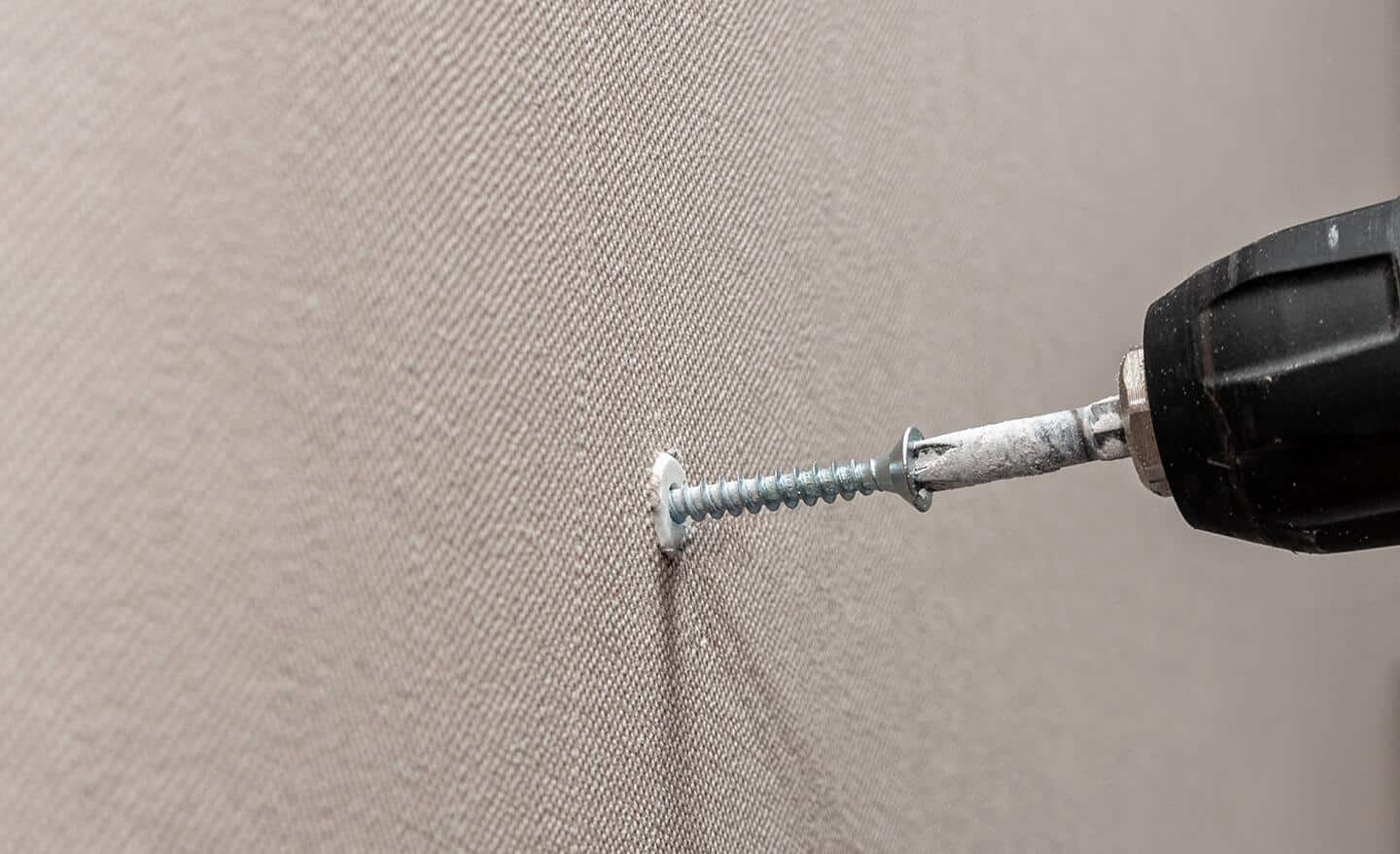
Use a screwdriver or drill with the right bit size. Start slowly to guide the screw into the anchor or wall. Keep the tool straight to avoid bending the screw. Stop when the screw head is flush with the surface. Avoid over-tightening to prevent stripping the anchor or wall.
Avoiding Common Mistakes
Do not force the screw if it feels stuck. Remove and try again with a smaller size or new anchor. Avoid using the wrong type of screw for the wall material. Do not skip pilot holes for hard walls. Check the screw’s alignment before fully driving it in.
Securing The Screw
Testing the support strength is a key step after anchoring a screw into the wall. It confirms the screw and anchor can hold the weight safely. This step helps avoid accidents or damage to your wall and items hung on it.
Applying Load Gradually
Start by adding a small weight or pressure to the screw. Do this slowly to see if the anchor holds firm. If the screw moves or feels loose, remove the load immediately. Repeat this with slightly heavier loads until you reach the desired weight. This method ensures the anchor is secure without sudden stress.
Checking For Stability
Look for any signs of movement or wobbling around the screw. Gently wiggle the item attached to the screw. The screw should stay steady without shifting. If the screw shifts, the anchor might not be strong enough. Tighten or replace the anchor if needed to improve stability.

Credit: thediyplaybook.com
Testing The Support Strength
Ensuring your screw anchors provide strong, long-lasting support is important. Proper care extends the life of your wall fixtures. Simple habits help keep anchors secure and safe.
Regular Inspection
Check anchors often for any signs of wear or looseness. Look for cracks or movement around the screw. Tighten screws gently if needed, but avoid overtightening. Early checks prevent bigger problems later.
Handling Heavy Items
Use anchors designed for the weight of your items. Heavy objects need strong, reliable anchors. Spread weight across multiple anchors when possible. Avoid sudden jerks or pulling on the item.
When To Replace Anchors
Replace anchors if they show damage or no longer hold tight. Old or cracked anchors lose their grip over time. Always use the right type of anchor for your wall. Fresh anchors keep your fixtures safe and stable.
Frequently Asked Questions
How Do You Anchor A Screw In Drywall?
To anchor a screw in drywall, use a drywall anchor or toggle bolt. First, drill a hole, insert the anchor, then screw in the fastener. This provides strong support for hanging objects safely.
What Tools Are Needed To Anchor A Screw?
You need a drill, screwdriver, wall anchors, and screws. A drill creates pilot holes, anchors provide grip, and screwdrivers secure screws tightly into the wall.
Can You Anchor Screws In Plaster Walls?
Yes, plaster walls require special anchors like toggle bolts or molly bolts. Drill a hole, insert the anchor, then drive the screw for secure attachment without cracking plaster.
Why Use Wall Anchors For Screws?
Wall anchors distribute weight and prevent screws from pulling out. They strengthen the hold in weak materials like drywall or plaster, ensuring your objects stay mounted safely.
Conclusion
Anchoring a screw into the wall is simple with the right steps. Choose the correct anchor for your wall type. Drill a hole carefully and insert the anchor firmly. Then, screw into the anchor slowly to avoid damage. These tips help your items stay secure and safe.
Practice makes it easier each time you try. Now, you can hang shelves, pictures, or hooks with confidence. No more worrying about loose screws or falling objects. Just follow these easy steps for a strong hold every time.