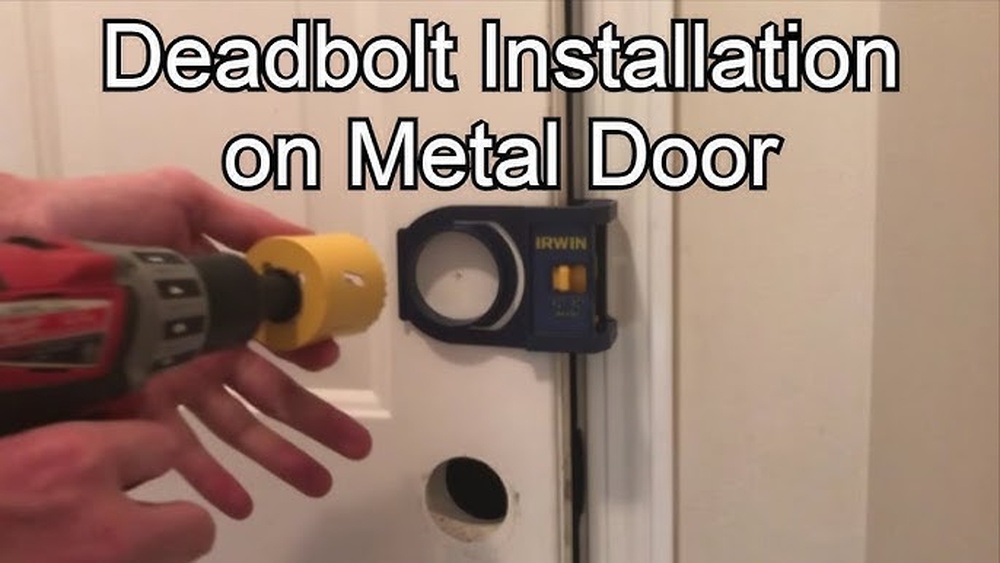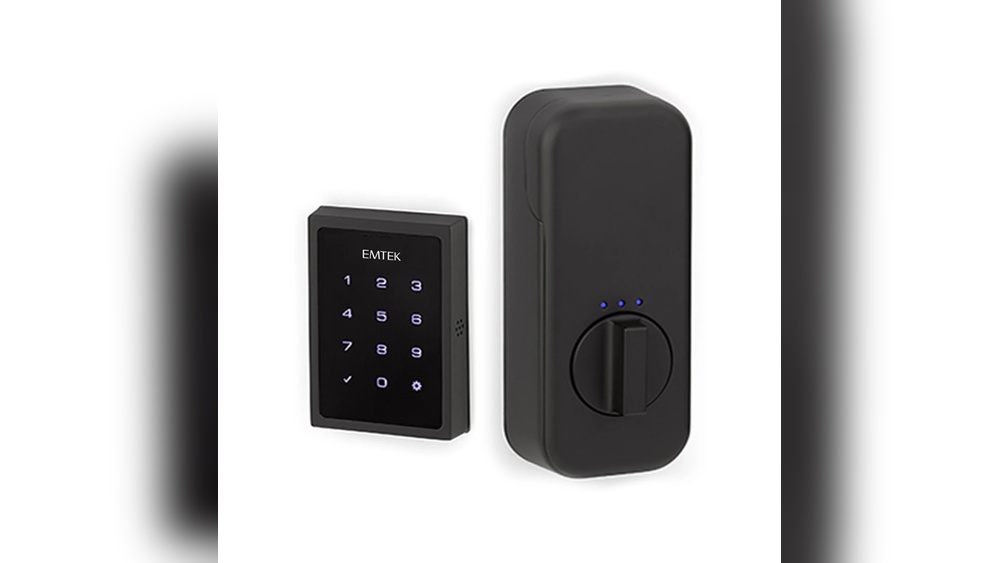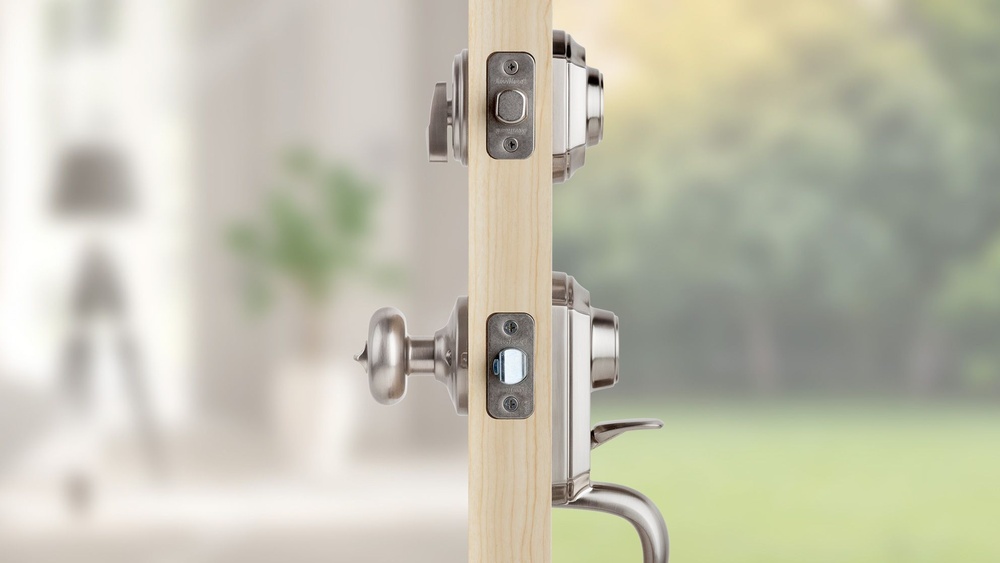
Is your Kwikset deadbolt lock sticking, jammed, or just not turning smoothly? It can be frustrating when you can’t secure your home quickly and easily.
But don’t worry—you don’t need to call a locksmith right away. You can fix many common deadbolt problems yourself with a few simple steps. In this guide, you’ll learn exactly how to troubleshoot and repair your Kwikset deadbolt lock, saving time and money.
Keep reading to get your lock working perfectly again and enjoy peace of mind knowing your home is safe.
Common Kwikset Deadbolt Issues
Kwikset deadbolt locks are popular for home security. Yet, they can face common issues that stop them from working well. Knowing these problems helps you fix them fast. This saves time and keeps your door secure.
Below are some frequent problems with Kwikset deadbolt locks. Each issue affects how the lock works. Learn what causes them and how to recognize each one.
Key Won’t Turn
This happens when the key feels stuck inside the lock. Dirt or rust often blocks the lock pins. Sometimes the key is worn or bent, causing it to jam. Cold weather may freeze the lock. Lubricating the lock or using a spare key can help.
Lock Is Stuck
The lock may not move at all when you try to turn it. This can be due to internal parts breaking or getting stuck. A broken spring or worn cylinder often causes this. Tightening screws or replacing parts can restore function.
Loose Deadbolt
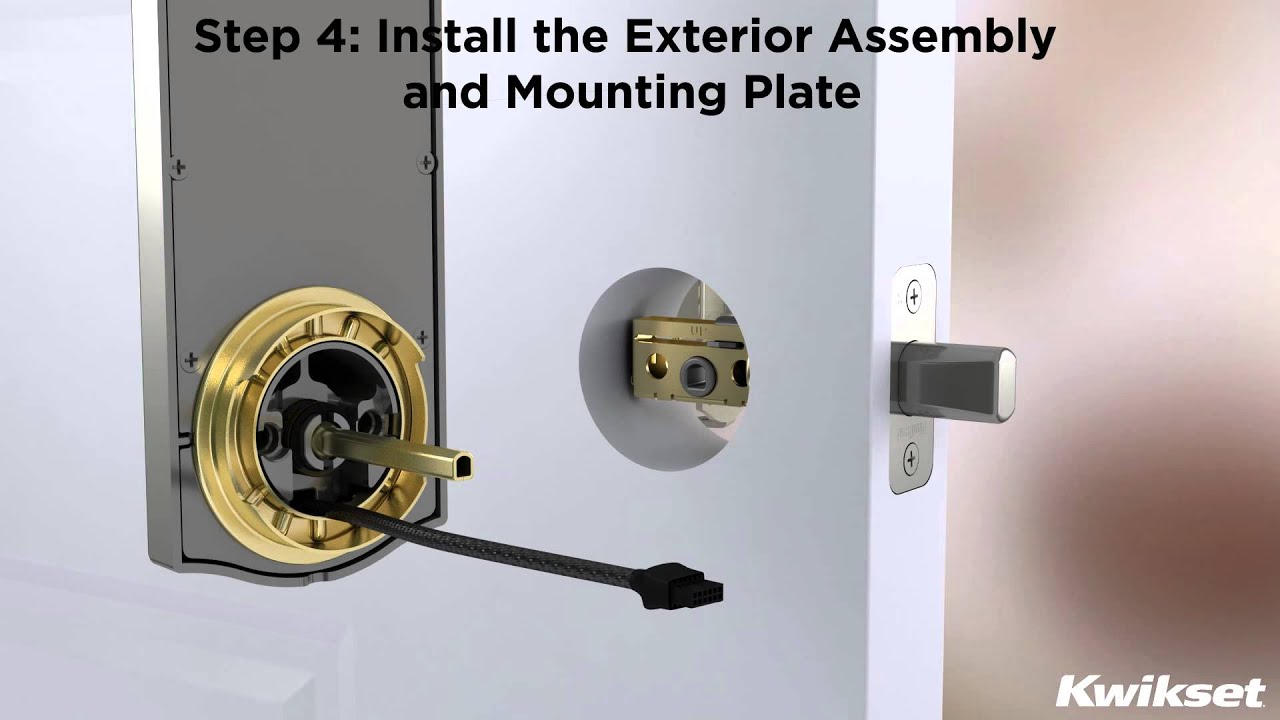
The deadbolt may wiggle or feel loose inside the door. This reduces the lock’s strength. Loose screws or worn mounting plates are common causes. Tightening screws or replacing the mounting hardware fixes this.
Misaligned Bolt
The bolt does not line up with the strike plate on the door frame. This stops the bolt from sliding in smoothly. Shifts in the door frame or loose screws cause misalignment. Adjusting the strike plate or door position solves the problem.
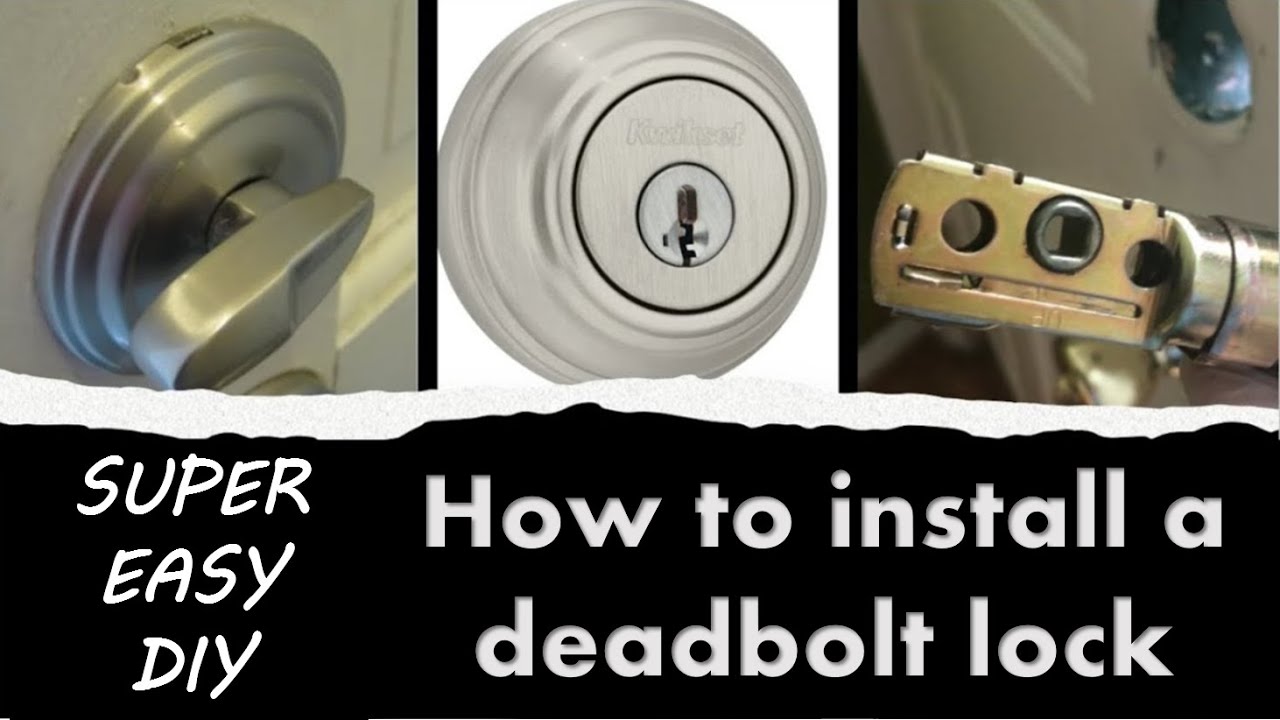
Credit: www.youtube.com
Tools Needed For Repair
Fixing a Kwikset deadbolt lock requires a few basic tools. Having the right tools makes the repair easier and faster. Gather these items before starting your work. This will help avoid interruptions and frustration.
Screwdrivers
Screwdrivers are essential for removing screws from the lock. A Phillips-head screwdriver fits most Kwikset screws. A flat-head screwdriver can help pry off parts gently. Choose screwdrivers with comfortable handles for better grip. Keep both types handy for different tasks.
Lubricants
Lubricants keep the lock moving smoothly. Use a graphite powder or a silicone-based spray. Avoid oil-based lubricants, as they can attract dust. Apply lubricant inside the keyhole and on moving parts. This reduces friction and prevents sticking.
Replacement Parts
Some repairs need new parts. Common replacements include springs, screws, or the lock cylinder. Check the model number before buying parts. Use only Kwikset-approved components for the best fit. Having spare parts ready speeds up the repair.
Fixing A Key That Won’t Turn
Fixing a key that won’t turn in a Kwikset deadbolt lock can feel frustrating. The problem may have simple causes. Start by checking the lock and key carefully. Small issues often block smooth turning. Follow these steps to solve the problem fast.
Lubricate The Lock
Locks get stiff without proper lubrication. Use a graphite-based lubricant or a silicone spray. Avoid oil-based lubricants; they attract dirt. Spray a small amount into the keyhole. Insert the key and turn it several times. This spreads lubricant inside the lock. The key should turn more easily now.
Inspect The Key
Look closely at the key. Check for bends or damage. A bent key may not align with the lock pins. Clean any dirt or grime on the key. Use a soft cloth and mild soap if needed. Try a spare key if available. A worn key might need replacement.
Check For Debris
Dirt or small objects inside the lock can stop the key. Shine a flashlight into the keyhole. Use a pair of tweezers or compressed air to clear debris. Avoid pushing dirt further inside. Clean the area around the keyhole as well. This helps the key slide in smoothly.
Resolving A Stuck Deadbolt
A stuck deadbolt can cause frustration and reduce home security. Fixing it often involves simple steps that anyone can do. Small adjustments can make the deadbolt slide smoothly again. This section covers three key ways to resolve a stuck Kwikset deadbolt.
Tighten Screws
Loose screws can misalign the lock. Check all screws on the lock and door hardware. Use a screwdriver to tighten them firmly. Avoid over-tightening, as it may damage the parts. Tight screws keep the deadbolt parts in place and working properly.
Align The Strike Plate
The strike plate may not line up with the deadbolt. Look closely at the hole in the strike plate. It should match the deadbolt’s size and position. If misaligned, remove the strike plate and reposition it. Mark new holes if needed and screw it back. Proper alignment lets the deadbolt slide in easily.
Adjust The Door Position
The door might be slightly out of place. This can cause the deadbolt to stick. Check the door hinges for looseness or damage. Tighten or replace hinge screws if needed. If the door sags, use shims to raise or lower it. Adjusting the door helps the deadbolt fit correctly in the strike plate.
Securing A Loose Deadbolt
A loose deadbolt can make your door less secure and cause trouble locking it. Fixing this issue is simple and saves money. Start by checking the lock’s parts to find what is loose or worn out. Tightening screws or changing old pieces often solves the problem quickly. Let’s look at how to secure a loose Kwikset deadbolt step-by-step.
Tighten Mounting Screws
First, open the door to access the deadbolt. Use a screwdriver to tighten all mounting screws on the lock’s faceplate and inside the door. Loose screws cause the lock to wobble and not work well. Check screws on both sides of the door. Tight screws hold the lock firmly in place, making it stable and secure.
Replace Worn Hardware
Check the deadbolt parts for wear and tear. Old screws, plates, or the lock cylinder may be damaged. Replace any worn hardware with new Kwikset parts. Worn pieces cause the lock to loosen over time. New hardware ensures the deadbolt fits tightly and works smoothly. Keep the lock strong and reliable by using fresh parts.
Fixing Misalignment Problems
Misalignment problems often cause a Kwikset deadbolt to stick or not lock properly. Fixing these issues improves security and ease of use. Small adjustments can make a big difference. Below are simple steps to realign the lock components for smooth operation.
Realign Strike Plate
The strike plate might be out of place. This misalignment stops the deadbolt from sliding in easily. Start by closing the door slowly. Watch where the bolt hits the strike plate. Mark the spot if needed.
Unscrew the strike plate carefully. Move it slightly up, down, or sideways. Align it with the bolt’s path. Screw the plate back tightly. Test the lock by turning the deadbolt. Repeat if the bolt still catches.
Shim The Door Frame
The door frame may cause misalignment too. Gaps or uneven surfaces can stop the bolt from fitting. Use thin shims to fix this. Shims are small, flat pieces of wood or plastic.
Insert shims behind the strike plate or door jamb. Push them until the bolt fits smoothly. Trim extra shim material with a knife. Secure the strike plate again. Check the deadbolt function by locking and unlocking.
When To Replace Your Deadbolt
Knowing when to replace your Kwikset deadbolt is important for home safety. A deadbolt that works poorly or shows damage can put your home at risk. Regular checks can help you spot problems early. Replacing a deadbolt on time ensures your door stays secure.
Signs Of Wear
Look for rust or corrosion on the lock. Difficulty turning the key or knob shows internal damage. Loose parts or a shaky lock mean it may fail soon. If the lock jams or sticks often, replacement is best. These signs show the deadbolt no longer works well.
Upgrading Security
Older deadbolts may not stop modern break-in methods. Upgrading to a newer model can improve home safety. Some new deadbolts have better pick and bump resistance. Choose a lock with strong metal and good reviews. Replacing your deadbolt helps keep your home safer.
Credit: pacha-automation.com

Credit: diy.stackexchange.com
Frequently Asked Questions
How Do I Reset A Kwikset Deadbolt Lock?
To reset a Kwikset deadbolt, remove the lock from the door. Press and hold the reset button inside for 10 seconds. This erases old codes and restores factory settings, allowing you to program new access codes easily.
Why Is My Kwikset Deadbolt Not Turning Smoothly?
A Kwikset deadbolt may stick due to dirt buildup or misalignment. Clean the lock and lubricate the cylinder with graphite powder. Ensure the deadbolt and strike plate align properly for smooth operation.
How Can I Fix A Kwikset Deadbolt That Won’t Lock?
If your deadbolt won’t lock, check for obstructions or misaligned parts. Tighten all screws and adjust the strike plate. Replace worn or broken components to restore proper locking function.
What Tools Are Needed To Fix A Kwikset Deadbolt Lock?
You need a screwdriver, lubricant, replacement screws, and possibly new lock parts. A drill may help with tough screws. Keep a flashlight handy for better visibility during repairs.
Conclusion
Fixing a Kwikset deadbolt lock does not have to be hard. Follow the steps carefully and take your time. Small problems often have simple solutions. Keep your tools ready and work patiently. Regular care can stop future issues. You can save money by fixing it yourself.
Stay safe by checking your lock’s function often. A working deadbolt helps protect your home. Try these tips next time your lock acts up. You will feel proud once it works well again.