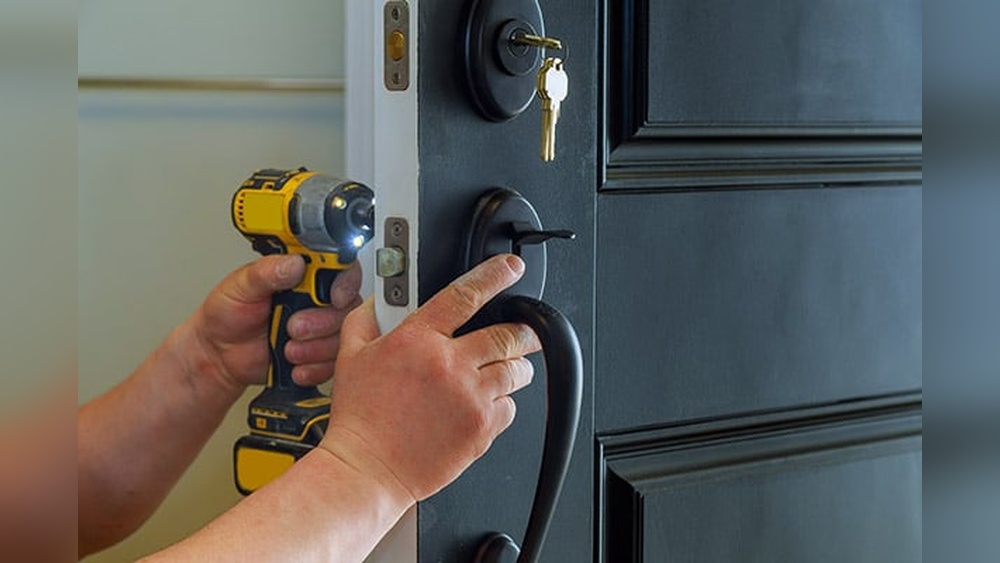
If you’re facing a stubborn deadbolt that won’t turn or need to replace its cylinder, knowing how to take it apart is key. You might feel stuck or unsure where to start, but don’t worry—this guide will walk you through each simple step.
By the end, you’ll have the confidence to handle your deadbolt cylinder yourself, saving time and money. Ready to unlock the secrets behind your lock? Let’s dive in and get your deadbolt working smoothly again.
Tools You Need
Taking apart a deadbolt cylinder needs the right tools. Using proper tools makes the job easier and safer. It also prevents damage to the lock parts. Prepare all tools before starting the work.
Phillips And Flathead Screwdrivers
These screwdrivers help remove screws from the lock. Phillips screwdrivers have a cross tip. Flathead screwdrivers have a straight, flat tip. Both types may be needed depending on the screw heads.
Tweezers Or Needle-nose Pliers
Tweezers or needle-nose pliers help grab small parts inside the lock. They make it easy to pull out pins and springs. Using fingers alone can be tricky and cause parts to fly away.
Plug Follower
A plug follower keeps the cylinder plug steady while removing pins. It prevents springs from popping out. This tool makes reassembly smoother and keeps parts in order.
Pinning Tray Or Small Container
A pinning tray or small container holds pins and screws safely. It stops tiny pieces from getting lost. Keeping parts organized speeds up the reassembly process.
Lubricant Spray
Lubricant spray helps loosen stuck parts. It also cleans inside the lock cylinder. Use a small amount to avoid dirt buildup inside the lock.

Credit: www.youtube.com
Preparing The Lock
Start by removing the screws that hold the lock in place. Gently pull out the lock cylinder to access its parts. Make sure the door is open and stable before you begin.
Before taking apart a deadbolt cylinder, prepare the lock properly. This step helps avoid damage and makes the process smooth. Gather the right tools like a screwdriver and a small container for screws. Ensure the door is open and stable. Safety matters. Wear gloves if needed to protect your hands. Clear your workspace to keep parts organized. Understanding the lock’s parts helps in the next steps. Focus on careful handling. The lock is delicate inside. Taking time now saves effort later.
Removing The Deadbolt From The Door
Start by locating the screws on the inside face of the door. Use a screwdriver to remove these screws. Keep the screws safe in a container. Gently pull the interior thumb turn and exterior plate apart. The deadbolt should come free without force. If it sticks, check for hidden screws or clips. Set the deadbolt aside carefully. Avoid dropping or damaging any parts. This step exposes the cylinder for further work.
Locating The Cylinder Retaining Screw
Look inside the edge of the door where the deadbolt slides in. Find a small screw holding the cylinder in place. This is the cylinder retaining screw. It usually sits near the center of the deadbolt’s faceplate. Use a screwdriver to remove this screw. Keep it separate with other screws. Removing this screw frees the cylinder from the lock assembly. This step is key to accessing the cylinder for repair or replacement.
Extracting The Cylinder
Extracting the cylinder is the key step in taking apart a deadbolt. It allows you to access the inner parts for repair or replacement. This task needs care and the right tools. Follow the steps below to remove the cylinder smoothly and safely.
Unscrewing The Retaining Screw
Locate the retaining screw on the edge of the door. This screw holds the cylinder in place. Use a screwdriver that fits well to avoid stripping the screw head. Turn the screw counterclockwise. Remove it completely and keep it safe for later use.
Sliding Out The Cylinder
After removing the screw, gently pull the cylinder from the door. Sometimes it may need a slight wiggle to come free. Avoid forcing it too hard to prevent damage. Slide the cylinder straight out to keep internal parts intact. Now, you can inspect or work on the cylinder as needed.
Disassembling The Cylinder
Disassembling the deadbolt cylinder is a careful process. It requires attention and basic tools. You must work slowly to avoid damaging parts. Understanding each step helps you take the cylinder apart safely.
Start by focusing on the cylinder plug. This piece holds the pins and springs inside. Removing it correctly is key to accessing the internal parts. After that, you will handle the pins and springs.
Removing The Cylinder Plug
First, insert the key into the cylinder and turn it slightly. This aligns the pins for removal. Use a plug follower tool to push the plug out. The follower keeps pins and springs in place. Push the plug gently until it slides out.
Be careful not to let pins fall out. Keep the plug steady during this step. If pins drop, it will be hard to reassemble the lock.
Taking Out The Pins And Springs
After removing the plug, you will see the pins and springs inside. Use a small screwdriver or tweezers to lift them out one by one. Keep each pin and spring in order. They vary in size and must go back the same way.
Place them on a clean surface. Avoid mixing them up. This step requires patience to keep all parts organized.
Inspecting The Components
After you take apart a deadbolt cylinder, the next step is to inspect each part carefully. This helps find problems that might stop the lock from working well. Checking every piece also shows if you need to fix or replace something.
Take your time to look closely at the pins, springs, and the cylinder itself. Small damage or dirt can cause the lock to jam or fail. A good inspection helps keep your lock safe and working smoothly.
Checking For Wear And Damage
Look for scratches, cracks, or bent parts on the cylinder and pins. Worn pins may look shiny or thin. Springs might be stretched or broken. Any damage can stop the lock from turning properly.
Check the cylinder housing for dents or rust. Rust can block moving parts and cause the lock to stick. If any part looks damaged, it is best to replace it to keep your lock secure.
Cleaning The Parts
Use a soft brush or cloth to clean dirt and dust from each piece. Avoid using water, which can cause rust. Instead, use a small amount of rubbing alcohol or lock cleaner.
Make sure all parts are dry before putting them back together. Clean parts move better and last longer. Keeping everything clean helps your deadbolt work smoothly every time.

Credit: www.wikihow.com
Reassembling The Cylinder
Reassembling the deadbolt cylinder requires careful attention. Each part must fit perfectly for the lock to work smoothly. Follow the steps to ensure your deadbolt functions like new again.
Reinserting Pins And Springs
Start by placing the pins back into their slots. Each pin has a matching spring that must be set correctly. Use a small tool to push the springs into place gently. Avoid forcing them, or they may get damaged.
Reinstalling The Plug
Once the pins and springs are secure, slide the plug into the cylinder body. Align the plug carefully to avoid bending the pins. Insert it slowly until it fits snugly inside the cylinder.
Securing The Cylinder Back
After the plug is in place, fasten the cylinder back into its housing. Tighten screws evenly to keep the parts stable. Check the lock by turning the key to ensure smooth operation.
Testing The Deadbolt
Testing the deadbolt after taking it apart is important. It shows if the lock works well. Testing helps find any problems early. This ensures your door stays safe and secure. Follow these steps to check the deadbolt’s function.
Ensuring Smooth Operation
Turn the key slowly in the cylinder. The deadbolt should move smoothly without sticking. Try locking and unlocking several times. Listen for any grinding or unusual sounds. Check if the bolt slides fully in and out. If it feels stiff, apply a small amount of lubricant. Use graphite powder or a silicone spray. Avoid oil-based lubricants as they attract dirt. Smooth operation means the lock parts fit well and work properly.
Troubleshooting Common Issues
If the deadbolt is hard to turn, check the cylinder for dirt. Clean it with a soft brush or cloth. Also, inspect the key for damage or wear. A bent or worn key can cause problems. Make sure the bolt aligns with the strike plate on the door frame. Misalignment can stop the bolt from sliding fully. Adjust the strike plate if needed. If problems continue, the cylinder or internal parts may need replacement.

Credit: www.youtube.com
Frequently Asked Questions
How Do I Remove A Deadbolt Cylinder Safely?
First, remove the screws holding the lock faceplate. Then, unscrew the cylinder retaining screw. Gently pull out the cylinder with the key inserted to avoid damage.
What Tools Are Needed To Disassemble A Deadbolt Cylinder?
You’ll need a screwdriver, usually Phillips or flathead. Sometimes, a tension wrench or needle-nose pliers help. These tools allow safe and efficient cylinder removal.
Can I Take Apart A Deadbolt Cylinder Without A Key?
It’s difficult but possible with lock-picking tools. Using the key is recommended to prevent damage. Otherwise, consider professional locksmith assistance for non-destructive removal.
Why Would I Need To Disassemble A Deadbolt Cylinder?
Disassembling helps in rekeying or replacing worn parts. It also allows cleaning or fixing internal lock components. Regular maintenance improves lock security and functionality.
Conclusion
Taking apart a deadbolt cylinder is easier than it seems. Follow each step carefully and take your time. Use the right tools to avoid damage. Remember, safety comes first during this process. Practice will help you gain confidence and skill.
Soon, handling locks will feel natural and simple. Keep your workspace clean and organized. This guide can help with future lock repairs or replacements. Stay patient and focused throughout the task. You now have the knowledge to work on deadbolt cylinders.