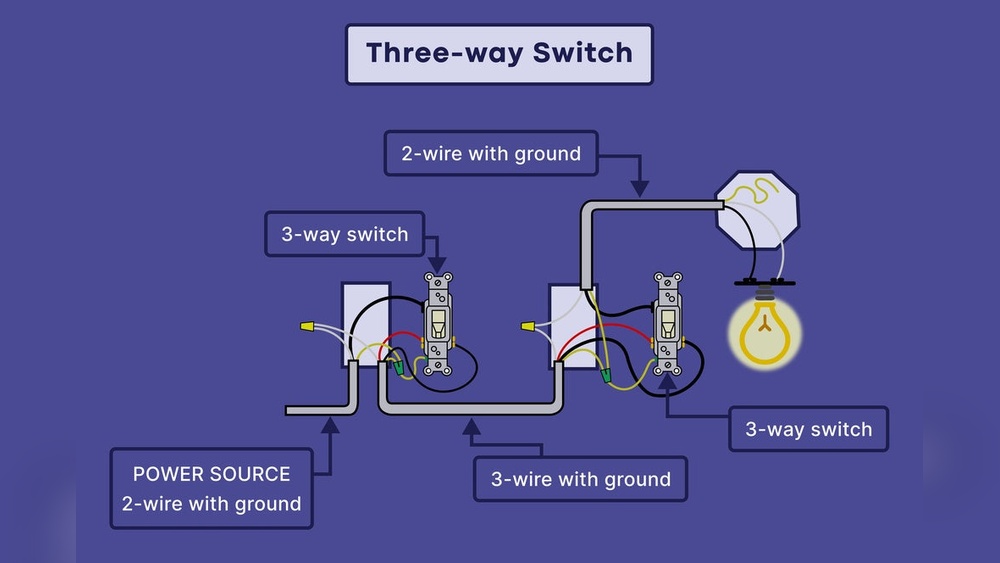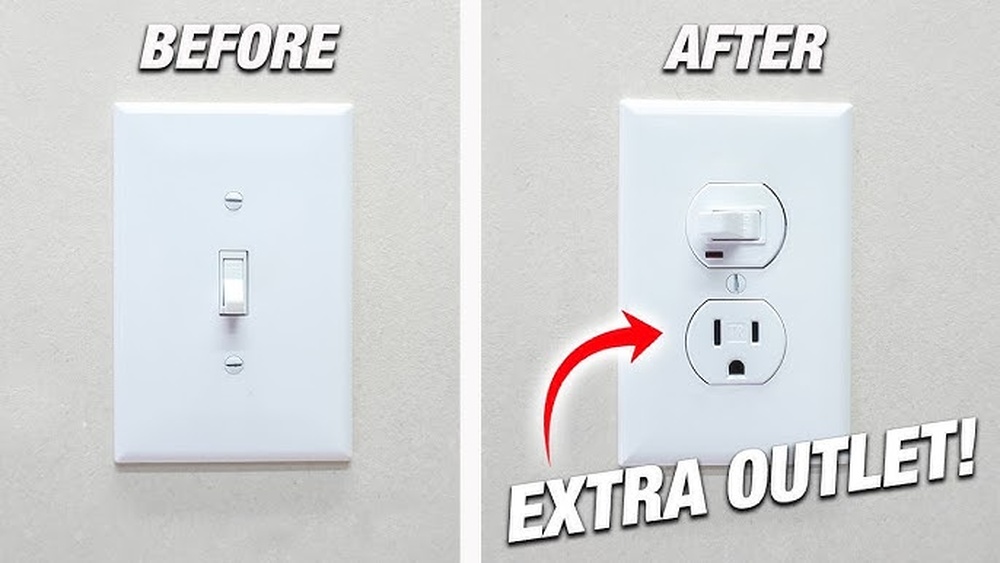
Have you ever found yourself wishing for an extra outlet where a light switch now sits? Whether you need more plugs for your devices or want to make better use of your space, converting a light switch to an outlet can be a smart and practical solution.
But how do you do it safely and correctly? In this guide, you’ll discover simple steps to transform that switch into a convenient power source. By the end, you’ll feel confident tackling this project yourself—and finally get the outlet you need.
Keep reading to learn how!

Credit: www.youtube.com
Tools And Materials Needed
Changing a light switch to an outlet needs the right tools and materials. Having everything ready makes the job safer and easier. You will work with electricity, so careful steps matter.
Below is a list of the main tools and materials needed. Each one plays an important role in the process.
Tools Required
- Voltage Tester – Checks if wires have power.
- Screwdriver Set – Removes and installs screws.
- Wire Strippers – Strips insulation from wires.
- Needle-Nose Pliers – Bends and holds wires.
- Utility Knife – Cuts electrical tape and wires.
- Flashlight – Provides light if power is off.
Materials Needed
- Electrical Outlet – The new fixture replacing the switch.
- Outlet Cover Plate – Covers the outlet for safety.
- Wire Nuts – Connects wires securely.
- Electrical Tape – Insulates wire connections.
- Wire (if needed) – For extra length or replacement.
- Outlet Box (optional) – If the existing box is too small.
Safety Gear
- Insulated Gloves – Protect against electric shock.
- Safety Glasses – Shield eyes from debris.
Credit: www.oneprojectcloser.com
Safety Precautions
Turn off the power at the breaker before starting any work. Use a voltage tester to ensure no electricity flows through the wires. Always follow local electrical codes for safety.
Turn Off Power At The Circuit Breaker
Always switch off the power at the main circuit breaker. This stops electricity from flowing to the switch you want to convert. Test the switch with a voltage tester to make sure power is off. Never trust the wall switch alone.
Use Proper Tools And Equipment
Choose insulated tools for safety. Regular tools can cause electric shocks. Wear rubber-soled shoes and avoid standing on wet floors. Keep your work area dry and clear of clutter.
Double-check Wiring Connections
Label wires before disconnecting them. This helps avoid mistakes during installation. Follow wiring diagrams carefully. Loose or wrong connections can cause short circuits or fires.
Follow Local Electrical Codes
Check your local electrical codes before starting. Codes ensure safe and legal work. Use the right type of outlet and wiring size. Meet all regulations to avoid fines and hazards.
Consider Professional Help
If unsure about any step, call a licensed electrician. Electricity can be dangerous. A professional ensures the work is safe and done correctly. It saves time and reduces risks.
Identify The Existing Wiring
Before converting a light switch to an outlet, start by identifying the existing wiring. This step is crucial for safety and success. Understanding the wires in the box helps you know what changes are needed.
Careful inspection of the wiring prevents mistakes. It also ensures the new outlet will work properly. Knowing which wires carry power and which do not is key.
Turn Off The Power
First, turn off the power at the circuit breaker. This stops electricity flow to the switch. Use a voltage tester to confirm no power is present. Never work on live wires.
Remove The Switch Cover
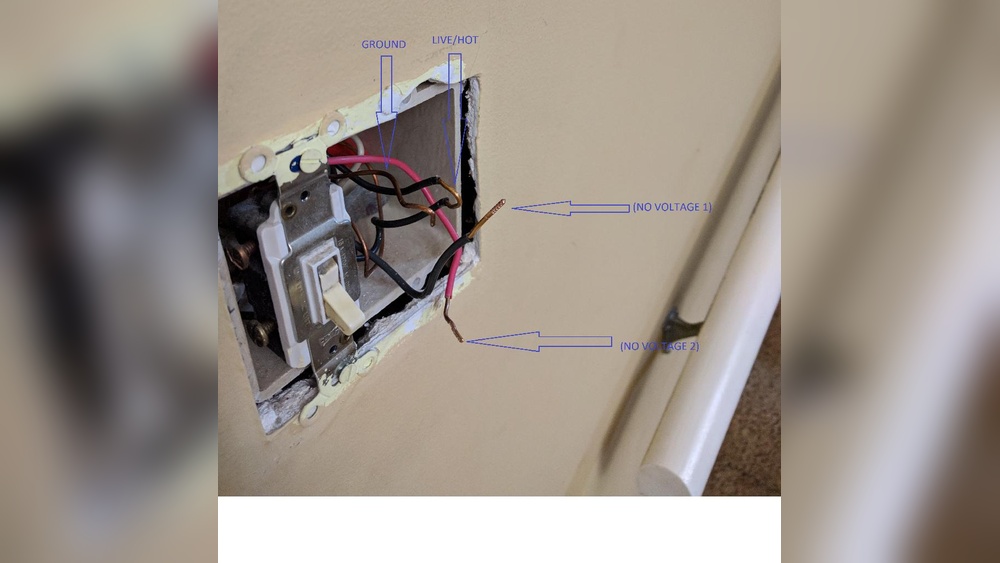
Next, unscrew the switch cover plate. Gently pull out the switch from the wall box. Look carefully at the wires connected to the switch. Take note of their colors and positions.
Identify Wire Types
Usually, black or red wires carry power (hot wires). White wires are neutral and return current. Bare copper or green wires are ground. Correctly identifying these wires is essential for safe installation.
Test The Wires
Use a voltage tester on each wire. This confirms which wires are live. Test between each wire and ground. Mark the live wires to avoid confusion.
Document The Wiring Setup
Draw a simple diagram of the wiring. Note the wire colors and their connections. This helps during outlet installation. It also aids in troubleshooting later.

Credit: diy.stackexchange.com
Turn Off Power Supply
Turning off the power supply is the first and most important step before converting a light switch to an outlet. It keeps you safe from electric shocks and prevents damage to your electrical system.
Always treat electrical work with caution. Even a small mistake can cause serious harm. Taking the time to cut off the power protects you and your home.
Locate The Circuit Breaker
Find the circuit breaker box in your home. It is usually in the basement, garage, or utility room. Look for the breaker that controls the room with the switch you want to change.
Switch Off The Correct Breaker
Turn the breaker handle to the “off” position. This stops electricity from flowing to the switch. Double-check by trying to turn on the light switch. It should not work.
Use A Voltage Tester
Before touching any wires, test the switch with a voltage tester. This tool confirms no power is running through the wires. Safety first. Never skip this step.
Inform Others In The Home
Tell family members or housemates that the power is off. This avoids confusion or accidents. Mark the breaker with a note if needed.
Remove The Light Switch
Removing the light switch is the first step in converting it to an outlet. This step must be done safely and carefully. Turn off the power at the breaker box before you start. Confirm the power is off using a voltage tester. This prevents electric shock and keeps you safe.
Gather The Right Tools
Prepare a screwdriver, voltage tester, and wire nuts. These tools help you remove the switch and handle wires properly. Having everything ready saves time and avoids mistakes.
Remove The Switch Cover Plate
Use a screwdriver to take off the cover plate. This exposes the switch and wiring behind the wall. Keep the screws safe for later use.
Unscrew The Light Switch
Next, unscrew the light switch from the electrical box. Pull the switch out gently. Avoid pulling the wires too hard to prevent damage.
Test For Power
Use the voltage tester again on the wires. This double-checks that the power is off. Safety is the top priority during electrical work.
Disconnect The Wires
Loosen the screws holding the wires on the switch. Carefully remove the wires from the switch terminals. Keep the wires separated to avoid short circuits.
Prepare The Outlet Box
Start by turning off the power to the switch at the circuit breaker. Remove the switch and check the wiring inside the outlet box. Ensure the box has enough space and is properly grounded before installing the new outlet.
Turn Off Power At The Circuit Breaker
Safety comes first. Switch off the power to the light switch at the circuit breaker. Use a voltage tester to confirm no electricity flows in the wires. This step prevents shocks and injuries during work.
Remove The Light Switch Cover And Switch
Unscrew the switch cover plate carefully. Remove the screws holding the switch in place. Gently pull the switch out from the outlet box to access the wiring behind it.
Inspect The Outlet Box Size And Condition
Check the outlet box size. Some light switch boxes are too small for outlets. Replace it with a larger box if needed. Also, look for any damage or cracks that need repair.
Disconnect The Switch Wires
Note the position of all wires before disconnecting. Take a photo for reference. Unscrew the wires from the switch terminals. Separate the wires carefully to avoid damage.
Prepare Wires For Outlet Installation
Straighten and strip the wire ends to expose about half an inch of copper. Make sure wires are clean and free of corrosion. Twist the copper wire strands neatly for easy connection to the outlet.
Connect The Outlet Wiring
Connecting the outlet wiring is the key step in converting a light switch to an outlet. It involves handling electrical wires carefully to ensure safety and functionality. Proper connections guarantee the outlet will work correctly and safely supply power.
This step requires attention to detail and basic knowledge of electrical wiring. The goal is to connect the wires from the power source and the outlet properly. Each wire has a specific role, and mixing them can cause problems or hazards.
Identify The Wires
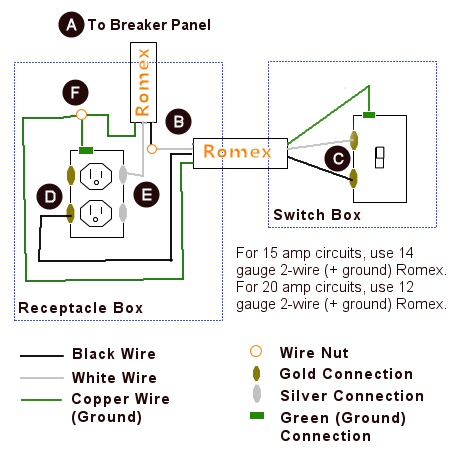
First, find the wires inside the switch box. Usually, you will see a black (hot) wire, a white (neutral) wire, and a green or bare copper (ground) wire. Use a voltage tester to confirm the power is off before touching anything. Label the wires if needed to avoid confusion.
Connect The Hot Wire
Attach the black hot wire to the brass or gold terminal on the outlet. This wire carries electricity to the outlet. Make sure the connection is tight and secure. Loose connections can cause sparks or shorts.
Connect The Neutral Wire
Next, connect the white neutral wire to the silver terminal on the outlet. The neutral wire completes the electrical circuit. Proper connection helps the outlet function correctly and safely.
Connect The Ground Wire
Finally, connect the green or bare copper ground wire to the green grounding screw on the outlet. The ground wire protects against electrical shocks. It is important to ensure this wire is firmly attached.
Secure The Outlet
After wiring, push the outlet gently back into the box. Use screws to secure it tightly. Check that no wires are pinched or exposed. Close the outlet cover plate to finish the installation.
Install The New Outlet
Installing the new outlet is the key step after converting a light switch to an outlet. This process involves connecting wires safely and securing the outlet in place. Take your time to avoid mistakes. A well-installed outlet works perfectly and keeps your home safe.
Turn Off The Power
First, switch off the power at the circuit breaker. Double-check that the light switch is not live. Use a voltage tester to be sure. Safety is the top priority before handling wires.
Prepare The Wires
Remove the switch from the wall box. Inspect the wires for damage or wear. Strip about half an inch of insulation from each wire. Straighten the wire ends for easy connection to the outlet.
Connect The Outlet Wires
Identify the hot, neutral, and ground wires by color. Attach the black (hot) wire to the brass screw. Connect the white (neutral) wire to the silver screw. Secure the green or bare copper (ground) wire to the green screw.
Secure The Outlet
Carefully push the wires back into the box. Align the outlet with the mounting holes. Screw the outlet firmly into place without overtightening. The outlet must sit flush with the wall surface.
Attach The Outlet Cover Plate
Place the cover plate over the outlet. Screw it in securely. Check for any gaps or loose screws. The cover plate keeps wires safe and gives a clean look.
Test The Outlet Functionality
Testing the outlet functionality is a crucial step after converting a light switch to an outlet. It ensures the new outlet works safely and properly. This step helps avoid electrical hazards and confirms that power flows correctly.
Testing also checks if the wiring is done right. It gives peace of mind before using the outlet for any device or appliance. Follow simple steps to test the outlet safely and accurately.
Use A Voltage Tester
Start by using a voltage tester to check for power. Touch the tester probes to the outlet slots. A light or beep means the outlet has power. No light or sound means no power. This tool helps verify the outlet is live and ready to use.
Check Both Slots And Ground
Test both the hot and neutral slots in the outlet. Also, check the ground slot to ensure proper grounding. Grounding prevents shocks and protects devices. Make sure the tester shows correct readings on all three slots.
Plug In A Small Device
Plug in a small device like a lamp or phone charger. The device should turn on immediately. If it does, the outlet works properly. If not, double-check your wiring or try another tester.
Inspect For Heat Or Sparks
Watch the outlet for heat or sparks during testing. Any unusual signs mean a wiring problem. Turn off the power and fix the issue before use. Safety is the top priority with electrical work.
Troubleshooting Common Issues
Converting a light switch to an outlet can be simple, but some problems may appear. Knowing common issues helps fix them fast. This saves time and keeps your home safe.
Check wiring carefully. A small mistake can cause the outlet not to work. Use a tester to find power. Make sure the breaker is off before touching wires.
Incorrect Wiring Connections
Wrong wire connections stop the outlet from working. The hot wire must connect to the brass screw. The neutral wire goes to the silver screw. The ground wire attaches to the green screw.
Tripped Circuit Breaker
A breaker trips if there is a short or overload. Turn off the breaker, then turn it back on. If it trips again, check wires for damage or loose ends.
No Power At Outlet
Test the outlet with a voltage tester. No power means the breaker is off or wiring is wrong. Check the main panel and wiring connections for problems.
Loose Or Damaged Wires
Loose wires can cause sparks or no power. Tighten all screws and connections. Replace wires if they look burnt or broken.
Frequently Asked Questions
How Do I Convert A Light Switch To An Electrical Outlet?
Turn off power at the breaker. Remove the switch, connect wires to a new outlet. Secure and test power.
Can I Replace A Single Switch With A Duplex Outlet?
Yes, ensure wiring supports an outlet. Use proper tools, follow electrical codes, and verify connections before restoring power.
What Tools Are Needed To Convert Switch To Outlet?
You need a screwdriver, wire stripper, voltage tester, electrical tape, and the new outlet device for conversion.
Is It Safe To Convert A Light Switch Into An Outlet?
Yes, if done correctly. Always turn off power, follow wiring codes, and consider hiring a licensed electrician.
Conclusion
Converting a light switch to an outlet can improve your room’s function. It saves space and adds convenience. Always turn off power before starting any work. Use the right tools and follow safety steps closely. If unsure, ask a professional for help.
Small changes like this make a big difference. Try it carefully and enjoy the new outlet.