Are you ready to tackle your next home project with confidence? Knowing how to drill screws and wall anchors correctly can save you time, frustration, and keep your walls strong and secure.
Whether you’re hanging shelves, pictures, or heavy items, the right technique makes all the difference. In this guide, you’ll learn simple steps that anyone can follow to get professional results. Stick with me, and soon you’ll handle your tools like a pro—no guesswork, no damage, just solid support every time.
Let’s get started!
Choosing The Right Drill And Bits
Choosing the right drill and bits is key to a successful project. The correct tools make drilling screws and wall anchors easier and safer. Picking the wrong drill or bit can cause damage to your wall or make the task harder. This section guides you on selecting the best drill and bits for your needs.
Types Of Drills For Screws And Anchors
Cordless drills are popular for their convenience and portability. They work well for most home projects. Corded drills offer more power and steady performance for tough jobs. Hammer drills combine drilling with a hammering action. They are perfect for drilling into concrete or brick walls.
Impact drivers provide extra torque for driving screws quickly. They are great for heavy-duty screw work. Choose a drill type based on the material and task size. Small projects can use cordless drills, while big jobs need hammer or impact drills.
Selecting Drill Bits For Different Materials
Use wood drill bits for soft materials like wood and drywall. These bits have sharp points to start holes easily. Masonry bits are designed for hard surfaces such as brick or concrete. They have a carbide tip to break through tough materials.
Metal drill bits suit metal surfaces and plastic. They have strong, sharp edges for clean holes. Choose the right bit size for your screws or anchors. The bit should match the anchor’s diameter for a snug fit. Using the correct bit keeps your wall safe and your screws secure.
Preparing The Surface
Preparing the surface is the first and most important step before drilling screws and wall anchors. This ensures the job is safe and accurate. Proper preparation helps avoid damage to walls and hidden utilities. It also makes sure your screws hold tight and last longer.
Marking Drill Points Accurately
Start by deciding where you want to place the screws or anchors. Use a pencil to mark these spots clearly. Measure twice to get the exact points. A level tool can help keep marks straight and even. Clear marks help guide the drill and prevent mistakes.
Checking For Hidden Wiring And Pipes
Before drilling, check for wires and pipes behind the wall. Use a stud finder with wire and pipe detection features. This tool helps avoid accidents and costly repairs. If unsure, tap the wall lightly and listen for hollow sounds. Stay away from marked electrical outlets and switches. Safety comes first to protect both you and your home.
Drilling Techniques
Drilling screws and wall anchors require good drilling techniques. These techniques help ensure the holes are clean and strong. Proper drilling prevents damage to walls and makes fixing objects easier. Below are key tips for effective drilling.
Setting The Correct Drill Speed
Choose the right drill speed based on the material. Low speeds work best for hard materials like concrete. High speeds suit soft materials like wood. Adjust the speed slowly to avoid overheating. A steady speed keeps the drill bit sharp longer.
Maintaining Drill Stability
Hold the drill firmly with both hands. Keep the drill straight and steady. Avoid tilting the drill to prevent angled holes. Use a level if needed to check alignment. Stable drilling creates clean holes and reduces slips.
Drilling Pilot Holes For Screws
Start with a small pilot hole before screwing. Pilot holes guide the screw and reduce wood splitting. Match the pilot hole size to the screw’s core diameter. Drill the pilot hole deep enough for the screw length. This step makes screw driving easier and safer.
Credit: comunisostenibili.eu
Installing Wall Anchors
Installing wall anchors is a key step in hanging items securely on walls. They help hold screws tightly, especially in drywall or hollow walls. Using the right anchors prevents damage and keeps your fixtures safe. Follow simple steps to choose and insert anchors correctly. This will ensure strong and lasting fixings.
Choosing The Right Wall Anchor Type
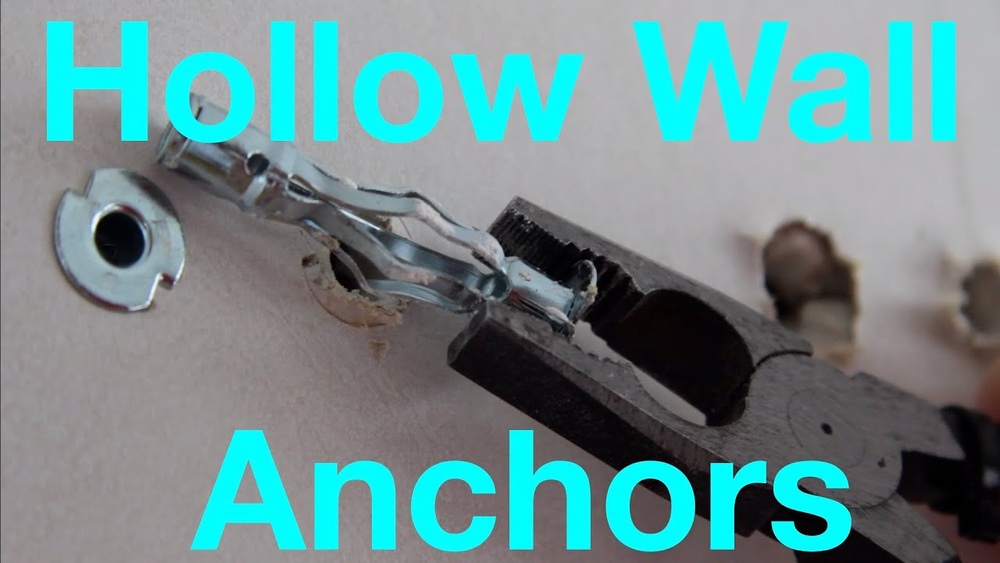
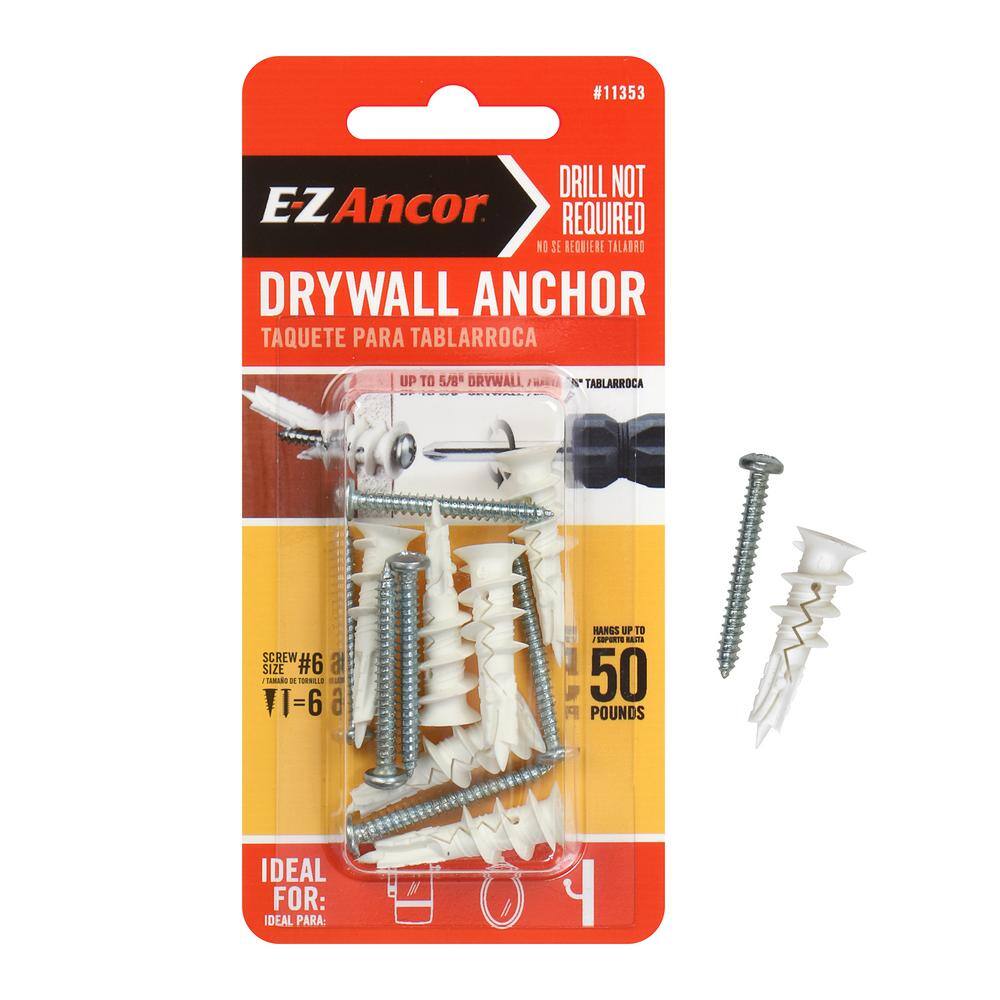
Select anchors based on the wall material and item weight. Plastic anchors work well for light loads on drywall. Metal anchors offer more strength for heavier objects. Toggle anchors spread weight behind the wall for very heavy items. Match the anchor size to the screw and hole diameter. Proper choice avoids slipping or wall damage.
Inserting Anchors Properly
Start by drilling a hole that fits the anchor snugly. Clean out dust from the hole to help the anchor grip better. Push or tap the anchor into the hole until it is flush with the wall. Avoid forcing anchors too deep or leaving them sticking out. Proper insertion helps the anchor hold firmly when the screw goes in.
Ensuring Secure Fixings
Insert the screw slowly into the anchor, keeping steady pressure. Stop tightening once the screw feels tight and the item is secure. Over-tightening can strip the anchor or damage the wall. Check the fixture for firmness by gently pulling or shaking. Secure fixings reduce accidents and keep your walls intact.
Driving Screws Efficiently
Driving screws efficiently saves time and effort on any project. Using the right tools and techniques helps ensure screws hold firmly. It also prevents damage to materials and tools. Follow these simple steps to improve your screw-driving skills.
Selecting Suitable Screw Types
Choose screws based on the material you are working with. Wood screws fit best in wood. Metal screws are for metal surfaces. Drywall screws are made for wallboards and anchors. Pick screws with the right length and thickness. This prevents weak connections or damage.
Using The Correct Screwdriver Or Bit
Match the screwdriver or drill bit to the screw head. Common types include Phillips, flathead, and Torx. Using the wrong bit can strip the screw head. It also makes driving the screw harder. Keep bits clean and in good shape for better grip.
Avoiding Over-tightening
Stop turning once the screw is snug and secure. Over-tightening can strip threads or break screws. It can also damage the material holding the screw. Use a screwdriver with a torque setting to control force. Gentle pressure protects both screws and surfaces.

Credit: www.concretefasteners.com
Safety Tips And Best Practices
Drilling screws and wall anchors requires care and attention to safety. Following safety tips helps avoid accidents and ensures a smooth job. Using the right tools and methods protects you and your work area.
These best practices make drilling safer and more effective. Small steps can prevent big problems.
Wearing Protective Gear
Always wear safety glasses to protect your eyes from dust and debris. Gloves keep your hands safe from sharp edges and splinters. Ear protection helps reduce noise from the drill. Dress in close-fitting clothes to avoid getting caught in tools.
Working In Well-lit Areas
Good lighting helps you see clearly while drilling. It prevents mistakes and accidents. Natural light or a bright lamp works best. Avoid shadows that can hide hazards. A clear view makes precise drilling easier.
Maintaining Tools For Longevity
Keep your drill and bits clean and dry. Check tools regularly for damage or wear. Replace dull drill bits to avoid slipping or breaking. Proper care keeps tools working well and safe. Store tools in a dry, safe place after use.

Credit: www.amazon.com
Frequently Asked Questions
How Do I Choose The Right Drill Bit Size?
Select a drill bit slightly smaller than the screw or anchor diameter. This ensures a tight fit and strong hold. Check the anchor package or screw instructions for recommended bit size. Always test on scrap material if unsure.
What Is The Correct Drill Speed For Wall Anchors?
Use a moderate drill speed to avoid damaging the wall. High speed can cause overheating and reduce anchor strength. Adjust speed based on wall material—slower for masonry, faster for drywall.
How Deep Should I Drill For Screws And Anchors?
Drill a hole slightly deeper than the anchor length. This allows the anchor to sit fully without resistance. Measure the screw length and add a few millimeters for clearance.
Can I Reuse Wall Anchors After Removal?
Generally, wall anchors lose effectiveness after removal. They may not grip securely if reused. It’s best to use new anchors to ensure a strong, safe hold.
Conclusion
Drilling screws and wall anchors is a simple skill anyone can learn. Always choose the right drill bit and anchor for your wall type. Take your time to mark and drill carefully. Tighten screws firmly but not too hard to avoid damage.
With practice, your projects will look neat and stay secure. Small steps lead to strong results. Keep these tips in mind for your next home task. You’ll feel more confident and ready to fix things around your house.