Have you ever wondered how the drinking fountains you use every day connect neatly to the wall? You might think it’s just about plumbing, but there’s more to it than meets the eye.
Understanding how these fountains hook into the wall can help you appreciate the design and even make maintenance easier if you’re responsible for them. You’ll discover the simple steps and key parts involved in this connection. Keep reading, and you’ll see just how these common fixtures stay securely in place while delivering clean, fresh water whenever you need it.

Credit: www.murdockmfg.com
Types Of Drinking Fountains
Drinking fountains come in different types to fit various spaces and needs. Each type connects to water and drainage systems in unique ways. Understanding these types helps in choosing the right fountain for any location.
Wall-mounted Fountains
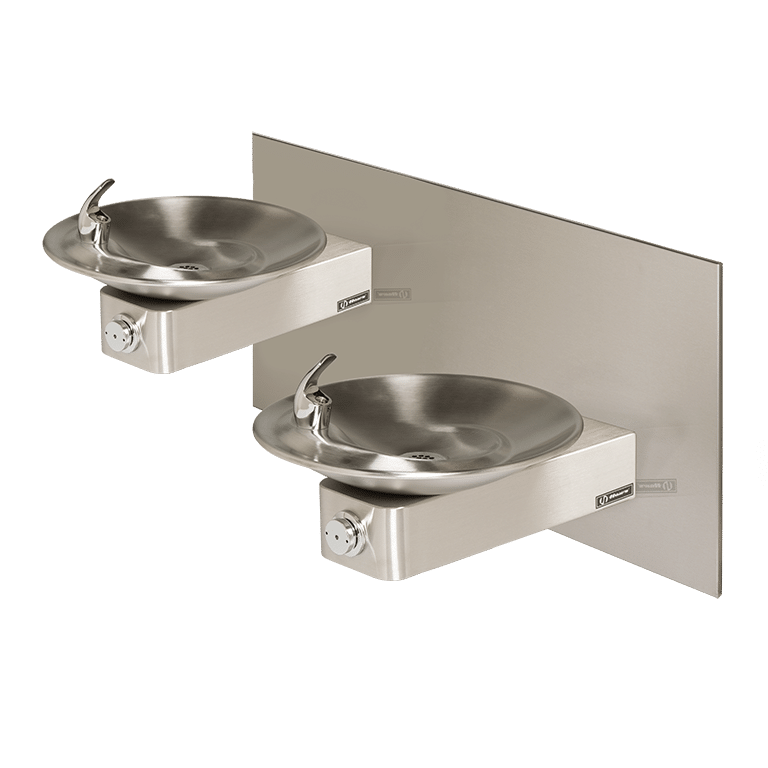
Wall-mounted fountains attach directly to a wall. They connect to water pipes hidden inside the wall. This setup saves floor space and keeps areas neat. These fountains usually have a small drain pipe that leads into the wall too. They are common in schools and offices where space is limited.
Freestanding Models
Freestanding fountains stand on the floor without wall support. They connect to water and drain lines through the floor or nearby walls. These models are easy to place in open areas like parks or gyms. The plumbing is often hidden inside the base of the fountain. They offer more flexibility in location choice.
Bubbler Styles
Bubblers release water in a small stream or spray for drinking. They can be wall-mounted or freestanding. Their water supply hooks into pipes behind or below the fountain. Bubblers are popular in public places for quick, hygienic drinking. They often include filters to improve water taste and safety.

Credit: www.youtube.com
Required Tools And Materials
Installing a drinking fountain requires specific tools and materials. These items ensure the fountain connects properly to the wall and water supply. Using the right supplies makes the job easier and safer.
Plumbing Supplies
Plumbing supplies are essential to connect the fountain to water lines. You need copper or PEX pipes to carry water. Pipe fittings, like elbows and couplings, help change pipe direction and connect parts. A shut-off valve controls water flow during installation. Teflon tape seals threaded joints, preventing leaks. Pipe wrenches and cutters are useful for handling pipes and fittings.
Mounting Hardware
Mounting hardware secures the fountain to the wall. Heavy-duty screws and anchors hold the weight firmly. A mounting bracket may be included or bought separately. Wall anchors work best on drywall or masonry walls. A drill and drill bits create holes for screws and anchors. A level ensures the fountain is straight on the wall.
Safety Gear
Safety gear protects you during installation. Gloves keep your hands safe from sharp edges and tools. Safety glasses shield your eyes from dust and debris. A dust mask is useful when drilling into walls. Wear sturdy shoes to protect your feet. Proper safety gear reduces the risk of injury.
Locating The Water Supply
Locating the water supply is the first step to hook a drinking fountain into the wall. The water supply provides the necessary flow for the fountain to work. Knowing where this supply is helps ensure a smooth installation. It also allows you to control the water flow during the process. This section explains key points about finding and accessing the water supply.
Shutoff Valve Position
The shutoff valve controls water flow to the fountain. It must be near the installation site. This valve lets you stop water without affecting the whole building. Check for an easy-to-reach valve behind the wall or under the floor. A clearly marked valve saves time during repairs or maintenance.
Water Line Access
Access to the water line is essential for connection. The water line usually runs inside the wall or floor. You may need to remove a panel or cut a hole to reach it. Clear access helps avoid damage to pipes. It also makes installing fittings simpler and faster.
Pressure Considerations
Water pressure affects how well the fountain works. Too low pressure means weak water flow. Too high pressure can damage the fountain parts. Check the pressure at the water supply point. Use a pressure regulator if needed to keep it steady. Proper pressure ensures the fountain runs smoothly and lasts longer.
Wall Preparation Steps
Preparing the wall is a key step before installing a drinking fountain. It ensures the fountain stays secure and functions well. Proper preparation helps avoid future problems like leaks or instability. Follow these steps carefully for a smooth installation process.
Marking Mounting Points
Start by holding the drinking fountain against the wall. Use a pencil to mark the exact spots for mounting screws. Check the fountain’s manual for recommended height and spacing. Accurate marks make drilling easier and more precise.
Drilling And Anchoring
Choose a drill bit that fits your wall anchors. Drill holes at the marked points carefully. Insert anchors into the holes to provide strong support. Anchors prevent screws from pulling out of the wall. Use anchors suitable for your wall type, such as drywall or concrete.
Ensuring Level Installation
Place a level tool on top of the fountain before tightening screws. Adjust the position until the bubble is centered. A level fountain looks good and works properly. Tighten screws slowly to keep the fountain steady and even.
Connecting The Water Lines
Connecting the water lines is a key step in installing a drinking fountain. It ensures water flows safely and cleanly from your home’s plumbing to the fountain. This process involves a few careful steps. Each must be done right to avoid leaks and water damage.
Below are the main stages to connect the water lines properly. These include attaching the supply tubing, securing it with fittings, and testing for leaks.
Attaching Supply Tubing
Start by attaching the supply tubing to the water source. Use flexible tubing that fits the water valve size. Push the tubing firmly onto the valve. Make sure it is tight to prevent water from escaping. Cut the tubing straight if needed for a clean fit.
Securing With Fittings
Next, secure the tubing with the right fittings. Use compression or push-to-connect fittings for a strong seal. Tighten fittings by hand, then use a wrench for a snug fit. Avoid over-tightening to protect the tubing and threads.
Testing For Leaks
Turn on the water slowly and watch the connections. Look closely for drips or moisture. Use a dry cloth to check hidden spots. If leaks appear, tighten fittings slightly. Repeat testing until no leaks remain. A leak-free connection keeps the fountain working well.
Credit: www.hawsco.com
Mounting The Fountain To The Wall
Mounting a drinking fountain to the wall is an important step for stability and usability. It ensures the fountain stays secure and works well over time. Proper mounting also helps avoid leaks and damage. This process requires careful alignment and tightening of parts.
Aligning With Anchors
Start by locating the wall anchors. These anchors hold the fountain firmly in place. Position the fountain so its holes match the anchors exactly. Use a level tool to check the alignment. Proper alignment prevents the fountain from leaning or falling.
Securing Bolts And Screws
Insert the bolts or screws through the fountain’s mounting holes. Tighten them carefully into the wall anchors. Avoid over-tightening to prevent damage to the wall or fountain. Check that the fountain feels stable and solid after securing.
Adjusting Height And Position
Set the fountain at a height that suits users. Adjust the position slightly if needed before final tightening. Make sure the spout is easy to reach and the basin is level. Proper height and position improve comfort and functionality for everyone.
Final Checks And Maintenance Tips
After installing a drinking fountain and hooking it into the wall, final checks are crucial. These steps ensure the fountain works well and stays clean. Regular maintenance also helps avoid problems and keeps the water safe to drink.
Water Flow Testing
Turn on the water supply to check the flow. The water should come out smoothly and with good pressure. Watch for leaks around the wall connection and fountain parts. Adjust the valves if the flow is too weak or too strong.
Cleaning The Fountain
Clean the fountain surface with mild soap and water. Avoid harsh chemicals that can damage the finish. Wipe the spout gently to remove dirt and germs. Clean the drain area to prevent clogs and bad smells.
Routine Inspection
Check the wall connection for drips or loose fittings regularly. Inspect the pipes and valves behind the wall if possible. Look for signs of corrosion or wear. Tighten any loose parts to keep the fountain secure and safe.
Frequently Asked Questions
How Do Drinking Fountains Connect To Water Supply?
Drinking fountains connect to the building’s cold water supply through a water pipe. A shut-off valve controls the water flow. This setup ensures a steady, clean water source for the fountain’s operation.
What Type Of Pipe Is Used For Drinking Fountains?
Copper or PEX pipes are commonly used for drinking fountains. These materials resist corrosion and maintain water purity. Proper piping ensures safe, reliable water delivery to the fountain.
How Is A Drinking Fountain Secured To The Wall?
Drinking fountains are mounted to the wall using brackets or anchors. These fixtures provide strong support and prevent movement. Secure mounting ensures safety and proper function of the fountain.
Are Backflow Preventers Needed For Drinking Fountains?
Yes, backflow preventers are essential to avoid water contamination. They stop wastewater from re-entering the clean water supply. Installing these devices complies with plumbing codes and protects public health.
Conclusion
Drinking fountains connect to the wall through water pipes and secure fittings. These pipes supply clean water directly to the fountain. A strong mounting bracket holds the fountain steady. Proper installation ensures safe and easy access to water. Knowing this helps in fixing or installing fountains at home or public places.
Water flows smoothly thanks to careful plumbing inside the wall. This simple setup keeps fountains working well every day. Understanding the basics makes maintenance easier and avoids leaks. Clean water and sturdy support make drinking fountains reliable and safe.