Have you ever tried hanging something on your wall, only to find that the screws just won’t hold? If you want your shelves, pictures, or TV mounts to stay secure, knowing how to anchor to drywall is a must.
Without the right technique, your wall hangings could come crashing down, causing damage and frustration. But don’t worry—this guide will show you simple, effective ways to anchor your items safely and confidently. Keep reading, and you’ll learn the secrets to making your walls strong enough to hold what matters most to you.

Credit: www.lowes.com
Choosing The Right Anchor
Choosing the right anchor for drywall is important for safety and durability. The anchor must hold the weight of the object securely. It also needs to fit the type of wall and screw size. Picking the wrong anchor can cause damage or make the object fall.
Types Of Drywall Anchors
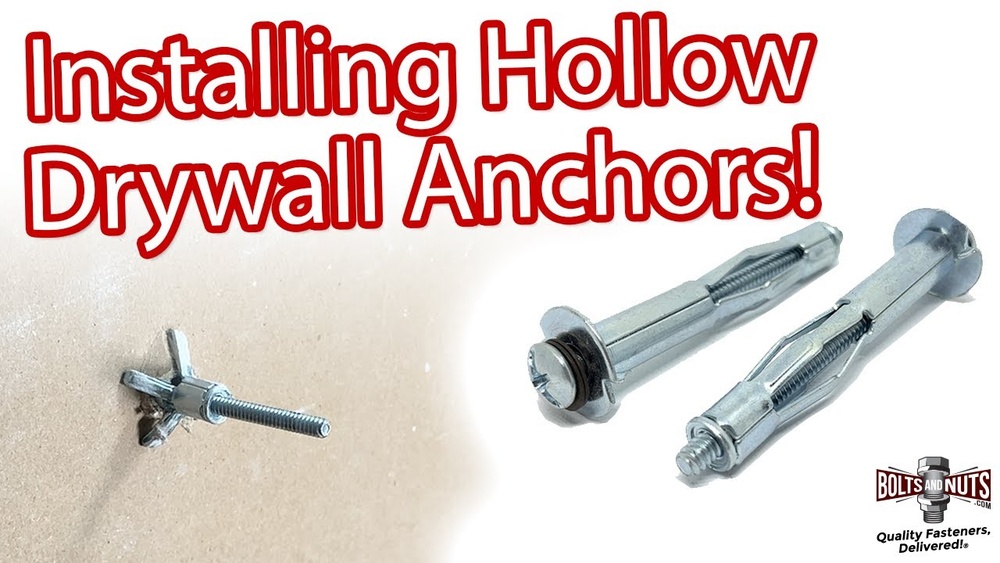
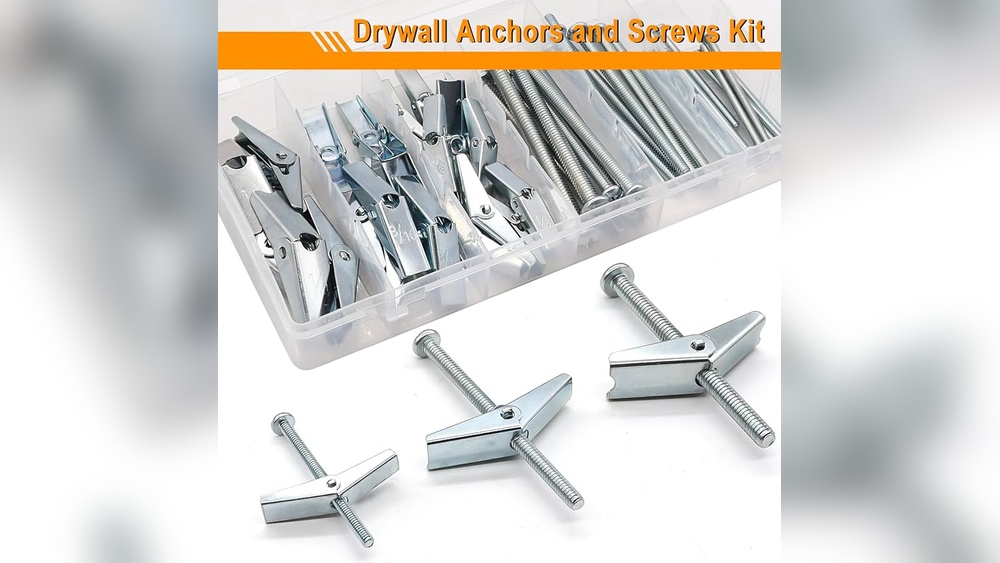
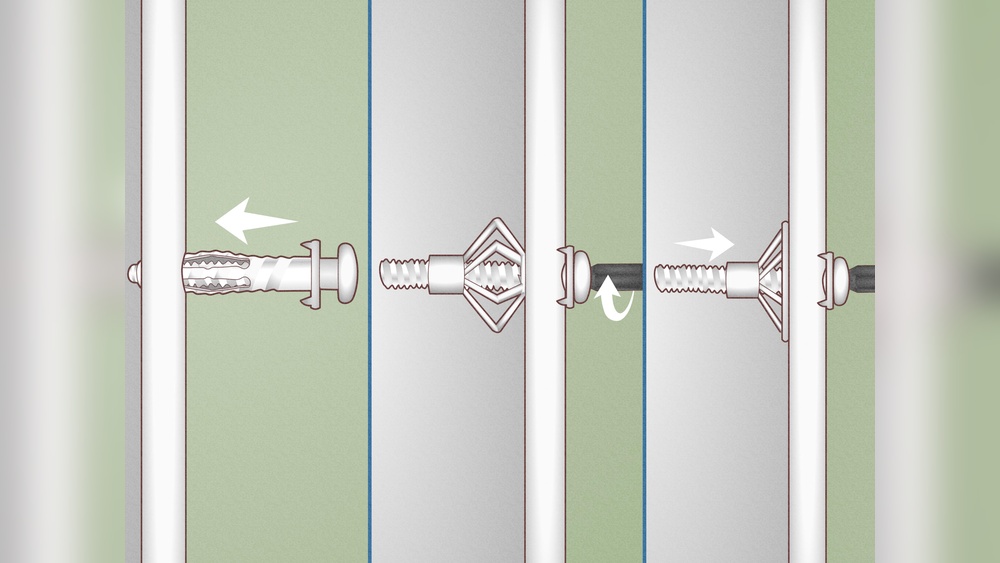
There are several types of drywall anchors. Plastic expansion anchors work well for light items. They expand inside the wall when the screw goes in. Toggle bolts have wings that open behind the drywall. They hold heavy objects firmly. Molly bolts expand inside the wall cavity for strong support. Self-drilling anchors screw directly into drywall. They are easy to use for medium-weight items.
Factors To Consider
Think about the weight of the item you want to hang. Check the wall thickness and material. Some anchors work better with thicker drywall. Also, consider the screw size the anchor fits. The environment matters too. Humid places may need rust-resistant anchors. The type of object matters. Shelves need stronger anchors than picture frames.
Weight Capacity Guidelines
Each anchor has a weight limit. Plastic anchors usually hold up to 20 pounds. Toggle bolts can support 50 pounds or more. Molly bolts hold between 25 and 50 pounds. Self-drilling anchors support 25 pounds on average. Always choose an anchor with a higher weight capacity than your item. This adds a safety margin and prevents accidents.

Credit: www.picturehangsolutions.com
Tools And Materials Needed
Before you start anchoring to drywall, gather the right tools and materials. Having everything ready makes the task easier and safer. Proper tools help you work faster and get better results.
Essential Tools
You need a drill to make holes in the drywall. A screwdriver is important to insert and tighten anchors. A tape measure helps you mark the exact spots. A pencil is useful for marking the wall. A level ensures your anchor is straight.
Safety Equipment
Wear safety goggles to protect your eyes from dust and debris. Use gloves to avoid splinters and sharp edges. A dust mask keeps you from breathing in drywall dust. Keep a first aid kit nearby, just in case.
Anchor Supplies
Select the right anchors for your job. Plastic anchors work well for light loads. Metal anchors hold heavier items securely. Toggle bolts are best for very heavy objects. Make sure you have screws that match your anchors.
Preparing The Wall
Preparing the wall is the first step before anchoring to drywall. It ensures a secure hold and prevents damage. Proper preparation makes the process smoother and safer.
Locating Studs And Marking
Studs provide strong support for anchors. Use a stud finder to locate them. Mark the edges and center of each stud clearly. Mark spots away from studs for drywall anchors. Accurate marking helps avoid mistakes and weak holds.
Checking For Obstructions
Obstructions like wires or pipes can cause problems. Use a wire detector or stud finder with a wire sensor. Scan the wall carefully to avoid drilling into hazards. Avoid marked obstruction areas for safety and better results.
Cleaning The Surface
Clean the wall surface before drilling or anchoring. Remove dust, dirt, and grease with a dry cloth. A clean surface helps anchors stick better. It also prevents damage and ensures a firm grip.
Drilling And Installing Anchors
Drilling and installing anchors is a key step for hanging items on drywall. This process ensures the anchor holds tight and supports the weight. Proper drilling creates the right space for the anchor. Correct installation prevents damage to the wall and keeps the item secure.
Choosing The Drill Bit Size
Pick a drill bit that matches the anchor size. Too small, and the anchor won’t fit. Too big, and the anchor will be loose. Check the anchor packaging for the recommended drill bit size. Use a bit that fits snugly with the anchor’s body.
Drilling The Pilot Hole
Mark the spot where you want the anchor. Hold the drill steady and drill slowly. Drill straight into the wall to avoid angled holes. Stop drilling once you reach the anchor’s length. Clean any dust from the hole with a brush or cloth.
Inserting Different Anchor Types
Push plastic expansion anchors into the hole until flush with the wall. Tap lightly with a hammer if needed. For self-drilling anchors, screw them in using a screwdriver until tight. Toggle anchors need to be folded and pushed through the hole. Pull back gently to lock them behind the drywall.
Securing Fixtures To Drywall
Securing fixtures to drywall needs care and the right steps. Drywall is soft and can break or crumble if not handled well. Using the correct method ensures your fixture stays strong and safe on the wall.
Aligning The Fixture
Start by holding the fixture where you want it. Check if it is straight and level. Mark the spots for screws or anchors carefully. Proper alignment stops the fixture from hanging crooked or falling later.
Tightening Screws Properly
Use a screwdriver or drill to tighten screws slowly. Make sure screws go in straight and fit the anchors. Tightening evenly helps the fixture hold firm without damaging the wall. Stop when the fixture feels stable and secure.
Avoiding Over-tightening
Do not turn screws too hard. Over-tightening can crack the drywall or strip the anchors. This weakens the hold and can cause the fixture to fall. Tighten screws just enough to keep the fixture snug and steady.
Testing Anchor Strength
Testing anchor strength is an important step after installing anchors in drywall. It ensures your anchors hold well and prevent damage. This step helps avoid accidents and keeps your items secure.
Applying Pressure Safely
Start by pressing gently on the anchored item. Use steady force, not sudden or hard pushes. This helps check if the anchor stays firm without damaging the wall. Stop if you feel any looseness or hear cracking sounds.
Checking For Movement
Look closely at the anchor and the wall around it. Try to move the item slightly side to side and up and down. Any wiggle or shift means the anchor may not be strong enough. The wall should not crack or crumble under pressure.
Adjusting If Needed
If you notice movement, remove the item carefully. Choose a stronger anchor or a different spot on the wall. You might need to use a larger anchor or one designed for heavier loads. Repeat the test to ensure the new anchor holds firm.
Common Mistakes To Avoid
Anchoring to drywall seems simple but many make common mistakes. These errors can cause anchors to fail or walls to get damaged. Avoiding these mistakes improves safety and keeps your walls intact. Below are some key errors to watch out for.
Using Incorrect Anchor Types
Not all anchors work well for every job. Using the wrong type can lead to weak holds. For example, plastic anchors may break under heavy weight. Toggle bolts offer better strength for heavier items. Match the anchor to the weight and drywall thickness.
Ignoring Weight Limits
Every anchor has a weight limit. Exceeding this limit risks wall damage or falling objects. Check the package for weight ratings. Always stay below the recommended weight. This keeps your items secure and your walls safe.
Poor Drilling Techniques
Drilling mistakes can ruin drywall and anchors. Drilling too large a hole reduces anchor grip. Drilling too small a hole makes insertion difficult. Drill straight and steady. Use the correct drill bit size for your anchor. This ensures a snug fit and strong hold.

Credit: www.concretefasteners.com
Frequently Asked Questions
What Tools Do I Need To Anchor To Drywall?
You need a drill, screwdriver, drywall anchors, and screws. A level and pencil help mark anchor points accurately. These tools ensure secure and precise installation on drywall surfaces.
How Do I Choose The Right Drywall Anchor?
Select anchors based on weight capacity and wall thickness. Plastic anchors suit light loads, while metal anchors hold heavier items. Always check the anchor’s packaging for weight limits before use.
Can I Anchor Heavy Items To Drywall Safely?
Yes, use toggle bolts or molly bolts for heavy items. These anchors distribute weight more effectively and prevent drywall damage. Always follow the manufacturer’s weight guidelines for safety.
How Do I Prevent Drywall Damage When Anchoring?
Pre-drill holes slightly smaller than anchor size. Avoid over-tightening screws to prevent wall cracks. Using the correct anchor type also minimizes drywall damage during installation.
Conclusion
Anchoring to drywall is simple with the right tools and steps. Choose the right anchor for your wall and weight. Drill a hole carefully, then insert the anchor firmly. Tighten screws slowly to avoid damage. This method helps your items stay secure and safe.
Practice patience and take your time. Soon, hanging pictures, shelves, or decor feels easy. Drywall anchors make your home projects much better. Try these tips for strong, lasting results every time.