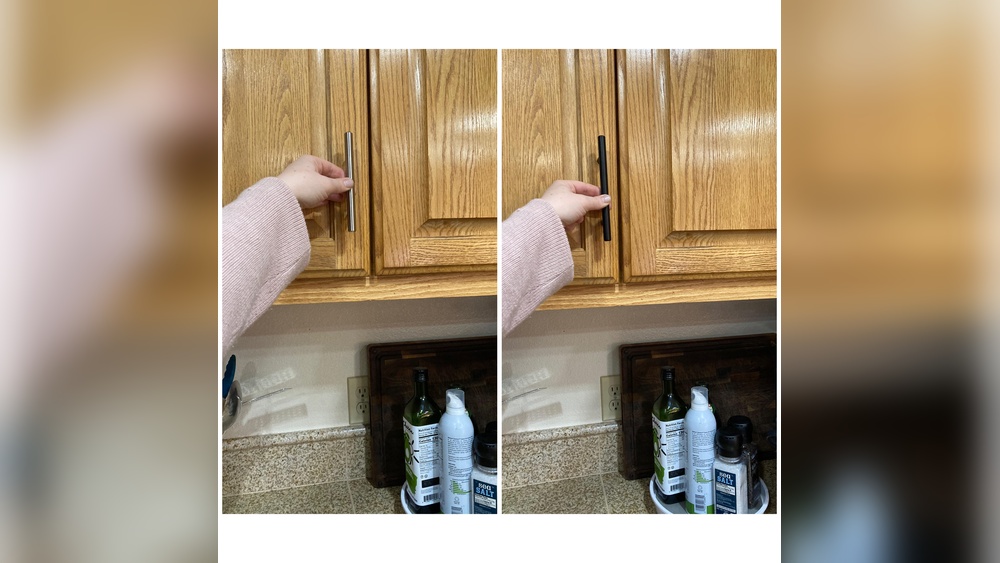
Your brass cabinet hardware can add a warm, classic touch to any room. But over time, it might lose its shine or start to look dull.
What if you could bring that sparkle back without spending a fortune on replacements? Refinishing your brass hardware is easier than you think—and it can transform your cabinets from tired to stunning. In this guide, you’ll discover simple, step-by-step tips to restore your brass pieces to their original glow.
Ready to give your cabinets a fresh look that catches the eye? Let’s dive in and make your hardware shine like new again.
Tools And Materials Needed
Before starting to refinish brass cabinet hardware, gather all necessary tools and materials. Having everything ready saves time and ensures a smooth process. Each item plays an important role in cleaning, stripping, and refinishing the brass.
Some tools help remove old finishes. Others prepare the surface for the new look. Materials include cleaners, paint, and protective coatings. Use quality products for the best results.
Protective Gear
Wear gloves to protect your hands from chemicals. Safety goggles shield your eyes from dust and splashes. A mask helps avoid inhaling fumes or dust particles.
Cleaning Supplies
Use mild soap and warm water to clean dirt and grease. Soft cloths or sponges work well without scratching the brass. For tougher grime, use a brass cleaner or vinegar solution.
Stripping Tools
To remove old finish, use fine steel wool or sandpaper. Choose 220- to 400-grit sandpaper for gentle abrasion. A chemical paint stripper may be needed for heavy coatings.
Painting And Finishing Materials
Use brass spray paint or metal paint for a fresh look. Clear lacquer or polyurethane seals and protects the finish. Brushes or spray cans apply paint evenly.
Other Helpful Tools
A screwdriver helps remove hardware from cabinets. A small container holds cleaning solutions. Paper towels or rags assist with wiping and drying.

Credit: jenniferrizzo.com
Removing Hardware Safely
Removing brass cabinet hardware safely is the first step in refinishing. Careful removal keeps your cabinets and hardware in good shape. Avoid scratches, dents, or broken parts.
Use the right tools and gentle motions. This protects both the cabinet surface and the brass pieces. Take your time and work patiently.
Gather The Necessary Tools
Prepare tools like a screwdriver, soft cloth, and small container. A magnetic tray helps keep screws safe. Use the right screwdriver to avoid damage.
Protect The Cabinet Surface
Place painter’s tape around the hardware edges. This prevents scratches during removal. A soft cloth under your hand adds extra protection.
Remove Screws Carefully
Turn screws slowly and steadily. Do not force them if stuck. Use a drop of lubricant to loosen tight screws gently.
Handle Hardware Gently
Lift hardware with care after screws are out. Avoid bending or dropping the brass pieces. Place them on a soft surface to keep safe.
Cleaning Brass Pieces
Cleaning brass pieces is the first step to refinish cabinet hardware. Dirt and old finishes cover the brass surface. These layers hide the metal’s shine. Cleaning helps to reveal the bright brass underneath. It also prepares the pieces for a new finish. Proper cleaning makes the hardware look fresh and new.
Start by removing dirt and grime. Then strip off any old finish. Both steps are important for good results.
Removing Dirt And Grime
Use warm water mixed with mild soap. Soak the brass pieces for a few minutes. This loosens dirt and grease. Next, scrub gently with a soft brush or cloth. Avoid hard scrubbing to protect the brass surface. Rinse with clean water and dry thoroughly. Clean pieces show their true color and shine.
Stripping Old Finish
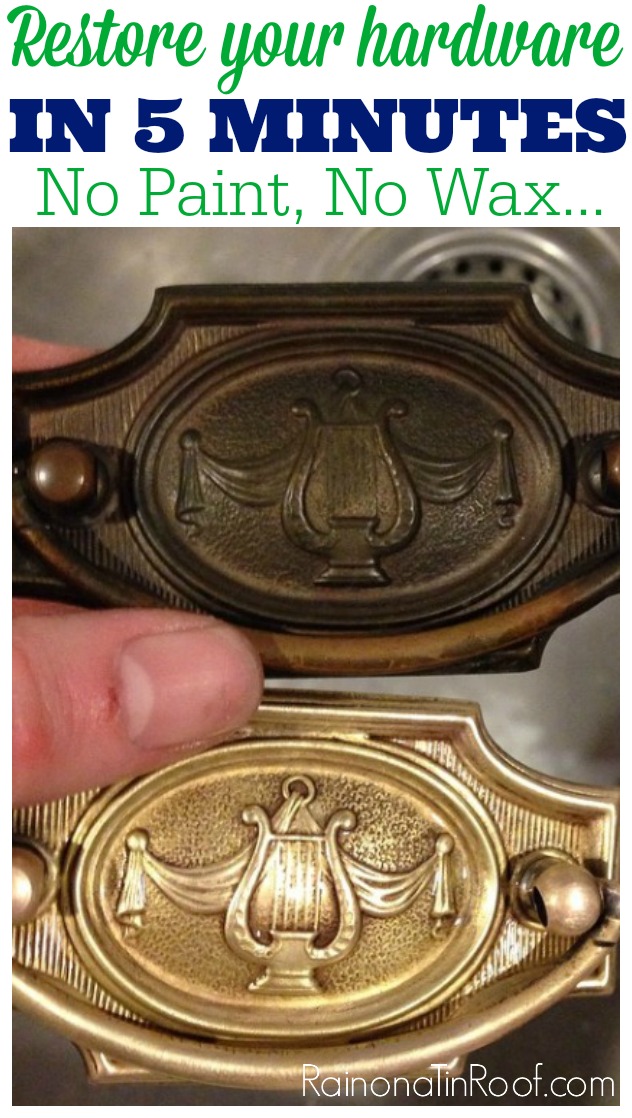
Old finishes block the brass from shining. Use a commercial brass stripper or make a homemade paste. A paste can be made with lemon juice and baking soda. Apply the stripper or paste with a soft cloth. Let it sit for a few minutes to soften the finish. Then wipe or gently scrub it off. Rinse and dry the pieces well. Stripping prepares the brass for polishing or painting.
Credit: rainonatinroof.com
Polishing Brass Hardware
Polishing brass hardware is a key step in refinishing cabinet handles and knobs. It brings back the original shine and enhances the overall look of your furniture. Clean brass looks fresh and bright, making your cabinets stand out.
Proper polishing removes tarnish and smooths the surface. This process needs the right polish and careful technique. The right approach protects the brass and avoids damage.
Choosing The Right Polish
Select a polish made specifically for brass. Some polishes work better on old or heavily tarnished pieces. Liquid or paste forms are common choices. Avoid abrasive cleaners that can scratch the surface.
Look for polishes that clean and protect. Products with natural ingredients often work well. Test a small area first to check the effect. This prevents any unwanted changes to the color or finish.
Techniques For A Smooth Shine
Start with clean, dry hardware. Use a soft cloth or microfiber pad. Apply polish in small amounts to avoid buildup. Rub gently in circular motions to lift tarnish.
Buff the brass with a clean cloth after polishing. This enhances the shine and removes residue. Repeat if needed but avoid over-polishing. Finish by wiping off any leftover polish for a clear, bright surface.
Applying Protective Coating
Applying a protective coating is an important step in refinishing brass cabinet hardware. This layer keeps the shine and stops the brass from tarnishing quickly. It also adds a strong finish that lasts longer and stays beautiful.
Choosing the right sealant and applying it carefully can make a big difference. A good coating protects your work and keeps the hardware looking new for years.
Types Of Sealants
Clear lacquer is a popular sealant for brass hardware. It dries fast and gives a shiny finish. It protects well against moisture and air.
Polyurethane offers strong protection. It works great for hardware that gets touched often. It can be glossy or matte.
Wax is an easy option. It gives a soft shine and protects from fingerprints. Wax needs reapplication over time.
Spray sealants provide an even coat. They are simple to use and dry quickly. Choose one made for metal surfaces.
Application Tips
Clean the brass thoroughly before applying any coating. Dust or oils can ruin the finish.
Use thin coats. Thick layers can drip or peel later. Let each coat dry fully.
Apply the sealant in a well-ventilated area to avoid fumes. Wear gloves to protect your hands.
Test the sealant on a small area first. This prevents surprises and ensures good results.
Allow the hardware to dry completely before reinstalling it. This keeps the coating intact and smooth.

Credit: www.thriftydecorchick.com
Alternative Finishing Options
Brass cabinet hardware can change the look of your furniture. Refinishing gives new life to old pieces. Besides polishing, alternative finishes add personality and style. These options let you customize brass hardware to fit your home decor. They also protect the metal and make it last longer.
Painting Brass Hardware
Painting is a simple way to refresh brass hardware. Start by cleaning the surface well. Use a primer made for metal to help paint stick. Choose spray paint or brush-on paint in your favorite color. Let each coat dry fully before adding another. Paint offers endless color choices and a smooth finish. It also hides scratches and dullness easily.
Using Patinas For Unique Effects
Patinas create special colors and textures on brass. These natural-looking finishes develop through chemical reactions. Apply patina solutions with a brush or cloth. Watch as colors shift from green to blue or brown. Patinas give a vintage or rustic feel to hardware. Seal the surface with clear wax or lacquer to keep the look.
Reinstalling Hardware
Reinstalling brass cabinet hardware is the final step in your refinishing project. It brings your cabinet’s look back to life. This process needs care to avoid damage and ensure the hardware fits perfectly.
Take your time and follow simple steps. This will help your cabinets look neat and last longer.
Prepare The Cabinet Surface
Clean the area where the hardware will go. Remove dust and old residue. Use a soft cloth and mild cleaner. Let the surface dry completely before installing the hardware.
Check The Screws And Holes
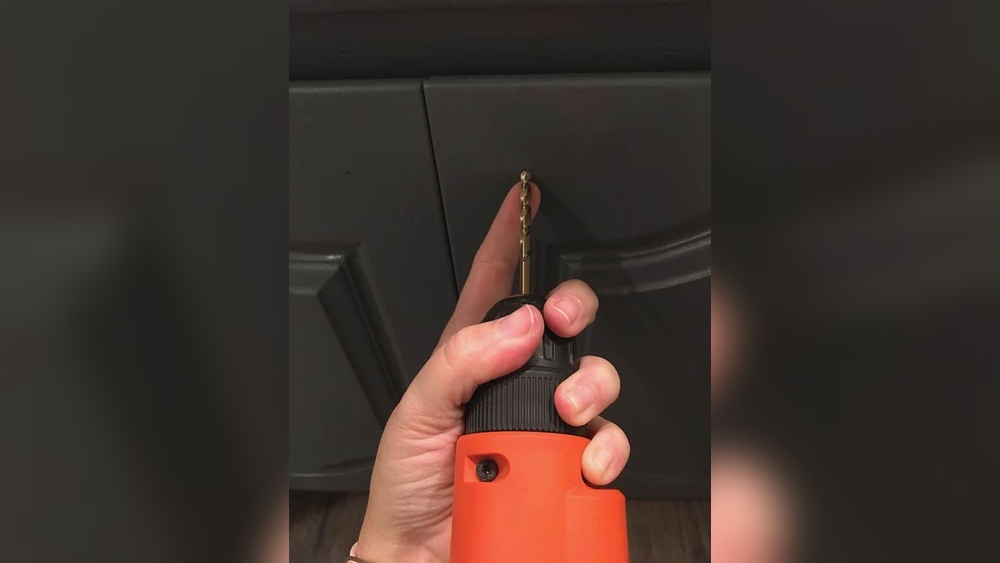
Inspect screws for rust or damage. Replace any old or bent screws. Check if holes in the cabinet match the hardware screws. Use a drill to adjust holes if needed. This helps the hardware sit tight and straight.
Align The Hardware Properly
Hold the hardware in place on the cabinet. Make sure it is straight and centered. Use a level if you have one. Mark the holes lightly with a pencil. This ensures the hardware is positioned correctly before screwing it in.
Tighten Screws Carefully
Insert screws into the holes by hand first. Then tighten them with a screwdriver. Avoid over-tightening to prevent stripping the screws or damaging the cabinet. The hardware should feel secure but not forced.
Final Inspection
Check the hardware for wobbling or looseness. Open and close cabinet doors to test the fit. Make small adjustments if needed. Clean any fingerprints or marks from the hardware.
Maintenance Tips For Lasting Shine
Maintaining the shine on brass cabinet hardware keeps it looking fresh and new. Regular care helps protect the finish and stops tarnish from forming. Simple steps can extend the life of your refinished brass pieces.
These tips make cleaning easy and prevent damage. Follow them to enjoy bright, beautiful hardware for years.
Cleaning With Mild Soap And Water
Use a soft cloth and mild soap to clean brass hardware. Avoid harsh chemicals that can dull the shine. Gently wipe the surface and dry it well to stop water spots.
Applying A Protective Wax Coating
After cleaning, apply a thin layer of clear wax. This creates a barrier against moisture and air. Use a soft cloth to rub the wax evenly and buff for a smooth finish.
Regular Dusting And Polishing
Dust brass hardware often with a dry, soft cloth. Polishing once a month keeps the shine bright. Use a polish made for brass and follow the product instructions carefully.
Avoiding Excess Moisture And Abrasives
Keep brass hardware dry to prevent tarnish. Do not use abrasive pads or cleaners. These can scratch and ruin the finish. Use gentle materials to protect the surface.
Handling With Clean Hands
Oils and dirt from hands can dull brass over time. Wash hands before touching the hardware. Wipe the hardware regularly to remove fingerprints and smudges.
Frequently Asked Questions
How Do You Prepare Brass Cabinet Hardware For Refinishing?
Start by removing the hardware from cabinets. Clean off dirt and grease with warm soapy water. Dry thoroughly before refinishing.
What Is The Best Method To Remove Old Finish On Brass?
Use fine steel wool or a brass cleaner to gently remove old finish. Avoid harsh abrasives that can damage the metal.
Can I Refinish Brass Hardware Without Professional Tools?
Yes, simple tools like steel wool, brass polish, and clear lacquer work well for DIY refinishing. No special tools needed.
How Do I Protect Brass Hardware After Refinishing?
Apply a clear lacquer or wax to prevent tarnishing. This seals the surface and keeps the shine longer.
Conclusion
Refinishing brass cabinet hardware can refresh any room’s look. Small steps make a big difference in the final result. Clean, sand, and apply finish carefully for the best outcome. Take your time and enjoy the process. Your cabinets will shine like new again.
Try this simple project to save money and add charm. A little effort brings a lot of style. Give your home a fresh, bright touch today.