If you’re working with Hardie Board, choosing the right fasteners can make all the difference. Using the wrong nails or screws could lead to cracks, warping, or even costly repairs down the line.
But don’t worry—this guide will help you pick the best fasteners to keep your Hardie Board secure and looking great for years. Keep reading to discover exactly what you need to know to get the job done right the first time.
Credit: www.lowes.com
Hardie Board Fastener Basics
Choosing the right fasteners for Hardie Board is crucial. Fasteners hold the siding firmly. They affect the durability and look of your wall. Using the wrong type can cause damage or poor performance. Understanding the basics helps you pick the best option.
Material Compatibility
Fasteners must match Hardie Board materials. Nails or screws made from soft metals can break or bend. Steel or stainless steel fasteners work well. They provide strong grip and support. Avoid using aluminum fasteners, as they may react with the siding.
Fastener Size And Length
Select fasteners that are the right size. Too short fasteners won’t hold the siding properly. Too long fasteners can cause splitting or damage. A length of 1.25 to 1.5 inches usually works best. The diameter should be enough to hold the board without cracking it.
Corrosion Resistance
Hardie Board is often exposed to weather. Fasteners must resist rust and corrosion. Stainless steel or coated fasteners protect against moisture. Galvanized fasteners are also a good choice. Using corrosion-resistant fasteners increases the siding’s life span.
Credit: www.homedepot.com
Nail Options For Hardie Board
Nails are key to fastening Hardie Board securely. Choosing the right nail helps avoid damage and ensures durability. Different nails offer various benefits depending on the environment and project needs.
Hardie Board needs nails that resist rust and hold tight. The wrong nails can cause panels to loosen or crack over time. Using proper nails helps maintain a neat, strong siding.
Galvanized Nails
Galvanized nails have a protective zinc coating. This coating prevents rust and corrosion. These nails work well in dry or mildly wet areas.
They are affordable and easy to find. Galvanized nails provide good strength for most siding tasks. Still, they may not last long in very wet or salty conditions.
Stainless Steel Nails
Stainless steel nails resist rust completely. They perform best in coastal or humid climates. These nails last longer and keep siding secure.
Stainless steel nails cost more than galvanized nails. They are a smart choice for long-term siding projects. Using these nails prevents staining on Hardie Board.
Head Types And Shapes
Nail head design affects how well nails hold siding. Flat heads spread pressure evenly to avoid damage. They are common for Hardie Board installation.
Cupped or ring-shank nails offer extra grip. These nails resist pulling out from wind or movement. Choose nail heads that match siding type and local codes.
Screw Choices For Hardie Board
Choosing the right screws for Hardie Board is very important. The screws must hold the board firmly. They also must resist rust and last long. Using the wrong screws can cause damage to the board or reduce its life.
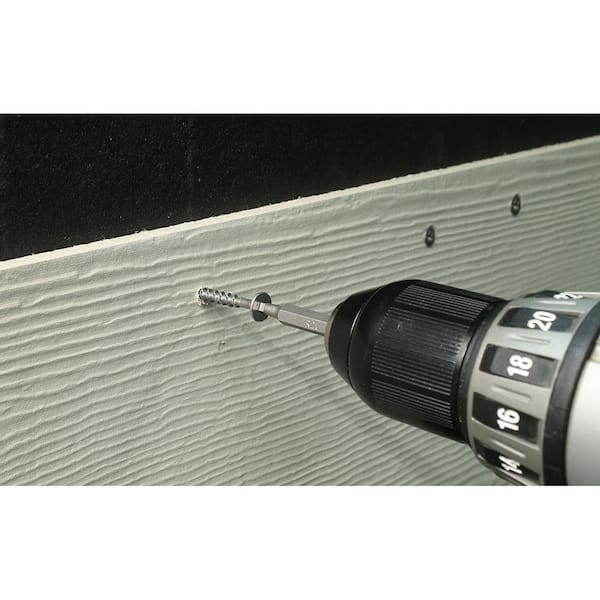
Hardie Board is made from fiber cement. This material is strong but needs special screws. These screws are made to work well with fiber cement. They help the board stay secure and stable.
Fiber Cement Screws
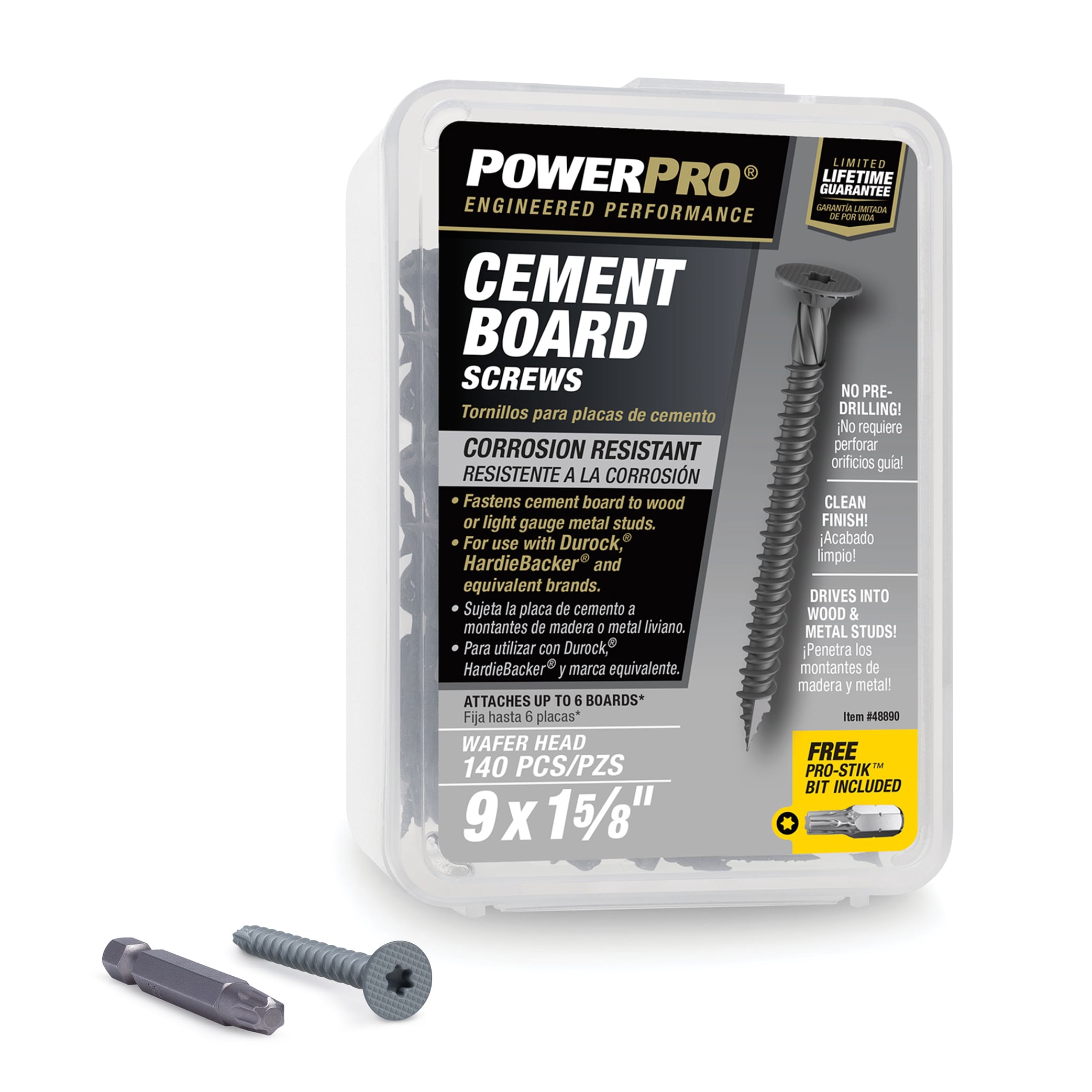
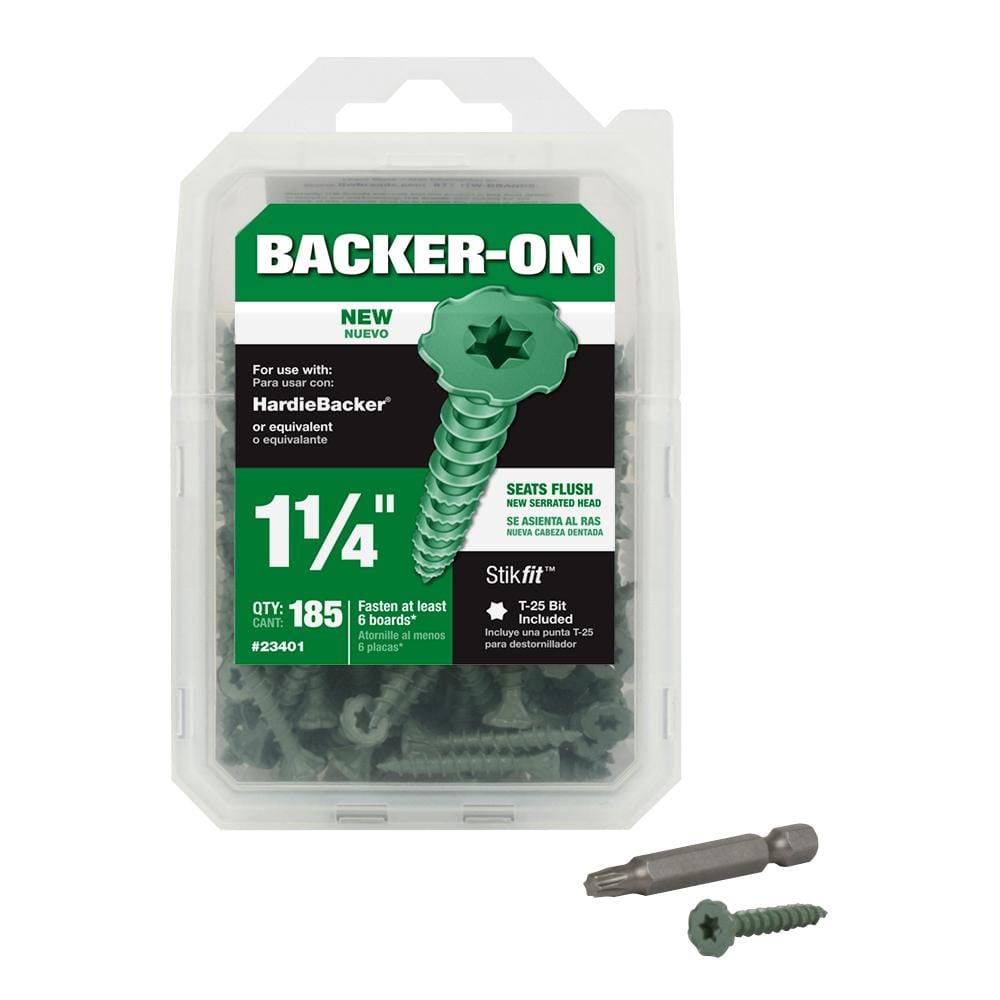
Fiber cement screws are designed for Hardie Board. They have sharp threads to grip the board tightly. These screws prevent cracking or breaking the board. They come in different sizes for various projects. Using fiber cement screws helps keep the board in place for years.
Self-drilling Screws
Self-drilling screws save time and effort. They do not need a pilot hole before installation. These screws have a drill-like tip that makes a hole while screwing. This feature makes the installation faster and easier. Self-drilling screws are strong and hold the board well.
Coating And Durability
Coating on screws protects them from rust and corrosion. Look for screws with a weather-resistant coating. These screws last longer outside in rain and sun. Stainless steel or galvanized screws work best. Durable screws keep the Hardie Board safe and secure for many years.
Fastener Placement Tips
Proper fastener placement is key to a strong and lasting Hardie Board installation. Correct positioning prevents damage and ensures the siding stays secure. Follow these tips to place fasteners in the right spots for best results.
Spacing Guidelines
Space fasteners evenly along each board. Place them about 16 inches apart on walls. On gable ends or soffits, reduce spacing to 8 inches for extra hold. Consistent spacing helps the siding resist wind and weather.
Edge Distance
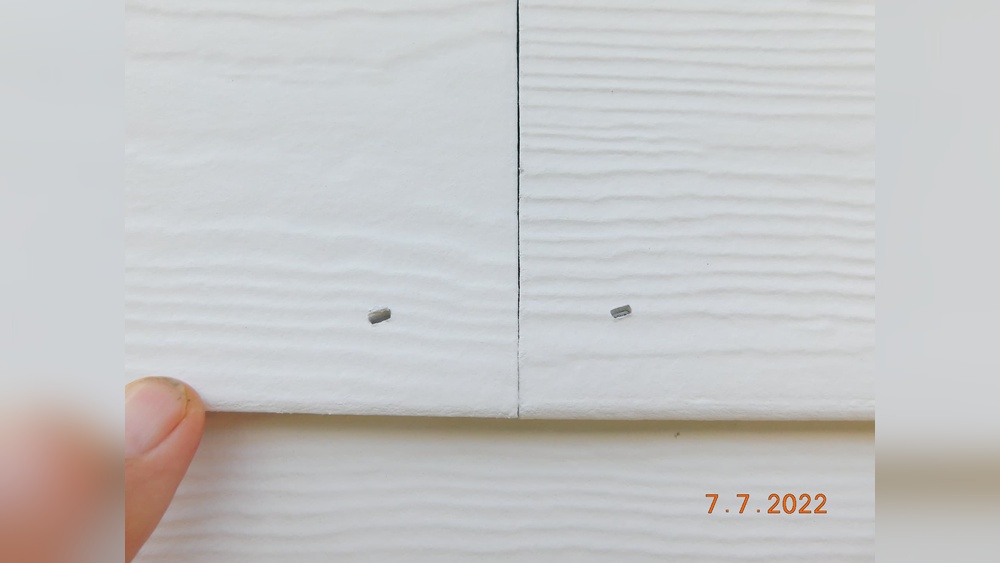
Keep fasteners at least 3/8 inch from the board edges. This prevents splitting or cracking of the Hardie Board. Avoid placing fasteners too close to corners or ends of the boards. Proper edge distance protects the siding’s integrity.
Avoiding Overdriving
Drive fasteners just below the surface without crushing the board. Overdriving can damage the siding and reduce its strength. Use a screw gun with adjustable torque for better control. Fasteners should hold tight but not deform the material.
Tools For Installing Fasteners
Choosing the right tools makes installing fasteners on Hardie Board easier and safer. Proper tools speed up the job and ensure strong, lasting results. Understanding the best tools helps avoid damage to the siding and keeps the installation neat.
Nail Guns Vs. Hand Nailing
Nail guns save time and reduce effort for many fasteners. They deliver nails quickly and with consistent force. Hand nailing offers more control on small or tight areas. It allows careful placement to avoid cracking the Hardie Board. Both methods work well, depending on the project size and detail.
Screwdrivers And Drills
Power drills are essential for driving screws into Hardie Board. Cordless drills offer good mobility and ease of use. Use the right drill bit to avoid stripping the screw heads. Manual screwdrivers help in delicate spots where a drill is too strong. Choose screwdrivers with comfortable grips for better control.
Safety Equipment
Safety gear protects you during the installation process. Wear safety glasses to shield your eyes from dust and debris. Use gloves to protect your hands from sharp edges and splinters. Ear protection is important when using power tools like nail guns or drills. A dust mask prevents inhaling harmful particles from the siding material.
Common Mistakes To Avoid
Choosing the right fasteners for Hardie Board is important. Many people make simple mistakes that cause problems later. Knowing what to avoid helps keep your siding strong and safe.
Using Incorrect Fasteners
Not all fasteners work with Hardie Board. Using nails or screws made of the wrong material can cause rust. Rust weakens the hold and damages the siding. Always pick corrosion-resistant fasteners like stainless steel or hot-dipped galvanized ones.
Poor Fastener Placement
Fasteners must go in the right spots. Placing them too close to edges can crack the board. Putting them too far apart makes the siding loose. Space fasteners evenly and avoid the edges to keep the board secure.
Ignoring Manufacturer Recommendations
Each brand gives advice on fasteners. Ignoring these rules risks your warranty and siding quality. Follow the size, type, and placement instructions from Hardie Board’s manufacturer. This ensures your siding lasts longer and stays safe.
Maintenance And Inspection
Proper maintenance and inspection help keep Hardie Board siding strong and safe. Checking the fasteners regularly prevents future problems. It ensures the siding stays firmly attached and looks good for years.
Checking For Corrosion
Metal fasteners can rust over time. Look closely at each fastener for signs of corrosion. Rust weakens the hold and can cause damage to the siding. Use a flashlight to inspect hidden areas. Early detection helps prevent costly repairs later.
Replacing Damaged Fasteners
Remove any fasteners that are bent, loose, or rusty. Replace them with corrosion-resistant screws made for Hardie Board. Stainless steel or coated screws work best. Tighten new fasteners just enough to hold the siding firmly. Avoid over-tightening to prevent damage.
Long-term Durability
Regular inspection extends the life of your siding. Using the right fasteners reduces wear and tear. Keep a maintenance schedule and check fasteners every year. This simple step protects your home and saves money over time.
Credit: www.homedepot.com
Frequently Asked Questions
What Fasteners Are Best For Hardie Board Siding?
Use corrosion-resistant screws or nails specifically made for fiber cement. Galvanized or stainless steel fasteners prevent rust and maintain siding integrity over time.
Can I Use Regular Nails With Hardie Board?
Regular nails are not recommended. They may corrode and damage the siding. Use corrosion-resistant nails or screws designed for fiber cement materials.
How Long Should Hardie Board Fasteners Be?
Fasteners should be at least 1. 5 inches long. This length ensures proper penetration into the framing for secure attachment without damaging the siding.
Should I Pre-drill Holes For Hardie Board Fasteners?
Yes, pre-drilling helps prevent siding cracks. It allows fasteners to go in smoothly and keeps the Hardie Board intact during installation.
Conclusion
Choosing the right fasteners helps keep Hardie Board strong and safe. Use corrosion-resistant nails or screws made for fiber cement. They hold the panels tightly and resist weather damage. Avoid cheap or wrong fasteners to prevent problems later. Proper fasteners also make installation easier and last longer.
Remember, good fasteners protect your home’s exterior and save money. Simple steps bring big benefits. Trust the right fasteners for a solid, lasting finish.