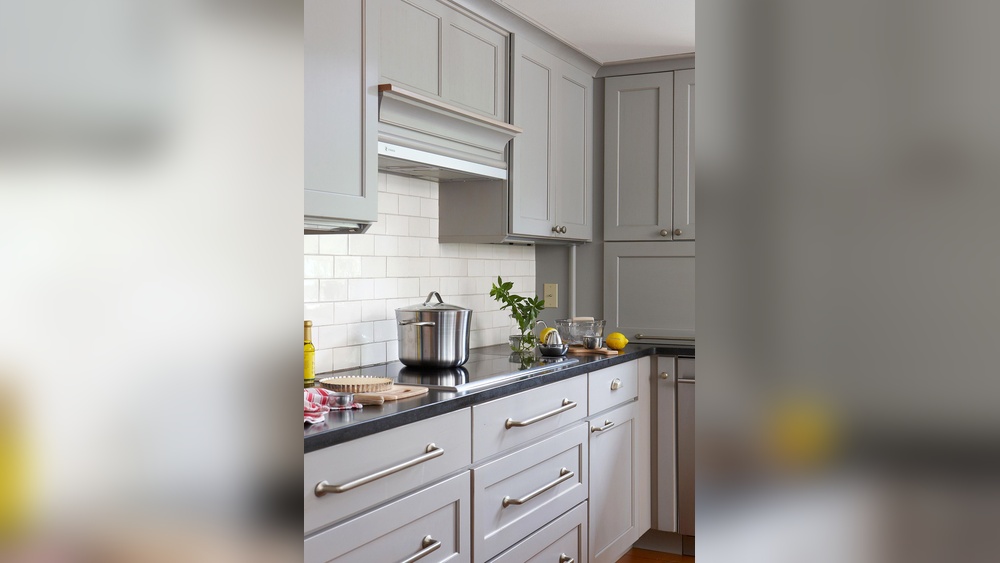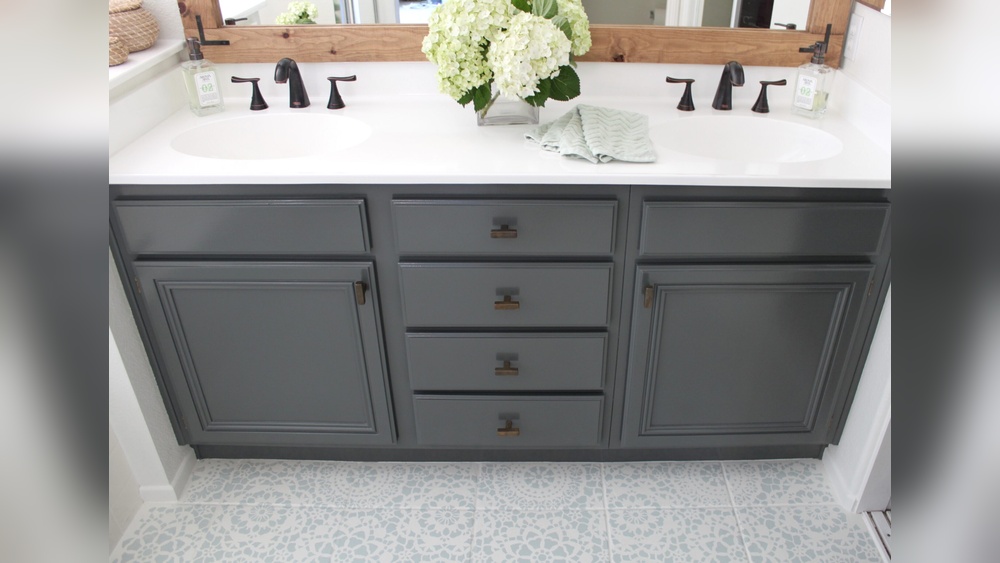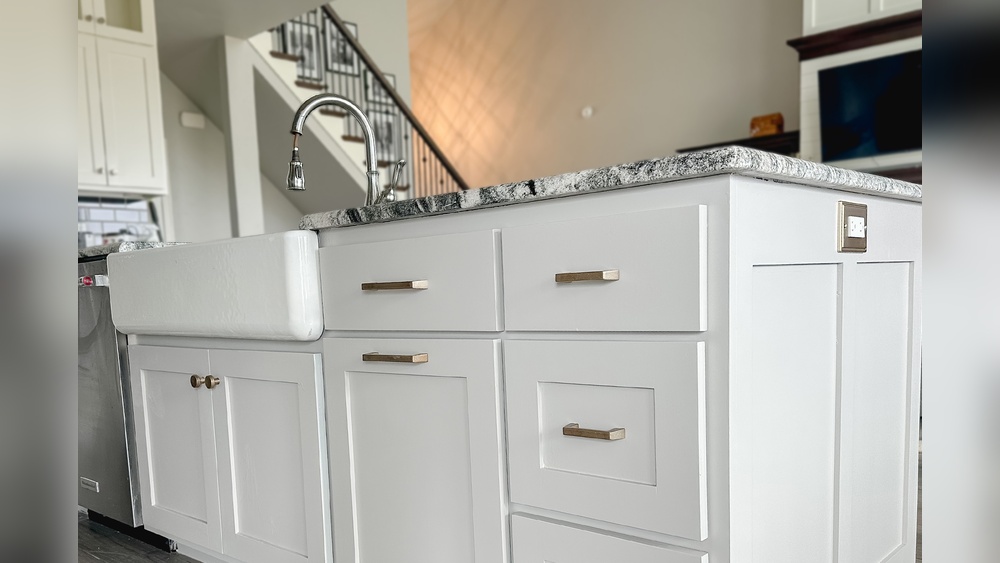
Are you thinking about giving your cabinet hardware a fresh new look without spending a lot of money? You might be wondering if acrylic paint is the right choice for this project.
Using acrylic paint on cabinet hardware can be a simple and effective way to update your space, but there are a few important things you need to know first. Keep reading, and you’ll discover the best tips and tricks to make your hardware look amazing and last longer.
Don’t start painting just yet—let’s explore how to get the best results!
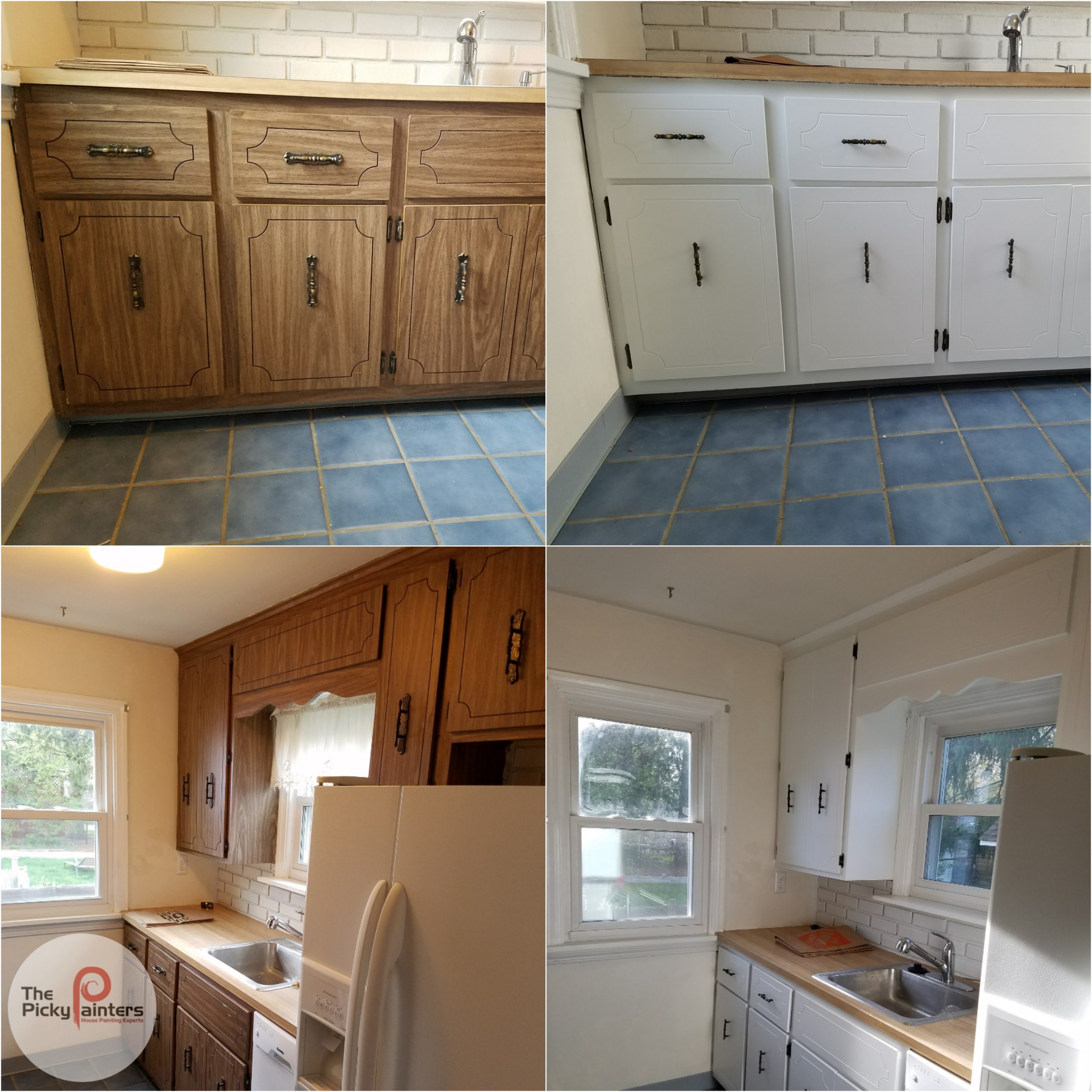
Credit: thepickypainters.com
Choosing The Right Acrylic Paint
Choosing the right acrylic paint matters a lot for cabinet hardware. The paint must stick well and last long. It should resist scratches and not peel off easily. Picking suitable paint helps keep your hardware looking fresh and new for a long time.
Types Of Acrylic Paints
Acrylic paints come in different forms. There are heavy body, fluid, and spray acrylics. Heavy body paints are thick and offer rich color. Fluid acrylics are thinner and flow easily. Spray acrylics provide an even coat without brush marks. Each type has its uses depending on your project needs.
Best Paints For Metal Surfaces
Metal surfaces need special acrylic paints made for adhesion. Look for paints labeled for metal or multi-surface use. These paints contain binders that stick well to smooth metals. Some have rust-resistant properties to protect hardware. Brands with durable finishes help resist chips and fading over time.
Preparing Cabinet Hardware
Preparing cabinet hardware is a key step before applying acrylic paint. Proper preparation helps the paint stick better and last longer. It also makes the finish look smooth and even. Skipping this step can cause peeling or chipping later on.
Start by cleaning the hardware thoroughly. Then, use sanding techniques to create a rough surface for the paint to hold. Both steps are simple but very important for a good result.
Cleaning And Removing Old Finish
Remove all dirt, grease, and dust from the hardware. Use warm soapy water and a soft brush. Rinse well and dry completely. If the hardware has old paint or finish, remove it with a paint stripper or sandpaper. This step helps the new paint stick better. Make sure no residue is left behind.
Sanding Techniques
Lightly sand the hardware using fine-grit sandpaper. Sanding creates a texture that helps paint adhere. Focus on all surfaces, including edges and corners. Wipe off dust with a clean cloth after sanding. Avoid sanding too hard to prevent damage. Proper sanding improves paint coverage and durability.
Priming The Hardware
Priming the hardware is a key step before painting cabinet hardware with acrylic paint. It helps the paint stick better and last longer. Without priming, the paint can peel or chip easily. Taking time to prime ensures a smooth, even finish that looks professional.
Priming also protects the hardware from rust and wear. It creates a strong base for the paint to bond with metal or plastic surfaces. This step makes your painted hardware more durable and resistant to daily use.
Why Priming Matters
Priming improves paint adhesion on cabinet hardware. It stops paint from peeling or flaking off. This step helps the paint dry evenly without blotches or streaks. Primers also prevent rust from forming under the paint. They protect metal hardware and extend its life. A good primer makes your paint job look smooth and last longer.
Best Primers For Acrylic Paint
Choose a primer made for metal or plastic surfaces. Spray primers are easy to apply on small hardware pieces. Look for primers labeled as “rust-inhibiting” for metal knobs and handles. A water-based primer works well with acrylic paint. Avoid oil-based primers as they may not bond well with acrylics. Apply a thin, even coat and let it dry fully before painting.
Painting Process
Painting cabinet hardware with acrylic paint is a smart way to refresh old knobs and handles. The process needs care to get smooth and lasting results. Preparing the surface and using the right technique matter a lot.
Understanding how to apply the paint and how long to wait between layers makes a big difference. This section explains key steps in the painting process, so your hardware looks great.
Brush Vs Spray Application
Choosing between a brush or spray affects the finish and ease. Brushes give control but may leave strokes. Sprays create smooth, even coats without marks.
Brushes work well for small details or tight spots. Sprays cover large or rounded surfaces fast. Spraying needs good ventilation and more prep to protect surrounding areas.
Layering And Drying Time
Applying thin layers helps avoid drips and uneven color. Multiple thin coats build a strong, lasting finish. Wait at least 20 to 30 minutes between layers.
Drying time depends on paint thickness and room temperature. Let hardware dry fully before handling or reinstalling. Patience leads to a professional look and longer wear.
Sealing And Protecting
Sealing and protecting painted cabinet hardware is key to long-lasting results. Acrylic paint alone can chip or wear off with use. A sealant adds a tough layer that guards the paint from scratches and moisture. It also keeps the color vibrant for years.
Proper sealing makes your painted hardware look fresh. It helps maintain the smooth finish and stops peeling. This step is simple but important for durability and beauty.
Choosing A Sealant
Select a sealant made for acrylic paint and metal surfaces. Clear acrylic spray sealants work well for cabinet hardware. They dry fast and give a smooth finish. Look for water-based options for easy cleanup and low odor.
Matte, satin, or gloss finishes are available. Pick one that matches your style. Matte looks soft and modern. Gloss shines and highlights colors. Satin offers a balance between the two.
Applying Clear Coat For Durability
Apply the clear coat in thin, even layers. Hold the spray about 6-8 inches from the hardware. Let each layer dry before adding the next. Two to three coats provide good protection.
Allow the hardware to cure fully before use. This can take up to 24 hours. The clear coat forms a hard shell that resists chips and water damage. Proper application ensures your cabinet hardware stays beautiful longer.
Troubleshooting Common Issues
Using acrylic paint on cabinet hardware can sometimes lead to issues. These problems may affect the look and durability of your finish. Knowing how to fix common problems helps keep your hardware looking fresh and new.
Paint Chipping And Peeling
Paint chipping happens when the surface is not clean or properly prepped. Dirt, grease, or oil can stop paint from sticking well. Light sanding before painting creates a rough surface for better grip. Applying a primer also helps paint stick and last longer.
Peeling can occur if the paint is too thick or applied in humid conditions. Thin coats dry better and avoid peeling. Let each layer dry fully before adding another coat. Using a clear sealant after painting protects the surface and prevents chipping.
Uneven Finish Solutions
An uneven finish shows as streaks, bubbles, or blotches. This problem usually comes from applying paint too quickly or with the wrong brush. Use a high-quality brush or foam applicator for smooth results. Paint in slow, even strokes to avoid marks.
Temperature and humidity affect drying times and finish quality. Paint in a cool, dry space for best results. If the finish is uneven after drying, lightly sand the surface and apply a new thin coat. Patience improves the look and feel of painted hardware.
Maintenance Tips For Painted Hardware
Keeping painted cabinet hardware looking fresh takes some care. Painted surfaces can chip or dull without proper maintenance. Small efforts keep the acrylic paint vibrant and protect your hardware.
Follow simple steps to clean and fix your painted knobs and pulls. This helps your kitchen or bathroom stay neat and stylish for longer.
Cleaning Without Damage
Use a soft cloth or sponge for cleaning. Avoid abrasive scrubbers that can scratch paint. Use mild soap mixed with warm water. Gently wipe the hardware surface to remove dirt and grease. Do not soak hardware in water. Dry immediately with a soft towel to prevent water spots. Avoid harsh chemicals or strong cleaners that strip paint. Clean regularly to stop buildup that dulls the finish.
Touch-up Techniques
Keep some leftover acrylic paint for touch-ups. Use a small brush to fix chips or scratches. Apply paint in thin layers for a smooth finish. Let each layer dry completely before adding more. For larger damage, lightly sand the area first. Repaint and seal with clear acrylic sealer for extra protection. Touch-ups keep hardware looking new and extend paint life.

Credit: penniesforafortune.com
Alternatives To Acrylic Paint
Choosing the right finish for cabinet hardware is important for durability and look. Acrylic paint is popular but not always the best choice. Some alternatives offer stronger protection and smoother results. These options can last longer and handle daily use better.
Powder Coating
Powder coating is a tough finish for metal surfaces. It uses dry powder heated to create a hard layer. This method resists chips, scratches, and rust well. Powder coating provides a smooth, even color without brush marks. It works best for metal hardware and lasts for years. The process requires special equipment and professional help.
Spray Paint Options
Spray paint offers quick and easy coverage for cabinet hardware. It comes in many colors and finishes like matte, glossy, and satin. Spray paint can reach small details and tight spaces. Proper surface cleaning and priming improve its adhesion. Look for spray paints made for metal for better durability. It dries fast and gives a smooth look without brush strokes.

Credit: dradrianschner.com.br
Frequently Asked Questions
Can Acrylic Paint Stick Well On Cabinet Hardware?
Yes, acrylic paint can adhere well to cabinet hardware if properly prepped. Clean and sand the surface first. Use a primer for better bonding and durability.
Is Acrylic Paint Durable For Cabinet Hardware Use?
Acrylic paint is moderately durable on cabinet hardware. Applying a clear sealer or topcoat enhances its resistance to wear and tear, ensuring longer-lasting results.
Do I Need To Prime Cabinet Hardware Before Painting?
Priming cabinet hardware before painting is recommended. Primer helps the acrylic paint stick better and prevents chipping, improving the overall finish and longevity.
Can I Paint Metal Cabinet Hardware With Acrylic Paint?
Yes, acrylic paint works on metal hardware when prepped properly. Clean, sand, and prime the metal surface to ensure good paint adhesion and durability.
Conclusion
Acrylic paint works well on cabinet hardware with proper preparation. Clean and sand the surface to help the paint stick. Choose a good primer and apply thin coats for the best results. Let each layer dry fully before adding the next.
This method can refresh old hardware without buying new pieces. Small projects like this save money and add a personal touch. Try it yourself and see how simple changes brighten your space. Painting cabinet hardware is an easy way to update your home.