Are you struggling to install cabinet hardware perfectly every time? Using a cabinet hardware template can make this task much easier and faster.
But where do you find the best tips and tricks to get it right? YouTube offers step-by-step videos that show exactly how to use these templates like a pro. You’ll discover how to use a cabinet hardware template from YouTube tutorials to save time, avoid mistakes, and achieve flawless results.
Keep reading—you’re just a few simple steps away from upgrading your cabinets with confidence!
Choosing The Right Cabinet Hardware Template
Selecting the right cabinet hardware template is key for a smooth installation. The template guides where to drill holes for knobs or handles.
Using the correct template saves time and prevents mistakes. It helps keep hardware aligned and looks neat.
This section explains how to pick the best template for your cabinets. It covers types, materials, and matching styles.
Types Of Templates Available
Templates come in many shapes and sizes. Some fit specific handle types like knobs or pulls.
Adjustable templates allow you to change hole spacing. This works well for different hardware sizes.
Some templates have marks for common hole distances. These help quickly place hardware without measuring.
Materials And Durability
Most templates are made from plastic, metal, or wood. Plastic is lightweight and easy to use.
Metal templates last longer and resist bending. They give accurate hole placement every time.
Wood templates may wear down faster but are easy to make at home. Choose a material that suits your needs.
Matching Templates To Cabinet Style
Cabinet styles vary from modern to traditional. Match your template to the hardware style you want.
For sleek, modern cabinets, use templates for straight, clean lines. For classic cabinets, templates with decorative hole patterns work well.
Consider the cabinet door size and thickness. This helps ensure the hardware fits and looks balanced.
Essential Tools For Installation
Installing cabinet hardware can be easier with the right tools. These tools help you place handles and knobs correctly. Using a cabinet hardware template video from YouTube shows how to use these tools well. Knowing what to have before you start saves time and avoids mistakes.
Basic Tools Required
A drill or screwdriver is essential for attaching hardware. A tape measure helps mark exact spots. A pencil is needed for drawing guide points. A level ensures the hardware is straight on the cabinet. These tools make sure your hardware fits perfectly.
Optional Accessories For Precision
A cabinet hardware template gives precise hole positions. It helps avoid uneven placements. Clamps hold the template steady while drilling. A center punch can mark drilling spots to stop the drill from slipping. These accessories improve accuracy and save effort.
Safety Equipment
Safety glasses protect your eyes from dust and debris. Work gloves keep your hands safe from sharp edges. Hearing protection is useful if using a loud drill. Wearing proper safety gear prevents injuries during installation.
Preparing Your Cabinet For Hardware
Preparing your cabinet for hardware is an important step before installation. It helps the hardware fit well and look good. Taking time to prepare your cabinet saves effort later. Clean surfaces and accurate measurements make the process smooth. Follow these simple steps to get your cabinet ready.
Cleaning And Measuring
Start by cleaning the cabinet surface. Remove dust, grease, and dirt. Use a soft cloth and mild cleaner. Dry the surface fully before measuring. Measure the cabinet door or drawer carefully. Use a tape measure for accuracy. Note the width and height clearly. Precise measurements prevent mistakes in hardware placement.
Marking Drill Points
Use a pencil to mark drill points on the cabinet. Place the cabinet hardware template on the surface. Align it according to your measurements. Mark the exact spots where screws will go. Double-check these points to avoid errors. Clear marks help when drilling holes.
Ensuring Proper Alignment
Check that drill points line up evenly on the cabinet. Use a level tool or ruler for straightness. Uneven hardware can spoil the cabinet’s look. Adjust marks if needed to get perfect alignment. Correct placement ensures handles and knobs function well.
Step-by-step Template Usage
Using a cabinet hardware template makes installing handles and knobs simple. Follow each step carefully for the best results. This guide breaks down the process into clear actions.
Positioning The Template
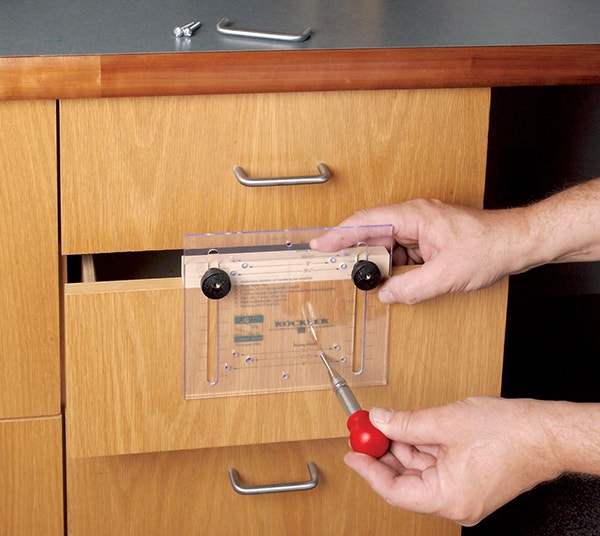
Place the template on the cabinet door or drawer front. Align it with the edge or center, based on your hardware style. Check the measurements twice to avoid mistakes. Hold the template steady before moving on.
Clamping And Securing
Use clamps to hold the template firmly in place. Make sure the clamps do not block drill holes. Tighten them enough to prevent movement. A secure template ensures accurate drilling and cleaner results.
Drilling Guide Holes
Select a drill bit that fits your hardware screws. Drill straight through the guide holes on the template. Keep the drill steady and apply gentle pressure. Remove the template after drilling to check hole placement.
Installing Cabinet Hardware
Installing cabinet hardware can change the look of your kitchen or bathroom fast. It also makes your cabinets easier to use. Using a cabinet hardware template from YouTube videos helps you place handles and knobs correctly. This step-by-step guide simplifies the process. Follow it to install hardware with confidence and precision.
Choosing The Right Screws
Pick screws that fit your cabinet hardware perfectly. Check the length to avoid drilling too deep or too shallow. Use screws made of metal that won’t rust over time. Ensure the screw diameter matches the hole in the handle or knob. Using the right screws keeps hardware secure and long-lasting.
Attaching Handles And Knobs
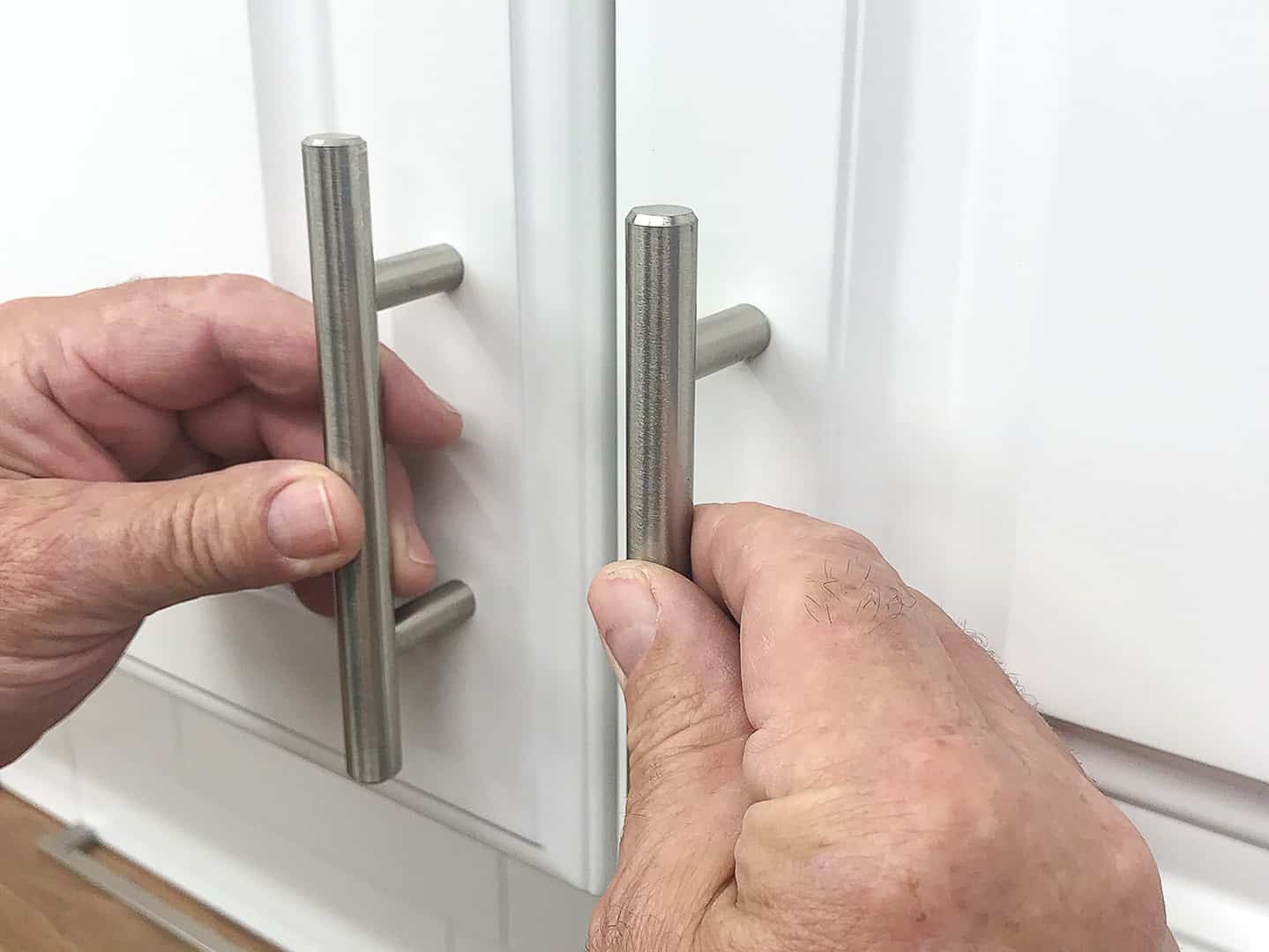
Hold the hardware in place on the cabinet door or drawer. Use the template to mark exact spots for screws. Drill small pilot holes to prevent wood from splitting. Insert screws through the back of the door or drawer. Tighten screws gently to avoid stripping or damaging the wood.
Checking For Stability
Test each handle and knob by pulling it gently. Make sure nothing wiggles or feels loose. Tighten any screws that seem loose. Hardware should feel solid and easy to use. Proper stability ensures safety and a polished look.
Credit: truepositiontools.com
Tips For Flawless Hardware Installation
Installing cabinet hardware can feel tricky. Small mistakes cause big problems. Using a cabinet hardware template from YouTube videos helps. It guides exact hole placement and spacing. Follow some simple tips for perfect results every time.
Avoiding Common Mistakes
Start by checking the template size matches your hardware. Measure twice before drilling any holes. Mark the cabinet surface lightly with a pencil. Use clamps to hold the template steady during drilling. Slow and steady drilling prevents slips and misaligned holes.
Adjusting Misaligned Hardware
Sometimes holes aren’t perfect. Don’t panic. Fill small mistakes with wood filler. Let it dry fully, then sand smooth. Drill new holes carefully using the template again. Test hardware fit before final tightening. Minor shifts can fix alignment problems.
Maintaining Template Accuracy
Keep your template clean and undamaged. Wipe it after each use to remove dust and debris. Store flat to avoid bends or warps. Use the same drill bit size as the template holes. Consistency ensures the template stays reliable over time.
Using Youtube Tutorials Effectively
Using YouTube tutorials can make cabinet hardware installation easier. Videos show the process clearly. They help you see each step. This makes it simple to follow along and avoid mistakes. The key is to choose the right videos and use them well.
Finding Reliable Videos
Search for videos with high views and good ratings. Check the comments to see if viewers found the video helpful. Choose tutorials from channels that focus on home improvement or woodworking. Reliable videos use clear instructions and good visuals. Avoid videos that are too short or unclear.
Following Along Step-by-step
Pause the video after each step. Try to do the same action before moving on. Rewind if you miss something important. Use a notepad to write down key points. This helps you remember what to do next. Working slowly reduces errors and builds confidence.
Learning From Expert Tips
Experts share advice that saves time and effort. Watch for tips on measuring and drilling holes accurately. Note suggestions on choosing the right tools. Experts often explain common mistakes to avoid. Use these tips to improve your skills and results.

Credit: www.youtube.com
Credit: www.rockler.com
Frequently Asked Questions
What Is A Cabinet Hardware Template Used For?
A cabinet hardware template helps accurately mark drill holes for handles and knobs. It ensures consistent placement and alignment. This tool saves time and avoids measurement errors during installation. Templates come in various sizes to fit different cabinet designs.
How Do I Use A Cabinet Hardware Template On Youtube?
Search for specific tutorial videos on YouTube using keywords like “cabinet hardware template tutorial. ” Follow step-by-step visual instructions for marking and drilling holes. Videos often provide tips for better accuracy and tool handling. Watching tutorials helps beginners understand the process clearly.
Can Cabinet Hardware Templates Fit All Cabinet Types?
Most templates are adjustable to fit standard cabinet door and drawer sizes. However, some templates are designed for specific hardware types or spacing. Always check the template’s compatibility with your hardware and cabinet before use to ensure a perfect fit.
What Tools Do I Need With A Cabinet Hardware Template?
Along with the template, you need a pencil for marking, a drill, and the correct drill bit size. A level and measuring tape can help verify alignment. Using the right tools ensures precise hole placement and smooth hardware installation.
Conclusion
Using a cabinet hardware template on YouTube saves time and reduces mistakes. The videos show clear steps anyone can follow. Templates help you place handles and knobs evenly. Watching tutorials makes the process easier and less confusing. Try different templates to find what fits your cabinets best.
Practice a little, and you will feel confident. Small tools and simple guides make a big difference. Start your project with a clear plan and enjoy the results.