
Choosing the right drill bit size for your cabinet hardware isn’t just a small detail—it’s the key to a flawless installation. If you’ve ever struggled with loose knobs or pulled handles that damage your cabinet doors, you know how frustrating it can be.
You want your new hardware to look perfect and stay secure for years, right? That’s why knowing exactly what size bit to use before you start drilling can save you time, money, and a lot of headaches. You’ll discover simple tips and proven techniques to pick the perfect drill bit size for cabinet knobs, pulls, and hinges—so your project turns out professional every time.
Ready to get it right the first time? Let’s dive in!

Credit: blog.topknobs.com
Choosing The Right Bit Size
Picking the correct drill bit size is key for cabinet hardware installation. The right size ensures a strong hold and prevents wood damage. Using too large or too small a bit can cause loose screws or split wood.
Understanding bit sizes and matching them to screws helps you achieve a professional look. This section guides you through common sizes and simple rules to pick the right bit for your cabinet pulls and knobs.
Common Bit Sizes For Cabinet Hardware
Most cabinet hardware uses drill bits ranging from 3/32 inch to 1/4 inch. The common sizes include 3/32”, 1/8”, 5/32”, and 3/16”. These sizes fit most screws used in knobs and pulls.
Smaller bits work well for thin screws and delicate wood. Larger bits are needed for thicker screws and heavy-duty pulls. Keep a set of these bits handy for various projects.
Matching Bit Size To Screw Diameter
Measure the screw shaft, not the head, for the correct bit size. The drill bit should match the screw’s core diameter to allow easy threading. This prevents wood from splitting and ensures a tight fit.
Use a drill bit slightly smaller than the screw’s outer diameter. This lets the screw bite into the wood firmly. Avoid bits that are too big or equal to the screw diameter.
Using The One Third Rule For Pulls
The one third rule helps pick pull size for drawers and cabinets. The pull length should be about one third of the drawer front width. This rule keeps hardware proportional and easy to use.
Drill pilot holes based on this size, using bits that fit the screws well. Correct bit size keeps pulls stable and reduces wear over time. This simple rule improves both look and function.

Credit: www.amazon.com
Types Of Drill Bits For Cabinets
Choosing the right drill bit is key for cabinet hardware installation. Different bits create different hole types. Each bit suits a specific task. Understanding these types helps you work faster and cleaner. It also prevents damage to the cabinet material. Below are common drill bits for cabinets.
Brad Point Bits For Clean Holes
Brad point bits have sharp tips that stay in place while drilling. They create precise holes with smooth edges. These bits reduce splintering on wood surfaces. They work well for cabinet doors and drawer fronts. Use brad point bits for accurate, clean holes.
Spade Bits For Larger Holes
Spade bits have flat blades with pointed tips. They drill wide holes quickly and efficiently. These bits are great for running wires or pipes behind cabinets. Spade bits work best in soft woods and plywood. They are not ideal for fine detail work.
Step Bits For Adjustable Sizes
Step bits have a cone shape with multiple diameter steps. They let you drill different hole sizes with one bit. Step bits cut clean holes in thin materials like cabinet panels. They offer control for enlarging existing holes. Use step bits for versatile drilling needs.
Preparing To Drill
Preparing to drill is the first step in installing cabinet hardware correctly. This process helps avoid mistakes that can damage your cabinets. Careful preparation ensures clean holes and a professional look. Follow these simple steps to get ready for drilling.
Testing Bit Fit On Scrap Wood
Always test the drill bit on scrap wood before working on cabinets. This practice checks if the bit size matches the hardware screws. It also shows how clean the hole will be. Adjust the bit size if the hole is too tight or too loose. Testing prevents costly errors on your actual cabinet doors or drawers.
Applying Painter’s Tape To Prevent Splintering
Place painter’s tape over the drilling spot on the cabinet surface. The tape holds wood fibers in place and reduces splintering. Drill through the tape for a smoother hole edge. Remove the tape carefully after drilling. This simple trick keeps your cabinet finish neat and intact.
Marking Hole Placement Accurately
Use a ruler or measuring tape to mark exact hole positions. Measure twice to be sure the hardware will align properly. Mark the spots lightly with a pencil. Avoid large or deep marks that can show later. Accurate marking helps place knobs and pulls evenly on cabinet doors and drawers.
Drilling Techniques
Drilling cabinet hardware requires skill and the right technique. Proper drilling ensures your knobs and pulls fit well. Mistakes can damage your cabinet or cause misaligned hardware. Using correct drilling techniques helps achieve clean, accurate holes. These tips improve your installation and keep your cabinets looking great.
Drilling From Front To Back
Start drilling from the front side of the cabinet door or drawer. This helps prevent splintering or chipping on the visible surface. Use a sharp drill bit to make a clean entry hole. Drill slowly and steadily to maintain control. Stopping just before the bit exits reduces tear-out on the backside. Finish the hole from the back to ensure a smooth exit.
Maintaining Steady Pressure
Apply consistent pressure while drilling. Too much force can crack the wood or damage the drill bit. Too little pressure causes the bit to wander or overheat. Hold the drill firmly and keep it straight. Let the drill bit do the cutting. Slow, steady pressure produces clean holes and extends bit life.
Using A Hardware Jig For Precision
A hardware jig helps align holes for knobs and pulls perfectly. It keeps drill holes consistent across multiple cabinets. Using a jig saves time and reduces errors. Place the jig on the cabinet surface and clamp it tightly. Drill through the guide holes for exact placement. This tool is essential for professional-looking results.
Avoiding Common Mistakes
Having the right tools and accessories makes installing cabinet hardware easier and more precise. Choosing the correct drill bit size is important, but using the proper accessories also helps achieve clean, accurate holes. These tools reduce mistakes and save time during your project.
Cabinet Hardware Jigs
Cabinet hardware jigs guide drill placement for uniform holes. They hold the drill steady and mark exact spots. Jigs fit many pull and knob sizes to keep holes aligned. Using a jig prevents uneven or crooked screw holes. This tool is especially helpful for beginners and large projects.
Choosing Sharp Drill Bits
Sharp drill bits create clean holes without splintering wood. Dull bits cause rough edges and may damage the cabinet surface. Use high-quality bits made for wood or metal screws. Replace bits if they show signs of wear. Sharp bits make drilling faster and reduce effort.
Using Drill Guides And Templates
Drill guides and templates help maintain consistent hole size and position. They support the drill and control depth to avoid overdrilling. Templates are available for common hardware styles and hole spacing. Using these tools results in professional-looking installations with less guesswork.
Special Considerations For Hinges
Measuring and spacing hardware on cabinets is key to a neat look. Correct placement helps your cabinets appear balanced and professional. This process requires careful attention to detail and some simple tools. Follow these tips to measure and space your cabinet pulls and knobs accurately.
Centering Pulls And Knobs
Start by finding the center of the cabinet door or drawer. Use a tape measure or ruler to mark the exact middle point. Place the pull or knob over this mark to check the fit. This step ensures the hardware looks centered and aligned. Mark the screw holes with a pencil before drilling to avoid mistakes.
Using Pulls As Spacing Templates
Pulls can serve as handy templates for spacing. Hold the pull against the cabinet surface where you want to install it. Use the screw hole distance as a guide for drilling. This avoids measuring errors and speeds up the process. Test the pull’s fit on the cabinet before drilling all holes.
Consistent Spacing Across Cabinets
Keep spacing uniform across all cabinet doors and drawers. Use a spacer or ruler to measure the same distance from edges. Mark each drill point consistently for a professional look. Consistent spacing improves the overall appearance and makes installation easier. Double-check your marks before drilling holes.
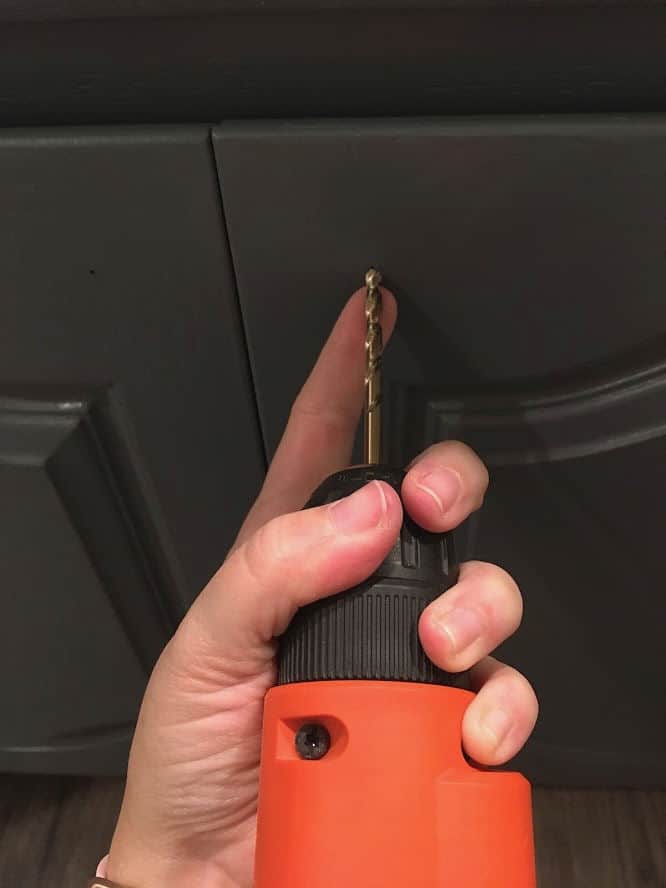
Credit: thepalettemuse.com
Frequently Asked Questions
What Size Drill Bit Do I Use For Cabinet Hardware?
Use a 3/16-inch drill bit for most cabinet hardware holes. Test on scrap wood for a perfect fit before drilling.
What Is The 1/3 Rule For Cabinet Hardware?
The 1/3 rule for cabinet hardware means the pull length should be one-third the drawer or door width. This ensures balanced, proportional hardware placement.
What Drill Bit For Cabinet Screws?
Use a drill bit slightly smaller than the screw’s diameter for cabinet screws. Common sizes are 7/64″ to 1/8″. Test on scrap wood first to ensure a snug fit without splitting.
What Size Bit For Cabinet Hinges?
Use a 35mm drill bit for cabinet hinges, especially for cup-style concealed hinges. This size ensures a proper fit and secure installation.
Conclusion
Choosing the right drill bit size ensures a smooth cabinet hardware installation. A 3/16-inch bit works well for most screws. Always test on scrap wood first to avoid mistakes. Use painter’s tape to protect the cabinet surface while drilling. Drill carefully from the front to prevent splintering.
Proper bit size saves time and prevents damage. This simple step makes your project easier and your cabinets look great.


