Have you ever wondered what keeps your clothes securely in place or how your favorite bag stays closed without slipping? The secret lies in fastenings—small but powerful components that make a big difference in textiles.
Understanding fastenings can change the way you choose, use, and even care for your garments and accessories. You’ll discover what fastenings are, why they matter, and how they impact your everyday life. Keep reading to unlock the simple yet essential world of textile fastenings and see your wardrobe in a whole new light.
Credit: www.velcro.com
Fastenings In Textiles
Fastenings in textiles are small parts that help close or hold clothes. They keep garments secure and fit well. These tiny elements play a big role in how clothes look and function. From buttons to zippers, fastenings add style and ease to dressing.
Role In Garment Construction
Fastenings join different parts of a garment. They allow clothes to open and close easily. Fastenings help adjust the fit of clothing. They also add design features that enhance the garment’s look. Without fastenings, many clothes would not stay in place.
Materials Used
Fastenings are made from many materials. Common ones include metal, plastic, and wood. Metal fastenings are strong and durable. Plastic fastenings are lightweight and come in many colors. Wood fastenings give a natural, rustic look. Fabric and thread also help make some fastenings.
Common Types Of Fastenings
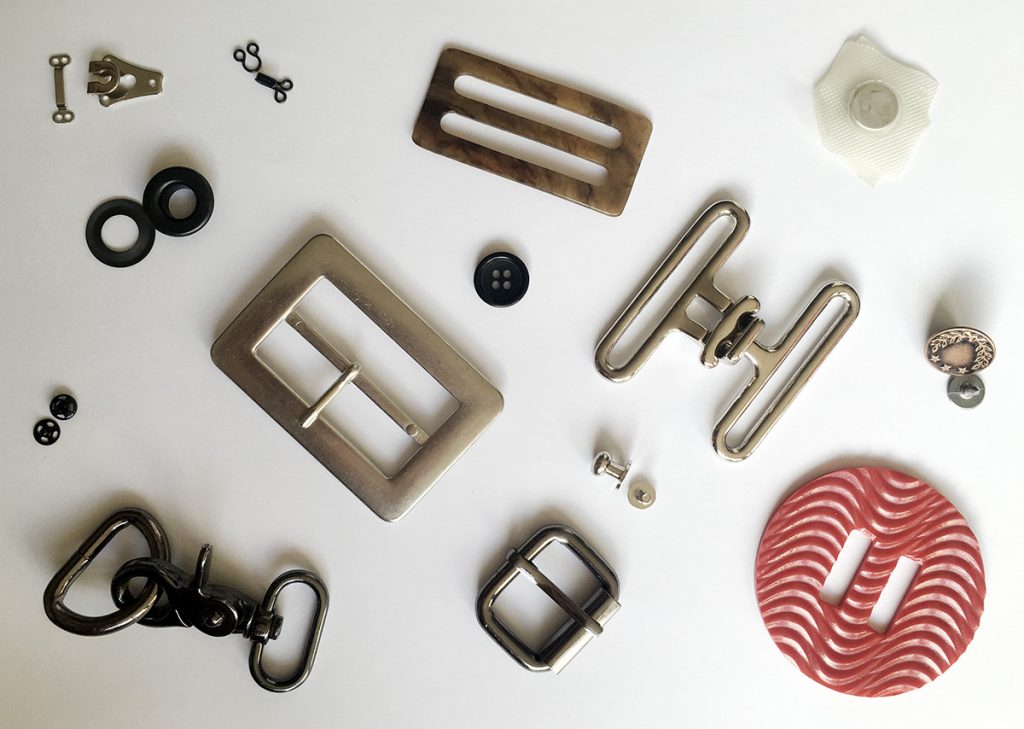
Fastenings hold fabrics together. They help clothes fit well and stay secure. Many types of fastenings exist. Each one serves different needs and styles. Knowing common types helps in choosing the right one for your project.
Buttons And Buttonholes
Buttons are small discs sewn onto fabric. Buttonholes are slits that hold buttons. This classic fastening is strong and decorative. It suits shirts, coats, and pants. Buttons come in many shapes, sizes, and materials.
Zippers
Zippers have two rows of metal or plastic teeth. A slider joins or separates these teeth. Zippers close garments quickly and tightly. They work well on jackets, dresses, and bags. Zippers can be invisible or visible.
Snaps And Press Studs
Snaps are two metal or plastic discs that click together. Press studs are similar but softer and smaller. These fastenings open and close fast. They appear on baby clothes, sportswear, and accessories. Snaps are easy to use.
Hooks And Eyes
Hooks and eyes are tiny metal fasteners. The hook catches the eye to close fabric edges. They offer discreet fastening on dresses and skirts. Hooks and eyes are strong and simple. They help garments fit snugly.
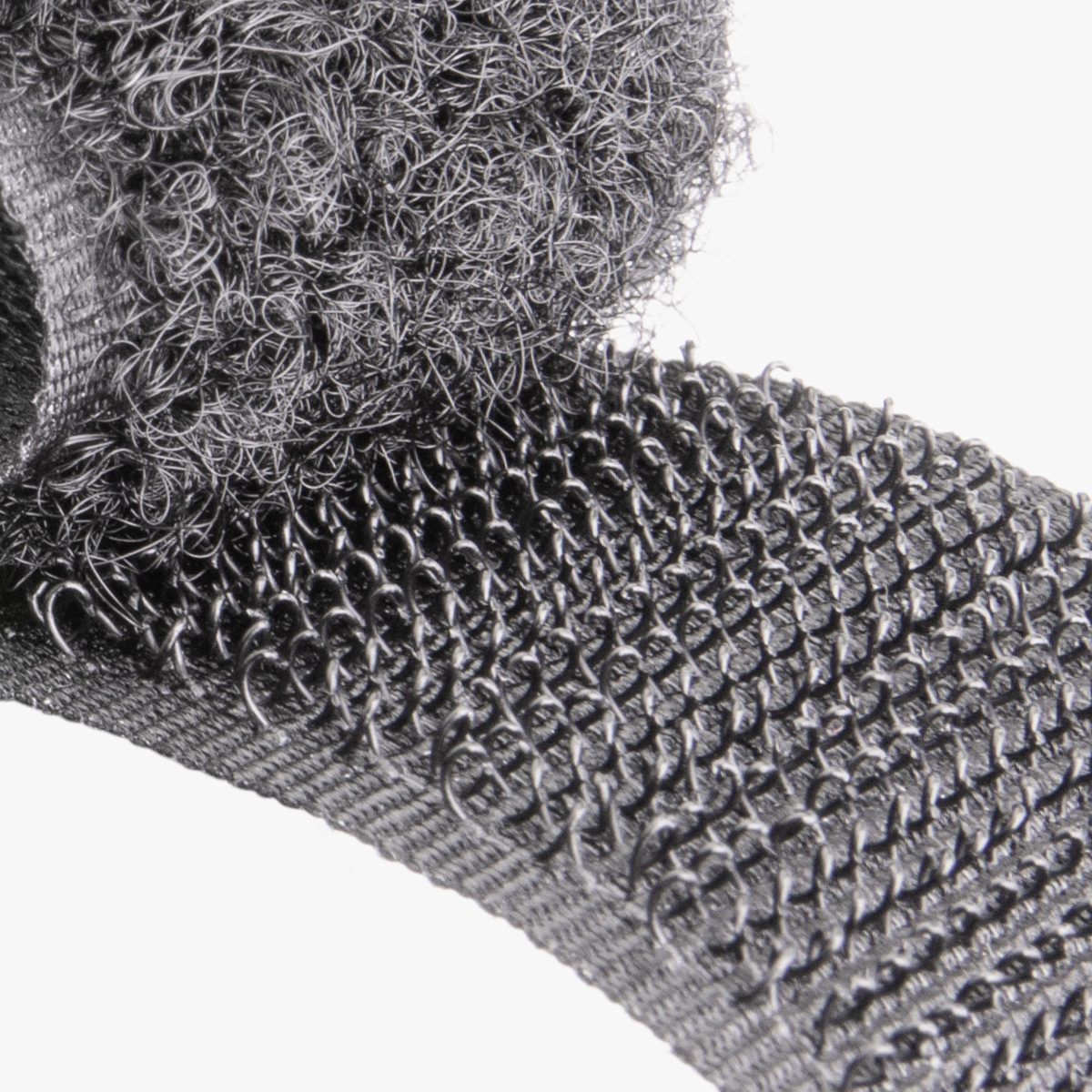
Velcro
Velcro has two strips: one rough, one soft. Pressing them together sticks firmly. Velcro is quick and adjustable. It suits shoes, bags, and kids’ clothes. Velcro is easy to use and reusable.
Toggles And Loops
Toggles are long buttons that fit into loops. Loops are fabric or cord rings. This fastening looks stylish and holds well. Toggles appear on coats and sweaters. They add a rustic or casual touch.
Drawstrings And Ties
Drawstrings are cords threaded through fabric hems. Pulling them tightens the garment. Ties are ribbons or strips knotted for closure. Both fastenings allow adjustable fit. They are common in hoodies, pants, and dresses.
Choosing The Right Fastening
Choosing the right fastening is important for any textile project. Fastenings hold fabric parts together securely. Picking the best one improves comfort and durability. It also affects how the garment looks and works.
Based On Fabric Type
Different fabrics need different fastenings. Thick fabrics like denim suit strong buttons or metal snaps. Light fabrics like silk work well with small hooks or delicate zippers. Stretchy fabrics need flexible fastenings that move with the cloth. Matching the fastening to fabric type prevents damage and wear.
Considering Garment Function
Fastenings must match the garment’s purpose. Sportswear needs fastenings that stay secure during movement. Kids’ clothes require easy-to-use fastenings for quick dressing. Formal wear often uses hidden fastenings for a clean look. Choosing the right type helps the garment serve its function well.
Aesthetic Impact
Fastenings also affect the garment’s style. Large buttons can add a bold look. Small hooks give a sleek finish. Color and material of fastenings can complement or contrast the fabric. Thoughtful choices improve the overall design and appeal.

Credit: study.com
Innovations In Fastenings
Fastenings in textiles have evolved greatly. New designs focus on ease and function. These innovations improve user experience and textile durability. Let’s explore some key advances in fastenings.
Magnetic Fasteners
Magnetic fasteners use small magnets to hold fabric together. They are easy to open and close. No need for buttons or zippers. These fasteners work well for people with limited hand strength. They offer a smooth and clean look. Magnetic fasteners also reduce wear on fabric edges.
Eco-friendly Options
Eco-friendly fastenings use materials that are safe for the earth. Bamboo buttons and recycled metal snaps are popular choices. These options reduce plastic waste and pollution. They are strong and durable like traditional fasteners. Many brands now prefer these to help the environment.
Smart Textiles Integration
Smart textiles combine electronics with fabric fastenings. Fasteners can include sensors or lights. They react to touch or temperature changes. This technology adds convenience and safety. For example, clothes can alert users if they are too tight. Smart fastenings open new doors for fashion and function.
Care And Maintenance
Fastenings in textiles need proper care to last longer and work well. Regular maintenance keeps buttons, zippers, and hooks in good shape. This care helps avoid damage and keeps clothes looking neat. Simple steps can protect fastenings from wear and tear.
Cleaning Tips
Clean fastenings gently to avoid breaking them. Use a soft cloth or brush to remove dirt. For metal parts, a little soap and water work well. Avoid soaking zippers or buttons for too long. Dry fastenings completely after cleaning to stop rust or mold. Check fastenings before washing clothes in a machine. Close zippers and fasten buttons to protect them.
Repair Techniques
Fix fastenings quickly to keep clothes usable. Sew loose buttons tightly with strong thread. Replace missing buttons with similar sizes and colors. For stuck zippers, use a pencil or soap to loosen them. Tighten loose hooks or snaps with pliers carefully. Replace broken fastenings with new ones that match. Keep a small repair kit for quick fixes at home.
Credit: www.thecreativecurator.com
Frequently Asked Questions
What Are Fastenings In Textiles Used For?
Fastenings secure textile pieces together for functionality and style. They enable easy wearing, removal, and adjustment of garments or fabrics. Common types include buttons, zippers, hooks, and snaps. Fastenings also enhance garment durability and appearance.
Which Materials Are Common For Textile Fastenings?
Textile fastenings are made from metal, plastic, wood, or fabric. Metal fastenings offer strength and durability. Plastic fastenings are lightweight and versatile. Wood and fabric fastenings provide aesthetic or eco-friendly options. Material choice depends on garment type and use.
How Do Fastenings Affect Garment Design?
Fastenings influence garment fit, comfort, and style. Designers use them to add decorative or functional elements. The type and placement impact wearability and ease of use. Fastenings can transform simple fabrics into fashionable, practical clothing.
What Are The Different Types Of Textile Fastenings?
Common textile fastenings include buttons, zippers, snaps, hooks, and Velcro. Buttons are versatile and decorative. Zippers offer quick closure. Snaps and hooks provide secure fastening. Velcro allows adjustable and reusable closure options. Each type suits different textile needs.
Conclusion
Fastenings in textiles play a key role in clothing and fabric use. They help join parts of garments securely and allow easy wearing. Buttons, zippers, hooks, and snaps are common fastenings. Choosing the right fastening affects comfort and style. Understanding fastenings helps in making better clothing choices.
They combine function with design in everyday textiles. Fastenings keep clothes practical and attractive for all users.