Have you ever wondered what keeps complex machinery and aircraft parts firmly connected, even under extreme conditions? The answer often lies in something small but incredibly strong: the Hi Lok fastener.
If you’re curious about how these tiny components play a big role in safety and reliability, you’re in the right place. Understanding what a Hi Lok fastener is can change the way you see engineering and construction. Keep reading, and you’ll discover why these fasteners are trusted in the most demanding industries and how they could be essential for your projects too.
Credit: stahlwille.com
Hi Lok Fastener Basics
Hi Lok fasteners are special fasteners used mostly in airplanes and machines. They join parts tightly and safely. These fasteners hold pieces together without slipping or loosening. They allow quick assembly and easy inspection. They are strong and reliable for tough jobs.
Hi Lok fasteners come in many sizes and types. Knowing their design and materials helps choose the right one. This guide explains the basics of Hi Lok fasteners clearly.
Design And Components
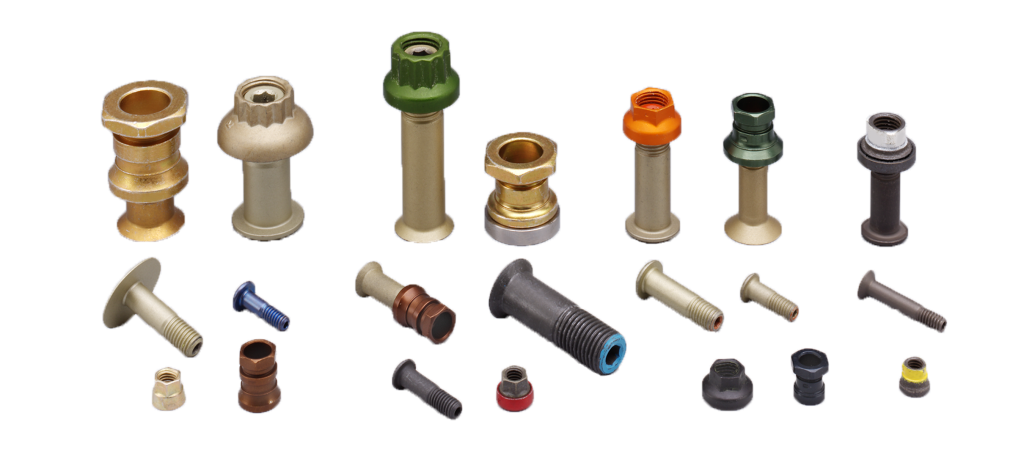
Hi Lok fasteners have two main parts: the pin and the collar. The pin has threads that fit inside the collar. The collar screws onto the pin and locks it in place. This locking prevents the fastener from turning loose. The design allows quick installation and removal with special tools. The fastener’s shape fits flush with the surface, reducing drag and wear.
Material Composition
Hi Lok fasteners are made from strong metals. Common materials include stainless steel, titanium, and aluminum. These metals resist rust and corrosion. Titanium is light and very strong, ideal for airplanes. Stainless steel offers good strength and durability. Aluminum is lighter but less strong, used in less critical parts. The choice depends on the job’s strength and weight needs.
Types Of Hi Lok Fasteners
There are several types of Hi Lok fasteners. Standard Hi Lok fasteners have smooth pins for general use. Hi Torque fasteners allow higher tightening force. Hi Lock fasteners include a locking feature to prevent loosening. Some Hi Lok fasteners have special coatings for extra protection. Choosing the right type depends on the application and environment.
Strength In Aerospace
Strength is crucial in aerospace applications. Every component must handle extreme forces. Hi Lok fasteners provide the needed reliability and durability. These fasteners secure parts tightly to ensure safety and performance. Their design supports the harsh conditions found in flight.
Load Bearing Capabilities
Hi Lok fasteners carry heavy loads without failure. They hold aircraft parts firmly under stress. Their solid construction spreads the load evenly. This reduces the risk of damage to connected parts. Strong load capacity makes them ideal for critical aerospace joints.
Resistance To Vibration And Fatigue
Aircraft face constant vibration and movement. Hi Lok fasteners resist loosening from vibrations. They maintain tight grip even after many cycles. This fatigue resistance prevents cracks and failures. It keeps aircraft parts secure during long flights.
Corrosion Resistance Features
Aerospace fasteners must resist rust and corrosion. Hi Lok fasteners use special coatings and materials. These protect them from moisture and chemicals. Corrosion resistance ensures long service life. It keeps fasteners strong in all environments.
Applications In Aircraft
Hi Lok fasteners play a key role in aircraft manufacturing and maintenance. These fasteners ensure strong, reliable joints in many parts of the aircraft. Their design allows for quick installation and removal, saving time and effort during assembly and repairs. The use of Hi Lok fasteners improves safety and performance in aviation.
Common Usage Areas
Hi Lok fasteners are used widely in wing assemblies, fuselage panels, and engine mounts. They secure critical components that face high stress and vibration. These fasteners appear in control surfaces like flaps and ailerons. Their presence in landing gear assemblies helps withstand heavy loads during takeoff and landing.
Advantages Over Other Fasteners
Hi Lok fasteners provide consistent clamping force with less risk of loosening. Their design allows precise torque control, reducing damage to aircraft parts. They are easier to install and remove compared to traditional rivets or bolts. These fasteners offer better corrosion resistance and durability in harsh conditions.
Case Studies In Aerospace
Many aircraft manufacturers rely on Hi Lok fasteners for structural integrity. A commercial jet builder improved assembly speed by using these fasteners. A military aircraft program reported lower maintenance times thanks to their easy removal. These examples highlight the trust placed in Hi Lok fasteners across aerospace projects.

Credit: www.researchgate.net
Installation And Maintenance
Installing and maintaining Hi Lok fasteners properly ensures safety and performance. These fasteners hold parts tightly in aircraft and other machines. Careful handling during installation keeps them strong and reliable. Regular maintenance checks help spot problems early. Proper care extends the fastener’s life and prevents costly repairs.
Proper Installation Techniques
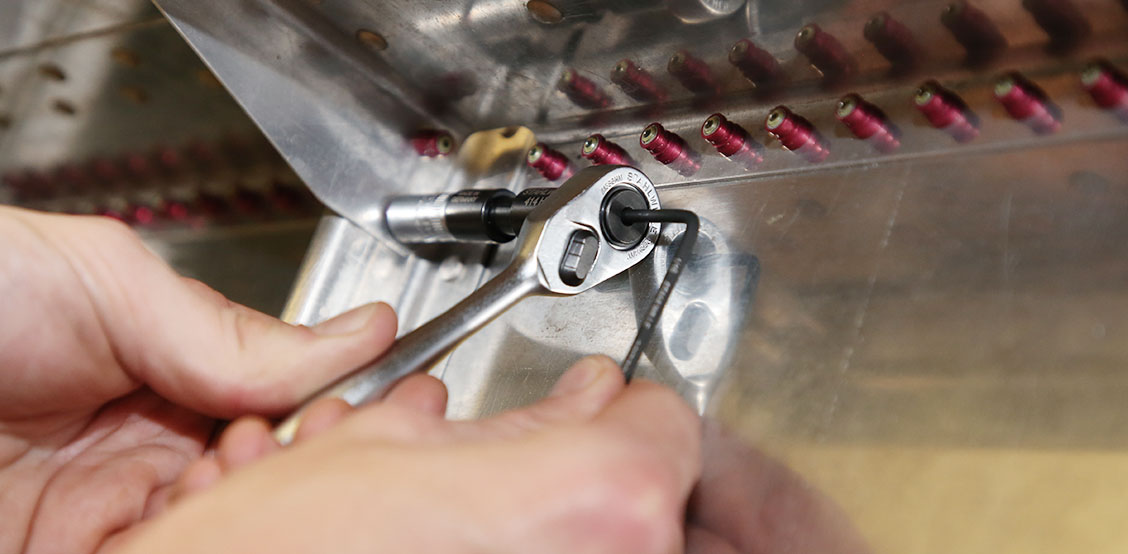
Clean all parts before installing a Hi Lok fastener. Dirt or oil can cause poor fitting. Use the right tools designed for Hi Lok fasteners. Insert the pin straight into the hole. Avoid forcing the fastener to prevent damage. Tighten the collar to the correct torque. Follow manufacturer instructions closely for best results.
Inspection Procedures
Inspect Hi Lok fasteners regularly for signs of wear or damage. Check the collar for looseness or cracks. Look for corrosion or rust on the fastener surface. Ensure the pin is seated correctly without bending. Use a magnifying glass to spot small defects. Replace any fasteners showing damage immediately.
Troubleshooting Common Issues
Looseness often indicates an under-tightened collar. Retighten carefully to the recommended torque. Bent pins may result from poor alignment during installation. Remove and replace bent fasteners only. Corrosion needs cleaning and protective coating. If corrosion is severe, replace the fastener. Always address problems quickly to maintain safety.
Comparison With Other Fasteners
Hi Lok fasteners are widely used in aerospace and industrial applications. They offer specific benefits compared to traditional fasteners. Understanding these differences helps in choosing the right fastener for each job. Let’s compare Hi Lok fasteners with rivets and bolt fasteners.
Hi Lok Vs. Rivets
Hi Lok fasteners provide stronger joints than rivets. They allow precise torque control during installation. Rivets rely on deformation to hold parts together. Hi Loks use threaded engagement for better load distribution. Removing Hi Loks is easier without damaging materials. Rivets often require drilling out if removed. Hi Loks also offer reusable fastening options. Rivets are usually single-use fasteners.
Hi Lok Vs. Bolt Fasteners
Hi Lok fasteners are smaller and lighter than bolts. They have a built-in locking feature to prevent loosening. Bolts usually need additional locking devices like nuts or washers. Installation of Hi Loks is faster with proper tools. Bolts can cause uneven pressure on thin materials. Hi Loks distribute force evenly to avoid damage. Both fasteners are strong, but Hi Loks suit tight spaces better.
Cost And Performance Analysis
Hi Lok fasteners cost more than basic rivets or bolts. The higher price reflects their precision and reliability. They reduce maintenance and inspection needs over time. Hi Loks improve safety by maintaining joint integrity. Rivets and bolts may need more frequent checks and replacements. Using Hi Loks can save money in long-term projects. Their performance justifies the initial investment in critical applications.
Credit: www.howmet.com
Future Trends In Fastening Technology
The future of fastening technology is bright and full of new ideas. Hi Lok fasteners will benefit from many new trends. These changes will improve strength, ease of use, and environmental impact. The aerospace industry will see faster assembly and safer flights. Here are some key areas shaping the future of fasteners.
Innovations In Materials
New materials will make fasteners stronger and lighter. Advanced alloys and composites will resist heat and corrosion better. This means Hi Lok fasteners will last longer in tough conditions. Lightweight materials also help reduce aircraft weight. That saves fuel and cuts emissions. Material science will keep pushing fastener performance forward.
Smart Fastening Solutions
Smart fasteners will change how we check and install them. Sensors embedded in fasteners can monitor tension and wear. This helps detect problems before they become dangerous. Smart tools will guide workers to the right torque every time. These solutions reduce errors and improve safety. Digital data from fasteners will aid maintenance and inspections.
Sustainability In Aerospace Components
Sustainability is a key focus for aerospace parts. Eco-friendly fasteners use recyclable or reusable materials. Manufacturing processes are becoming cleaner and less wasteful. Hi Lok fasteners will follow these green trends. Sustainable fasteners help meet strict environmental rules. Airlines and manufacturers will prefer parts that lower their carbon footprint.
Frequently Asked Questions
What Is A Hi Lok Fastener Used For?
A Hi Lok fastener is used to join aircraft parts securely. It provides strong, vibration-resistant connections. Hi Lok fasteners ensure safety and reliability in aerospace assemblies by offering easy installation and removal.
How Does A Hi Lok Fastener Work?
Hi Lok fasteners work by threading a collar onto a bolt. Tightening the collar clamps parts together firmly. This design prevents loosening under stress or vibration, making it ideal for aircraft structures.
What Materials Are Hi Lok Fasteners Made From?
Hi Lok fasteners are typically made from stainless steel, titanium, or aluminum. These materials offer high strength, corrosion resistance, and lightweight properties. The choice depends on specific aerospace application needs.
Are Hi Lok Fasteners Reusable?
Yes, Hi Lok fasteners are reusable if inspected and maintained properly. They can be disassembled without damage. However, manufacturers recommend checking for wear or damage before reuse to maintain safety.
Conclusion
Hi Lok fasteners provide strong, reliable connections in many industries. They ensure safety and ease in assembly and maintenance. Their unique design allows quick installation and removal. Using Hi Lok fasteners can save time and reduce errors. They come in different sizes to fit various needs.
Choosing the right fastener improves product quality and durability. Understanding their function helps in making better choices for projects. Small but important parts that hold things firmly together. A smart choice for anyone needing secure fastening solutions.