You want your cabinets to look great and work smoothly every time you open them. But where exactly should you place your cabinet door hardware for the best look and function?
The right placement can make opening doors easier, improve the flow of your kitchen or bathroom, and give your space a polished, balanced feel. In this guide, you’ll discover simple, clear tips on where to install knobs and pulls on different types of cabinets and drawers.
Whether you’re updating your kitchen in Austin or just want a fresh style, knowing the exact spots for your hardware will save you time and frustration. Keep reading, and you’ll learn how to get perfect placement that feels natural and looks stunning every time.
Credit: www.kraftmaid.com
Placement For Cabinet Doors
Placing cabinet door hardware correctly improves both function and style. The right spot helps open doors easily. It also keeps your kitchen or bathroom looking neat. Each cabinet type needs a different approach. Consider cabinet size, door swing, and user comfort. The hardware location should balance ease and appearance.
Upper Cabinets
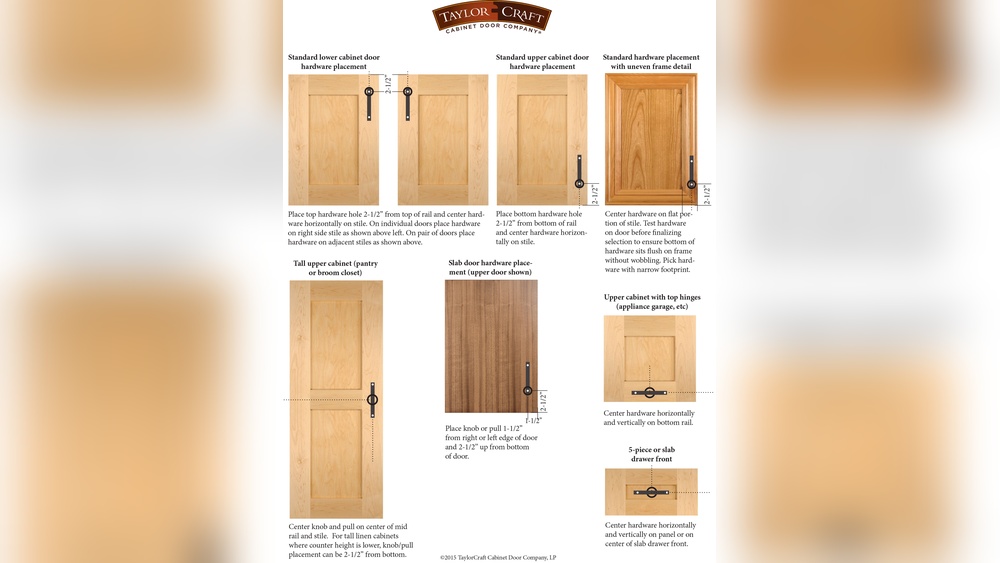
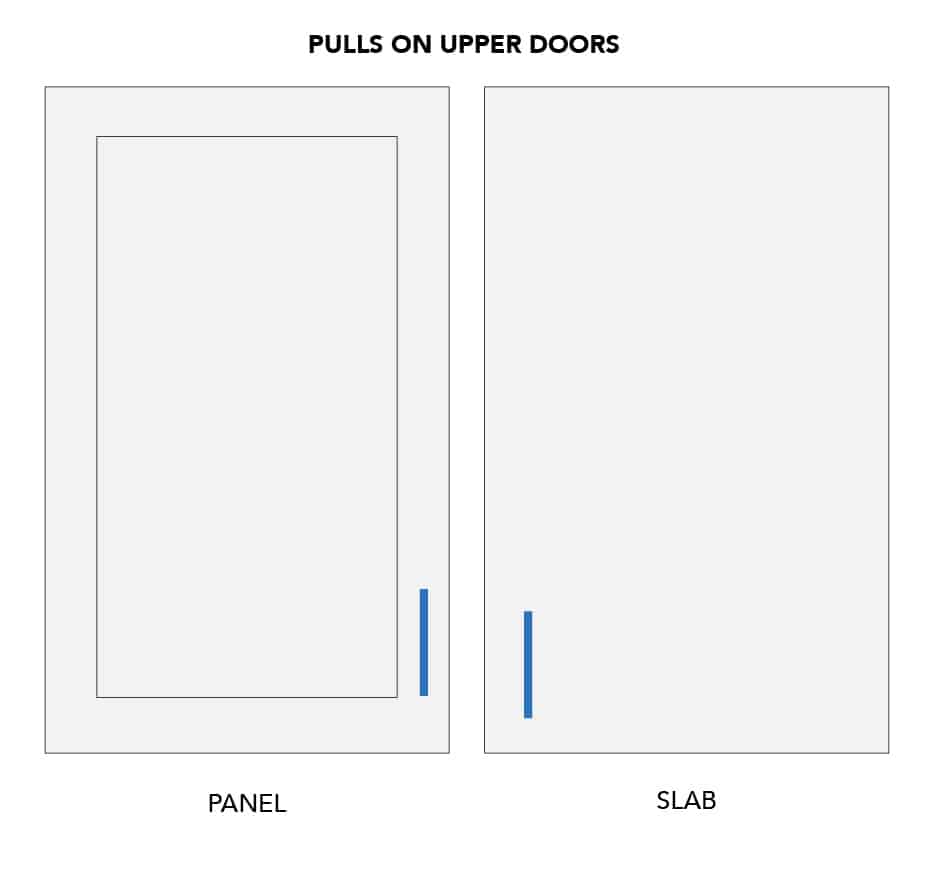
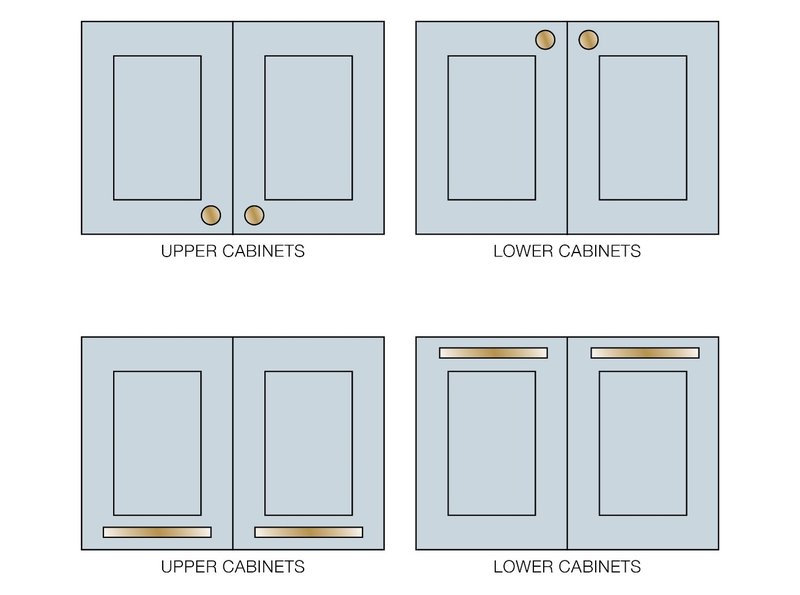
Place hardware near the bottom corner of the door. Choose the side opposite the hinges. This makes opening easier. For left-hinged doors, hardware goes on the right side. For right-hinged doors, put it on the left. Keep the hardware about 2 to 3 inches from the edge. This spot is comfortable to reach without stretching.
Base Cabinets
Mount hardware near the top corner of the door. The side should be opposite the hinges. It lets you pull open the door with ease. Hardware is usually 2 to 3 inches from the door edge. This placement prevents bending too far down. It also keeps the look balanced with upper cabinets.
Tall Cabinets
Place hardware in the middle of the door edge. Position it opposite the hinges for better leverage. For very tall doors, you can add two handles. One near the top and one near the bottom. This helps open heavy doors more easily. Ensure handles line up with other cabinet hardware. It creates a clean, uniform appearance across cabinets.
Drawer Hardware Locations
Choosing the right location for drawer hardware improves both function and style. The placement depends on the drawer size and type. Properly placed hardware makes opening drawers easier and enhances your kitchen’s look.
Small To Medium Drawers
Place the hardware in the center of the drawer front. Align it horizontally and vertically for a balanced look. This position makes opening simple and looks neat. Knobs or pulls both work well here.
Large Drawers
Use two pulls or knobs on large drawers. Space them evenly to spread the opening force. This setup helps in lifting heavier contents with less effort. Keep the spacing consistent for a clean appearance.
Appliance Pulls
Center appliance pulls on the panel. Position them both horizontally and vertically in the middle. This gives a symmetrical and professional look. It also makes it easy to open heavy appliance doors smoothly.
Leverage And Accessibility
Proper placement of cabinet door hardware improves leverage and accessibility. Good leverage makes doors easier to open with less effort. Accessibility ensures everyone can reach and use the hardware comfortably. Thoughtful positioning boosts both function and style in your kitchen or bathroom. Consider where to place knobs and pulls for the best user experience.
Position Opposite Hinges
Place cabinet hardware opposite the door hinges. This location gives better leverage when pulling the door open. Hardware near the hinge makes it harder to open the door smoothly. Opposite placement creates a natural grip point. It reduces strain on your wrist and hand. This simple tip improves daily use and extends hardware life.
Comfortable Reach Height
Set hardware at a height that feels easy to reach. Avoid placing knobs or pulls too high or too low. Aim for a position where most people can grab them without stretching. For upper cabinets, place hardware near the bottom corner. For base cabinets, place it near the top corner. This height balance suits adults and children alike.
Credit: truepositiontools.com
Consistency Across Cabinets
Consistency across cabinets creates a polished and harmonious kitchen look. Keeping hardware placement uniform helps the eye move smoothly across the space. It avoids confusion and makes your cabinets look well planned and neat.
Choosing one style and sticking to it simplifies daily use. It also boosts your kitchen’s overall style and balance. Small details like hardware placement add up to big visual impact.
Benefits Of Consistent Hardware Placement
Uniform hardware placement improves kitchen flow and function. Every cabinet door and drawer has a clear grab point. This reduces fumbling and frustration during cooking or cleaning. It also helps guests and family members open cabinets easily.
How To Maintain Consistency
Decide on one position for knobs or pulls before installation. Mark the spot on each cabinet door and drawer. Use a template or ruler to keep measurements exact. Check placement from different angles to ensure comfort and style.
Common Consistent Placement Styles
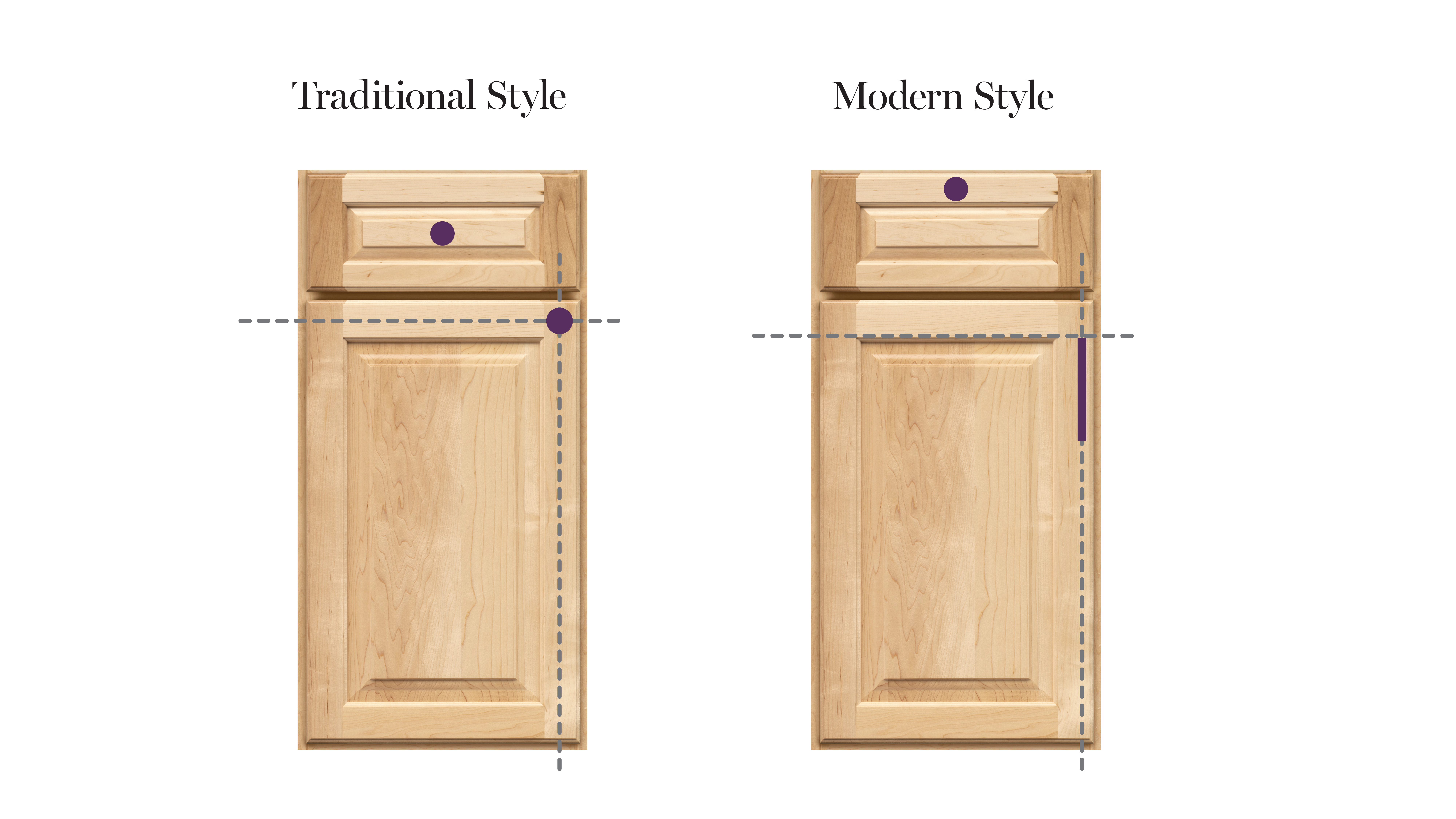
For upper cabinets, place hardware near the bottom corner opposite the hinge. Base cabinets usually have pulls near the top corner opposite the hinge. Drawers often have centered knobs or pulls for easy reach. Tall cabinets follow the same corner rule as base cabinets.
Visual Impact Of Consistency
Consistent hardware placement ties the kitchen design together. It creates rhythm and order in the room. This makes the space feel larger and less cluttered. A steady pattern of knobs or pulls invites admiration and compliments.
Choosing Knobs Vs Pulls
Choosing between knobs and pulls for cabinet door hardware influences both function and style. Each option offers unique benefits. Understanding these can help you pick the best fit for your kitchen or bathroom.
Benefits Of Cabinet Knobs
Knobs are small and easy to install. They require only one screw, making them simple to replace or update. Their compact size suits smaller cabinets and doors. Knobs offer a classic, understated look. They come in many shapes and finishes. This versatility allows for easy matching with different décor styles.
Advantages Of Cabinet Pulls
Pulls provide more grip and leverage. This makes opening heavy or large doors easier. They work well on drawers and tall cabinets. Pulls often create a modern, sleek appearance. They come in various lengths and designs. You can choose bold or subtle pulls to suit your taste.
Considerations For Choosing Between Knobs And Pulls
Think about cabinet size and door weight. Small doors usually pair well with knobs. Large doors benefit from the strength of pulls. Consider how often you use the cabinets. Frequent use may call for pulls for easier handling. Style and comfort also matter. Choose hardware that feels good in your hand and matches your room’s look.
Credit: www.emtek.com
Measuring For Precise Placement
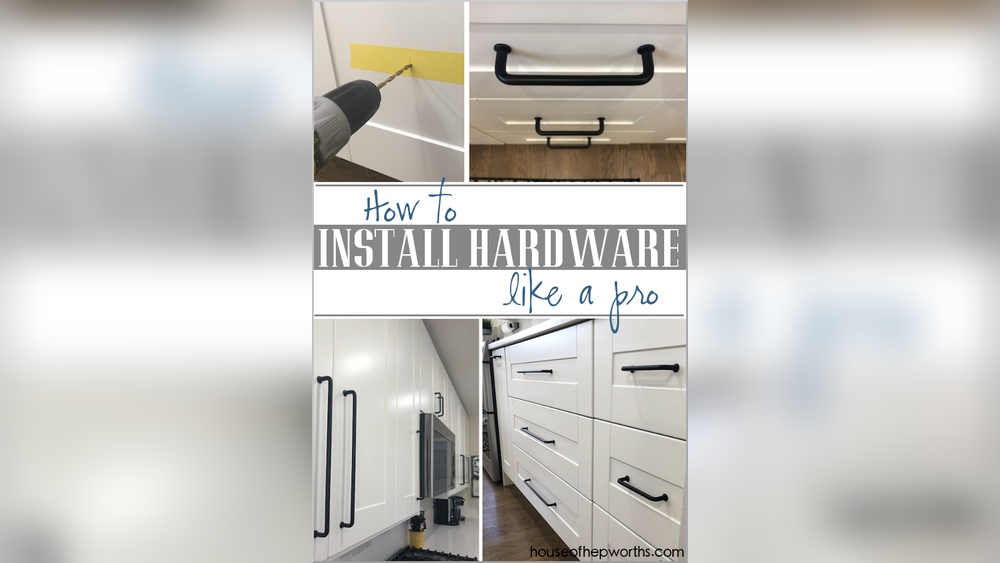
Measuring for precise placement of cabinet door hardware is key to a professional look. Correct measurement ensures your knobs and pulls align perfectly. This step avoids crooked or uneven hardware that spoils the cabinet’s appearance.
Measure twice before drilling holes. Use a ruler or tape measure for accuracy. Mark the exact spot lightly with a pencil. This helps keep hardware placement consistent across all doors and drawers.
Choosing The Right Measuring Tools
Select simple tools like a tape measure, ruler, and pencil. A combination square can help keep measurements straight. Avoid guesswork by relying on these tools for exact placement.
Marking The Placement Points
Mark points carefully where the hardware will attach. Use a pencil to make small, visible marks. Check marks against your measurements to avoid errors. These marks guide drilling and installation for neat results.
Measuring From Cabinet Edges
Measure hardware placement from cabinet edges, not center only. This gives a consistent look and helps align hardware across multiple cabinets. Use the same distance for all doors and drawers.
Double-checking Measurements Before Installation
Recheck all measurements before drilling holes. A second check prevents costly mistakes. Confirm marks are level and evenly spaced. This step saves time and effort during hardware installation.
Tools For Installation
Installing cabinet door hardware requires the right tools to ensure a clean and accurate job. Using proper tools helps place knobs and pulls precisely, making your cabinets look professional. This section covers essential tools needed for smooth hardware installation.
Measuring Tape
A measuring tape ensures exact placement of hardware. Measure distances from cabinet edges carefully. Consistent measurements keep the hardware aligned and balanced.
Drill And Drill Bits
A drill makes holes for screws. Choose drill bits that match the screw size. Drill slowly to avoid damaging the cabinet surface.
Level Tool
A level tool helps keep hardware straight. Use it to check horizontal and vertical alignment. This prevents crooked knobs or pulls.
Pencil Or Marker
Mark drill points lightly with a pencil or marker. This guides the drill and avoids mistakes. Marks can be erased after installation.
Screwdriver
A screwdriver is needed to tighten screws. Select a type that fits your hardware screws. Turn screws gently to avoid stripping.
Template Or Jig
A template or jig helps maintain uniform hardware placement. It saves time and improves accuracy. You can buy one or make your own.
Common Mistakes To Avoid
Placing cabinet door hardware incorrectly can ruin your kitchen’s look and function. Small errors can cause big frustrations. Avoid these common mistakes to keep your cabinets stylish and easy to use.
Ignoring The Door Type
Each cabinet door type needs different hardware placement. Upper cabinets usually need knobs near the bottom corner. Base cabinets require hardware near the top corner. Tall cabinets need handles in the middle for easy reach. Ignoring these can make doors hard to open.
Placing Hardware Too Close To Hinges
Hardware must be placed far from hinges. If it’s too close, the door is harder to pull open. This placement also makes the hardware look crowded. Position knobs or pulls on the opposite side of the hinges for better leverage.
Inconsistent Hardware Placement
All cabinet doors should have hardware placed in the same spot. Inconsistent placement looks messy and unplanned. Measure carefully and mark spots before drilling. Consistency creates a neat, balanced appearance.
Ignoring User Comfort
Hardware must be easy to reach and grab. Placing knobs too high or too low makes opening difficult. Consider who uses the cabinets most. Adjust the height for adults or children as needed. Comfort improves daily kitchen use.
Choosing Hardware Too Large Or Too Small
Hardware size matters. Oversized pulls can overwhelm small doors. Tiny knobs may look lost on large doors. Pick hardware that fits the cabinet size and style. Proper size keeps everything proportional and neat.
Frequently Asked Questions
Where Should Cabinet Hardware Be Placed?
Place cabinet hardware opposite the hinges for easy leverage. Position knobs near the door’s upper corner, pulls centered on drawers. For tall cabinets, place hardware at comfortable, accessible heights. Maintain consistent placement across all cabinets to achieve a uniform look.
What Is The 1/3 Rule For Cabinet Pulls?
The 1/3 rule for cabinet pulls means placing the pull one-third of the way from the drawer or door edge. This ensures balanced appearance and easy grip. It improves usability and maintains consistent hardware alignment across cabinets.
What Is The Rule Of Thumb For Cabinet Hardware?
Place cabinet hardware opposite the hinges for easy leverage. Position knobs near the door’s edge and pulls centered on drawers. Keep placement consistent across all cabinets. Ensure hardware height suits comfortable reach. Use two pulls on large drawers for balanced opening.
What Is The Trend For Cabinet Pulls?
The trend for cabinet pulls favors sleek, minimalist designs in matte black, brushed gold, and satin nickel finishes. Simple bar and edge pulls enhance modern and transitional kitchens. Homeowners prefer functional, stylish hardware that complements overall décor.
Conclusion
Choosing the right spot for cabinet hardware improves both function and style. Place knobs and pulls where hands naturally reach. Keep hardware opposite the hinges for easier opening. Stay consistent in placement for a neat, balanced look. Small drawers work well with centered knobs; larger ones may need two pulls.
Appliance panels look best with centered handles. Remember, comfort matters most—choose heights that feel good to use. Simple, thoughtful placement makes cabinets both attractive and practical.