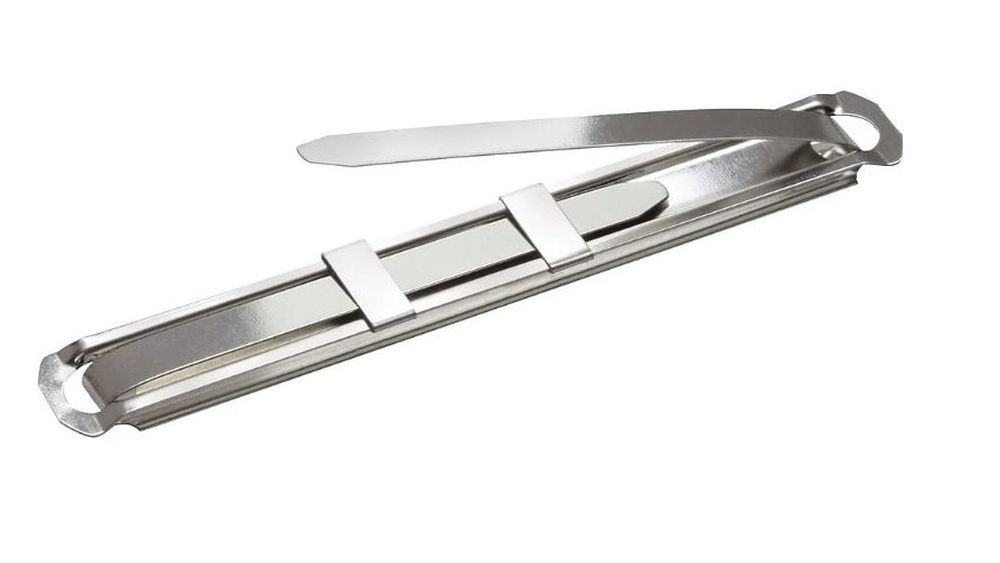
Have you ever struggled with a door that just won’t stay closed? A door fastener could be the simple solution you need.
It’s a small device that makes a big difference in keeping your doors secure and easy to use. Whether it’s for safety, privacy, or convenience, understanding how a door fastener works can save you time and frustration. Keep reading to discover why choosing the right door fastener matters for your home or office—and how it can improve your daily life.
Types Of Door Fasteners
Door fasteners help keep doors secure and safe. They come in many types. Each type has a unique way of locking or holding the door. Choosing the right fastener depends on the door’s purpose and location.
Bolt Fasteners
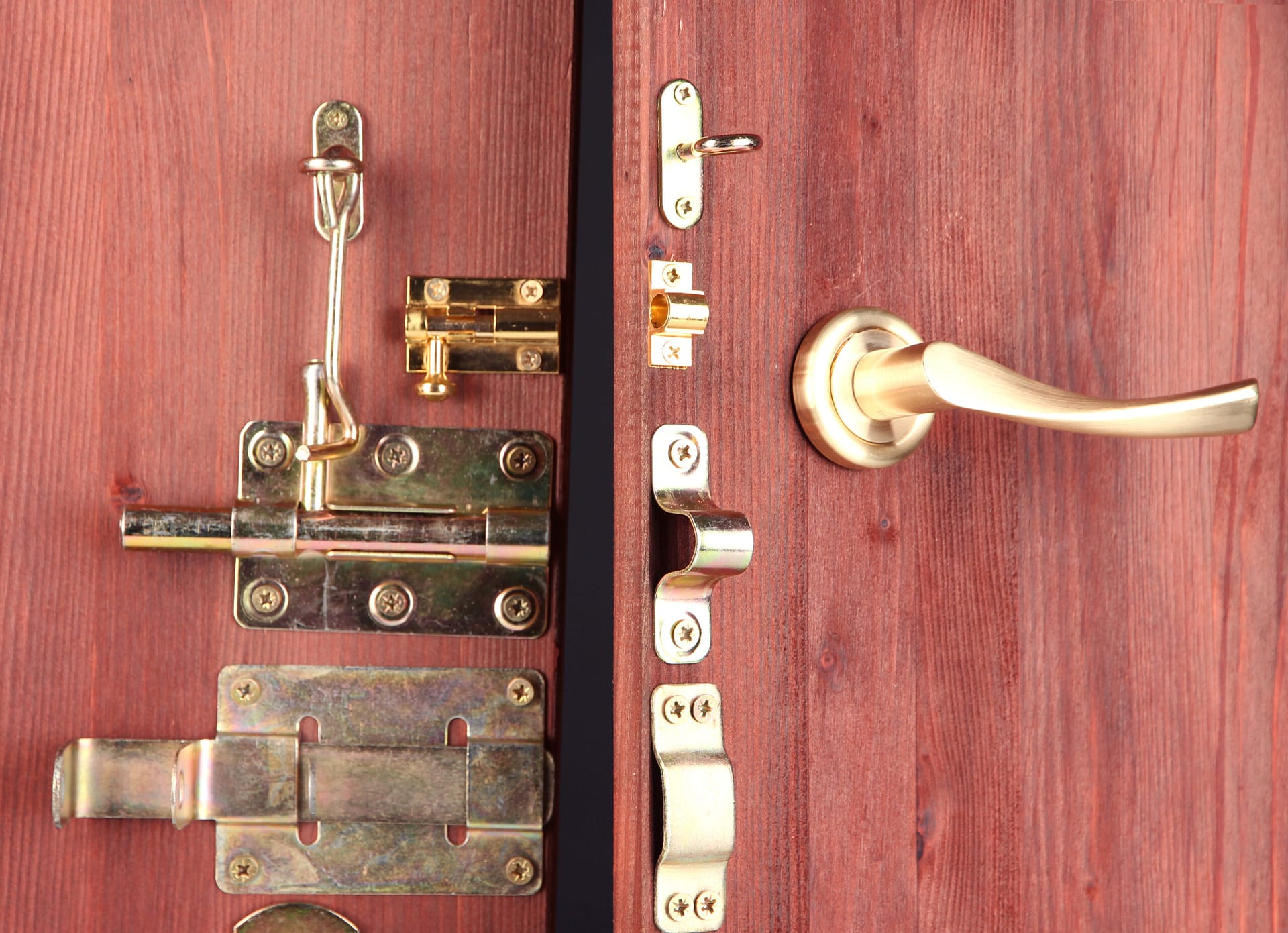
Bolt fasteners use a metal rod that slides into a catch. They are strong and simple. Often used on gates and heavy doors. Easy to install and operate. They provide solid security and hold the door firmly.
Latch Fasteners
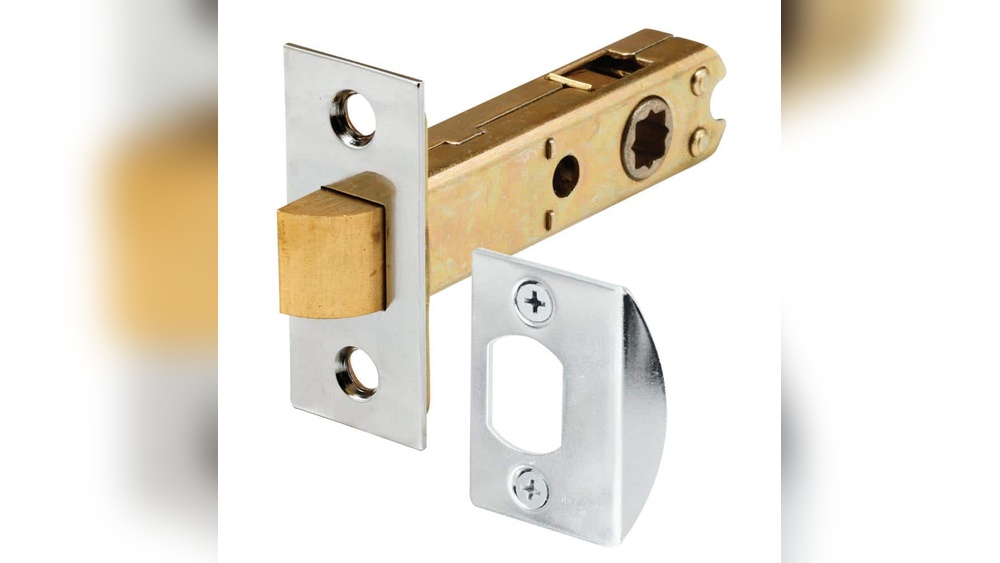
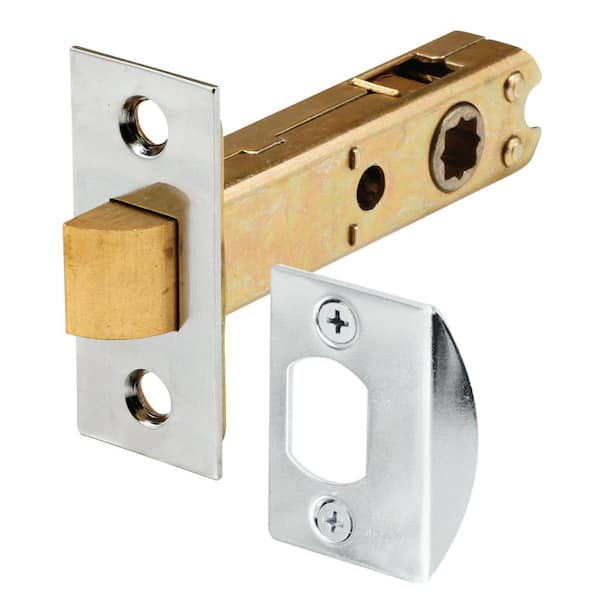
Latch fasteners have a lever or bar that fits into a slot. Common on interior doors and cabinets. They allow quick opening and closing. Good for doors that need frequent access. Latches keep doors closed without a key.
Chain Fasteners
Chain fasteners use a small chain to secure the door. They allow the door to open slightly. Good for peeking outside safely. Often found on front doors of homes. Chains give extra security while still letting air in.
Magnetic Fasteners
Magnetic fasteners use magnets to hold doors shut. They are silent and smooth. Common on cabinet doors and light closet doors. Easy to open with a gentle pull. Magnets keep doors closed without mechanical parts.
Electronic Fasteners
Electronic fasteners use digital locks or keypads. They offer high security and convenience. Used in offices, hotels, and smart homes. Can be opened with codes or cards. Provide control over who can enter.
Materials And Finishes
Choosing the right material and finish for a door fastener affects its strength, look, and lifespan. Different materials suit different needs and environments. Finishes protect the fastener and improve its appearance. Understanding these options helps pick the best fastener for your door.
Stainless Steel
Stainless steel is strong and resists rust. It works well in wet or outdoor areas. This material lasts long and needs little care. Its shiny surface fits modern and classic doors.
Brass And Bronze
Brass and bronze offer a warm, rich look. They resist corrosion and wear well over time. These metals develop a natural patina that adds character. They suit vintage or decorative door styles.
Aluminum
Aluminum is light but sturdy. It resists rust and does not need much maintenance. This metal suits modern designs and indoor doors. It is easy to install and handle.
Plastic And Composite
Plastic and composite fasteners are affordable and versatile. They do not rust and work well indoors. These materials come in many colors and shapes. They are less strong than metal but good for light use.
Powder Coated Finishes
Powder coating adds a tough, colorful layer to metal fasteners. It protects against scratches and weather damage. This finish keeps fasteners looking new longer. Many colors and textures are available for style choices.
Choosing The Right Fastener
Choosing the right door fastener is key for safety and ease. The right fastener keeps your door secure and works well with your door type. It also should match your door’s look and be simple to install. Consider these points to find the best fastener for your needs.
Security Needs
Think about how much security you need. Some fasteners offer strong protection against break-ins. Others work for basic safety. Choose a fastener that fits your security level. A sturdy lock or bolt can stop unwanted entry. Match the fastener strength with your door’s purpose.
Door Type Compatibility
Doors come in many materials and styles. Wood, metal, or glass doors need different fasteners. Check if the fastener fits your door’s size and material. Some fasteners are made for heavy doors. Others suit lighter or thin doors. Picking the right type helps the fastener last longer and work better.
Aesthetic Considerations
The fastener should look good with your door. Choose a style and color that match your door’s design. A shiny metal fastener may suit a modern door. A rustic fastener fits an old wooden door. A matching fastener adds to your home’s charm and appeal.
Installation Ease
Think about how easy the fastener is to install. Some fasteners need tools and skills. Others you can fit quickly with simple tools. Choose one that fits your skill level. Easy installation saves time and effort. It also means fewer mistakes that can harm security.
Credit: www.aspire-doors.co.uk
Installation Tips
Installing a door fastener correctly ensures security and smooth operation. Proper installation saves time and prevents damage. Follow these tips to set up your door fastener with ease.
Tools Required
Gather all tools before starting the installation. You will need a drill, screwdriver, measuring tape, pencil, and screws. A level helps ensure straight placement. Use safety glasses for protection during drilling.
Step-by-step Process
First, measure the door edge where the fastener will sit. Mark the screw holes with a pencil. Drill pilot holes to avoid wood splitting. Align the fastener with the holes and screw it in place firmly. Test the fastener to check it locks and unlocks smoothly.
Common Mistakes To Avoid
Do not skip measuring before drilling. Incorrect placement can cause poor fit or damage. Avoid using the wrong screws; they can strip or break. Tighten screws just enough; over-tightening may warp the door. Always test the fastener after installation to ensure proper function.
Maintaining Door Fasteners
Maintaining door fasteners is key to keeping doors secure and working smoothly. Regular care helps prevent damage and extends the fastener’s life. Simple steps can avoid costly repairs and improve safety. This section covers easy ways to maintain door fasteners.
Cleaning And Lubrication
Clean door fasteners regularly to remove dust and dirt. Use a soft cloth and mild soap for wiping. Avoid harsh chemicals that can damage the material. After cleaning, apply a light lubricant to moving parts. This reduces friction and stops squeaking. Use oil or a silicone-based spray for best results. Clean and lubricate every few months for smooth operation.
Troubleshooting Issues
Check door fasteners if the door sticks or does not close properly. Listen for unusual sounds like grinding or squeaking. Tighten loose screws or bolts with a screwdriver. If the fastener jams, clean and lubricate it. Sometimes, misalignment causes problems. Adjust the fastener position to fit the door correctly. Regular checks prevent small issues from becoming big problems.
When To Replace
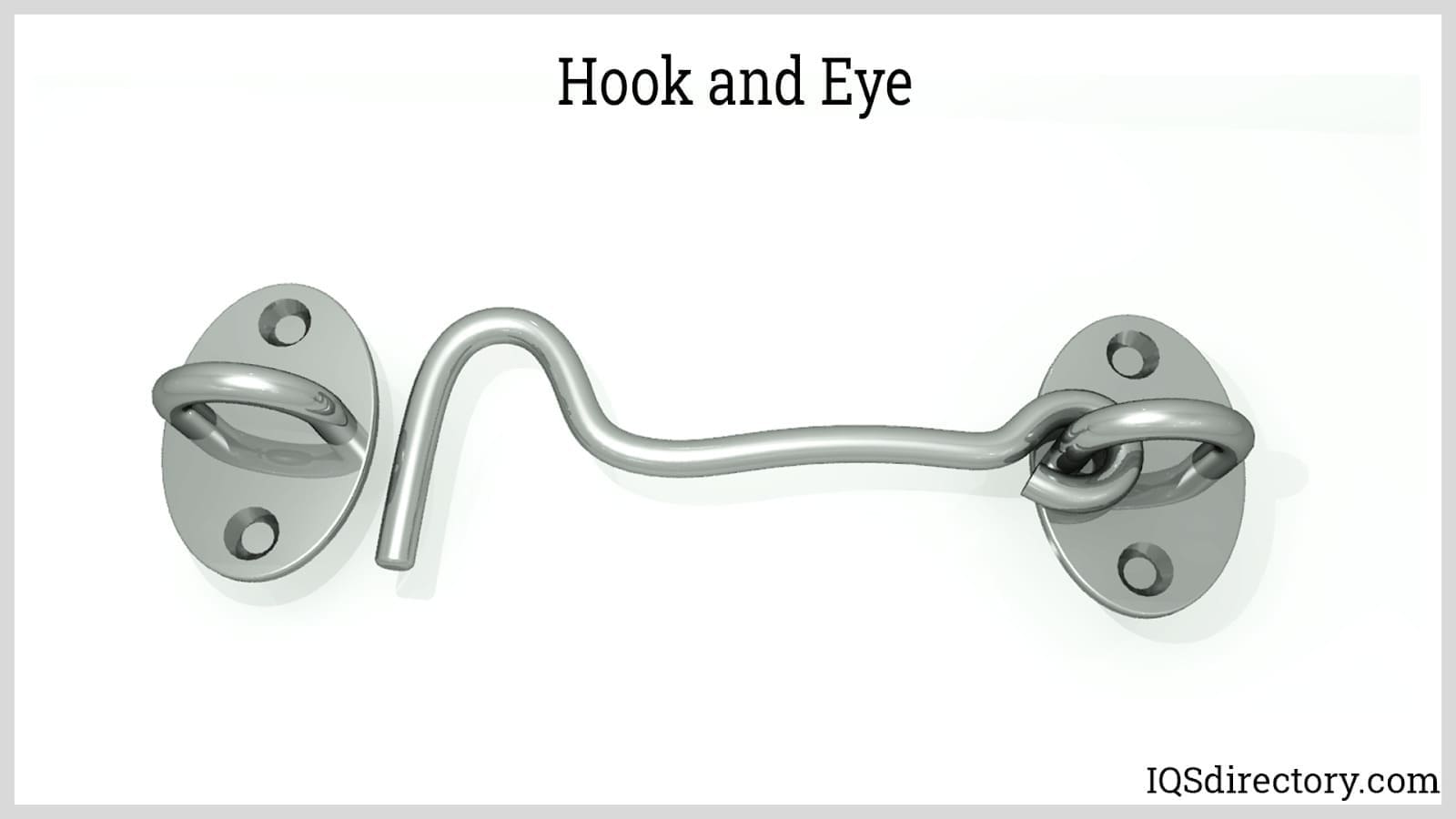
Replace door fasteners if they show signs of rust or corrosion. Cracks or broken parts mean the fastener is unsafe. If lubrication and adjustments do not fix problems, consider replacement. Old fasteners may weaken over time and fail. Choose a new fastener that matches your door type. Timely replacement ensures your door stays secure and functional.
Credit: www.iqsdirectory.com
Stylish Door Fastener Trends
Stylish door fasteners combine function with design. They add character to any door. Choosing the right fastener can change the room’s look.
Here are some popular trends that fit different tastes and styles.
Modern Minimalist Designs
These designs focus on clean lines and simple shapes. They often use metal finishes like matte black or brushed nickel. The style suits contemporary homes well. Minimalist fasteners keep doors secure without drawing much attention.
Vintage And Rustic Styles
Vintage fasteners bring a classic or old-fashioned feel. They often feature aged brass or wrought iron. Rustic designs show natural textures and rugged details. These fasteners add warmth and charm to wooden doors and farmhouse decor.
Customizable Options
Custom fasteners let you pick colors, shapes, and materials. This option suits unique interiors and personal tastes. Some allow engraving or special finishes. Customizing helps match fasteners perfectly with the door and room style.
Credit: www.homedepot.com
Frequently Asked Questions
What Is A Door Fastener Used For?
A door fastener secures doors, preventing unwanted opening. It enhances safety and stability in homes and buildings. Fasteners come in various types for different door styles.
How Do Door Fasteners Improve Security?
Door fasteners add an extra locking point, strengthening door resistance. They reduce the risk of forced entry. Proper installation increases overall door security effectively.
What Types Of Door Fasteners Exist?
Common door fasteners include bolts, latches, and chains. Each type suits specific door materials and security needs. Choose fasteners based on door style and intended use.
Can Door Fasteners Be Installed Easily?
Most door fasteners are simple to install with basic tools. Clear instructions usually accompany the product for DIY installation. Professional help is recommended for complex fasteners.
Conclusion
A door fastener keeps doors secure and stable. It stops unwanted openings and adds safety. Choosing the right fastener fits your door type. Simple to install and use every day. Small but important for home or office. Helps protect your space from drafts and noise.
A smart choice for peace of mind. Easy to maintain and long-lasting too. Don’t overlook this handy tool for your doors.